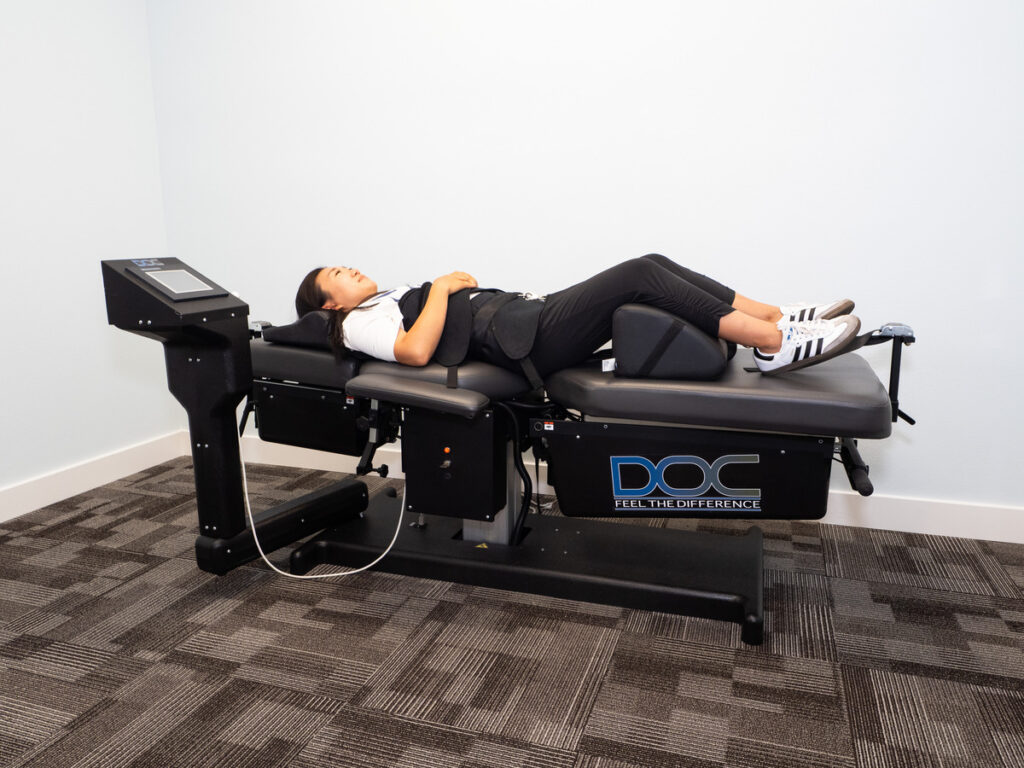

If you're seeking natural ways to unwind, chiropractic care might be a valuable resource for you. By focusing on spinal alignment and relieving physical tension, it can greatly enhance your relaxation experience. Combine this with breathing exercises and gentle stretching, and you could discover a holistic approach to managing stress. But what specific techniques can you integrate into your routine to maximize these benefits? Let's explore how chiropractic care can transform your relaxation habits.
Understanding Chiropractic Care
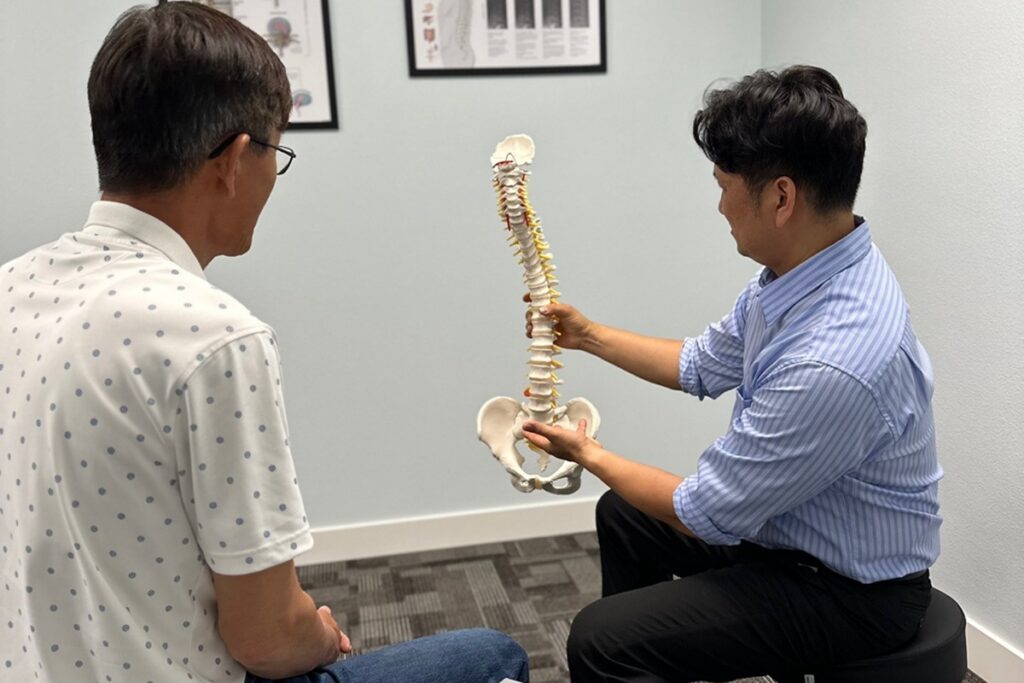
Chiropractic care is more than just a treatment for back pain; it's a holistic approach to health that focuses on the relationship between your body's structure and function. When you visit a chiropractor, you're not just addressing pain; you're looking to improve your overall health by ensuring your spine and nervous system function at their best. Your spine houses the spinal cord, which sends signals throughout your body, affecting every organ and system.
Chiropractors use hands-on spinal manipulation and other techniques to adjust misaligned vertebrae. These adjustments can enhance your mobility and promote better communication between your brain and body. You might find that these adjustments not only alleviate discomfort but also improve your overall well-being. The underlying philosophy is that when your spine is aligned, your body can heal itself more effectively.
In addition to spinal adjustments, chiropractors may incorporate lifestyle advice, exercise recommendations, and nutritional guidance into your care plan. This thorough approach means you're actively engaging in your health journey. You're encouraged to adopt practices that support long-term wellness, rather than relying solely on temporary relief.
Understanding chiropractic care helps you grasp its potential benefits beyond just pain relief. It empowers you to take charge of your health by fostering a connection between your physical alignment and your overall well-being. By prioritizing your spine and nervous system, you're investing in a healthier future.
The Benefits of Relaxation
Relaxation offers you powerful stress reduction techniques that can help you manage daily pressures more effectively.
It also promotes improved sleep quality, allowing you to wake up refreshed and energized.
Embracing relaxation can greatly enhance your overall well-being.
Stress Reduction Techniques
When life's pressures start to pile up, finding effective stress reduction techniques can make all the difference in your well-being. Incorporating simple methods into your daily routine can help you manage stress more effectively.
One powerful technique is deep breathing. Take a few moments each day to focus on your breath, inhaling deeply through your nose and exhaling slowly through your mouth. This practice can help to calm your mind and body.
Another technique is mindfulness meditation. By dedicating just a few minutes to sit quietly and observe your thoughts without judgment, you can cultivate a sense of inner peace.
Additionally, regular physical activity, like walking or yoga, releases endorphins that naturally boost your mood and reduce tension.
Don't underestimate the power of social connections, either. Spending time with friends or loved ones provides emotional support, which can greatly ease stress.
Finally, consider chiropractic care as a complementary approach. A chiropractor can help relieve physical tension in your body, promoting relaxation and well-being.
Try incorporating these techniques into your life, and you'll likely notice a positive shift in how you handle stress.
Improved Sleep Quality
Struggling to get a good night's sleep can leave you feeling drained and irritable. One natural way to improve your sleep quality is through chiropractic care. When your spine is aligned properly, it can enhance your nervous system's function, promoting relaxation and reducing stress. This can be particularly beneficial if you often lie awake, tossing and turning.
Regular chiropractic adjustments can alleviate tension in your muscles and improve circulation. As your body relaxes, you'll likely find it easier to drift off to sleep. In addition, chiropractic care can help alleviate pain or discomfort that might keep you awake at night.
Creating a bedtime routine that includes chiropractic adjustments can signal your body that it's time to wind down. Pair this with other relaxation techniques, such as deep breathing or meditation, and you'll create a powerful combination for restful sleep.
Techniques for Stress Relief
When it comes to stress relief, chiropractic care offers several effective techniques you can incorporate into your routine.
Spinal adjustments, breathing exercises, and stretching can help you feel more relaxed and balanced.
Let's explore how these methods can enhance your overall well-being.
Spinal Adjustments Benefits
A variety of spinal adjustments can markedly reduce stress and enhance your overall well-being. When you visit a chiropractor, they'll assess your spine's alignment and identify any areas of tension. By applying specific techniques, they can help realign your vertebrae, allowing your body to function at its best. This realignment alleviates pressure on your nervous system, which can lead to a reduction in stress hormones like cortisol.
As your body finds its balance, you may notice improvements in your mood and energy levels. Spinal adjustments can also promote better sleep patterns, making it easier for you to recharge and cope with daily stressors. Additionally, these adjustments can relieve muscle tension and discomfort, further contributing to your relaxation.
You might also experience enhanced circulation, which helps deliver oxygen and nutrients throughout your body, supporting overall health. Regular chiropractic care can be a powerful tool in your stress management arsenal.
Breathing Exercises Techniques
Spinal adjustments can greatly improve your overall well-being, but combining them with breathing exercises can further enhance your relaxation techniques.
These exercises focus on deep, intentional breathing that calms both the mind and body. By consciously controlling your breath, you can reduce stress and increase your sense of tranquility.
Here are three effective breathing techniques you can try:
- Diaphragmatic Breathing: Lie down or sit comfortably. Place one hand on your chest and the other on your belly. Inhale deeply through your nose, allowing your diaphragm to expand, and exhale slowly through your mouth. This helps oxygenate your body and promotes relaxation.
- 4-7-8 Breathing: Inhale through your nose for a count of four, hold your breath for seven counts, and exhale through your mouth for eight counts. This technique helps slow your heart rate and calms your nervous system.
- Box Breathing: Inhale for four counts, hold for four counts, exhale for four counts, and hold again for four counts. Repeat this cycle several times to regain focus and reduce anxiety.
Incorporating these techniques into your routine can greatly enhance the benefits of chiropractic care.
Stretching for Relaxation
Incorporating stretching into your daily routine can greatly enhance relaxation and reduce stress levels. Simple stretches can release tension in your muscles, improve blood flow, and promote a sense of calm. Start your day with a few gentle stretches to wake up your body and set a positive tone for the hours ahead.
Focus on areas that often hold stress, like your neck, shoulders, and back. Try a neck stretch by tilting your head to one side, holding for 15-30 seconds, then switching sides. For your shoulders, bring your arms across your chest and gently pull with the opposite arm. A forward bend can also work wonders; just bend at your hips and let your upper body relax toward the floor.
Incorporate these stretches throughout the day—especially during breaks—to keep stress at bay. As you stretch, remember to breathe deeply, allowing your body to relax further.
Not only will these techniques help reduce tension, but they'll also improve your overall flexibility. So, take a few moments to stretch each day and feel the difference in your stress levels. Your body and mind will thank you!
Incorporating Breathing Exercises
Breathing exercises can be a powerful tool for enhancing your chiropractic care experience. When you focus on your breath, you not only calm your mind but also help your body prepare for treatment.
Incorporating breathing techniques into your routine can promote relaxation, reduce stress, and even improve your posture, all of which are beneficial for maximizing the effects of chiropractic adjustments.
To get started, consider these simple breathing exercises:
- Diaphragmatic Breathing: Breathe deeply through your nose, allowing your diaphragm to expand fully. This technique encourages oxygen flow and helps release tension.
- Box Breathing: Inhale for a count of four, hold for four, exhale for four, and pause for another four before repeating. This method helps regulate your breathing and calms your nervous system.
- 4-7-8 Technique: Inhale for a count of four, hold your breath for seven, and exhale for eight. This exercise can help reduce anxiety and promote relaxation, making it an ideal addition to your chiropractic sessions.
Stretching and Mobility Practices
Stretching and mobility practices play an essential role in enhancing the benefits of chiropractic care. By incorporating these practices into your routine, you can improve flexibility, reduce muscle tension, and promote overall well-being. These benefits complement the adjustments you receive during your chiropractic sessions.
Start with simple stretches that target the major muscle groups. Focus on areas that feel tight or restricted. For instance, gentle neck stretches can alleviate tension and enhance your range of motion. You can also try shoulder rolls to release tightness in your upper back and shoulders. Hold each stretch for 15 to 30 seconds, breathing deeply to relax your muscles.
Incorporating mobility exercises is equally important. These exercises help maintain joint health and improve functional movement. Consider practicing dynamic stretches, like leg swings or arm circles, to enhance circulation and prepare your body for daily activities.
Yoga or Pilates can be excellent options for integrating stretching and mobility into your routine. Both disciplines promote flexibility, balance, and core strength, which can further support your chiropractic care.
Remember to listen to your body; avoid pushing yourself into uncomfortable positions. Consistency is key, so aim to incorporate stretching and mobility exercises into your daily routine.
Even just a few minutes each day can make a significant difference in how you feel and function. By prioritizing these practices, you'll maximize the benefits of your chiropractic care, leading to a more relaxed and balanced life.
The Role of Massage Therapy
While chiropractic care focuses on spinal adjustments to alleviate pain and improve mobility, massage therapy complements these benefits by targeting muscle tension and promoting relaxation.
By incorporating massage into your wellness routine, you can enhance the effects of chiropractic treatments and create a more holistic approach to health.
Massage therapy works by manipulating the soft tissues of your body, helping to release built-up tension and improve blood circulation. This can lead to a variety of benefits, including:
- Reduced stress levels: Regular massage helps lower cortisol levels, which can decrease anxiety and promote a sense of calm.
- Improved muscle recovery: Post-chiropractic adjustments, massage can aid in the recovery of sore muscles and enhance overall muscle function.
- Enhanced flexibility: By loosening tight muscles, massage therapy can increase your range of motion, making it easier to engage in daily activities and exercise.
Combining chiropractic care with massage therapy creates a synergistic effect that promotes both physical and mental well-being.
You'll not only feel physically aligned but also mentally rejuvenated. As you explore these natural ways to relax, consider scheduling regular massage sessions alongside your chiropractic appointments.
This practice can greatly enhance your overall relaxation experience, helping you navigate life with greater ease and comfort.
Nutrition's Impact on Relaxation
Eating the right foods can greatly support your relaxation efforts. What you put into your body plays a significant role in how you feel, both physically and mentally. Nutrient-rich foods can help reduce stress levels, improve your mood, and promote a sense of calm.
For instance, incorporating magnesium-rich foods like spinach, nuts, and whole grains can help regulate cortisol, the stress hormone.
Don't forget about omega-3 fatty acids, found in fish like salmon and walnuts. These healthy fats support brain health and can help combat anxiety and depression, making it easier to relax.
Similarly, complex carbohydrates, such as oatmeal and sweet potatoes, can boost serotonin levels, contributing to improved mood and relaxation.
Staying hydrated is another vital aspect of maintaining your relaxation. Dehydration can lead to fatigue, irritability, and difficulty concentrating. Aim for at least eight glasses of water a day, and consider herbal teas like chamomile or peppermint, which are known for their calming effects.
It's also wise to limit caffeine and sugar intake. While they might offer a temporary boost, both can lead to energy crashes and increased anxiety.
Instead, opt for natural snacks like fruits and veggies, which provide steady energy without the jitters.
Creating a Relaxation Routine
Incorporating a relaxation routine into your daily life can amplify the benefits of a nourishing diet. When you create a consistent practice, you'll find it easier to manage stress and promote overall well-being. Here are some effective steps to help you establish a routine that works for you:
- Set Aside Time: Choose a specific time each day dedicated to relaxation. Whether it's morning, midday, or evening, consistency is key.
- Choose Your Techniques: Experiment with different relaxation methods to see what resonates with you. Popular techniques include deep breathing exercises, meditation, or gentle yoga.
- Create a Comfortable Environment: Find a quiet, comfortable space where you can unwind without distractions. Consider using soothing music or aromatherapy to enhance the atmosphere.
Once you've identified your preferred methods, stick to your routine. Even just 10-15 minutes a day can make a significant difference in how you feel.
Remember, the goal is to engage in activities that calm your mind and body, allowing you to recharge and refocus. You'll likely notice the positive effects both mentally and physically.
By integrating this relaxation routine with chiropractic care, you'll enhance your body's natural healing processes and improve your overall quality of life.
Conclusion
Incorporating chiropractic care into your relaxation routine can greatly enhance your well-being. By focusing on spinal alignment and combining it with techniques like deep breathing, stretching, and even massage therapy, you can effectively manage stress and promote a calm mind. Don't underestimate the power of good nutrition, too, as it plays an essential role in your overall relaxation. So, take these natural approaches to heart and create a personalized routine that works for you!