
If you suffer from migraines, you may not realize just how closely they’re linked to neck pain. Many people overlook this important connection and often seek quick fixes that fail to address the root cause of their discomfort. Understanding how to manage neck tension is crucial for finding lasting relief from migraines.
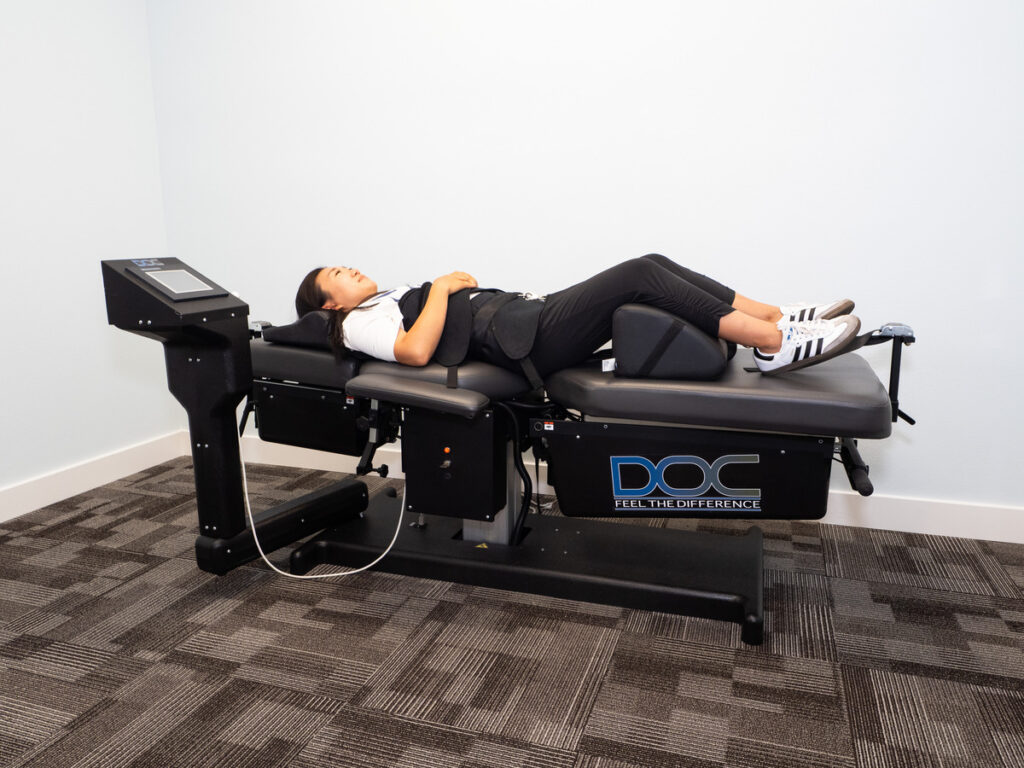
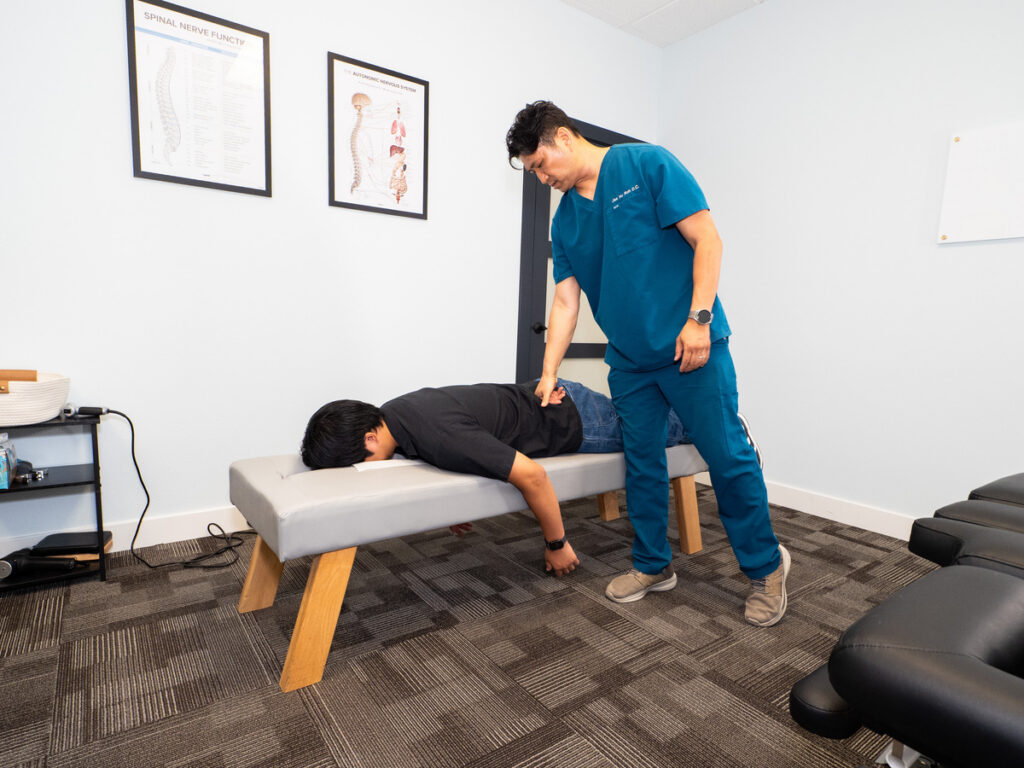
As a chiropractor, I want to emphasize that chiropractic care offers a natural and effective approach to alleviating both neck pain and migraines. Regular adjustments can help restore proper alignment in the spine, reduce tension in the neck, and ultimately provide relief from headaches.
Here are some practical strategies to help manage neck tension and support your overall wellness:
- Chiropractic Adjustments: Regular visits to a chiropractor can help identify and correct misalignments in your spine that may be contributing to neck pain and migraines. Adjustments promote better spinal health, which can lead to a decrease in headache frequency and intensity.
- Posture Awareness: Pay attention to your posture, especially if you spend long hours sitting at a desk or using a phone. Keeping your neck aligned with your spine can significantly reduce tension. Remember to take breaks and stretch throughout the day.
- Gentle Stretching: Incorporate gentle neck stretches into your daily routine. Simple movements like tilting your head from side to side or rolling your shoulders can help alleviate tension.
- Heat Therapy: Applying a warm compress or heating pad to the neck can help relax tight muscles, making it easier to manage discomfort.
- Stay Hydrated: Dehydration can contribute to headaches. Ensure you drink enough water throughout the day to keep your body well-hydrated.
- Stress Management: High stress levels can lead to muscle tension and trigger migraines. Practicing relaxation techniques, such as deep breathing, meditation, or yoga, can help reduce stress and promote overall wellness.
- Regular Exercise: Engaging in regular physical activity can strengthen neck and shoulder muscles, improve flexibility, and reduce tension. Find activities you enjoy and make them a part of your routine.
By focusing on these natural strategies and seeking chiropractic care, you can take an active role in managing neck pain and migraines. Remember, the goal is to address the underlying issues rather than relying on temporary fixes. With the right approach, you can find lasting relief and enhance your overall quality of life.
Key Takeaways
Addressing neck pain through chiropractic care is one of the most effective ways to alleviate migraine symptoms. Chiropractic adjustments work by reducing muscle tension and improving spinal alignment, which can lead to fewer and less intense migraines.
In addition to chiropractic care, incorporating regular stretching exercises into your routine can also be beneficial. Simple neck tilts and chin tucks help relieve tension in your neck and are great for preventing migraines.
Paying attention to your posture is crucial, especially if you spend long hours at a desk. An ergonomic workspace setup can prevent neck strain that often triggers migraines, so make sure your chair and desk are set up to support your body properly.
While we focus on natural healing, incorporating herbal remedies like ginger and turmeric can be a great addition to your wellness routine. These herbs are known for their anti-inflammatory properties and can help reduce tension without the need for medication.
Don’t underestimate the power of regular massage therapy. It offers immediate relief from neck discomfort and works hand-in-hand with chiropractic care to enhance your overall wellness.
Remember, taking care of your neck health is essential for migraine prevention. By prioritizing chiropractic care and making small adjustments to your daily routine, you can pave the way for a healthier, more comfortable life.
Understanding the Connection Between Neck Pain and Migraines
When it comes to experiencing migraines, it’s important to understand how neck pain can contribute to your discomfort. The muscles in your neck have a significant impact on your overall tension levels. When these muscles are tight or strained, they can trigger migraine episodes or worsen existing pain. Common culprits include poor posture, extended hours at the computer, or stress, which can all lead to neck pain and amplify your migraine symptoms.
Additionally, the nerves in your neck are closely connected to your head. Any irritation in this area can send signals that make your migraine worse. If you find that neck stiffness often accompanies your headaches, it’s a clear indication that addressing this issue could help relieve your migraines.
Chiropractic care is a natural and effective way to manage both neck pain and migraines. Regular adjustments can help reduce muscle tension, improve spinal alignment, and enhance nerve function. This holistic approach not only addresses the symptoms but also targets the root causes of your discomfort.
To help alleviate neck pain and potentially reduce migraine occurrences, consider these tips:
- Maintain Good Posture: Be mindful of your posture while sitting at your desk or using your phone. Keep your shoulders relaxed and ensure your screen is at eye level.
- Take Frequent Breaks: If you work on a computer for long periods, take breaks to stretch your neck and shoulders. Simple neck rolls or gentle stretches can help relieve tension.
- Stay Hydrated: Dehydration can contribute to headaches, so make sure you’re drinking plenty of water throughout the day.
- Practice Stress Management: Engage in relaxation techniques such as deep breathing, yoga, or meditation to help reduce overall tension in your body.
- Consider Chiropractic Care: Regular visits to a chiropractor can help keep your spine and neck aligned, reducing the likelihood of muscle tension and nerve irritation that can lead to migraines.
Stretching Exercises to Relieve Neck Tension
Neck tension can significantly worsen migraine symptoms, making it crucial to integrate effective stretching exercises into your daily routine. As a local chiropractor, I want to emphasize the importance of maintaining a healthy spine and neck to promote overall wellness and alleviate discomfort naturally.
Start with neck tilts: gently drop your right ear toward your right shoulder and hold for 15 seconds. This simple stretch can help relieve tightness and increase mobility. Switch sides and repeat to ensure balanced relief.
Next, try chin tucks: sit up straight, pull your chin back gently, and hold for five seconds. This exercise not only helps strengthen your neck muscles but also improves alignment, which is vital for reducing pain in the long term.
For a shoulder stretch, clasp your hands behind your back and gently lift them while keeping your shoulders down. Hold for 15 seconds. This stretch can help release tension in the upper back and shoulders, areas that often contribute to neck pain and migraines.
Finally, incorporate gentle neck rotations by turning your head to the right, holding for five seconds, and then to the left. This movement can enhance flexibility and reduce stiffness.
Remember to breathe deeply throughout each stretch, as proper breathing can enhance relaxation and the effectiveness of the exercises. Aim to perform these stretches daily to help release tension and lower the frequency of migraines. Consistency is key to achieving relief from neck tension and its impact on migraines.
In addition to these exercises, consider scheduling regular chiropractic visits. Chiropractic care can help align your spine, improve your posture, and alleviate tension in a natural way.
Posture Correction Techniques for Migraine Prevention
Maintaining good posture is crucial for preventing migraines, as improper alignment can lead to unnecessary strain in your neck and shoulders. By integrating posture correction techniques into your daily routine, you can significantly reduce the frequency of migraines and enhance your overall well-being. As a chiropractor, I believe that natural healing through proper spinal alignment is the best approach to achieving optimal health.
Here are some effective strategies to help you improve your posture and keep those migraines at bay:
| Technique | Description |
|---|---|
| Desk Ergonomics | Ensure your chair and monitor are at the right height. Your screen should be eye level to keep your neck in alignment with your spine. |
| Chin Tucks | Gently retract your chin toward your neck, aligning your head with your shoulders. This simple exercise can relieve tension in your neck. |
| Shoulder Relaxation | Roll your shoulders back and down to release built-up tension. This movement helps promote relaxation and better posture. |
| Frequent Breaks | Set a timer to remind yourself to take short breaks. Stand up, stretch, and reset your posture throughout the day to avoid stiffness. |
Incorporating these techniques into your daily life can lead to greater health and wellness. Chiropractic care offers a holistic approach to pain relief, emphasizing the importance of spinal alignment for overall health. Remember, small adjustments in your posture can lead to significant changes in how you feel. Prioritize your spinal health, and you may find relief from migraines and other discomforts naturally!
The Role of Physical Therapy in Managing Neck Pain
Chiropractic care plays a vital role in managing neck pain, offering natural and effective techniques to reduce discomfort and encourage healing. When you visit a chiropractor, they’ll assess your condition and create a personalized treatment plan that focuses on your specific needs. This plan might include gentle adjustments to align your spine and alleviate tension in your neck muscles.
In addition to spinal adjustments, chiropractors often use various manual therapy techniques, such as soft tissue manipulation, to help reduce pain and improve your range of motion. They’ll also provide you with valuable strategies to manage your neck pain at home, like tips for maintaining good posture and simple stretching routines that can enhance your flexibility.
Incorporating chiropractic care into your wellness routine not only addresses your current neck pain but also empowers you with the knowledge and tools to prevent future issues. By taking an active role in your recovery, you may experience a significant reduction in neck pain, which can also help lessen the frequency and intensity of migraines.
Here are some general tips to help you manage neck pain and promote spinal health:
- Maintain Good Posture: Be mindful of your posture, especially when sitting at a desk or using your phone. Keep your shoulders back and your head aligned over your spine.
- Take Breaks: If you work at a computer, take regular breaks to stretch your neck and shoulders. Simple neck rolls and shoulder shrugs can relieve tension.
- Stay Active: Engage in regular physical activity to strengthen your neck and back muscles. Activities like yoga or swimming can be particularly beneficial.
- Use Ergonomic Furniture: Invest in a good chair and desk setup that supports your spine and allows for a comfortable working position.
- Stay Hydrated: Drink plenty of water to keep your muscles and joints hydrated, which can help reduce stiffness.
Alternative Treatments for Neck Pain and Migraines
When it comes to finding relief from neck pain and migraines, chiropractic care stands out as one of the most effective and natural methods. Chiropractors focus on spinal health, which is crucial for overall well-being. By aligning the spine and addressing any misalignments, we can help alleviate pain and promote natural healing in the body.
In addition to chiropractic adjustments, many patients find that incorporating practices like yoga and mindfulness meditation can enhance their flexibility and reduce stress, further supporting their recovery. These gentle exercises can complement chiropractic care by improving body awareness and relaxation.
Herbal remedies, such as ginger and turmeric, are also worth considering, as they can help reduce inflammation and tension without the need for medications. Essential oils like peppermint and lavender can provide soothing effects, which may enhance your comfort during your healing journey.
Regular massage therapy can be beneficial as well, helping to relieve muscle tension in your neck and providing immediate relief. However, it’s important to remember that these therapies work best when combined with regular chiropractic care, which addresses the root causes of pain.
Lifestyle changes can also play a significant role in managing neck pain and migraines. Simple steps like improving your posture, staying hydrated, and engaging in regular exercise can have a lasting impact on your health.
Remember, a strong foundation starts with a healthy spine, and chiropractic care is the key to achieving that optimal health.
Conclusion
Incorporating chiropractic strategies can significantly alleviate neck pain, which is often a contributing factor to migraines. By focusing on gentle spinal adjustments, improving posture, and engaging in targeted stretching exercises, you can take charge of your discomfort and promote natural healing.
Chiropractic care not only addresses neck pain but also enhances overall wellness, helping you feel more balanced and energized. Remember, seeking regular chiropractic adjustments can improve your spinal alignment and reduce tension in the neck and upper back, which can lead to fewer migraines.
In addition to chiropractic treatments, consider incorporating simple habits into your daily routine, such as taking breaks to stretch if you sit for long periods, practicing good posture while working, and staying hydrated. These small changes can make a big difference in your neck health and overall well-being.
Stay proactive in your health journey, and you’ll discover that chiropractic care is a powerful resource for achieving optimal health and lasting relief from migraines.