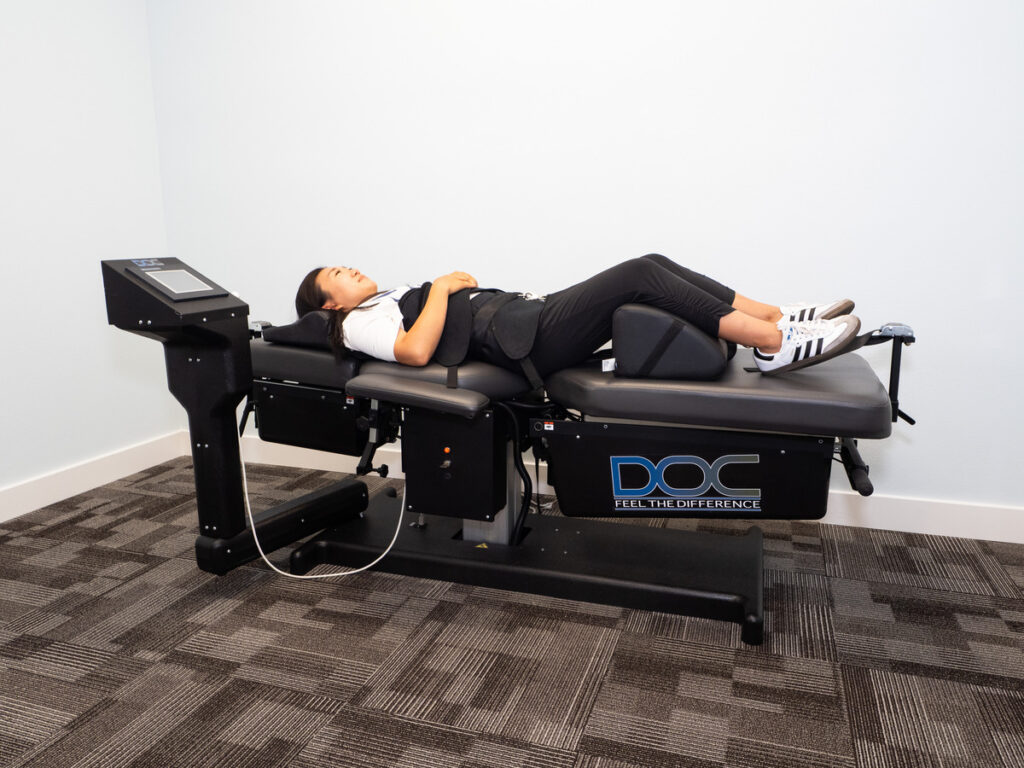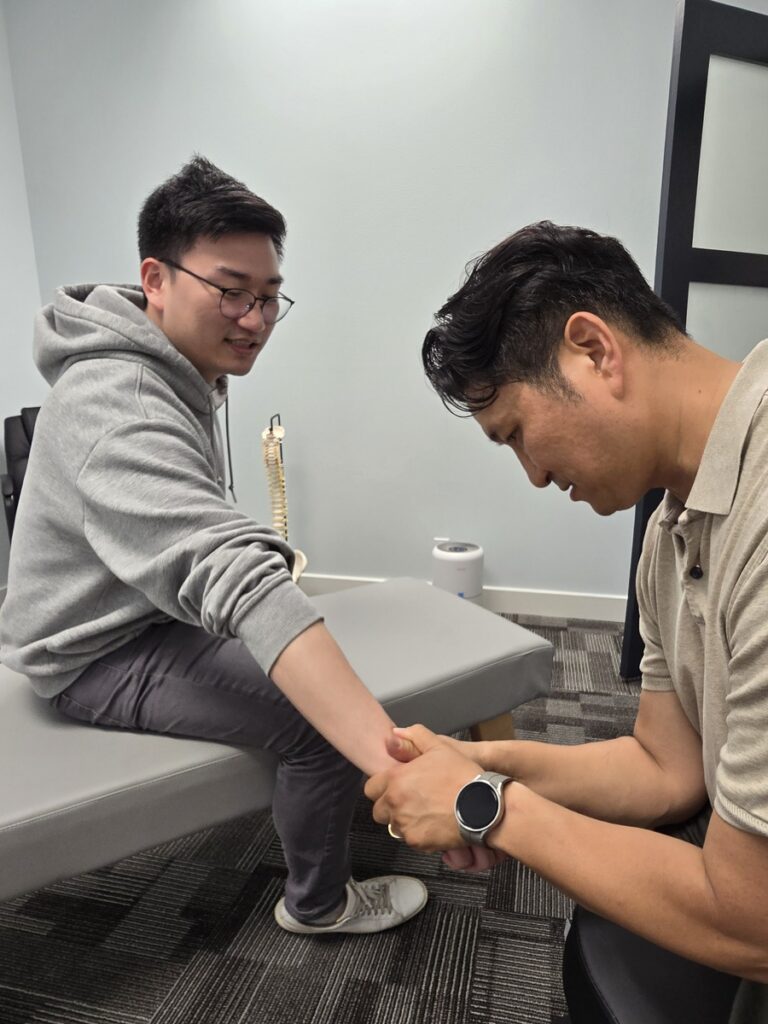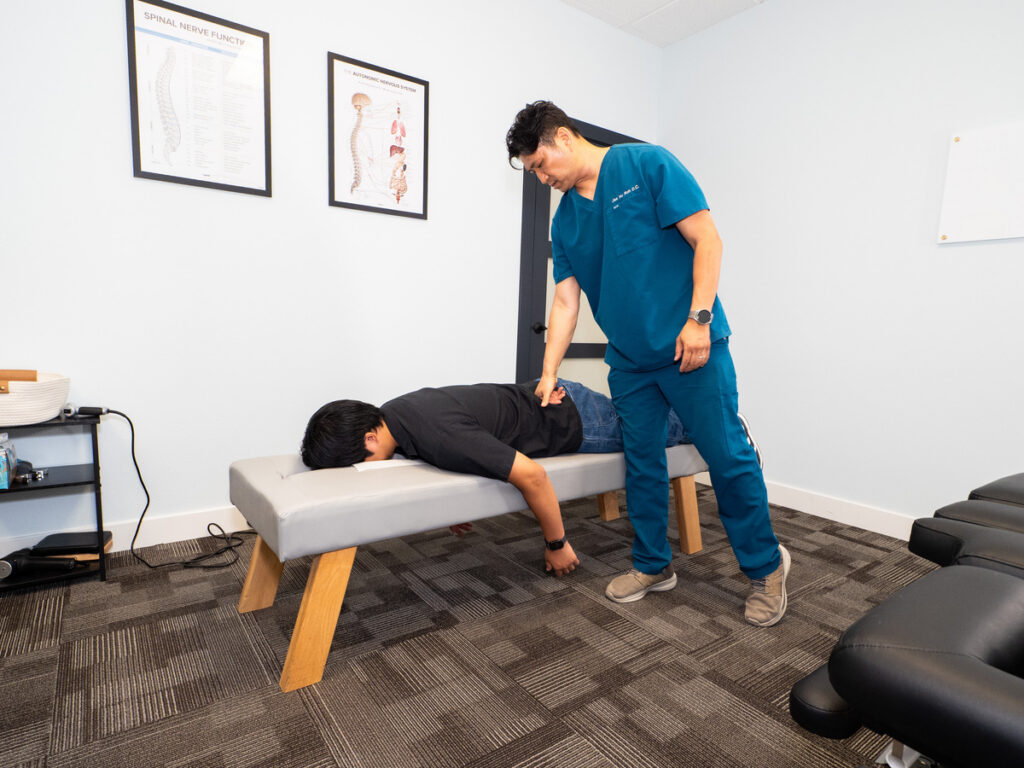

Back pain is a common issue that affects countless individuals and can significantly disrupt your daily life. As a chiropractor, I want to help you understand the underlying causes of your discomfort, which is the first step toward finding effective relief. Whether it stems from tight muscles, poor posture, or a specific injury, there are numerous natural pathways we can explore together.
Chiropractic care focuses on the relationship between your spine and your nervous system, which plays a crucial role in your overall health. By addressing misalignments in your spine through gentle adjustments, we can alleviate tension, improve mobility, and promote healing. Additionally, I emphasize the importance of lifestyle changes, such as incorporating proper ergonomics, strengthening exercises, and stretching routines, which can help prevent future pain.
As we work together, you will discover various strategies tailored to your unique situation that can truly enhance your journey toward comfort and well-being. Embracing a holistic approach to healing not only addresses your back pain but also fosters a healthier lifestyle overall. Let’s embark on this path to relief together!
Understanding the Causes of Back Pain
As a local chiropractor, I want to help you understand the various causes of back pain so you can take proactive steps towards healing. Many of you may not realize that discomfort can arise from muscle strains, which often happen when lifting heavy objects or making sudden movements.
Additionally, poor posture—whether you’re sitting at a desk or standing—can put excessive stress on your spine, leading to chronic pain over time.
It’s important to recognize that certain medical conditions, like herniated discs or arthritis, can also cause nerve compression, resulting in sharp or radiating pain that can be quite debilitating.
Lifestyle factors play a significant role as well; being overweight or leading a sedentary lifestyle can worsen your back issues. Surprisingly, emotional stress can contribute to physical discomfort as well, causing your muscles to tighten and lead to further pain.
By identifying these underlying causes of your back pain, you can take control of your health and make informed choices to alleviate your discomfort.
I encourage you to pay close attention to your body and consider making adjustments to your daily routine that prioritize your back health. A holistic approach—including chiropractic care—can empower you to find relief and promote long-term wellness.
The Role of Physical Therapy in Recovery
Once you’ve pinpointed the underlying causes of your back pain, it’s crucial to explore holistic recovery options. Chiropractic care is an essential component of your healing journey.
As a local chiropractor, I’ll evaluate your condition and create a customized treatment plan that suits your individual needs. Through specific adjustments and manipulation techniques, we aim to restore proper alignment, which can alleviate pain and prevent future issues.
You will also learn about proper body mechanics, ensuring that your daily activities don’t worsen your discomfort. Techniques such as spinal adjustments and soft tissue therapy are designed to provide immediate relief and improve your range of motion.
Regular visits to our clinic foster a sense of accountability, helping you stay motivated and committed to your recovery.
Moreover, I’ll educate you on the importance of posture and ergonomics, which are vital for long-term relief from pain. By taking an active role in your chiropractic care, you empower yourself to regain control over your health and well-being.
Remember, consistency is essential—stick with your chiropractic plan, and you’re likely to experience significant improvements in your back pain.
Together, we can work towards a healthier, pain-free life through natural healing.
Medications and Alternative Treatments
As a local chiropractor, I understand that dealing with back pain can be challenging, and finding the right relief is crucial for your well-being.
While many people often turn to prescription pain relievers or over-the-counter medications, I encourage you to also consider the benefits of chiropractic care and holistic healing practices.
Chiropractic care focuses on the alignment of your spine and overall musculoskeletal health, which can play a significant role in alleviating back pain.
By addressing the root causes of discomfort rather than just masking the symptoms with medication, we aim to promote long-term healing and improve your quality of life.
In addition to chiropractic adjustments, holistic treatments like massage therapy, acupuncture, and exercise can complement your care and support your body’s natural healing processes.
Each approach has its unique advantages, and together, they can provide a comprehensive solution tailored to your needs.
Let’s explore these options further to find the best path towards your pain relief and overall health.
Prescription Pain Relievers
As you navigate your journey toward relief from back pain, it’s important to explore various options, including chiropractic care and natural healing methods.
Here are three approaches to consider that can complement your recovery:
- Chiropractic Adjustments: These hands-on treatments focus on aligning the spine and improving overall function, which can significantly reduce pain and enhance mobility.
- Soft Tissue Therapy: Techniques such as massage and myofascial release can help ease muscle tension and promote relaxation, allowing for a smoother healing process.
- Lifestyle and Nutritional Guidance: Incorporating healthy lifestyle choices, including proper nutrition and exercise, can support your body’s natural healing abilities and reduce the likelihood of future pain.
I encourage you to consult with a chiropractor to discuss a personalized plan that suits your specific needs.
Over-the-Counter Options
As a local chiropractor, I want to emphasize the importance of exploring all avenues for managing back pain, including over-the-counter options. While chiropractic care and natural healing methods are effective, don’t underestimate the benefits of common over-the-counter medications.
Nonsteroidal anti-inflammatory drugs (NSAIDs) like ibuprofen and naproxen can be very helpful in reducing inflammation and alleviating discomfort. Another option is acetaminophen, which provides pain relief without the anti-inflammatory effects.
In addition to oral medications, topical treatments such as creams or patches containing menthol or capsaicin can offer localized relief right where you need it. Utilizing heat wraps or cold packs can also be quite effective in easing muscle tension and reducing inflammation.
Some of my patients have also found relief through dietary supplements like turmeric or omega-3 fatty acids, which are known for their anti-inflammatory properties.
However, it’s essential to consult with your healthcare provider before starting any new medication or supplement to ensure it’s safe and suitable for your individual health needs.
Holistic Healing Practices
As a local chiropractor, I want to introduce you to some holistic healing practices that can effectively manage back pain without relying solely on conventional medications.
These approaches focus on treating the whole person, addressing underlying issues rather than just masking symptoms. Here are three options you might find beneficial:
- Acupuncture: This time-honored Chinese method involves the insertion of thin needles at specific points in the body. It’s designed to stimulate healing and help reduce pain, making it a great complementary option for back pain management.
- Yoga: Incorporating yoga into your routine can greatly enhance your flexibility and strengthen your muscles. It also promotes relaxation, which can be incredibly helpful in alleviating back pain and preventing future issues.
- Massage Therapy: Therapeutic massage is another valuable tool in managing back pain. It can improve circulation, relieve muscle tension, and provide immediate relief from discomfort, allowing you to feel more comfortable and mobile.
By integrating these holistic practices into your everyday life, you can take a proactive approach to managing your back pain and enhancing your overall well-being.
As your chiropractor, I’m here to support you on this journey towards a healthier, pain-free life.
Lifestyle Modifications for Prevention
As a local chiropractor, I want to share some valuable insights on how simple lifestyle modifications can significantly reduce your risk of developing back pain.
First and foremost, let’s talk about posture. Whether you’re sitting at a desk, standing in line, or lifting items, maintaining proper alignment is crucial. Good posture not only alleviates stress on your spine but also promotes overall well-being. I encourage you to evaluate your workspace and make it ergonomic; adjusting your chair and desk height can go a long way in enhancing your comfort and minimizing strain.
It’s also important to incorporate regular breaks into your daily routine. Standing up and stretching every hour can keep your muscles relaxed and prevent stiffness, which is vital for spinal health.
Additionally, maintaining a healthy weight through balanced nutrition is key; excess weight can exert extra pressure on your back, leading to discomfort.
Don’t forget the importance of hydration! Drinking enough water supports spinal health by ensuring your discs function properly.
Lastly, I must emphasize the negative effects of smoking; it can impair blood flow to your spine, hinder healing, and increase your risk of pain.
Exercises to Strengthen Your Back
As a local chiropractor, I want to share with you the importance of strengthening your back through a holistic approach that emphasizes core stability, flexibility, and resistance training.
These exercises are essential not only for building muscle strength but also for improving your overall posture and alleviating pain.
Core stability exercises help to create a strong foundation for your spine, which is crucial for maintaining proper alignment and preventing injury.
Flexibility routines, such as stretching, can enhance your range of motion and reduce tension in the muscles surrounding your spine.
Lastly, resistance training builds the muscles that support your back, ensuring that they can withstand daily stresses.
By incorporating these components into your routine, you can foster a healthier back and promote overall well-being.
Remember, a strong back is key to a pain-free and active lifestyle!
If you have any questions about specific exercises or how chiropractic care can support your journey to better back health, feel free to ask!
Core Stability Exercises
As a local chiropractor, I want to emphasize the importance of strengthening your core for alleviating back pain and enhancing overall stability. A robust core is vital because it supports your spine, reduces strain, and helps prevent injuries.
Here are three effective core stability exercises that I recommend incorporating into your daily routine:
- Plank: Begin by holding a plank position, ensuring that your body forms a straight line from your head to your heels. Start with holding this position for 20-30 seconds, and as you build strength, aim to gradually increase the duration.
- Bird-Dog: Get down on all fours, and from this position, extend one arm forward while simultaneously extending the opposite leg straight back. It’s crucial to keep your back flat throughout the movement. Hold this position for a few seconds, then switch sides.
- Dead Bug: Lie on your back with your arms extended toward the ceiling and your knees bent at a 90-degree angle. Gently lower one arm and the opposite leg toward the floor, making sure to keep your back pressed against the ground. Return to the starting position and repeat on the other side.
Incorporating these exercises into your routine can significantly help in building a stronger, more stable core, which is essential for your overall health and well-being.
If you have any questions or need assistance with these exercises, don’t hesitate to reach out during your next visit.
Flexibility and Stretching
As a local chiropractor, I want to emphasize the importance of not only strengthening your back but also incorporating flexibility and stretching exercises into your routine. These practices are vital for enhancing your range of motion and supporting your overall spinal health.
When you regularly engage in stretching, you improve your muscle elasticity and reduce stiffness, which can help prevent injuries and alleviate discomfort.
I recommend focusing on stretches that target key areas such as your hamstrings, hip flexors, and lower back. Gentle movements like the cat-cow stretch or child’s pose can be particularly effective in relieving tension and promoting relaxation.
It’s crucial to hold each stretch for at least 20-30 seconds while breathing deeply to maximize the benefits.
Remember, consistency is essential in this process—aim to incorporate stretching into your daily routine or at least several times a week.
With dedication, you’ll likely notice a gradual improvement in your flexibility along with a reduction in back pain.
Resistance Training Benefits
As a local chiropractor, I want to share the significant benefits of incorporating resistance training into your wellness routine, especially for improving back strength and overall stability.
Many of my patients have found that by engaging in specific resistance exercises, they can alleviate pain and enhance their posture and mobility.
Here are three important advantages you can expect:
- Increased Muscle Strength: Strengthening the muscles in your back provides essential support for your spine, which can significantly lower the risk of injury. This is crucial for maintaining a healthy spine and preventing issues that may lead to discomfort.
- Improved Stability: A robust back plays a vital role in enhancing your balance and stability. This improvement allows you to perform your daily activities with greater ease and confidence, reducing the likelihood of falls or accidents.
- Enhanced Flexibility: Resistance training also promotes flexibility in the back muscles, which helps prevent stiffness and discomfort. This flexibility is essential for maintaining a full range of motion and overall spinal health.
By making resistance training a regular component of your fitness plan, you can take proactive steps towards overcoming back pain and fostering a healthier lifestyle.
If you’re new to chiropractic care or natural healing, I’m here to guide you in this journey to better health.
When to Seek Professional Help
When should you consider visiting a chiropractor for your back pain? If your discomfort persists for more than a few days and starts interfering with your daily activities, it’s a good idea to reach out to a healthcare professional, like a chiropractor. We specialize in assessing and addressing back pain through natural, non-invasive methods.
You should definitely seek chiropractic care if your pain radiates down your legs or is accompanied by symptoms like numbness, tingling, or weakness. These signs can indicate nerve involvement that may be better managed with chiropractic adjustments.
Additionally, if you experience sudden weight loss, fever, or severe pain following an injury, don’t hesitate. These symptoms may suggest a more serious underlying issue that warrants immediate attention.
Persistent discomfort, especially if it seems to worsen over time, is another important sign that you should consult a chiropractor. We can help identify the root cause of your pain and recommend tailored treatment plans that may include spinal adjustments, exercises, and lifestyle modifications.