Share this episode:
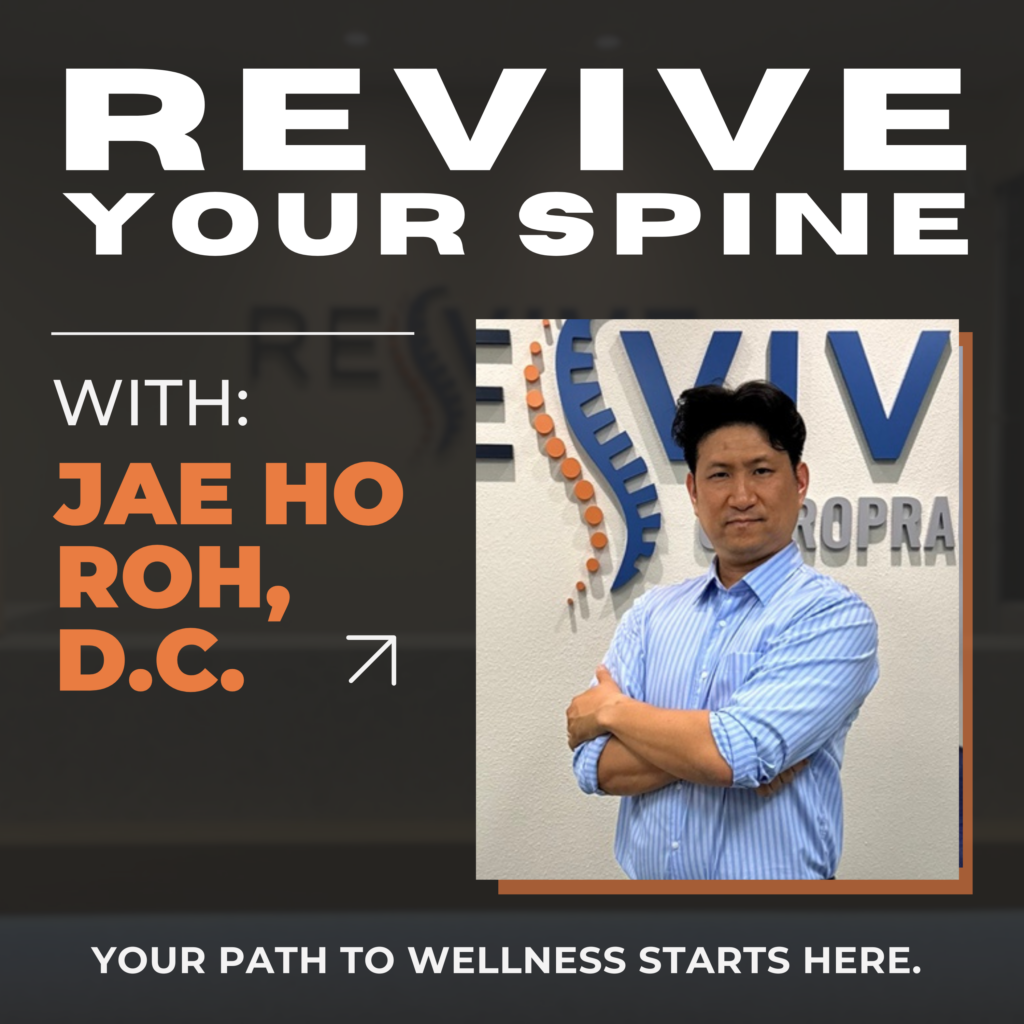
In this episode, Dr. Jae ho Roh, D.C. of Revive Chiropractic in Sunnyvale breaks down why recovery time after exercise is not a setback — it’s a critical part of your progress. Whether you’re a weekend warrior or a dedicated gym-goer, understanding how your body heals and rebuilds can make or break your fitness results. Dr. Jae ho Roh challenges the common mindset of “no days off” and explains the science behind why rest is just as important as the workout itself. Tune in to learn how smarter recovery habits can help you train harder, feel better, and avoid injury long-term.
Hey there, and welcome back. I’m doctor Jae ho Roh, chiropractor here at Revive Chiropractic in Sunnyvale. Thanks for tuning in today. Whether you’re a weekend warrior, a dedicated gym-goer, or just someone trying to stay active and healthy — this episode is for you. We’re talking about recovery time after exercise. And I know what some of you might be thinking. “I don’t have time to rest. I need to keep pushing.” I hear that all the time. But here’s the thing — recovery isn’t the opposite of progress. It actually is progress. So let’s dig into why that matters for your body, and what you can do about it starting today.
Let me break this down for you. When you exercise — whether that’s lifting weights, going for a run, or even doing yoga — you’re actually creating small amounts of stress and micro-damage in your muscles and tissues. Now, that’s not a bad thing. That’s the whole point. Your body responds to that stress by rebuilding stronger. But — and this is a big but — that rebuilding process happens during rest. Not during the workout itself. So if you’re constantly pushing without giving your body time to repair, you’re essentially tearing down without ever letting the construction crew finish the job.
Here’s what’s interesting. Your nervous system plays a huge role in recovery, and this is something I talk about a lot with my patients. After intense exercise, your body shifts into what’s called a high-demand state. Your heart rate is up, your muscles are fatigued, your nervous system has been working hard. For recovery to actually happen, your body needs to shift in the other direction — into that rest-and-repair mode. That shift doesn’t happen instantly. It takes time. And when people skip that process over and over again, that’s when we start to see overuse injuries, chronic tension, joint stress, and burnout. I see this pattern in my office more than you might expect.
Now, here’s the thing about your spine specifically. Exercise puts load on your joints and spinal structures. That’s normal and actually beneficial when done right. But your spinal discs, your facet joints, the muscles along your back — they all need adequate recovery just like any other tissue. When recovery is cut short, small dysfunctions can build up over time. What starts as a little tightness in your lower back or a stiff neck after the gym can gradually turn into something that’s harder to ignore. Catching those patterns early makes a huge difference.
So what can you actually do starting today? A few simple things. First, build rest days into your weekly routine — genuinely scheduled rest, not just skipping the gym because you’re exhausted. Second, prioritize sleep. This one sounds obvious, but most people underestimate how much tissue repair happens during deep sleep. Third, pay attention to how your body feels the day after a hard workout. Some soreness is normal. Sharp pain, persistent stiffness, or discomfort that lingers more than a few days — that’s your body asking for attention.
Hydration and gentle movement on recovery days also go a long way. Light walking, stretching, or some easy mobility work can actually help your body recover faster than just sitting still. You don’t have to be completely inactive on rest days — you just want to give your harder-working tissues a break.
And here’s when I’d encourage you to come see us. If you’re noticing recurring soreness in the same spot, if your range of motion feels limited, if you’re compensating when you move — maybe favoring one side, walking a little different — those are signs worth having evaluated. A chiropractic assessment can help identify areas where your body isn’t moving the way it should, so we can address those things before they become a bigger problem.
Recovery is a skill, just like training is a skill. And when you take it seriously, everything else improves — your performance, your energy, your long-term health. You put in the work. Let your body keep up with you.
Thanks so much for listening today. I’m doctor Jae ho Roh at Revive Chiropractic in Sunnyvale, California. If this resonated with you, or if you’ve been dealing with something that just hasn’t gone away, we’d love to help. Give us a call or stop by — we’re here for you. Take care of yourselves, and I’ll talk to you next time.

I highly recommend Revive Chiropractic and Dr. Roh to anyone looking for a chiropractor. My husband and I have been visiting Dr. Roh for nearly 2 months now and every visit has been a positive difference. Our experience from the beginning has been smooth and highly professional. He patiently listens to all our issues without rushing us, takes time not only fixing it but also to explain the underlying cause. We truly appreciate his expertise and knowledge.

Dr Roh has been great for me. I came in with back pain and feel much better after each treatment.

It was great experience seeing dr. Roh I feeling much better after seeing dr. Roh😊

Dr.Roh is excellent, the adjustments helped my vision not be blurry, which was amazing, relieve so much tension and the whiplash is going away. I appreciate going every time and feel I really needed to be adjusted by someone who is great at what they do. Thanks again Dr.Roh, I appreciate you, 100 percent with your help, the nice office waiting room with snacks and water bottles are a plus with getting the much needed help I get. My spine feels balanced and I feel so much better and aligned after.

Was able to slip me into the schedule last minute for an adjustment to take care of a pinch in my neck!

I see Dr.Roh and he is excellent and adressed my lower back issues.

Dr Roh did a great job, came with neck issues, feels better now!

I’m a new patient here and Dr. Roh made me feel very comfortable from the first visit. I’ve been going to chiropractors my whole life and felt like I was in good hands as soon as I walked in. I love all the options he offers for treatment and have tried them all so far. I will be bringing my wife and kids here as well. Scott D

Dr. Roh was outstanding, I explain my pain in my lower back, he knew exactly what I was going through.<br>He adjusted my back and Felt the difference right away.<br>When I come back to town, this will be my “must” stop before going back home.

Dr. Roh is fantastic. Very happy that he's treating me. Extremely knowledgeable and able to work with my injury.

Chronic case of sciatica. Dr Roh has been able to slowly eliminate the major discomfort. Now Im able to work full physical days at work, lately . Hoping to eliminate all pain by the time Im wrapped up with Dr Roh. Thank you Dr Roh !!

Doctor Roh may seem quick but you don't want to waste time. Well worht the visit!

Dr. Roh has been so helpful since my car accident. My low back has feeling much better since coming here. I highly recommend revive chiropractic to anyone who is suffering from low back pain.

Dr. Jae Ho Roh is awesome. Help me soo much. Nice human being.

Great chiropractor. I’d been having some shoulder and back issues for a prolonged period, probably from desk work and weekend sports. Dr. Roh put me on a program for 2x/week for a while. He makes a few tactical adjustments each time and it’s worked well for me! Will continue to see Dr. Roh for general upkeep. I’m happy with the value and service at Revive chiropractor!

I have been seeing Dr. Roh for the last one month. I started having lower back pain in the morning, and I managed to work through the day. I scheduled an urgent appointment with Dr. Roh. He kindly accommodated my schedule and saw me. I continue seeing him once a week. After last week treatment, my whole body felt relaxed, tightness went away. His office assistant is very friendly too. I highly recommend Dr. Roh!

I was searching for a chiropractor near my home and found Revive Chiropractic. From the moment I walked in, the experience was very positive. The doctor took the time to listen carefully to my concerns and explained everything clearly.<br><br>The treatment was gentle and effective, and I felt significantly better afterward. It’s clear that he truly cares about his patients and focuses on helping them feel comfortable during the process.<br><br>If you’re looking for a chiropractor who is knowledgeable, attentive, and compassionate, I would definitely recommend Revive Chiropractic.

Dr. Roh at Revive Chiropractic is amazing. He helped me recover from a lower back workout injury with a great adjustment, a solid recovery plan, and helpful tips for a faster turnaround. Professional, knowledgeable, and highly effective!

Doc Roh is really nice and I feel better after treatment

While I was researching chiropractors in my area, I came across Dr. Roh. I came in for an evaluation, and have been receiving care for him for sometime now. He listened to my areas of concern, and took the time to explain my pain, and created a treatment plan for me. My pain has decreased significantly! Dr. Roh is attentive, compassionate, and professional. I, highly, recommend him.

Came in with really bad, lower back pain, thinking it was sciatica Help me figure out it was more of a pinched nerve after a few visits feeling a lot better

I’m very impressed with Dr Roh’s office. I came in with severe sciatica pain and weakness in lower extremities. After a few weeks I’ve already seen improvement in my mobility and the amount of time I can function on my feet. I’m excited to see what the next few months bring as I’ve never found relief for my symptoms until now. I definitely endorse Dr Roh for anyone that is having any issues with their back.

Came with so much back pain which has now cured with proper treatment. 100% recommend it!

I was injured in a Car accident and suffered from lower back pain. The Dr explained to me what the issue was and I understood more of the severity. Dr was very polite understanding and professional. Highly recommended him.

I had si-joint pain and pregnancy is making it worse. The chiropractor definitely helps with my condition. Unfortunately I could not stay here until close to my delivery so I had to find another provider when I moved to China.

I’m very grateful to have Dr. Roh helping treat my hip pain, which had been causing me years of discomfort. He provided a detailed and thoughtful treatment plan, and my hip pain has been gone for quite some time now. I continue to come in as part of a long-term recovery plan and couldn’t be more satisfied with the care I’ve received.

I had a good experience in this clinic and Dr.Roh was very helpful explaining all the process.

Dr Roe is very good pays attention to your input and addresses your problems have had good results recommend him highly

This place completely healed my chronic neck pain. Dr. Jae is incredibly kind, caring and just overall an excellent doctor. Highly recommended!

Dr.Roh has helped myself and my Dad with our back problems. He listens and explains the best treatment for you. Would highly recommend Dr.Roh.

Dr. Roh is wonderful to work with. Cordial and professional at all times. I came in two weeks ago after weeks of chronic migraines, having been to urgent care and the emergency room multiple times because my regular meds weren’t working. Dr. Roh has given me great relief. He offered multiple treatment options with no pressure tactics, and his office manager, Hannah is lovely.

I found Dr. Roh from Google and saw he had 5 star review and luckily was able to book a same day adjustment/exam. My back was treated with three different adjustment methods and fixed by the next day! I highly recommend Dr. Roh as a professional and experienced doctor.

Very grateful for Dr. Roh. We just moved to the area and were looking for a good chiro, and I’m so glad we found this place. The clinic is clean, welcoming, and I always feel relieved after each visit. I came in with a stiff lower back and neck, and every session has helped so much.

I’m a big guy 6.2 250 pounds<br>Not a lot of chiropractor I’ve went to was able to adjust my body so well. Knowing doc can do it for me he surly can do it for everyone. Clears my brain fog and my stiff neck and back.

Dr. Roh was great. I was traveling to town for work and had a back injury that needed urgent attention and Revive was able to help me the same day. Thanks!

Great experience. The doc is very friendly and very helpful

I went to Dr Roh for a stiff neck after bad sleeping posture. He fixed the immediate pain after 2 treatments. Then the longer term treatment helped me gradually feel even better as I had the bad posture for a long time.

They have always taken care of me y'all should definitely reach out and get your adjustments done right.

Dr. Roh has been great helping me alleviate some chronic pain. His office is conveniently located off Lawrence Expressway in Sunnyvale and I highly recommend Revive.

Dr Roh and staff are absolutely great. Perfect friendly service with extreme professionalism. I highly recommend

It has been really helpful. My hip was causing a lot of pain and he has helped me tremendously. It has helped with other joint stiffness as well.

I was apprehensive about visiting a chiropractor and contemplated it for months to address my ailments. Dr. Roh understood the apprehension, addressed possible causes of my ailments and explained the treatment path clearly. The process has been great so far, and I’ve been feeling much better since the start of the treatment.

I highly recommend this chiropractic practice. I came in with multiple issues—an ankle, shoulder, and wrist injury—and am so pleased with the results. My mobility has improved significantly, and the treatment has been fantastic. The only downside is that they don't accept insurance, which can be inconvenient. However, they do offer discounted bulk packages, which helps with the cost.

“I had a great experience with Dr. Roh. From the moment I walked in, he was polite, attentive, and thorough. He took time to listen, explained the treatment plan in plain language, and checked in often to make sure I was comfortable. The adjustment was gentle yet effective - highly recommend!”

Dr Rho is great! I was in a huge amount of pain and he helped me heal! He explained the process well, and listened to my concerns.

I had severe lower back pain from the left side of body after throwing baseball. Came here once. He adjusted me. The pain slowly disappeared in 2 days after adjustment. Feel a lot better now. Would highly recommend Dr. Roh!!!

I was experiencing severe back pain and went to El Camino Hospital and later Stanford, but neither was able to pinpoint the cause. Then I found Revive Chiropractic with Dr. Roh. He took the time to explain the root of my pain, and within just one week, he helped me return to my normal routine. Dr. Roh is very friendly, knowledgeable, and I’m truly grateful I found him. I highly recommend him to anyone struggling with back or neck pain.<br>Thank you so much Dr. Roh

Dr. Roh has been amazing to work with. After suffering a neck/back injury in a car accident, Dr. Roh has been incredible in getting me back to normal. He’s thorough, professional, and talented. Highly recommend.

I've been having serious back pain from work and Dr. Roh helped tremendously. His lovely assistant Hannah was very transparent with me and helped with the overall process. Would give 10/10!

Go to Dr Roh if you have any Chiropractic concerns! He helps a lot on correcting my pelvic and shoulder imbalance!

Fantastic Dr.Roh , easy to talk too , knew exactly where to adjust , will continue to see him and refer him to my friends.

A few months ago, I was in a car accident and dealing with persistent neck and back pain that made it hard to do even the simplest tasks. Visiting, Dr. Roh at Revive Chiropractic has honestly been one of the best decisions for my recovery.<br>From the very first appointment, Dr. Roh was professional, and knowledgeable. He performed a thorough assessment and explained what I have been going through, and has answered my questions or concerns.<br>Over the past several weeks, the adjustments, have made a huge difference. My mobility has improved, the pain has significantly decreased, and I don’t constantly take Tylenol for the pain. My family and friends have noticed a difference in my posture. Beyond the treatment, Hannah, the receptionist has been very welcoming.<br>I would highly recommend Dr. Roh to anyone recovering from an accident or dealing with chronic pain.

I found this place for my back pain. And it been help me a lot. Especially the spinal compresses machine. That one help a lot. I been to 2 other places and it didn’t help nothing for the pain. I really recommend this place


