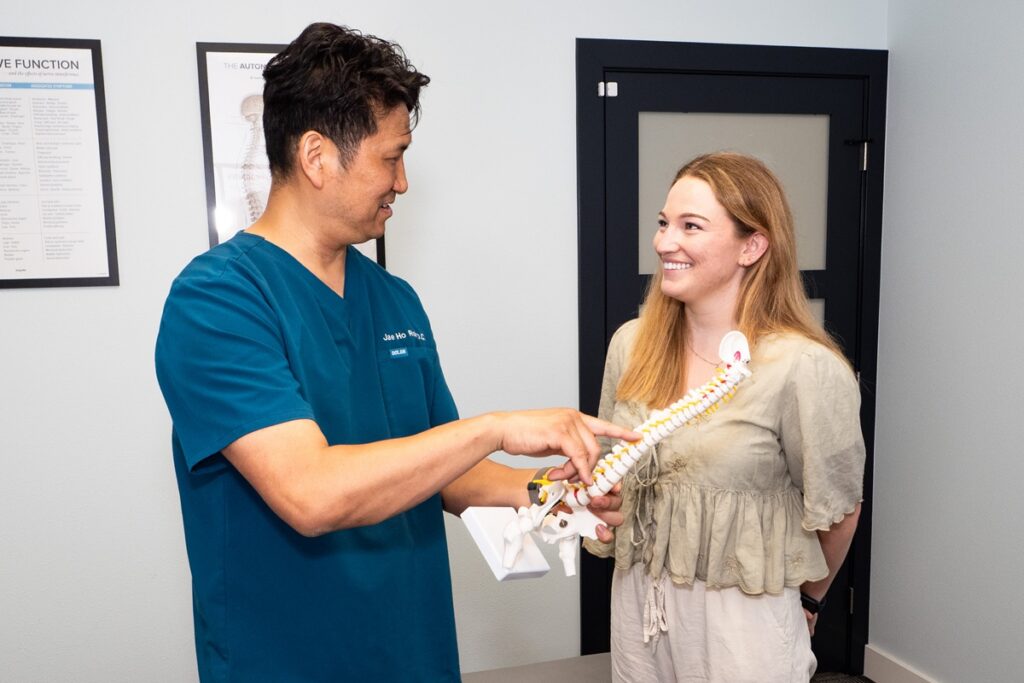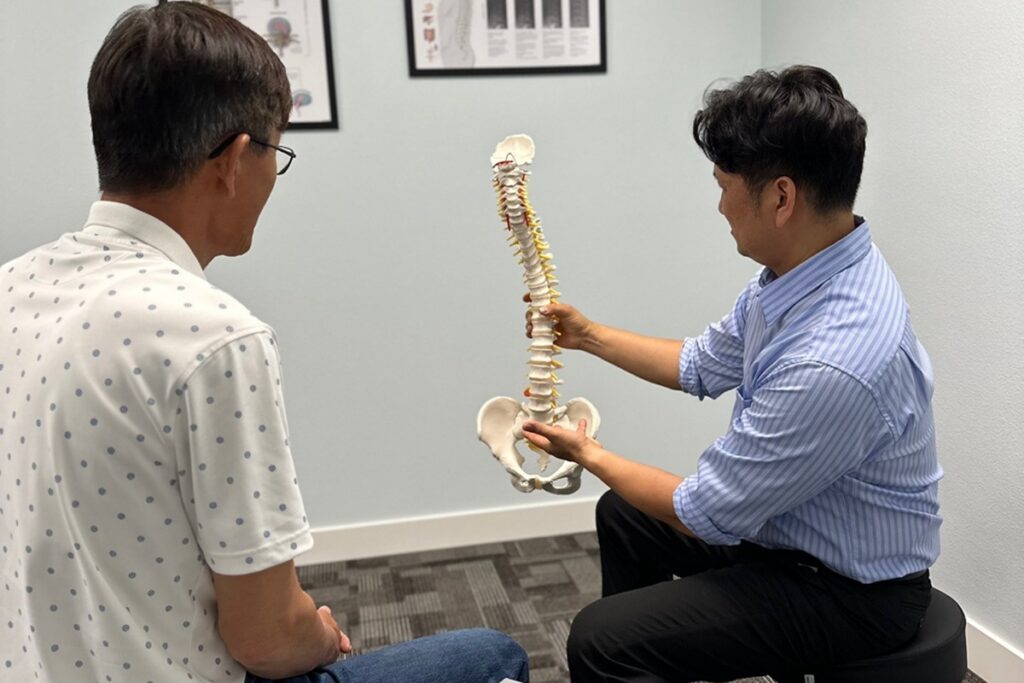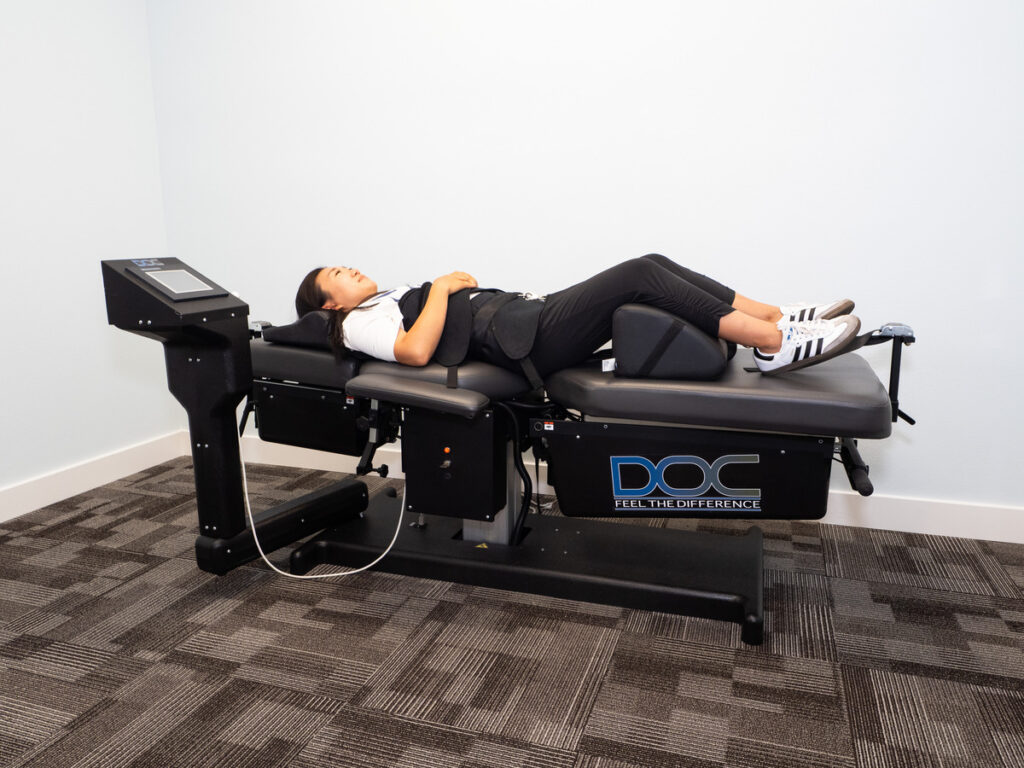

As your local chiropractor, I want to emphasize the significant role that posture plays in managing back pain effectively. When your body is aligned properly, it minimizes strain on your spine and muscles, which can lead to better outcomes in your pain treatment. Conversely, poor posture can worsen your discomfort and extend your recovery time. It’s crucial to understand this connection as you explore ways to enhance your back health.
So, what can you do to improve your posture? Simple changes in your daily routine can make a big difference. Here are a few steps to consider:
- Be Mindful of Your Sitting Habits: Ensure your chair supports your lower back, and keep your feet flat on the ground.
- Strengthen Your Core: Engaging in exercises that strengthen your core muscles can provide better support for your spine.
- Stay Active: Regular movement can help maintain flexibility and reduce the risk of stiffness that leads to poor posture.
- Practice Good Ergonomics: Whether at work or home, set up your workspace to promote a neutral spine position.
- Consider Chiropractic Adjustments: Regular visits to a chiropractor can help realign your spine and improve your posture over time.
By focusing on these steps, you can enhance your posture and, consequently, your overall back health. Remember, your journey to pain relief and improved well-being starts with understanding how your body works. Let’s work together to create a healthier, more aligned you!
The Link Between Posture and Back Pain
As your local chiropractor, I want to emphasize the crucial connection between your posture and back pain. Many people don’t realize that slouching or sitting incorrectly can lead to significant discomfort over time. Our spines aren’t built to handle the strain that comes from poor posture.
When you lean forward or hunch your shoulders, you disrupt the natural alignment of your spine, which may result in muscle strain and discomfort. Although you mightn’t feel the effects immediately, these habits can accumulate and become debilitating.
Every time you consciously choose to sit up straight or maintain proper posture, you’re actively supporting your back and easing the strain it endures. Simple adjustments, like ensuring your feet are flat on the floor and your back is straight, can have a remarkable impact.
It’s also beneficial to incorporate regular breaks to stretch and realign your body, as this helps alleviate tension and promote overall wellness.
By understanding the link between your posture and back pain, you can take proactive steps to enhance your comfort and overall health. Remember, even small changes in your posture can lead to significant relief!
If you have any questions or need guidance on maintaining proper posture, feel free to reach out for a consultation. I’m here to help you on your journey to better health!
How Poor Posture Contributes to Chronic Pain
As your local chiropractor, I want to emphasize how poor posture can significantly impact your overall health.
When your spine is misaligned, it can lead to muscle imbalances that put unnecessary strain on your body over time. This misalignment can result in chronic pain, which can affect your daily activities and quality of life.
It’s crucial to understand these effects so that we can work together to find relief and improve your posture.
Muscle Imbalance Effects
As a local chiropractor, I want to share some important information about muscle imbalances and how they can impact your health. Many of us spend countless hours in front of screens or hunched over desks, which can lead to muscle imbalances and chronic pain.
When your posture is compromised, some muscles become overworked while others weaken, creating tension and discomfort in your body. For instance, when your chest muscles are tight, they can pull your shoulders forward. Meanwhile, your upper back muscles may weaken and struggle to keep your spine in proper alignment.
This imbalance not only affects your movement but also puts additional strain on your spine, which can lead to persistent pain if not addressed. It’s crucial to recognize that these imbalances can worsen over time, so taking action is essential.
By incorporating specific stretches and strength exercises that target both tight and weak muscles, you can help restore balance in your body. This approach not only alleviates discomfort but also improves your overall posture, leading to better health and well-being.
As your chiropractor, I’m here to guide you through this process and help you achieve a pain-free life through natural healing methods. Together, we can work towards restoring your body’s balance and enhancing your quality of life.
Spinal Alignment Issues
As a local chiropractor, I want to emphasize just how crucial your spine’s alignment is to your overall health, particularly when it comes to managing chronic pain. Many of you may not realize that poor posture can lead to misalignments in your spine, which can place unnecessary strain on your muscles, ligaments, and nerves.
When you find yourself slouched or rounded forward, it disrupts the natural curves of your spine, leading to increased pressure on your intervertebral discs and resulting in discomfort. This misalignment can manifest as chronic pain, which can hinder your daily activities and diminish your overall quality of life.
You might experience stiffness or persistent aches that stem from habits related to poor posture. But there’s good news! By focusing on maintaining proper spinal alignment throughout your day, you can make a significant difference in how you feel.
Incorporating exercises to strengthen your core and being mindful of your posture can help restore balance to your spine and alleviate pain. Remember, a well-aligned spine is key to achieving a pain-free life.
If you’re interested in learning more about how chiropractic care can support your journey to better health, I’m here to help guide you!
The Benefits of Correcting Your Posture
As a local chiropractor, I want to share with you the incredible benefits of correcting your posture, which go far beyond just looking good. One of the primary advantages is the significant reduction of back pain. When your spine is properly aligned, it allows your muscles and ligaments to function optimally. This alignment can lead to a noticeable decrease in discomfort and pain, enabling you to move more freely.
Additionally, improving your posture can enhance your ability to breathe deeply and easily. With better alignment, oxygen flows more efficiently throughout your body, which can boost your energy levels and overall vitality during the day.
Good posture also plays a crucial role in your confidence and presence. When you stand or sit tall, you naturally appear more approachable and self-assured, which can positively impact your interactions with others.
Interestingly, maintaining proper posture can also improve your concentration. When your body is aligned, you’re less likely to be distracted by physical discomfort, allowing you to focus better on tasks at hand.
Furthermore, by adopting proper posture now, you can help prevent future injuries, especially if you lead an active lifestyle or spend long hours sitting. Simple adjustments to your posture can create lasting changes that improve your overall well-being.
Posture Assessments: Understanding Your Body’s Alignment
As a local chiropractor, I want to emphasize the importance of understanding your body’s alignment for maintaining good posture and preventing back pain.
Many people are unaware of how common misalignments can impact their daily comfort and activities. By paying attention to your posture and incorporating effective techniques for improvement, you can achieve lasting changes that contribute to better health and well-being.
My goal is to guide you through this journey of awareness and healing, helping you to feel your best every day.
Importance of Postural Awareness
As a local chiropractor, I often see how many people overlook the importance of posture in maintaining overall health.
It might surprise you to learn that being aware of your body’s alignment can play a vital role in managing back pain. When you start to understand how your posture directly affects your spine, you can begin to spot habits that may be causing you discomfort.
Making even small adjustments in how you sit, stand, or walk can lead to remarkable improvements in how you feel. I encourage you to regularly evaluate your posture. This practice not only helps you become more mindful but also allows you to identify misalignments before they develop into more significant issues.
By focusing on postural awareness, you’re not only addressing current pain but also setting yourself up for a healthier future.
Common Posture Misalignments
As a local chiropractor, I often see patients who are unaware of how common posture misalignments can lead to discomfort, particularly back pain.
One prevalent issue I encounter is slouching. This occurs when your shoulders round forward, resulting in a loss of your spine’s natural curve.
Another common misalignment is forward head posture, where your head extends out in front of your shoulders. This can cause significant strain on your neck and upper back muscles.
Additionally, many individuals tend to sit with their legs crossed or lean to one side, which creates an imbalance in the hips and lower back.
These postural habits not only affect your overall comfort but can also impede your body’s natural healing processes.
By becoming aware of these patterns, you can begin taking proactive steps towards achieving a more aligned posture.
This adjustment can play a crucial role in managing your back pain and enhancing your overall well-being.
Techniques for Improvement
As your local chiropractor, I’m here to help you understand how to improve your posture and alleviate back pain naturally. The first step is to assess your posture. A simple way to do this is by standing against a wall, ensuring your heels, back, and head are in contact with it.
Pay attention to whether your shoulders and buttocks also touch the wall; if they don’t, it indicates some misalignments that we can work on together.
Next, let’s examine your sitting posture. It’s important that your feet are flat on the floor and that your back is well-supported. Many people don’t realize how their sitting habits can contribute to discomfort.
I recommend incorporating specific stretches and exercises that enhance core strength and flexibility, which are crucial for counteracting the effects of poor posture.
Practicing mindfulness throughout your day can make a big difference too. Being aware of how you hold your body can help you make necessary adjustments.
Lastly, I encourage you to consult with me or another qualified chiropractor for personalized guidance tailored to your unique needs.
Effective Exercises for Improving Posture
As a local chiropractor, I want to share with you some effective ways to improve your posture, which can significantly alleviate back pain. One of the key components to good posture is a strong core. Your core muscles play a vital role in supporting your spine, so I encourage you to include exercises like planks and bridges in your routine. These exercises engage your abdominal and back muscles, promoting stability.
In addition to strengthening your core, it’s essential to stretch your chest and shoulders. Tightness in these areas can contribute to poor posture. A simple yet effective way to address this is by performing doorway stretches, which can help open up those tight muscles.
Another great exercise is the cat-cow stretch, which enhances spinal flexibility and can be very beneficial for overall back health.
Let’s not overlook the importance of strengthening your back muscles. Incorporating rows using resistance bands or weights can effectively strengthen your upper back, helping to pull your shoulders back into proper alignment. This is crucial for maintaining good posture.
I also recommend practicing wall angels, which can help promote proper shoulder positioning. Aim to incorporate these exercises into your routine a few times a week, gradually increasing the intensity as you progress.
Ergonomics: Creating a Back-Friendly Environment
As a local chiropractor, I want to emphasize that creating a back-friendly environment is crucial for your overall health, alongside strengthening your muscles and enhancing your posture.
It all begins with your workspace. Make sure to choose a chair that provides solid lumbar support, encouraging you to maintain an upright position. Adjust your desk height so that your elbows rest comfortably at a 90-degree angle while typing, which helps alleviate unnecessary strain on your back.
When using a computer, it’s vital to position your screen at eye level. This adjustment can help prevent neck strain, which often accompanies poor ergonomic practices. Additionally, ensure your feet are flat on the ground or supported by a footrest to promote proper alignment.
I also recommend incorporating regular breaks into your daily routine. Standing up, stretching, or taking a short walk every hour can significantly reduce stiffness and improve circulation, which is essential for spinal health.
At home, don’t overlook the importance of a supportive mattress and pillows that help maintain proper alignment while you sleep. This small investment can lead to significant improvements in your comfort and quality of rest.
Remember, by making these thoughtful adjustments to your environment, you can better manage back pain and enhance your overall well-being.
Your comfort is a priority, and I’m here to help guide you towards a healthier lifestyle through natural healing practices.
Integrating Posture Correction With Treatment Plans
As a local chiropractor dedicated to helping you achieve optimal health, I want to emphasize the importance of posture in your journey to alleviate back pain. Your posture isn’t just about standing up straight; it plays a vital role in your recovery and overall well-being. By incorporating posture correction into your treatment plan, you can significantly enhance your healing process.
Here are four practical ways you can improve your posture as part of your chiropractic care:
- Assess Your Posture: Take a moment each day to notice how you hold your body during common activities, such as sitting at a desk or lifting objects. Identifying any poor habits early on can help prevent them from worsening your pain.
- Strengthening Exercises: Engage in exercises that focus on strengthening your core muscles. A strong core supports proper spinal alignment and reduces the strain on your back, which is crucial for your recovery.
- Stretching Routines: Incorporate gentle stretching into your daily routine. Stretching can enhance your flexibility and relieve tightness in muscles that may be contributing to poor posture, ultimately helping you feel more comfortable.
- Professional Guidance: Collaborate with me or other healthcare professionals who specialize in chiropractic care. We can offer personalized advice, techniques, and exercises specifically designed to improve your posture and support your healing journey.
By taking these steps, you can empower yourself to achieve lasting relief from back pain and foster a healthier posture for the long term.
Together, we can work towards a pain-free life!
Long-Term Strategies for Maintaining Good Posture
As your local chiropractor, I want to emphasize that maintaining good posture isn’t merely a fleeting objective; it’s an ongoing commitment that can significantly improve your overall health and well-being.
To help you keep your posture in check, I encourage you to be mindful of your alignment throughout your daily activities. Take a moment to assess how you sit, stand, and walk—small adjustments can make a big difference.
Incorporating strengthening exercises that focus on your core, back, and shoulders will provide the support your spine needs. Activities like yoga and Pilates are fantastic for enhancing flexibility and balance, which are essential components of proper posture.
Consider setting reminders on your phone or placing sticky notes around your workspace to remind you to adjust your position regularly. Additionally, investing in ergonomic furniture can greatly benefit your posture; look for a chair that provides adequate support for your lower back.
Don’t forget to take frequent breaks to move and stretch, especially if you find yourself sitting for prolonged periods.
By embracing these strategies, you’ll not only maintain better posture but also reduce your risk of back pain and improve your overall quality of life.