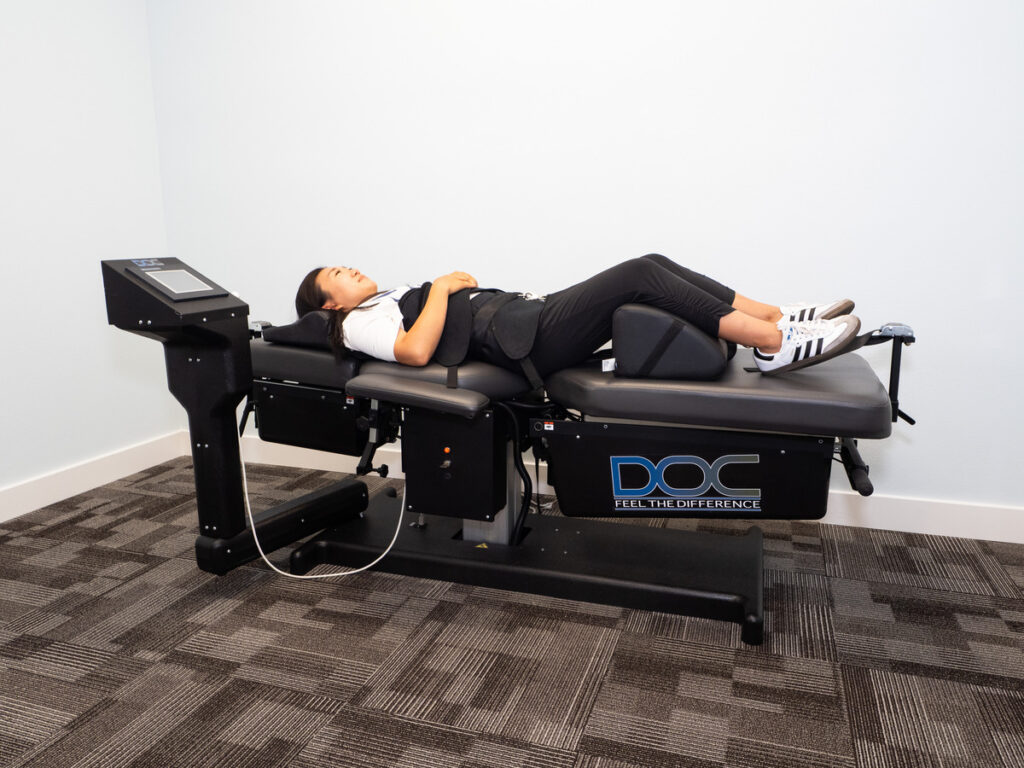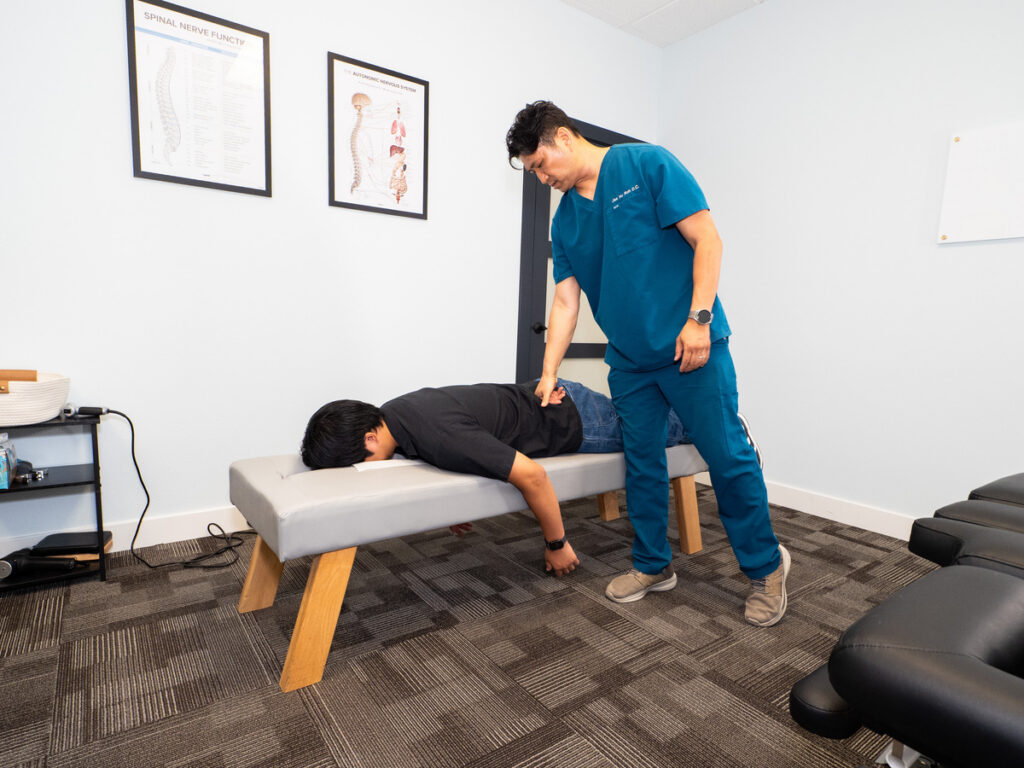

If you’re dealing with migraines or cervical discomfort, know that you’re not alone in your struggle. Many individuals seek effective ways to manage their pain and enhance their overall quality of life. One of the most impactful approaches to consider is chiropractic care, which focuses on natural healing and spinal health.
Chiropractic adjustments can significantly relieve tension in the spine, which often contributes to headaches and neck pain. By aligning the spine, we can help restore proper function to the nervous system, aiding in pain reduction and promoting overall wellness.
In addition to chiropractic adjustments, there are several lifestyle changes you can implement to support your health. Here are a few tips to consider:
- Maintain Good Posture: Pay attention to your posture, especially while working at a desk. Keeping your spine aligned reduces strain on your neck and can help prevent headaches.
- Stay Hydrated: Dehydration can trigger migraines. Make sure you’re drinking enough water throughout the day.
- Regular Exercise: Engaging in regular physical activity can help reduce stress and tension in your body, which are common migraine triggers.
- Sleep Hygiene: Establish a consistent sleep schedule and create a restful environment to improve the quality of your sleep.
- Mindfulness and Relaxation Techniques: Practices like yoga, meditation, or deep breathing exercises can help manage stress levels and reduce the frequency of migraines.
Chiropractic care is a powerful tool in your journey toward optimal health. By focusing on spinal health and incorporating these lifestyle tips, you can take proactive steps to alleviate pain and enhance your well-being. Remember, you have the power to regain control over your health—let’s explore these options together!
Key Takeaways
Chiropractic care is a fantastic way to alleviate cervical discomfort and reduce the intensity of migraines. By relieving neck tension and improving spinal alignment, chiropractic adjustments can provide natural pain relief and support your overall wellness.
Incorporating regular exercise into your routine is also beneficial. Aim for at least 30 minutes of moderate activity most days of the week. This not only helps manage stress, which can trigger migraines, but also promotes a healthy lifestyle that contributes to your well-being.
Another key aspect of migraine prevention is maintaining a consistent sleep schedule. Good sleep hygiene—like going to bed and waking up at the same time every day—can help you avoid those pesky migraines and improve your overall health.
It’s important to identify and steer clear of your personal migraine triggers, which can include certain foods or stressful situations. Keeping a journal can help you track what works and what doesn’t, allowing you to make adjustments that best suit your body.
In addition to chiropractic care, consider incorporating relaxation techniques into your day. Practices such as mindfulness meditation and yoga can alleviate tension and support your recovery from both migraines and cervical discomfort.
Remember, chiropractic care is a natural, effective choice for pain relief and achieving optimal health. By taking these simple steps, you can empower yourself to manage your health and well-being.
Understanding Migraines and Cervical Discomfort
When you experience a migraine, it often comes along with cervical discomfort, making the situation even more challenging. This discomfort typically arises from muscle tension, poor posture, or strain in your neck. The way your body responds to pain can amplify the migraine, creating a vicious cycle. You might notice a tightness that radiates from your neck to your head, intensifying the throbbing sensation of your migraine.
Understanding this connection is crucial for finding relief. Recognizing that cervical issues can worsen your headache allows you to address both problems at the same time. Chiropractic care is an excellent choice for alleviating neck tension, which can, in turn, provide some relief from your migraine.
Here are a few simple tips you can incorporate into your routine:
- Posture Awareness: Pay attention to your posture, especially when sitting for long periods. Use ergonomic furniture that supports your spine and neck.
- Gentle Stretches: Incorporate gentle neck and shoulder stretches into your daily routine. This can help relieve muscle tightness and improve circulation.
- Heat Application: Applying a warm compress to your neck can soothe tight muscles and promote relaxation.
- Stay Hydrated: Dehydration can contribute to headaches. Make sure you’re drinking enough water throughout the day.
- Chiropractic Adjustments: Regular visits to a chiropractor can help align your spine, reduce tension, and improve overall neck health, which may lessen the frequency and intensity of migraines.
Lifestyle Modifications for Prevention
Managing migraines effectively goes beyond just treating neck discomfort; it involves making lifestyle changes that can significantly aid in prevention. One of the best steps you can take is to identify and avoid your personal migraine triggers, which may include certain foods, stress, or insufficient sleep. Keeping a migraine diary can be a helpful tool for tracking these triggers.
Establishing regular sleep patterns is crucial. Aim for 7-9 hours of quality sleep each night, and stick to a consistent sleep schedule. This can help your body recharge and reduce the likelihood of migraines.
Hydration is equally important; make sure to drink plenty of water throughout the day to fend off dehydration, which is a common trigger for many people.
Incorporating regular exercise into your routine can also be incredibly beneficial. Aim for at least 30 minutes of moderate activity most days of the week. Not only does this help reduce the frequency and severity of migraines, but it also promotes overall well-being.
Additionally, practicing relaxation techniques such as mindfulness or yoga can be effective in managing stress, another common trigger. These practices can help you maintain a calm mind and body, which is essential for preventing migraines.
Remember, chiropractic care can play a vital role in your journey toward better health by addressing spinal alignment and promoting natural healing.
Physical Therapy Techniques
While making lifestyle changes is important for preventing migraines, incorporating chiropractic techniques can significantly enhance your overall management strategy. Chiropractic care focuses on the alignment of your spine and the health of your nervous system, which can lead to reduced frequency and intensity of migraines.
One effective approach is spinal adjustments, which can relieve tension in your neck and shoulders, helping to alleviate the pressure that often contributes to headaches. Strengthening your upper back and improving your posture through specific exercises can also help prevent the strain that triggers migraines. Simple stretching routines aimed at the neck and upper body can promote relaxation and ease muscle tightness.
Additionally, gentle manual therapy techniques employed by a chiropractor can target areas of tightness and discomfort, ensuring that your muscles and joints are functioning optimally. By working with a skilled chiropractor, you can develop a personalized care plan tailored to your unique needs.
Remember, chiropractic care not only addresses migraines effectively but also enhances your overall well-being. By focusing on spinal health and natural healing methods, you’re taking a proactive step toward achieving optimal health and a better quality of life.
Embrace these tips and consider chiropractic care as a natural and effective way to manage your migraine pain and improve your health.
Medication Options for Pain Relief
When it comes to managing migraines, finding effective pain relief is important, and while many people turn to medications, there are natural alternatives that can provide relief and support overall wellness.
As a chiropractor, I believe that chiropractic care can play a vital role in addressing the root causes of migraines, rather than just masking the symptoms.
Here are some natural approaches to consider when dealing with migraine pain:
- Chiropractic Adjustments: Regular chiropractic adjustments can help align the spine and relieve tension in the neck and shoulders, which may reduce the frequency and intensity of migraines. Many patients find that with consistent care, they experience fewer headaches and improved overall well-being.
- Lifestyle Changes: Simple changes in your daily routine can make a big difference. Staying hydrated, maintaining a balanced diet, and getting adequate sleep are all crucial for migraine prevention. Incorporating regular exercise, such as walking or yoga, can also help reduce stress and tension that might trigger migraines.
- Stress Management Techniques: Stress is a common trigger for migraines. Techniques such as deep breathing exercises, meditation, or gentle stretching can help calm your mind and body. Consider incorporating relaxation practices into your day to help manage stress levels.
- Essential Oils: Some people find relief by using essential oils like lavender or peppermint. These can be applied to the temples or diffused in your home to create a calming atmosphere.
- Ergonomic Adjustments: If you spend long hours at a desk, make sure your workstation is set up ergonomically to reduce strain on your neck and spine. Simple adjustments can prevent tension build-up that may contribute to migraines.
- Regular Chiropractic Visits: Regularly visiting your chiropractor can help you stay on track with your wellness goals. They can provide personalized advice and adjustments tailored to your specific needs, promoting better spinal health and overall wellness.
By focusing on these natural methods and making small adjustments to your lifestyle, you can take control of your health and potentially reduce the occurrence of migraines.
Complementary and Alternative Therapies
When you’re seeking relief from migraines, chiropractic care can be an excellent option to consider. As a chiropractor, I believe that a healthy spine is key to overall well-being, and it can greatly impact your quality of life.
Chiropractic adjustments can help alleviate tension in your neck and spine, which may be contributing to your migraine symptoms. By ensuring your spine is properly aligned, we can help improve your body’s function and reduce the frequency and intensity of migraines.
In addition to chiropractic adjustments, incorporating mindfulness practices such as deep breathing and relaxation techniques can further support your healing journey. Staying well-hydrated and maintaining a balanced diet rich in nutrients can also play a significant role in managing migraines.
Remember, taking care of your spine is essential for your overall health. By prioritizing chiropractic care, you’re investing in a natural and effective way to find relief from migraines and enhance your well-being without the need for medications or invasive treatments.
If you’re struggling with migraines, I encourage you to reach out and explore how chiropractic care can help you achieve optimal health.
Herbal Remedies and Supplements
Many individuals seek natural solutions to manage migraines, and while herbal remedies and supplements can be helpful, it’s important to consider the holistic approach of chiropractic care for overall health and wellness.
Chiropractic adjustments can help restore spinal alignment, improve nervous system function, and reduce tension that may contribute to migraine occurrences. Here are some natural options that can complement your chiropractic care:
- Butterbur – This herb has shown promise in reducing the frequency of migraine attacks. However, pairing it with chiropractic adjustments can enhance your body’s natural healing processes.
- Feverfew – Known for its anti-inflammatory properties, feverfew may help alleviate migraine symptoms. Regular chiropractic care can also address the underlying issues that lead to tension and discomfort.
- Magnesium – A deficiency in this essential mineral is linked to migraines. Supplementing with magnesium may help, but a chiropractor can guide you on lifestyle changes to ensure you’re getting enough through diet.
- Riboflavin (Vitamin B2) – Studies suggest that riboflavin can reduce the frequency and duration of migraines. When combined with chiropractic care, you may find greater relief and improved overall health.
Remember, your spinal health plays a vital role in your overall well-being. Regular chiropractic visits can help manage pain and enhance your body’s ability to heal naturally.
Always consult with your chiropractor before starting any new supplement regimen, as they can provide personalized advice tailored to your specific needs.
Embrace a healthier lifestyle by prioritizing your spinal health and exploring natural remedies together with chiropractic care!
Acupuncture and Acupressure Techniques
Integrating acupuncture and acupressure techniques into your migraine management plan can complement the benefits of chiropractic care, enhancing your overall wellness. These methods focus on stimulating specific points on the body to encourage healing and alleviate pain, making them useful tools in your journey toward optimal health.
| Technique | Benefits | Considerations |
|---|---|---|
| Acupuncture | Can help reduce headache frequency | It’s essential to see a trained practitioner for safety and effectiveness |
| Acupressure | Can be easily practiced at home | It may take some time to master the techniques for maximum benefit |
| Both | Promotes relaxation and well-being | Everyone’s body responds differently, so find what works for you |
As a chiropractor, I believe that a holistic approach that includes chiropractic adjustments, combined with these gentle techniques, can provide significant relief and enhance your quality of life. Remember to listen to your body and consult with your chiropractor about incorporating these methods into your routine. They can guide you on how to safely practice acupressure at home or recommend trusted acupuncturists if you wish to explore acupuncture. Always prioritize your health and well-being with natural, non-invasive practices!
Mindfulness and Relaxation Practices
Mindfulness and relaxation practices can significantly support your migraine management by fostering a sense of calm and alleviating stress. These techniques are beneficial additions to your daily routine and can help you cope better with migraines.
Here are four effective practices to consider, all while emphasizing the importance of chiropractic care for holistic wellness:
- Deep Breathing: Take a few minutes each day to focus on your breath. Inhale deeply through your nose, allowing your abdomen to expand, and then exhale slowly through your mouth. This practice not only calms your mind but also promotes better oxygen flow, which is essential for spinal health.
- Meditation: Dedicate a few minutes, even just five, to meditate. This practice helps center your thoughts and reduce anxiety. By creating a peaceful state of mind, meditation can complement chiropractic adjustments, enhancing their effectiveness.
- Gentle Yoga: Incorporate gentle yoga into your routine to stretch and relieve tension in your body. This not only helps with muscle relaxation but also promotes spinal flexibility and alignment, which are crucial for overall health.
- Progressive Muscle Relaxation: Try tensing and then relaxing each muscle group in your body. This technique aids in releasing built-up stress and can enhance the benefits of chiropractic care by promoting better muscle function and alignment.
By integrating these mindfulness and relaxation techniques into your daily life, you can support your body’s natural healing processes and optimize your health.
The Role of Nutrition and Hydration
The foods and drinks you consume can significantly affect the frequency and intensity of migraines, so it’s essential to be mindful of your diet. Certain trigger foods, such as aged cheeses, processed meats, and alcohol, may lead to more frequent migraine attacks. Pay attention to how different foods affect your body and consider keeping a food diary to identify any specific triggers that could be causing issues.
Hydration is equally important when it comes to managing migraines. Staying well-hydrated helps prevent dehydration, which can be a significant migraine trigger. Aim to drink at least eight glasses of water a day, and adjust that amount based on your activity level and the climate you live in.
Incorporating magnesium-rich foods, like leafy greens and nuts, into your diet can also be beneficial. Magnesium plays a crucial role in many bodily functions, and a deficiency may contribute to migraine occurrences.
While you might be exploring different ways to manage your migraines, consider how chiropractic care can support your overall health. Chiropractic adjustments can help improve spinal alignment and function, which may reduce headache frequency and intensity.
Focusing on a balanced diet, staying hydrated, and integrating chiropractic care into your wellness routine can provide you with a natural approach to managing your migraine symptoms effectively. Remember, optimal health often comes from a combination of proper nutrition, hydration, and holistic care!
Mindfulness and Stress Management
Managing stress is vital for minimizing the frequency and intensity of migraines, as increased tension can often trigger these painful episodes. Incorporating mindfulness and stress management techniques into your daily routine can greatly support your journey toward a calmer state of mind and overall wellness.
Here are four effective strategies that can complement your chiropractic care:
- Deep Breathing: Spend a few minutes each day practicing deep breathing exercises. This simple technique involves inhaling deeply through your nose and exhaling slowly through your mouth. It can help reduce tension in your body and may even improve spinal health by encouraging relaxation.
- Meditation: Dedicate some time for meditation. You can try guided sessions or simply sit quietly, focusing on your breath. This practice not only calms your mind but also encourages better alignment and posture, which is essential for spinal health.
- Progressive Muscle Relaxation: This involves tensing and relaxing different muscle groups, starting from your toes and moving up to your head. By releasing physical tension, you may find relief from the discomfort associated with migraines and improve your overall body awareness, which supports chiropractic treatment.
- Mindful Movement: Engage in activities such as yoga or tai chi, which blend physical movement with mindfulness. These practices promote relaxation, enhance flexibility, and can help maintain a healthy spine, making them great companions to chiropractic care.
By incorporating these strategies into your daily life, you can better manage stress and support your body’s natural healing processes.
Importance of Sleep Hygiene
Prioritizing sleep hygiene is essential for overall well-being and can be particularly beneficial in reducing migraine triggers. Establishing a consistent sleep schedule helps your body recognize when it’s time to wind down, leading to more restorative sleep. Aim for 7-9 hours of quality sleep each night, and try to go to bed and wake up at the same time every day to support your natural rhythms.
Creating a calming bedtime routine can also make a big difference. Engage in relaxing activities, such as reading or enjoying a warm bath, to signal to your body that it’s time to sleep. Make your sleep environment as comfortable as possible by ensuring it’s dark, quiet, and cool.
It’s important to limit exposure to screens at least an hour before bedtime, as the blue light emitted can disrupt your body’s melatonin production, making it harder to fall asleep. Additionally, be mindful of your caffeine and alcohol intake in the hours leading up to sleep, as these substances can impact your ability to rest.
Remember, good sleep hygiene plays a crucial role in your overall health, and by improving it, you may notice a significant reduction in migraine frequency and intensity.
As a chiropractor, I encourage you to consider how spinal health also influences your sleep quality. Keeping your spine aligned can enhance your body’s ability to relax and recover during sleep, promoting natural healing and wellness.
When to Seek Professional Help
If you’re dealing with pain that just won’t go away, it’s an important sign that you should consider seeking professional help, specifically from a chiropractor. Persistent pain can often be linked to underlying issues that may be alleviated with natural, holistic approaches.
If you notice neurological symptoms, such as confusion or changes in your vision, these can indicate a more significant concern that should be evaluated by a healthcare professional, and chiropractic care can play a crucial role in addressing these symptoms naturally.
When migraines begin to interfere with your daily activities, it’s crucial to reach out to a chiropractor. They can offer targeted treatments that not only relieve pain but also promote overall wellness. Chiropractic adjustments can help restore balance in your body, potentially reducing the frequency and intensity of migraines.
Remember, listening to your body is key. If you’re feeling discomfort or notice changes in your health, consider scheduling an appointment with a chiropractor. They can assess your condition, provide gentle adjustments, and offer advice on maintaining a healthy spine and lifestyle.
Simple tips like staying hydrated, practicing good posture, and incorporating regular movement into your day can also contribute to your well-being. Prioritize your health with chiropractic care as a natural pathway to relief and optimal living.
Persistent Pain Duration
When migraines persist for more than 72 hours, it’s crucial to seek professional help. Prolonged pain may indicate deeper issues that could benefit from a holistic approach to wellness.
Here are some signs that suggest it’s time to consider chiropractic care:
- Escalating Intensity: If your migraine pain worsens despite trying over-the-counter treatments, a chiropractor can help identify and address the underlying causes of your discomfort.
- Frequent Recurrences: Experiencing multiple migraines in a month may signal a need for preventative strategies. Chiropractic adjustments can help restore spinal alignment, which may reduce the frequency and severity of migraines.
- Medication Overuse: Relying on pain relievers more than twice a week can lead to rebound headaches. Chiropractic care offers natural pain relief, focusing on the root cause rather than masking symptoms.
- Disruption of Daily Life: If migraines are interfering with your work or personal relationships, seeking guidance from a chiropractor could be vital. They can provide tailored treatment plans to enhance your overall quality of life.
In addition to chiropractic care, consider incorporating some general wellness tips into your routine:
- Stay Hydrated: Dehydration can trigger migraines, so make sure to drink plenty of water throughout the day.
- Maintain a Consistent Sleep Schedule: Quality sleep is essential for overall health, and irregular sleep patterns can contribute to migraine occurrences.
- Practice Stress-Relief Techniques: Activities like yoga, meditation, or deep-breathing exercises can help manage stress, which is a common migraine trigger.
- Regular Exercise: Gentle exercises, such as walking or stretching, can promote better spinal health and reduce tension that may lead to migraines.
Don’t let persistent pain control your life. Embrace a natural approach with chiropractic care to find effective solutions and achieve optimal health.
Neurological Symptoms Present
Experiencing neurological symptoms alongside your migraine can be concerning and may signal that it’s time to take a closer look at your overall health. If you notice sudden changes in your vision, such as blurriness or double vision, or if you feel tingling or numbness in your arms or legs, it’s important to listen to your body and seek guidance from a healthcare professional.
Similarly, if you find it hard to speak clearly or feel confused unexpectedly, reaching out for help is crucial.
While these signs can be alarming, they can also be an opportunity to consider holistic approaches to wellness. Chiropractic care focuses on aligning your spine and boosting your nervous system, which can play a key role in alleviating headaches and improving overall neurological function. Regular chiropractic adjustments may help reduce the frequency and intensity of migraines by ensuring that your nervous system communicates effectively.
Here are a few tips to promote better health and wellness alongside your chiropractic care:
- Stay Hydrated: Dehydration can trigger migraines. Aim for plenty of water throughout the day.
- Practice Stress Management: Techniques such as deep breathing, meditation, or yoga can help keep stress levels in check, which is beneficial for migraine management.
- Maintain a Consistent Sleep Schedule: Getting enough restful sleep is vital for overall health and can help reduce migraine occurrences.
- Eat a Balanced Diet: Focus on whole foods, including fruits, vegetables, whole grains, and lean proteins. Certain foods can trigger migraines, so pay attention to how your body responds to different meals.
- Regular Chiropractic Visits: Keeping your spine aligned through regular chiropractic adjustments can support your body’s natural healing processes and improve your overall well-being.
Impact on Daily Life
Migraines can significantly disrupt your daily life, impacting everything from your work performance to your personal relationships. If you find yourself struggling with this condition, it’s important to know when to consider seeking professional help, especially through chiropractic care, which focuses on natural healing and wellness. Here are some signs to watch for:
- Frequent Attacks: If you’re experiencing migraines more than twice a month, it may be time to explore chiropractic options. A chiropractor can help assess your spinal health and identify any misalignments that could be contributing to your migraines.
- Increased Intensity: Should your migraines become more severe or last longer than usual, it’s crucial to pay attention to these changes. Chiropractic adjustments can help alleviate tension in the spine, which may reduce the intensity of migraine symptoms.
- New Symptoms: If you notice new neurological symptoms, it’s essential to seek help. A chiropractor can evaluate your overall health and provide guidance on how to restore balance and wellness naturally.
- Impact on Activities: If migraines are hindering your ability to carry out daily tasks or enjoy life, consider turning to chiropractic care. By focusing on spinal health and overall wellness, you may find relief that enhances your quality of life.
In addition to seeking chiropractic care, here are some general tips to help manage migraines:
- Stay Hydrated: Drink plenty of water throughout the day to stay hydrated, as dehydration can trigger migraines.
- Maintain a Consistent Schedule: Try to keep a regular sleep and meal schedule to avoid potential triggers.
- Practice Relaxation Techniques: Engage in activities like yoga, meditation, or deep breathing exercises to manage stress, which can also be a migraine trigger.
- Monitor Triggers: Keep a diary to track your migraine patterns and triggers, which can help you and your chiropractor identify effective strategies for prevention.
Taking proactive steps toward managing your migraines can lead to better overall health and wellness.
Conclusion
Incorporating proven approaches can significantly enhance your ability to manage migraines and cervical discomfort, and chiropractic care stands out as one of the best options for achieving optimal health. By prioritizing lifestyle modifications and embracing the benefits of chiropractic adjustments, you can take control of your health naturally.
Consider integrating physical therapy exercises recommended by your chiropractor, which can help strengthen your neck and upper back, alleviating tension that often contributes to migraines. Additionally, exploring complementary therapies such as massage and acupuncture can enhance your chiropractic care, providing further relief.
Don’t underestimate the power of nutrition and hydration in your wellness journey. Eating a balanced diet rich in anti-inflammatory foods and staying properly hydrated can make a notable difference in how your body responds to pain. Also, practicing stress management techniques like mindfulness and gentle yoga can help reduce the frequency and intensity of migraines.
Remember, your chiropractor is a valuable resource in your pursuit of health. If your symptoms persist, don’t hesitate to seek their professional advice. They can tailor a treatment plan specifically for you, ensuring you receive the best care possible.
Your journey to relief and improved quality of life starts here, with these actionable steps and the support of chiropractic care guiding you towards a healthier, pain-free existence.