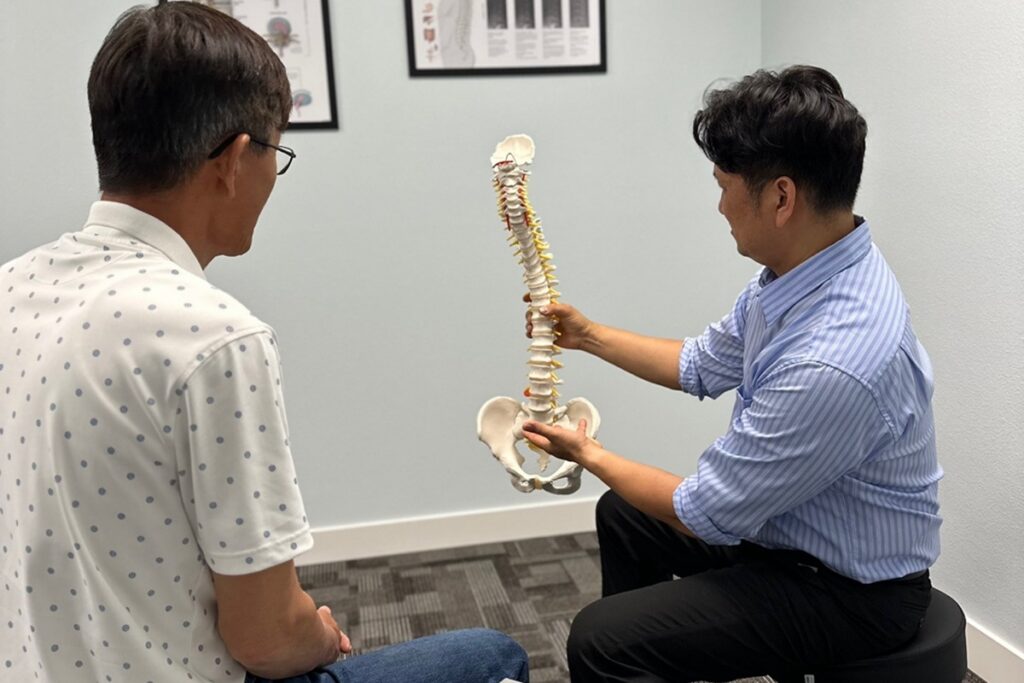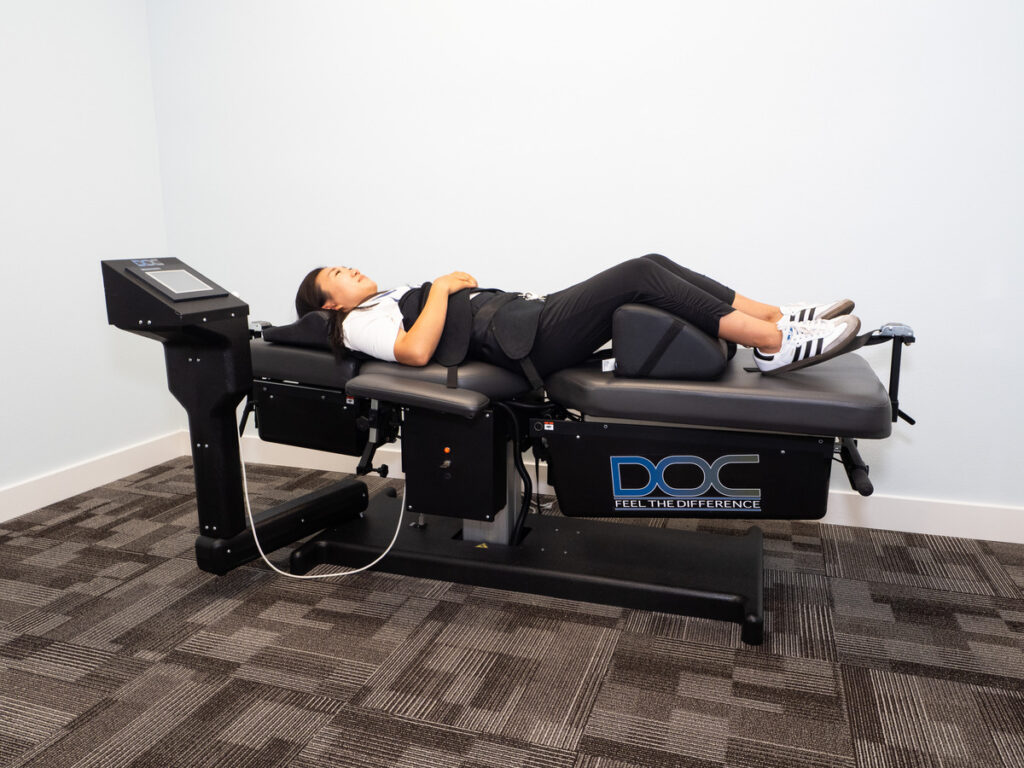

If you’ve ever suffered from whiplash, you understand just how debilitating neck pain can be. It can disrupt your everyday activities and leave you feeling frustrated and uncomfortable. Understanding the nature of your pain is the first step toward recovery, and I’m here to help you explore how chiropractic care can be your best ally in reclaiming your comfort.
Whiplash often stems from sudden movements of the neck, leading to strain on the muscles and ligaments. This can cause stiffness, headaches, and a range of other symptoms that can hinder your mobility. The good news is that with the right approach, you can find relief and restore your quality of life.
Chiropractic care focuses on the alignment of your spine and the overall health of your musculoskeletal system. By visiting a chiropractor, you can receive a thorough assessment that identifies the underlying issues contributing to your pain. Gentle adjustments and manipulations can help realign your spine, reduce tension in your neck, and promote natural healing.
In addition to chiropractic adjustments, there are several effective strategies you can incorporate into your daily routine to support your recovery:
- Stay Active: Gentle exercises can help improve flexibility and strengthen the muscles in your neck. Simple stretches and movements can ease tension and enhance mobility.
- Practice Good Posture: Whether you’re sitting at a desk or using your phone, maintaining proper posture can help reduce strain on your neck. Keep your shoulders relaxed and your screen at eye level.
- Apply Heat or Cold: Using a heating pad or an ice pack can provide relief. Heat can help relax tense muscles, while cold therapy can reduce inflammation.
- Stay Hydrated: Drinking plenty of water is essential for overall health and can help keep your spinal discs hydrated, supporting your spine’s function.
- Mindfulness and Relaxation Techniques: Stress can exacerbate pain, so incorporating mindfulness practices such as deep breathing or meditation can be beneficial.
By taking these steps and working with a chiropractor, you can promote healing and pave the way for a healthier, pain-free lifestyle. Remember, chiropractic care is a natural and effective way to address whiplash and its associated pain. Don’t let discomfort hold you back—take control of your health today!
Key Takeaways
- If you’ve experienced whiplash, getting diagnosed and treated early can greatly improve your chances of recovery and help you avoid long-lasting pain issues.
- Chiropractic care is a fantastic option for restoring your neck’s mobility and easing pain. With targeted adjustments and customized treatment plans, we can help you get back to feeling your best.
- Incorporating gentle neck stretches and isometric exercises into your routine can make a big difference. These practices help relieve tightness and build strength in your neck muscles, supporting your recovery.
- Consider adding alternative therapies like acupuncture alongside chiropractic care. These natural methods can help address the underlying causes of your neck pain and promote healing.
- Remember, maintaining good posture and proper ergonomics in your daily activities is crucial. Regular hydration also plays a key role in keeping your muscles from becoming stiff, which supports your recovery journey.
By focusing on these natural approaches and prioritizing chiropractic care, you can reclaim your comfort and achieve optimal health.
Understanding Whiplash and Its Symptoms
Whiplash is a common injury, particularly from car accidents, and it can result in a range of uncomfortable symptoms. If you’ve experienced whiplash, you might be dealing with neck pain, stiffness, and a limited range of motion. Headaches can also be a frequent occurrence, often starting at the base of your skull and radiating outward. You may feel tenderness in your neck or shoulders, and some individuals report feelings of dizziness or fatigue.
Beyond these physical discomforts, whiplash can also take a toll on your emotional well-being. It’s not uncommon to feel irritable or have difficulty concentrating during your recovery. Recognizing these symptoms early is crucial, as they can vary in severity and impact your daily life.
As a chiropractor, I want to emphasize that natural healing through chiropractic care can be a highly effective way to address whiplash symptoms. By focusing on spinal health and proper alignment, chiropractic adjustments can help alleviate pain, improve mobility, and promote overall wellness.
Here are some general tips to help you manage whiplash symptoms and support your recovery:
- Stay Active: Gentle movements and stretches can help maintain your range of motion. Avoid prolonged bed rest, as it can lead to stiffness.
- Ice and Heat Therapy: Applying ice to the affected area can reduce swelling, while heat can help relax tense muscles. Alternate between the two for best results.
- Maintain Good Posture: Be mindful of your posture, especially when sitting or working at a desk. Proper alignment can help ease strain on your neck.
- Stay Hydrated: Drinking plenty of water supports overall bodily functions, including muscle recovery.
- Consult a Chiropractor: Regular chiropractic adjustments can help restore proper alignment and function to your spine, which is essential for healing from whiplash.
By understanding how whiplash affects your body and seeking the right care, you can take significant steps toward relief and improved health.
The Importance of Early Diagnosis and Treatment
Recognizing the signs of an injury early can greatly enhance your chances of a smooth recovery, especially when it comes to whiplash. Taking swift action not only helps prevent long-term pain but also avoids potential complications down the road. Ignoring symptoms or delaying treatment can lead to chronic issues that might disrupt your daily life.
- You don’t want to be burdened by pain that keeps you from enjoying simple activities with family and friends.
- Early intervention through chiropractic care can help restore your mobility, allowing you to engage fully in work and personal life.
- Addressing whiplash promptly with natural methods can prevent more serious medical issues from developing later on.
Chiropractic care is designed to support your body’s natural healing processes. By seeking a proper diagnosis and treatment as soon as possible, you can speed up your recovery and find peace of mind.
Remember, your body deserves attention and care. By choosing chiropractic treatment right away, you’re taking an important step toward reclaiming your comfort and overall well-being.
Here are some general tips to keep in mind:
- Stay Active: Gentle movement can help maintain your mobility. Consider walking or stretching to keep your body engaged.
- Ice and Heat: Applying ice can reduce inflammation, while heat can soothe muscles. Just be sure to alternate between the two for optimal relief.
- Posture Awareness: Pay attention to your posture during daily activities. Good alignment can help prevent further strain on your neck and back.
- Hydration: Keeping well-hydrated is essential for maintaining the health of your spinal discs and overall wellness.
- Regular Adjustments: Routine visits to your chiropractor can help keep your spine aligned and support your overall health, preventing future injuries.
Physical Therapy: Strengthening and Healing
After experiencing a whiplash injury, seeking chiropractic care can significantly enhance your recovery by focusing on the alignment and function of your spine. A knowledgeable chiropractor will evaluate your condition and create a personalized treatment plan tailored to your needs.
Through gentle adjustments and targeted techniques, you can improve flexibility and range of motion, which are crucial for healing. Chiropractic care also emphasizes the importance of proper posture and body mechanics, helping you avoid further strain on your neck and spine.
Your chiropractor may incorporate various natural healing methods, such as massage and stretching, to alleviate pain while promoting strength and stability in the surrounding muscles. It’s essential to remain consistent with your chiropractic visits to ensure you stay on the path to recovery.
With regular care, you’ll likely notice improvements in both your comfort and overall well-being, paving the way for a more fulfilling daily life.
Here are a few tips to support your recovery at home:
- Practice good posture by keeping your shoulders back and your head aligned over your spine.
- Incorporate gentle stretches into your daily routine to maintain flexibility.
- Apply heat or cold packs to your neck as needed to relieve discomfort.
- Stay active with low-impact exercises, such as walking or swimming, to strengthen your body without overstraining.
Effective Exercises for Neck Pain Relief
To effectively relieve neck pain, incorporating specific exercises into your daily routine can make a significant difference in your overall recovery and well-being. These movements not only help ease tension but also improve mobility, allowing you to reclaim your comfort and enjoy your daily activities with greater ease.
- Gentle Neck Stretches: These stretches are essential for alleviating tightness and increasing flexibility. Simple movements like tilting your head side to side or gently rotating it can help restore your range of motion, allowing you to turn your head without discomfort.
- Isometric Exercises: These exercises involve pushing against resistance without actual movement, which helps strengthen your neck muscles safely. You can do this by placing your hand against your forehead and gently pressing while resisting with your neck. This promotes stability and support without straining your muscles.
- Shoulder Shrugs: A simple yet effective exercise, shoulder shrugs can release built-up tension in your shoulders and neck. Just lift your shoulders towards your ears, hold for a moment, and then relax them down. This can help you feel lighter and more relaxed.
Integrating these exercises into your daily routine can lead to noticeable improvements in your neck pain. Remember, chiropractic care is also a fantastic way to support your recovery journey.
Regular chiropractic adjustments can help align your spine, relieve pressure on nerves, and promote overall wellness, making it an excellent complement to your exercise regimen.
Start small with these exercises, and listen to your body as you progress. You’re on the right track to regaining control over your neck pain and enhancing your quality of life naturally.
If you ever feel unsure, don’t hesitate to reach out to your chiropractor for personalized guidance and support. Together, you can create a comprehensive plan for optimal health and well-being.
Alternative Therapies: Acupuncture and Chiropractic Care
When it comes to relieving neck pain, many people are turning to alternative therapies, and as a chiropractor, I want to emphasize the incredible benefits of chiropractic care. While methods like acupuncture can be helpful, chiropractic care stands out as a powerful solution for achieving optimal health and wellness.
Here’s a simple comparison of the two therapies:
| Therapy | Benefits |
|---|---|
| Chiropractic Care | Corrects spinal misalignments, improves mobility, promotes overall wellness |
| Acupuncture | Reduces inflammation, promotes healing |
Chiropractic care focuses on spinal adjustments and alignment. When your spine is aligned correctly, it can greatly reduce neck pain and improve your overall range of motion. This holistic approach not only addresses the pain directly but also enhances your body’s natural ability to heal itself.
In contrast, while acupuncture involves inserting fine needles into specific points, it may not address the root cause of neck pain as effectively as chiropractic adjustments do. By ensuring your spine is well-aligned, chiropractic care helps alleviate muscle tension and promote relaxation without the need for needles or invasive procedures.
Here are some tips to help manage your neck pain alongside chiropractic care:
- Practice Good Posture: Make sure your workstation is ergonomically set up. Keep your computer screen at eye level and take breaks to stretch your neck.
- Stay Hydrated: Drinking plenty of water helps keep your muscles hydrated and functioning properly, which can reduce stiffness.
- Incorporate Gentle Stretching: Simple neck stretches can help maintain flexibility and reduce tension. Try gently tilting your head from side to side and forward and backward.
- Use Heat Therapy: Applying a warm compress to your neck can help soothe tight muscles and increase blood flow to the area.
- Visit Your Chiropractor Regularly: Regular adjustments can help maintain spinal health and prevent future pain.
Lifestyle Changes to Support Recovery
To support your recovery from whiplash, embracing some simple lifestyle changes can greatly enhance your healing journey. One important step is to adjust your workspace to improve ergonomics. This means setting up your desk and chair in a way that promotes good posture, which can significantly reduce strain on your neck and spine.
Additionally, incorporating gentle stretching exercises into your daily routine can help relieve tension and encourage healing in the affected areas.
As a chiropractor, I recommend focusing on natural methods to support your recovery. Regular chiropractic care can be a powerful ally in alleviating pain and restoring function. By addressing spinal misalignments, chiropractic adjustments can enhance your body’s ability to heal itself naturally.
Here are a few general tips you can easily integrate into your daily life to support your recovery:
- Stay Hydrated: Drinking plenty of water helps keep your muscles hydrated and can aid in reducing stiffness.
- Practice Good Posture: Whether sitting, standing, or walking, maintaining proper posture can prevent additional strain on your neck and back.
- Use Heat and Cold Therapy: Applying a warm compress can help relax tight muscles, while cold packs can reduce inflammation.
- Engage in Gentle Movement: Activities like walking or light yoga can keep your body moving without putting undue stress on your neck.
- Listen to Your Body: Pay attention to how your body feels and rest when necessary. It’s important to give yourself time to heal.
By making these adjustments and considering regular chiropractic care, you can take significant steps toward achieving optimal health and wellness while managing your whiplash recovery.
Ergonomic Workspace Adjustments
Since your workspace plays a crucial role in your posture and overall comfort, making ergonomic adjustments can significantly support your recovery from whiplash neck pain.
As a chiropractor, I encourage you to consider how simple changes to your environment can help alleviate discomfort and promote healing naturally.
Start by choosing a chair that provides proper support for your lower back. This can help maintain the natural curve of your spine and reduce strain. Ensure your feet can rest flat on the floor; if they can’t, consider using a footrest.
Next, position your computer monitor at eye level. This alignment helps prevent unnecessary strain on your neck and keeps your spine in a neutral position. Your keyboard and mouse should be within easy reach to avoid overextending your arms, which can lead to tension in your shoulders and neck.
By implementing these small but significant changes, you may experience:
- Increased energy levels and reduced fatigue throughout your workday.
- Enhanced productivity as discomfort diminishes.
- Improved focus and a greater sense of enjoyment in your tasks.
Remember, investing in your workspace isn’t just about comfort; it’s an investment in your overall well-being and recovery.
Chiropractic care is a powerful ally in your journey to optimal health, as it addresses the root causes of pain and promotes natural healing.
Gentle Stretching Exercises
In addition to establishing an ergonomic workspace, incorporating gentle stretching exercises can significantly enhance your recovery from whiplash neck pain. These exercises not only help increase flexibility and reduce stiffness but also promote healthy blood flow to the affected areas.
Start with simple neck rolls: gently tilt your head forward, then roll it in a circular motion. This can help release tension and improve mobility. Next, try side-to-side stretches by bringing your ear towards your shoulder, holding for a few seconds on each side. This stretch is beneficial for easing tightness in the neck muscles.
Additionally, include shoulder shrugs in your routine; lifting your shoulders towards your ears and then releasing them can alleviate built-up tension.
Aim to perform these stretches several times a day, and remember to listen to your body—stop if you experience any sharp pain. Consistency is key to regaining comfort and flexibility.
Consider visiting your local chiropractor for personalized guidance on these exercises. Chiropractic care is an excellent choice for pain relief and natural wellness, promoting healing from the inside out.
When to Seek Professional Help
If your neck pain has been bothering you for a while, it’s important to consider seeking professional help, specifically from a chiropractor. Ignoring ongoing pain or any mobility limitations can lead to further issues down the road. Early recognition of these signs can make a significant difference in your recovery journey.
Chiropractors specialize in natural healing methods that focus on restoring proper spinal alignment and function. This approach can’t only alleviate your neck pain but also enhance your overall well-being. By addressing the root cause of your discomfort, chiropractic care promotes a healthier lifestyle without the need for medications or invasive procedures.
Here are a few tips you can incorporate into your daily routine to help manage neck pain:
- Maintain Good Posture: Be mindful of your posture, especially when sitting for long periods. Use ergonomic furniture if possible, and take breaks to stretch your neck and shoulders.
- Stay Hydrated: Drinking plenty of water helps keep your spinal discs hydrated and supports overall spinal health.
- Gentle Stretching: Incorporate gentle neck stretches into your daily routine to keep your muscles loose and improve flexibility.
- Limit Screen Time: Reducing the amount of time you spend looking down at your phone or computer can help prevent strain on your neck.
- Consider Chiropractic Adjustments: Regular visits to a chiropractor can help maintain spinal health, alleviate pain, and prevent future issues.
Remember, taking proactive steps towards your health is essential. Chiropractic care is a natural and effective way to achieve optimal health and wellness.
If you have concerns about persistent neck pain, don’t hesitate to reach out to a chiropractor for personalized care and guidance.
Persistent Pain Duration
When pain lingers beyond the expected recovery period after a whiplash injury, it’s crucial to consider reaching out for professional help. Ignoring persistent discomfort can lead to more significant issues that require attention. Trust your instincts; if your pain feels overwhelming or unmanageable, it’s time to explore your options, and chiropractic care may be the ideal path for you.
As you navigate this challenging time, you might experience a range of emotions, such as:
- Frustration from constant pain disrupting your daily activities
- Fear about potential long-term effects on your health and happiness
- Isolation from loved ones due to an inability to participate in the activities you once enjoyed
Chiropractic care focuses on the health of your spine and nervous system, aiming to restore balance and function to your body naturally. By correcting misalignments and improving mobility, chiropractic adjustments can help alleviate pain and promote healing without the need for invasive procedures or medications.
Here are some general tips to support your recovery:
- Stay Active: Gentle movements and stretching can help maintain flexibility and reduce stiffness. Consult your chiropractor for exercises tailored to your needs.
- Practice Good Posture: Being mindful of your posture can alleviate strain on your spine and reduce pain. Make sure your workspace is ergonomically friendly.
- Stay Hydrated: Drinking enough water is essential for overall health and can assist in keeping your joints lubricated.
- Prioritize Sleep: Quality rest is vital for healing. Ensure you’re sleeping in a position that supports your spine.
- Seek Regular Chiropractic Care: Regular visits to your chiropractor can enhance your recovery journey, help you manage pain effectively, and support your long-term wellness.
Don’t hesitate to seek the support you need. By choosing chiropractic care, you’re taking a proactive step toward reclaiming your comfort and well-being. You deserve to feel well again, and we’re here to help guide you on your journey to optimal health.
Mobility Limitations Experienced
While you may hope to regain full mobility after experiencing a whiplash injury, it’s important to recognize that any limitations you face can be a sign that you could benefit from professional chiropractic care. If you’re struggling to turn your head, lift objects, or carry out your daily activities, seeking guidance from a chiropractor can help you on your path to recovery. Ignoring these limitations might not only prolong your healing process but could also lead to further complications.
Here’s a useful reference table to help you identify when it’s time to consult a chiropractor:
| Limitation | Possible Implication | Action |
|---|---|---|
| Limited head rotation | Potential muscle tightness | Schedule a chiropractic visit |
| Difficulty lifting objects | Possible injury severity | Seek chiropractic care |
| Pain during movement | May indicate underlying issues | Get a thorough evaluation |
| Persistent stiffness | Could signal chronic problems | Consider chiropractic therapy |
Chiropractic care focuses on natural healing and optimizing your body’s function. Here are some general tips to support your recovery:
- Stay Active: Engage in gentle activities like walking or stretching to keep your muscles engaged without overexerting yourself.
- Practice Good Posture: Maintain a neutral spine while sitting, standing, or moving to reduce strain on your neck and back.
- Apply Heat or Ice: Use heat for muscle relaxation and ice for inflammation; alternating between the two can help relieve discomfort.
- Stay Hydrated: Drinking plenty of water supports overall health and helps maintain the elasticity of your muscles and joints.
Symptoms Beyond Normal
Unresolved mobility limitations can often signal deeper issues that deserve professional attention, especially after a whiplash injury. If you’re experiencing persistent symptoms that feel beyond normal, it’s crucial to reach out to a chiropractor. Seeking chiropractic care early on can help prevent chronic pain and support your recovery naturally.
Here are some signs that may indicate it’s time to consult a chiropractor:
- Severe headaches that interfere with your daily activities
- Numbness or tingling in your arms or hands that won’t go away
- Difficulty concentrating or memory issues affecting your daily tasks
These symptoms may suggest underlying complications that a chiropractor can thoroughly evaluate. By listening to your body and addressing these signals, you can work towards better outcomes and a quicker return to your normal activities.
Chiropractic care focuses on aligning your spine and improving your overall wellness. It’s a natural approach that can help relieve pain, enhance mobility, and promote healing without the need for medications or surgeries.
Here are some simple tips to support your journey to wellness:
- Stay Hydrated: Drinking plenty of water helps maintain your spinal health and aids in recovery.
- Practice Good Posture: Be mindful of your posture, especially when sitting or using electronic devices, to reduce strain on your spine.
- Incorporate Gentle Stretching: Regular gentle stretching can help improve mobility and alleviate tension in your muscles.
- Prioritize Rest: Allow your body the time it needs to heal. Rest is essential for recovery.
With the right support from chiropractic care, reclaiming your comfort and achieving optimal health is absolutely within reach!
Conclusion
Reclaiming your comfort after experiencing whiplash is essential, and one of the best ways to achieve that is through chiropractic care. Early diagnosis and treatment are crucial for a smooth recovery. A chiropractor can provide personalized adjustments that align your spine and promote healing in your neck, helping to alleviate pain and restore mobility.
In addition to regular chiropractic sessions, incorporating gentle exercises into your routine can strengthen your neck and improve flexibility. Simple neck stretches can be very beneficial, and your chiropractor can guide you on the best practices. You might also consider alternative therapies like acupuncture, but always consult your chiropractor to ensure it complements your treatment plan.
Lifestyle changes can significantly impact your healing journey. Focus on maintaining a good posture, especially if you spend long hours sitting. Ergonomic adjustments in your workspace can make a big difference. Staying hydrated and eating a balanced diet rich in anti-inflammatory foods can also support your recovery.
Remember, if pain persists, it’s important to reach out to your chiropractor for further evaluation and care. By taking these proactive steps, including regular chiropractic visits, you can enjoy daily activities without discomfort and get back to living your life fully. Embrace the path to wellness through natural healing and discover the benefits of chiropractic care for optimal health.