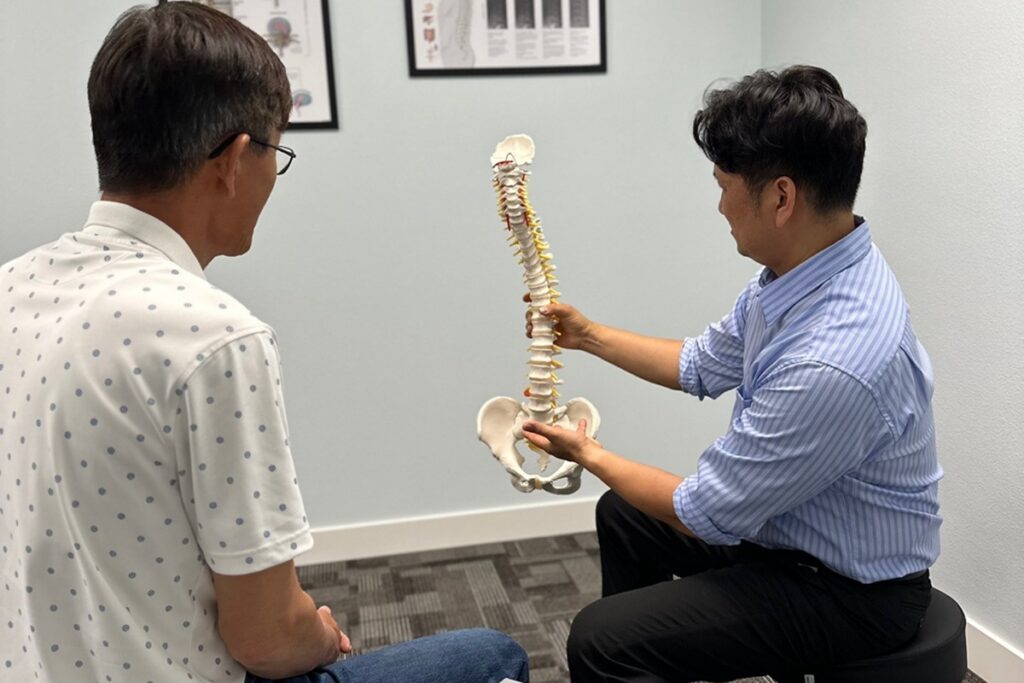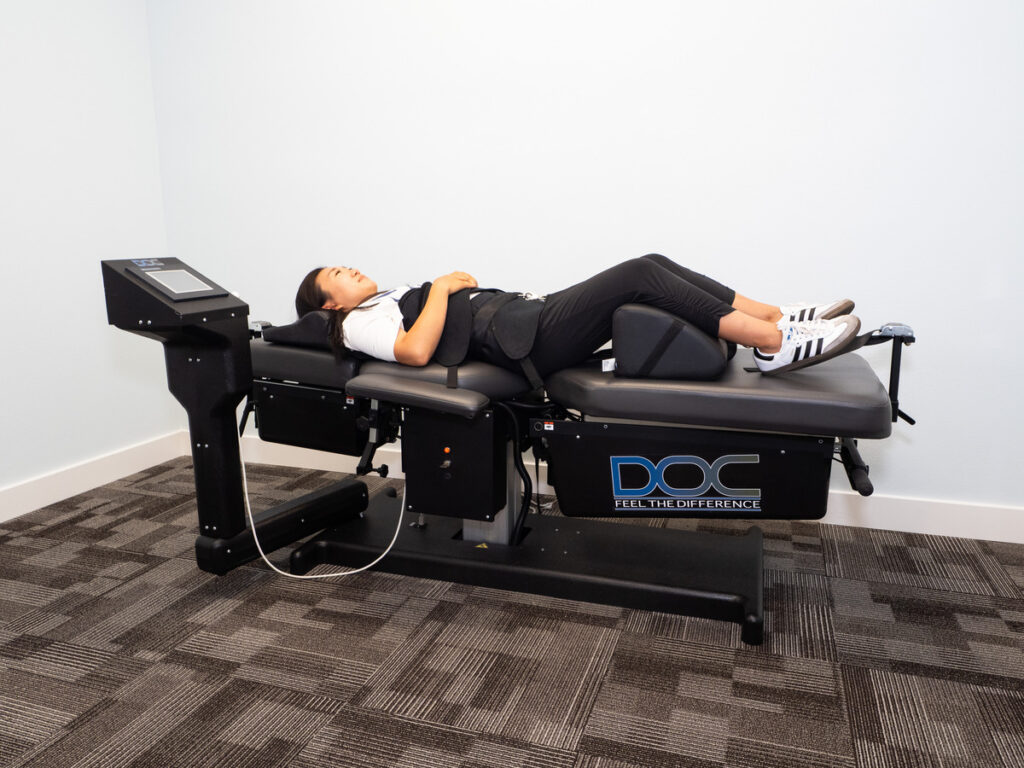

If you’re dealing with neck pain, you’re definitely not alone. It’s a common issue that many people face, often due to factors like poor posture or stress. Understanding these underlying causes is an important first step towards finding relief. One of the best ways to address neck pain is through chiropractic care, which focuses on natural healing and restoring proper spinal alignment.
By visiting your chiropractor, you can receive personalized adjustments that target the root of your discomfort. These adjustments can help alleviate tension, improve mobility, and promote overall wellness. In addition to chiropractic care, there are simple lifestyle changes and exercises you can incorporate into your daily routine to further support your neck health.
Here are some tips to get you started:
- Practice Good Posture: Be mindful of your posture, especially when sitting at a desk or using electronic devices. Keep your head aligned over your shoulders and avoid slouching.
- Take Breaks: If you work at a desk, make it a habit to take regular breaks. Stand up, stretch, and move around to relieve tension in your neck.
- Incorporate Stretching: Gentle neck stretches can help reduce stiffness. Try tilting your head side to side and forward and backward to increase flexibility.
- Use Supportive Pillows: Ensure you have a supportive pillow that maintains the natural curve of your neck while you sleep.
- Stay Hydrated: Proper hydration is essential for spinal health. Drink plenty of water throughout the day to keep your discs hydrated.
- Consider Regular Chiropractic Visits: Regular adjustments can help maintain spinal alignment, prevent future pain, and promote overall health.
By following these steps and prioritizing chiropractic care, you can effectively manage your neck pain and enhance your quality of life. Remember, health is a journey, and taking proactive steps towards spinal wellness can lead to lasting benefits.
Key Takeaways
- Practice Good Posture: Maintaining proper posture while sitting and standing is crucial for reducing strain on your neck muscles. Good posture not only helps alleviate pain but also promotes overall spinal health. Remember to keep your shoulders back and your head aligned with your spine.
- Incorporate Stretching Exercises: Regularly performing simple neck exercises, such as neck tilts, chin tucks, and shoulder shrugs, can significantly relieve tension and improve flexibility. These stretches can be easily done at home or even at your desk, offering a quick way to relax your neck muscles throughout the day.
- Adjust Your Workspace: Creating an ergonomic workspace is essential for preventing neck strain. Make sure your chair supports your lower back, your monitor is at eye level, and your keyboard is positioned so that your arms are comfortable. Small adjustments can make a big difference in your comfort and neck health.
- Engage in Stress Management: Stress can contribute to neck tension, so incorporating relaxation techniques like deep breathing, yoga, or mindfulness can be beneficial. These practices help reduce overall stress levels, allowing your body, including your neck, to relax and heal naturally.
- Seek Professional Help: If your neck pain persists, radiates, or is accompanied by numbness or loss of mobility, it’s important to consult a chiropractor. Chiropractic care focuses on natural healing and can help identify the root cause of your discomfort. With personalized adjustments and treatment plans, chiropractors can guide you toward optimal health and wellness, free from pain.
By following these tips and considering chiropractic care as a preferred solution, you can take proactive steps toward a healthier, pain-free neck.
Understanding the Causes of Neck Pain
When faced with neck pain, it’s crucial to identify the root causes to find effective relief. One of the primary culprits is poor posture. Many of us spend hours hunched over our screens, which can lead to unnecessary strain on the neck muscles. If you’ve noticed discomfort after long periods of looking down at your phone or laptop, you’re not alone. Repetitive movements can significantly contribute to neck pain over time.
Injuries, such as whiplash from accidents, can also leave a lasting impact on your neck health. These sudden jolts can lead to persistent discomfort that might require attention. Additionally, stress plays a significant role; when you’re tense, your neck muscles can become tight and painful.
Another common issue is your sleeping habits. If you wake up feeling sore, it might be time to evaluate your sleeping position and pillow choice. A supportive pillow that keeps your neck aligned can make a world of difference.
Certain medical conditions, like arthritis or herniated discs, can contribute to neck pain as well. However, the good news is that chiropractic care can effectively address these issues without the use of medications or invasive procedures.
By recognizing the causes of your neck pain, you can take proactive steps to alleviate it. Regular chiropractic adjustments can help restore proper alignment and function to your spine, promoting healing and overall wellness.
Here are some simple tips to help you manage neck pain:
- Maintain good posture: Keep your head aligned over your spine when sitting or standing.
- Take breaks: If you work at a desk, remember to stand up and stretch every hour.
- Use a supportive pillow: Choose a pillow that keeps your neck in a neutral position while you sleep.
- Manage stress: Incorporate relaxation techniques such as deep breathing or yoga into your routine.
Stretching Exercises for Neck Relief
Incorporating simple stretching exercises into your daily routine can significantly relieve neck pain and tension. These stretches are not only easy to perform but can also be done anywhere, making them a fantastic addition to your wellness plan. While these exercises are beneficial, remember that regular chiropractic care is essential for optimal spinal health and overall wellness.
Here’s a quick guide to some effective neck stretches:
| Stretch | How to Do It | Duration |
|---|---|---|
| Neck Tilts | Gently tilt your head toward one shoulder, hold the position, then switch to the other side. | 15 seconds each side |
| Chin Tucks | Slowly tuck your chin toward your chest while keeping your spine straight. This helps realign your neck. | 10 reps |
| Shoulder Shrugs | Lift your shoulders toward your ears, hold for a second, then let them drop back down. | 10 reps |
| Upper Trapezius Stretch | Extend one arm overhead and lean to the opposite side to stretch the upper neck muscles. | 15 seconds each side |
| Cat-Cow Stretch | Get on all fours and alternate between arching your back and rounding it, which helps with overall spinal mobility. | 10 reps |
In addition to these stretches, maintaining good posture throughout your day can prevent neck discomfort. Take regular breaks if you’re sitting for long periods, and ensure your workspace is ergonomically friendly.
While these stretches can provide relief, visiting your chiropractor regularly will help address underlying issues and promote long-term spinal health. Chiropractic care is a natural, effective way to manage pain and enhance your overall well-being. Your neck and spine will thank you for it!
Strengthening Your Neck and Shoulders
After addressing neck pain with gentle stretching, it’s important to focus on strengthening your neck and shoulders to enhance support and stability. This approach can significantly benefit your overall health and well-being, and chiropractic care can play a vital role in your journey towards optimal wellness.
Start with neck isometrics, a simple and effective exercise. Press your forehead into your palms for a few seconds—this activates your neck muscles without putting strain on them. Then, switch to pressing the back of your head into your hands, and finally, try pressing against each side of your head with your hands. These movements engage your neck muscles, helping to build strength and resilience.
Next, incorporate shoulder shrugs into your routine. Lift your shoulders towards your ears, hold for a moment, then relax them back down. Repeat this several times. This exercise can help relieve tension and improve mobility in your shoulders.
Using resistance bands is another excellent way to strengthen your upper back, which supports your neck. Stand on the band, hold the handles, and pull them apart while keeping your elbows slightly bent. This movement not only strengthens your muscles but also encourages proper alignment.
Finally, consider including wall angels in your exercises. Stand with your back against a wall and slide your arms up and down while maintaining contact with the wall. This exercise promotes good posture and helps to open up the shoulders.
Incorporating these exercises into your routine can help build muscle strength, improve your posture, and significantly reduce the risk of future neck pain. Consistency is key, and remember that chiropractic care is an excellent complement to these exercises, helping to ensure your spine and nervous system are functioning optimally.
Regular adjustments can enhance your body’s ability to heal naturally and maintain overall health. By prioritizing your neck and shoulder strength, you’re taking important steps towards a healthier, pain-free life.
Posture Improvements for Daily Activities
Improving your posture during daily activities is essential for your overall health and well-being, and chiropractic care can play a vital role in this journey. By being mindful of your alignment, you can alleviate discomfort and enhance your daily functioning.
When sitting, ensure your feet are flat on the floor, your back is straight, and your shoulders are relaxed. If you’re working at a desk, adjusting your chair and monitor height so that your screen is at eye level will help you avoid leaning forward, which can strain your spine. Remember, a well-aligned spine is crucial for maintaining your body’s natural posture.
While standing, try to distribute your weight evenly on both feet, and avoid locking your knees. Engaging your core muscles won’t only support your spine but also promote better stability. If you often find yourself looking down at your phone, consider bringing it up to eye level to minimize neck strain.
As you walk, keep your head up and shoulders back. This small adjustment can significantly improve your balance and reduce tension throughout your body. By incorporating these simple changes into your routine, you may notice less discomfort and an overall improvement in your quality of life.
Chiropractic care is an excellent way to support your posture and spinal health. Regular adjustments can help keep your spine aligned, reduce pain, and enhance your body’s natural ability to heal.
Stress Management Techniques
Managing stress can be a challenge, but by integrating effective techniques into your daily routine, you can greatly enhance your overall well-being. As a chiropractor, I believe in the power of natural healing and the role it plays in stress management and achieving optimal health. Here are some simple stress management techniques that you can easily incorporate into your life while considering the benefits of chiropractic care:
| Technique | Description | Benefits |
|---|---|---|
| Deep Breathing | Take a moment to inhale deeply through your nose and exhale slowly through your mouth. | This technique not only reduces tension and anxiety but also promotes relaxation, which can help alleviate discomfort related to spinal misalignments. |
| Mindfulness | Practice focusing on the present moment, whether through meditation or mindful activities. | Enhancing your emotional regulation can help you better cope with stressors, which is essential for maintaining a healthy spine and posture. |
| Physical Activity | Engage in regular, low-impact exercises like walking, swimming, or yoga. | Exercise boosts mood and energy levels, and it also supports spinal health, helping to prevent stiffness and pain. |
| Journaling | Take time each day to write about your thoughts and feelings. | This practice can clarify your emotions, reduce stress, and provide an outlet for expressing concerns that may also affect your physical health. |
| Social Support | Reach out to friends or family members for emotional support. | Connecting with loved ones can provide relief and encouragement, which is important for overall wellness and can positively impact your physical health. |
Ergonomic Adjustments for Workspaces
Creating an ergonomic workspace is crucial for reducing neck pain and improving your comfort during long working hours. One of the first steps you can take is to adjust your chair so that your feet rest flat on the floor, and your knees are at or below hip level. This positioning not only supports your lower back but promotes good posture, which is vital for spinal health.
Next, make sure your computer monitor is at eye level and about an arm’s length away. This setup helps you avoid leaning forward or straining your neck, which can lead to discomfort. If you work on a laptop, consider investing in a separate keyboard and mouse to maintain proper alignment for your wrists and shoulders.
Keep items you use frequently within easy reach to prevent unnecessary stretching or straining. If you spend a lot of time on the phone, a headset can be a game-changer, allowing you to keep your neck comfortable and avoid awkward positions.
It’s also essential to take regular breaks to stretch and move around. Not only does this help alleviate tension, but it can also prevent stiffness and promote overall well-being. Remember, these adjustments can significantly impact your neck health and productivity.
As a chiropractor, I emphasize the importance of natural healing and maintaining a healthy spine. Chiropractic care can be a powerful ally in your wellness journey, offering pain relief and promoting a healthier lifestyle.
When to Seek Professional Help
When should you consider seeking professional help for neck pain? If your discomfort lingers for more than a week or intensifies despite your efforts at home, it may be time to consult a chiropractor. Additionally, if you encounter any alarming symptoms, don’t hesitate to reach out for guidance.
Here’s a quick guide to help you decide when to seek chiropractic care:
| Symptom | Action |
|---|---|
| Persistent pain | Consult a chiropractor |
| Radiating pain | Consult a chiropractor |
| Numbness or tingling | Consult a chiropractor |
| Loss of mobility | Consult a chiropractor |
| Severe headaches | Consult a chiropractor |
Ignoring these signs can lead to further complications. A chiropractor can assess your condition and provide natural treatment options tailored to your needs. This may include spinal adjustments, therapeutic exercises, and lifestyle advice to promote healing and wellness.
Remember, addressing neck pain early can help prevent it from interfering with your daily activities. By choosing chiropractic care, you’re opting for a holistic approach that focuses on restoring balance and function to your body without the use of medications or invasive procedures. Here are some general tips you can incorporate into your daily routine to support neck health:
- Posture Check: Maintain good posture while sitting, standing, or using your phone.
- Regular Stretching: Incorporate gentle neck stretches into your day to improve flexibility.
- Stay Hydrated: Drink plenty of water to keep your spinal discs healthy.
- Ergonomic Setup: Ensure your workspace is set up to reduce strain on your neck.
- Mind Your Sleep Position: Use a supportive pillow to maintain neck alignment while you sleep.
Conclusion
Incorporating these steps into your daily routine can significantly alleviate neck pain and enhance your overall well-being. Understanding the root causes of your discomfort, engaging in specific chiropractic exercises, and making ergonomic adjustments at home and work can pave the way for better neck health. Remember, practicing stress management techniques will also contribute to your relaxation and comfort.
Chiropractic care is an excellent choice for achieving optimal health and natural pain relief. By visiting a chiropractor, you can receive personalized adjustments that target spinal alignment and promote healing from the inside out. This hands-on approach can address the underlying issues contributing to your neck pain without the need for medications or invasive procedures.
If your pain persists or worsens, it’s essential to seek professional chiropractic care. A chiropractor can provide tailored recommendations to help you manage your symptoms and improve your overall quality of life. Take charge of your neck health today, and experience the benefits of chiropractic care for a more comfortable tomorrow!