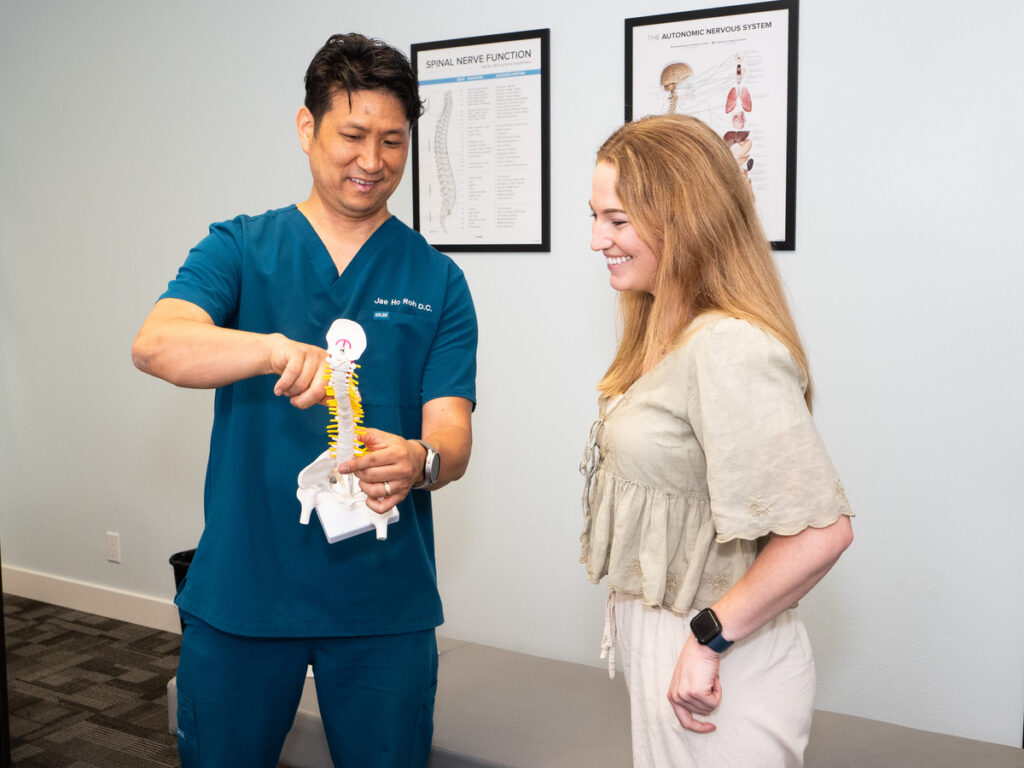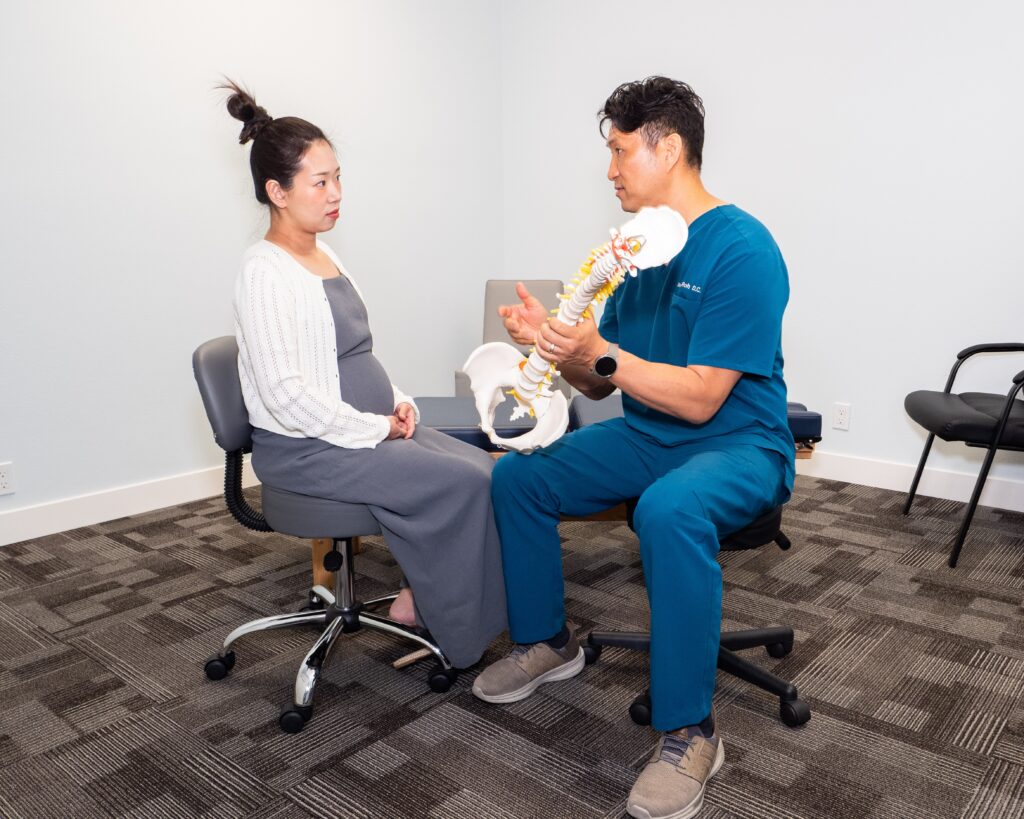

As a local chiropractor, I want to share insights about sports-related back pain and how it can impact your athletic performance and enjoyment. Many people experience this discomfort, but it's crucial to understand that the causes can extend beyond just overexertion during your activities.
In my practice, I've seen how implementing preventive measures and specific exercises can greatly alleviate back pain. These strategies not only help in recovery but also strengthen your back, ensuring it remains resilient as you pursue your athletic goals.
However, sometimes self-care just isn't enough. It's important to recognize when to seek professional assistance. Chiropractic care offers a natural approach to healing and can address the underlying issues contributing to your pain.
So, what proactive steps can you take to keep your back healthy and strong? Together, we can explore effective strategies tailored to your individual needs. Your journey to better back health starts with understanding your body and how chiropractic care can support you.
Understanding Sports-Related Back Pain
As a local chiropractor, I understand that sports-related back pain can be a significant obstacle to your athletic performance. This type of pain often arises from the physical demands of your sport, such as repetitive movements, heavy lifting, or sudden twists that can put strain on your back.
It's important to recognize this pain so that we can address it effectively and support your recovery. You may experience back pain in various forms, including stiffness, sharp discomfort, or a persistent dull ache. These symptoms can restrict your range of motion, making it challenging to perform at your peak.
I encourage you to pay close attention to how your body reacts during different activities. This awareness can help you pinpoint patterns in your pain and identify potential triggers. Moreover, it's essential to consider the impact of your mental state on your back pain.
Stress and anxiety can lead to increased muscle tension, which can exacerbate your discomfort. Acknowledging this link allows us to approach your pain from a holistic perspective, addressing both the physical and emotional aspects of your well-being.
Recovery involves more than just resting; it requires an understanding of your body's signals and making necessary adjustments. Together, we can explore options such as incorporating stretching into your routine, enhancing your posture, and utilizing chiropractic techniques to aid your recovery.
Knowledge is a powerful tool, and by understanding sports-related back pain, you empower yourself to make informed decisions about your training and healing process. Taking proactive measures will help you stay on track, enabling you to return to your sport stronger and more resilient than ever.
As your chiropractor, I'm here to guide you through this journey towards improved health and performance.
Common Causes of Back Pain
As a local chiropractor, I often see many athletes who experience back pain due to various factors that can place strain on the muscles and ligaments in their back. One of the most common culprits is improper lifting techniques. Whether you're lifting weights at the gym or handling equipment during practice, using your legs and core incorrectly can lead to serious back injuries.
Another significant contributor to back pain is overuse. Engaging in repetitive motions, particularly in sports like tennis or golf, can result in muscle fatigue and strain. You may notice that the more you participate in these activities, the more you feel the effects on your back.
Additionally, a lack of flexibility can heighten the risk of injury. Tight hamstrings and hip flexors can create extra pressure on your lower back, leading to discomfort and pain.
Poor posture is another major factor, especially during activities or long periods of sitting. If you're hunched over while working on your laptop or during practice, it puts unnecessary strain on your spine, which can lead to chronic pain over time.
Lastly, it's important to recognize that an underlying injury or condition, such as a herniated disc or sciatica, can also manifest as back pain. These issues often require careful attention and may benefit from professional evaluation to determine the best course of action.
By understanding these common causes of back pain, you can become more aware of how your body reacts to certain activities. As your chiropractor, I encourage you to take proactive steps to mitigate back pain, which will help you maintain your performance and overall well-being.
Preventive Measures for Athletes
As a local chiropractor dedicated to your well-being, I want to emphasize the importance of maintaining a healthy back, especially for athletes.
It's essential to adopt preventive measures that can safeguard you from potential injuries. Start by incorporating proper warm-up techniques before any physical activity; this prepares your muscles and spine for the demands of your sport.
Additionally, engaging in core strengthening exercises can provide crucial support to your back, enhancing stability and reducing strain.
Moreover, consider the ergonomic equipment you use, whether it's your sports gear or even your workstation. The right equipment can significantly alleviate undue stress on your spine.
By prioritizing these practices, you're not just enhancing your performance; you're also taking proactive steps to minimize the risk of sports-related back pain.
Proper Warm-Up Techniques
As a local chiropractor, I want to emphasize the importance of warming up properly, especially for those who may be new to understanding how to take care of their bodies. Effective warm-up techniques are crucial for preventing back pain and enhancing overall performance, whether you're playing a sport or just engaging in physical activities.
Before you dive into any physical exertion, it's vital to prepare your body adequately. Start with light aerobic exercises—think jogging or jumping jacks. This not only gets your heart rate up but also increases blood flow to your muscles, which is essential for optimal function. Aim for about 5-10 minutes of this warm-up.
Next, I recommend incorporating dynamic stretches that specifically target your back, hips, and legs. Movements like arm circles, leg swings, and torso twists can help loosen your muscles and improve flexibility. It's important to focus on controlled movements rather than static stretches, as the latter can lead to injury if your muscles aren't properly warmed up.
Moreover, consider including exercises that are specific to the activities you engage in. For instance, if you enjoy playing soccer, practicing dribbling or performing short sprints will activate your core and back muscles in a way that's relevant to your sport. Always strive for fluid and intentional movements to avoid any abrupt actions that could strain your back.
Finally, wrapping up your warm-up with a few minutes of sport-specific drills will allow your body to transition smoothly into the main activity, significantly reducing the risk of back pain and ensuring you're fully prepared to perform at your peak.
Core Strengthening Exercises
As a local chiropractor, I want to emphasize the importance of incorporating core strengthening exercises into your routine. Not only do these exercises help prevent sports-related back pain, but they also enhance your overall athletic performance. A strong core is vital for stabilizing your spine, maintaining proper posture, and supporting your body's movements, ultimately reducing the risk of injury.
Let's begin with planks. I recommend holding a plank position for 30 seconds to a minute. Focus on engaging your abdominal muscles while ensuring your body remains in a straight line. Side planks are another fantastic option, as they specifically target your obliques and improve lateral stability. Aim for three sets on each side to really feel the benefits.
Next, consider adding bridges to your routine. This exercise is excellent for strengthening your lower back and glutes. To perform a bridge, lie on your back with your knees bent and feet flat on the floor. Lift your hips toward the ceiling while squeezing your glutes at the top. Hold for a few seconds before lowering back down. I suggest doing three sets of 10-15 repetitions.
Finally, I encourage you to try bird-dogs. This exercise involves balancing on your hands and knees while extending one arm forward and the opposite leg back. It's a great way to build coordination and balance, which are crucial for athletes.
By integrating these core strengthening exercises into your daily routine, you'll not only support your spine and posture but also promote natural healing and enhance your athletic capabilities.
If you have any questions or need guidance on proper form, feel free to reach out to me. Your health and wellness are my top priority!
Ergonomic Equipment Usage
As a local chiropractor, I want to emphasize the significant role that ergonomic equipment plays in preventing sports-related back pain for athletes—something you may not have considered before.
By utilizing gear specifically designed to support your body's natural alignment, you can significantly lower your risk of injury. Whether you're lifting weights, cycling, or participating in any sport, investing in ergonomic accessories can truly make a difference in your performance and overall health.
To start, when you're training, it's crucial to use a well-fitted chair or bench. It should provide support for your lower back and encourage good posture.
If you're engaging in weightlifting, consider wearing belts that stabilize your core; this will help maintain proper alignment during heavy lifts and protect your spine.
Footwear is another critical aspect; make sure to choose shoes that offer adequate support and cushioning tailored to your activities. The right shoes can help prevent unnecessary strain on your back and joints.
For sports that require prolonged sitting, such as cycling or rowing, ergonomic seats are essential. These seats help distribute your weight evenly, alleviating pressure on your spine and reducing the risk of discomfort or injury.
Lastly, if you're involved in training analysis or recovery work that requires computer use, don't underestimate the importance of a proper setup.
Positioning your monitor at eye level and using an adjustable chair can help prevent strain during those long hours of work.
Incorporating these ergonomic principles into your routine can enhance your athletic performance and contribute to your overall wellness.
Stretching and Strengthening Exercises
As a local chiropractor, I want to emphasize the importance of stretching and strengthening exercises in managing sports-related back pain. These exercises aren't just for athletes—they're essential for anyone looking to enhance their overall well-being.
By integrating these practices into your daily routine, you can improve your flexibility, build muscle strength, and promote better posture, which are all crucial for maintaining a healthy back. Here are three key benefits to consider:
- Increased Flexibility: Stretching is vital in lengthening tight muscles and improving your overall mobility. When your muscles are flexible, they can provide better support for your spine, especially during physical activities. This can significantly lower your risk of injuries and discomfort.
- Enhanced Strength: Strengthening exercises focus on your core, back, and abdominal muscles. A robust core is essential for stabilizing your spine and maintaining proper alignment. This added support can greatly alleviate strain on your back while engaging in various sports or physical activities.
- Improved Posture: Many sports can contribute to poor posture, which can worsen back pain. By regularly practicing stretching and strengthening exercises, you can develop greater awareness of your body's alignment, encouraging healthier posture both during sports and in your everyday life.
To embark on this journey, I recommend incorporating exercises such as the cat-cow stretch, bird-dog, and planks into your routine.
Always remember to warm up adequately before you begin any exercise and pay close attention to your body's signals. If you experience any sharp pain or discomfort, it's crucial to stop and reassess your approach.
With consistent practice and dedication, you can effectively manage and even prevent sports-related back pain, allowing you to perform at your best and enjoy a more active lifestyle.
Treatment Options Available
As a local chiropractor, I want to help you understand the various treatment options available for sports-related back pain and how chiropractic care can play a vital role in your recovery.
It's essential to explore different approaches based on the severity of your pain and your individual needs. One of the first steps many people consider is using over-the-counter pain relievers like ibuprofen or acetaminophen. While these can help reduce inflammation and provide temporary relief, they don't address the underlying issues.
If your pain persists or intensifies, it's a good idea to consult a healthcare provider for prescription medications that may include stronger anti-inflammatories or muscle relaxants.
Physical therapy is another valuable option. A skilled therapist can design a personalized program of targeted exercises, stretching, and manual therapy to strengthen your back and enhance flexibility. This approach not only aids in recovery but also helps prevent future injuries.
As a chiropractor, I emphasize the benefits of chiropractic care. Through spinal manipulation, we can align your spine, alleviate pain, and improve your overall function. Many athletes find significant relief and enhanced performance through this hands-on treatment, as it addresses the root causes of discomfort rather than just masking the symptoms.
If you're interested in alternative therapies, acupuncture and massage therapy can also offer considerable benefits. Acupuncture works by targeting specific pressure points to relieve pain, while massage therapy can help to relax tight muscles and improve blood circulation.
Additionally, incorporating heat or cold therapy into your routine can be very effective. Applying heat helps to relax tense muscles, while cold packs can numb sharp pain and reduce inflammation.
By considering these various treatment options, including the holistic benefits of chiropractic care, you can take proactive steps toward recovering from sports-related back pain and maintaining your overall health.
I'm here to guide you on this journey to wellness.
When to Seek Professional Help
As a local chiropractor, I want to emphasize the importance of listening to your body. If your back pain lingers for more than a few days or starts to affect your ability to move freely, it's crucial to consider seeking professional help.
Ignoring these warning signs can potentially lead to more significant health concerns, particularly if you notice symptoms related to nerve compression, such as tingling or numbness.
Chiropractic care focuses on natural healing and can provide effective relief for back pain.
Recognizing when it's time to reach out for assistance is vital not only for your immediate comfort but also for your long-term health and recovery.
Don't hesitate to consult with a chiropractor who can guide you on your path to wellness and help restore your body's natural balance.
Persistent Pain Duration
As a local chiropractor, I want to help you understand the importance of addressing sports-related back pain, especially when it lingers for more than a few days.
It's essential to recognize the signs that indicate you may need professional assistance. Ignoring persistent pain can lead to more serious conditions and extended recovery times. Here are some key indicators to consider:
- Increased Intensity: If your pain is getting worse instead of better, this is a clear signal that something may be amiss. Increased pain can suggest a more serious underlying issue that requires attention.
- Radiating Pain: Are you feeling discomfort that travels down your legs or into other parts of your body? This could indicate nerve involvement, and it's crucial to have this evaluated by a professional.
- Night Pain: If your pain interrupts your sleep or is present even during periods of rest, it's a sign that you should seek help. Pain that interferes with your daily life shouldn't be overlooked.
Don't let fear or uncertainty prevent you from seeking care. Recognizing these warning signs early can lead to effective treatment options that promote natural healing and a quicker return to your favorite sports activities.
Your health and well-being are paramount, and seeking chiropractic care sooner rather than later can often result in better outcomes. Remember, we're here to support you on your journey to recovery and optimal health.
Limited Mobility Symptoms
As a local chiropractor, I want to emphasize the importance of recognizing limited mobility, especially when it comes to sports-related back pain. If you find yourself struggling to bend, twist, or lift without discomfort, it's crucial to take notice. These challenges can't only affect your athletic performance but also interfere with your daily life, indicating that there may be a more serious underlying issue.
It's also important to be aware of any stiffness that persists despite rest or gentle stretching. If activities that once brought you joy, like running or playing your favorite sports, become increasingly difficult, that's a signal that you should seek help.
Additionally, if you have trouble maintaining good posture or feel unsteady while moving, it's time to consider professional guidance. Ignoring signs of limited mobility can lead to more severe complications and may prolong your recovery journey.
By seeking chiropractic care early, you can prevent your condition from worsening. As a chiropractor, I can conduct a comprehensive assessment and recommend natural treatments tailored to restore your mobility and alleviate pain.
Don't let back pain keep you from enjoying the activities you love. Prioritize your health and well-being by taking action when you notice limitations in your movement. You deserve to live an active and fulfilling life.
Nerve Compression Indicators
As a local chiropractor, I want to help you understand the importance of recognizing the signs of nerve compression, especially if you're dealing with sports-related back pain. Ignoring these symptoms can lead to more significant issues in the future.
Here are a few key indicators that suggest it's time to seek professional help:
- Persistent Tingling or Numbness: If you're experiencing a constant tingling or numbness in your legs, arms, or back, this may be a sign of nerve compression. It's essential to have this evaluated to determine the underlying cause.
- Weakness in Limbs: Are you finding it difficult to move your arms or legs, or have you suddenly noticed weakness? These could be symptoms indicating that a nerve is being compressed, which can affect your muscle function and overall mobility.
- Loss of Bladder or Bowel Control: This is a serious concern. If you notice any loss of control or experience difficulties with urination or bowel movements, it's crucial to seek medical attention immediately.
Please don't ignore these signs. Early intervention through chiropractic care can help prevent further damage and facilitate a quicker return to your favorite sports activities.
Your health is our priority, and we're here to guide you through natural healing solutions. If you suspect nerve compression, don't hesitate to reach out. Taking proactive steps now can significantly impact your recovery and well-being.
Conclusion
As your local chiropractor, I want to emphasize the importance of a proactive approach to managing sports-related back pain. Many people may not realize that understanding the underlying causes of your discomfort is the first step in addressing it effectively. By implementing some preventive measures, such as proper posture during activities and using appropriate equipment, you can significantly lower your risk of injury.
Additionally, incorporating targeted stretching and strengthening exercises into your routine can be highly beneficial. These exercises not only help alleviate existing pain but also contribute to a stronger, more resilient back, which is essential for optimal athletic performance.
If you find that your pain persists, I encourage you to reach out for a consultation. Chiropractic care offers tailored advice and natural treatment options that can help you on your journey to recovery. Remember, taking care of your back is not just about relieving pain; it's about enhancing your overall performance and well-being. Prioritizing your spinal health should be an integral part of your training regimen!