
If you’ve ever dealt with the discomfort of whiplash, you understand just how limiting it can be. Achieving relief goes beyond simply easing the pain; it’s about restoring your mobility and enhancing your overall well-being. One of the most effective ways to accomplish this is through chiropractic care.
Chiropractic adjustments not only help alleviate pain but also promote proper spinal alignment, which is crucial for optimal health. By focusing on the root cause of your discomfort, chiropractic care can aid in healing and prevent future issues.
In addition to adjustments, incorporating mindfulness practices can also support your recovery. Techniques such as deep breathing or gentle stretching can help ease tension and improve your body’s natural healing processes.
Here are some general tips to keep in mind as you navigate your recovery from whiplash:
- Stay Active: Gentle movements and stretches can help maintain mobility without exacerbating your symptoms.
- Apply Heat or Cold: Using a heat pack or ice can provide relief and reduce inflammation in the affected areas.
- Focus on Posture: Being mindful of your posture, especially if you work at a desk, can help prevent further strain on your neck and spine.
- Hydrate and Nourish: Drinking plenty of water and eating a balanced diet can support your body’s healing processes.
With a tailored approach to your care, chiropractic techniques can be the key to regaining your health and enhancing your quality of life. Embrace this natural path to recovery, and remember that your journey to wellness is just a chiropractic visit away.
Key Takeaways
- As a local chiropractor, I recommend incorporating soft tissue mobilization and myofascial release techniques to effectively reduce muscle tension and enhance circulation in areas affected by whiplash. These gentle, hands-on methods can help relieve discomfort and promote healing naturally.
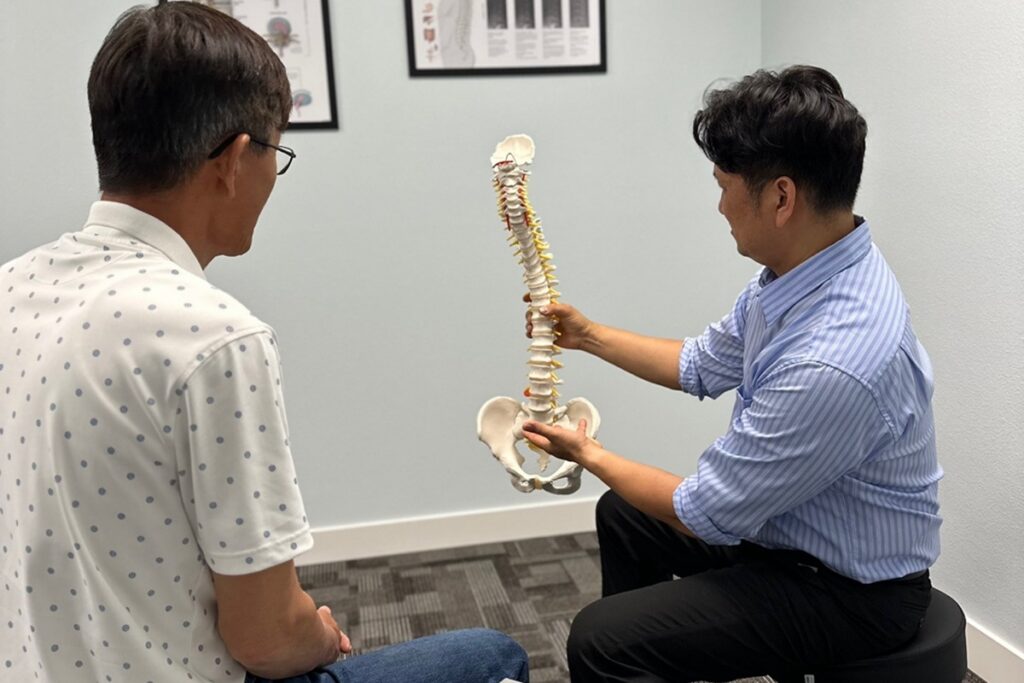
- Gentle spinal manipulations are another key aspect of chiropractic care. By restoring proper alignment of the spine, we can alleviate pain without resorting to invasive procedures. This non-surgical approach is not only effective but also safe for long-term wellness.
- Customized exercise routines are essential for recovery. Focusing on gentle stretching and strengthening of the neck muscles can significantly improve mobility. I encourage patients to engage in these tailored exercises, as they play a crucial role in regaining strength and flexibility.
- Utilizing heat therapy can help relax tight muscles, while cold therapy is effective in reducing inflammation. Alternating between heat and cold can provide better relief and is a simple practice you can incorporate into your daily routine.
- Lastly, practicing mindfulness and meditation techniques can be invaluable for managing pain perception and promoting relaxation during recovery. These practices not only support your physical healing but also contribute to your overall well-being.
By choosing chiropractic care, you are taking a natural and holistic approach to healing from whiplash and achieving optimal health. Remember, you have the power to take control of your pain and enhance your wellness journey!
Understanding Whiplash: Causes and Symptoms
Whiplash is a common injury that occurs when your head is suddenly jerked forward and then backward, often as a result of car accidents or sports injuries. This quick movement can cause damage to the soft tissues in your neck, leading to a range of uncomfortable symptoms. You might notice neck pain, stiffness, or headaches soon after the incident. In some cases, the pain can spread to your shoulders or arms, creating additional discomfort.
Other symptoms to be aware of include dizziness, fatigue, and difficulty concentrating. You may also experience changes in your sleep patterns or feel more irritable than usual. The intensity of these symptoms can vary greatly; while some individuals may find relief within a few days, others might face challenges lasting weeks or even months.
As a chiropractor, I want to emphasize the importance of understanding these symptoms and their connection to whiplash. Seeking chiropractic care can be an effective way to address your pain naturally, helping to restore proper alignment and function to your spine and neck. Chiropractic adjustments can promote healing, reduce inflammation, and alleviate discomfort without the need for medications or invasive procedures.
Here are some simple tips to help you manage whiplash symptoms and promote healing:
- Stay Active: Gentle movement and stretching can help keep your neck flexible. Avoid prolonged bed rest, as it can lead to stiffness.
- Apply Ice: In the first few days after the injury, applying ice to your neck can help reduce swelling and numb the pain.
- Practice Good Posture: Maintaining proper posture while sitting or standing can relieve pressure on your neck and spine.
- Stay Hydrated: Drinking plenty of water supports overall health and helps keep your muscles and tissues hydrated.
- Seek Chiropractic Care: A chiropractor can assess your condition and create a personalized treatment plan. Regular adjustments can help restore balance and promote overall wellness.
The Role of Physical Therapy in Whiplash Recovery
When you’re on the road to recovery from whiplash, chiropractic care is a vital component of your healing journey. Chiropractors specialize in spinal health and can provide natural and effective relief for your pain and discomfort. Through gentle adjustments, specialized stretching, and strengthening exercises, we can help restore your mobility and support your body’s natural healing processes.
Let’s take a closer look at how chiropractic care can aid your recovery:
- Spinal Adjustments: Chiropractors use precise adjustments to align your spine, which can alleviate pressure on nerves and reduce pain. This realignment not only helps with immediate relief but also promotes long-term wellness.
- Exercise Guidance: We can create a personalized exercise plan tailored to your needs, focusing on gentle movements that strengthen the muscles around your neck and back. This will help you regain strength and prevent future injuries.
- Pain Management Techniques: In addition to adjustments, we utilize various techniques such as soft tissue therapy and stretching to help manage pain naturally, allowing your body to heal without the use of medications or invasive procedures.
- Education: Understanding your body and how it heals is crucial. We’ll take the time to explain the impact of whiplash on your spine and overall health, empowering you with knowledge to aid in your recovery.
- Lifestyle Tips: Simple changes in your daily routine, such as maintaining good posture and incorporating ergonomic practices at work, can significantly enhance your recovery and overall well-being.
Choosing chiropractic care for whiplash recovery not only addresses your immediate pain but also sets the foundation for a healthier, more active lifestyle.
Manual Therapy Techniques
Recovering from whiplash can be a tough journey, but chiropractic care offers a holistic approach that can make a significant difference. As a chiropractor, I believe that manual therapy techniques are key in alleviating pain, enhancing mobility, and fostering the body’s natural healing processes. These hands-on methods not only provide relief but also promote overall wellness.
Here’s a look at some common manual therapy techniques used in chiropractic care:
| Technique | Description |
|---|---|
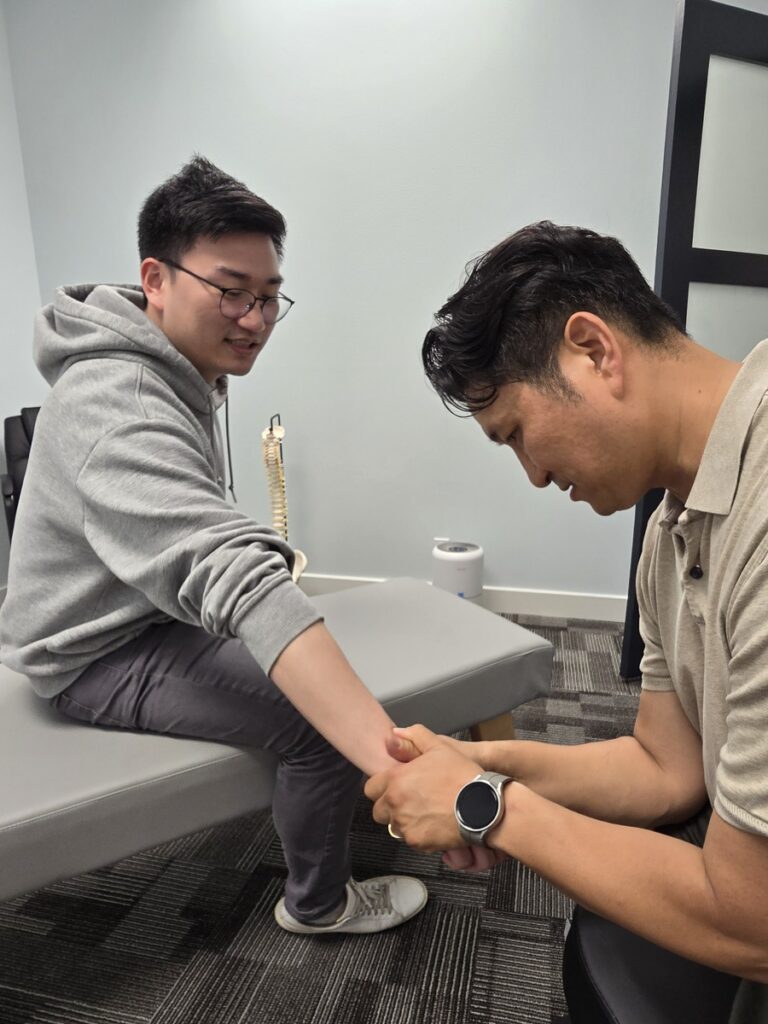
| Soft Tissue Mobilization | Helps to ease muscle tension and discomfort, allowing your body to relax. |
| Joint Mobilization | Aims to enhance the range of motion in your joints, making movement smoother. |
| Myofascial Release | Targets the connective tissue, known as fascia, to relieve any tightness or restrictions. |
| Trigger Point Therapy | Focuses on specific areas of muscle knots that can cause pain and discomfort. |
| Craniosacral Therapy | A gentle technique that promotes relaxation and balance in the body. |
Incorporating these techniques into your recovery plan can help you feel better and regain your quality of life. Here are some general tips to support your holistic healing journey:
- Stay Active: Engage in gentle exercises as recommended by your chiropractor to keep your body moving and prevent stiffness.
- Hydrate: Drinking plenty of water can help maintain tissue health and support the healing process.
- Practice Good Posture: Being mindful of your posture can help reduce strain on your neck and spine.
- Listen to Your Body: Pay attention to how your body feels, and communicate any concerns with your chiropractor.
- Rest and Recover: Ensure you’re giving your body enough time to heal, especially after sessions.
Choosing chiropractic care not only addresses your immediate pain but also sets the foundation for long-term health and wellness. Embrace this natural approach to healing, and you’ll be on your way to feeling your best!
Exercise Rehabilitation Strategies
Incorporating exercise rehabilitation strategies into your recovery plan can greatly enhance the healing process after a whiplash injury. At our chiropractic practice, we believe that the right exercises not only help strengthen your neck muscles but also improve flexibility and restore your range of motion naturally. A chiropractor can work closely with you to develop a customized routine tailored to your specific needs.
Start with gentle stretches to alleviate tension in your neck. As you begin to feel better, you can gradually progress to strengthening exercises that will support your spine and overall health. Consistency is crucial, so aim to practice your exercises regularly for the best results.
Always listen to your body—if something feels painful, it’s important to reach out to your chiropractor for adjustments to your routine. Remember, chiropractic care focuses on natural healing, so by committing to these rehabilitation strategies, you’re not just boosting your recovery, but also nurturing your body’s innate ability to heal itself.
In addition to your exercise routine, here are some general tips to enhance your wellness:
- Stay Hydrated: Drinking plenty of water helps keep your muscles hydrated and functioning optimally.
- Maintain Good Posture: Being mindful of your posture can help reduce strain on your neck and back.
- Incorporate Relaxation Techniques: Practices like deep breathing, yoga, or meditation can help alleviate stress, which may contribute to muscle tension.
- Regular Chiropractic Visits: Keeping up with your chiropractic adjustments can ensure your spine remains aligned, supporting your recovery and overall health.
Pain Management Approaches
Pain management is a vital aspect of recovering from whiplash, and chiropractic care is a powerful tool in this journey. Unlike traditional methods, chiropractic focuses on natural healing and restoring your body’s alignment. By visiting a chiropractor, you’ll receive personalized treatments designed to relieve pain and enhance your overall wellness.
Chiropractors utilize hands-on techniques to realign your spine and improve neck and shoulder function. These adjustments can alleviate tension and reduce discomfort, promoting natural healing without the need for medications or invasive procedures. In addition to adjustments, chiropractors often recommend specific exercises that strengthen your neck and shoulder muscles, helping you regain flexibility and support your recovery.
Understanding proper posture and body mechanics is crucial in preventing future injuries. A chiropractor can guide you on how to maintain good posture during daily activities, which can significantly reduce stress on your neck and spine.
To support your healing process, consider these general tips:
- Stay Active: Gentle movements and stretches can help keep your muscles engaged and prevent stiffness.
- Hydrate: Drinking plenty of water supports overall health and can help keep your spinal discs hydrated.
- Rest Smartly: Ensure you have a supportive pillow and mattress that maintain proper spinal alignment while you sleep.
- Listen to Your Body: Pay attention to any movements that cause discomfort and avoid them to minimize further injury.
Regular visits to your chiropractor not only help you manage pain but also enhance your overall health and well-being. By choosing chiropractic care, you’re investing in a natural approach to healing that prioritizes your body’s ability to recover and thrive.
With the right support, you’ll be back to your daily activities with renewed confidence and vitality.
Exploring Chiropractic Adjustments for Pain Relief
Chiropractic adjustments are a powerful tool for finding significant relief from whiplash pain. By gently realigning your spine, these adjustments help reduce muscle tension and restore proper movement to your neck and back. When your spine is in alignment, your body can heal more effectively, allowing you to feel better faster.
Every individual is unique, which is why it’s important to explore different chiropractic techniques to discover what works best for you. Your chiropractor can guide you through various methods tailored to your specific needs, promoting natural healing and overall wellness.
In addition to chiropractic adjustments, here are some simple tips to help ease your symptoms:
- Stay Hydrated: Drinking plenty of water supports overall health and can help keep your muscles and joints lubricated.
- Gentle Stretching: Incorporate gentle neck and shoulder stretches into your routine to alleviate tension.
- Posture Awareness: Pay attention to your posture throughout the day, especially if you spend long hours sitting at a desk.
- Apply Heat or Ice: Using a heating pad or ice pack can help relieve discomfort in the affected areas.
- Regular Chiropractic Visits: Consistent chiropractic care can help maintain your spinal health and prevent future issues.
Benefits of Chiropractic Adjustments
When dealing with whiplash symptoms, chiropractic adjustments can be a game-changer in your recovery process. These gentle adjustments work to realign your spine, alleviating tension and helping your body function as it should. As a result, many patients find they enjoy an improved range of motion, which can significantly reduce discomfort and stiffness.
One of the fantastic benefits of chiropractic care is its ability to promote better blood flow, which enhances healing in the areas affected by whiplash. You may also notice a decrease in headaches and neck pain, allowing you to go about your daily activities without the constant distraction of discomfort.
Regular chiropractic adjustments can play a crucial role in maintaining your spinal health, helping to prevent future issues from arising. Each treatment is personalized to meet your specific needs, providing a holistic approach to managing whiplash symptoms effectively.
Here are some general tips to complement your chiropractic care:
- Stay Hydrated: Drinking plenty of water can help keep your muscles and joints hydrated, aiding in recovery.
- Gentle Stretching: Incorporate gentle stretches into your routine to help maintain flexibility and reduce stiffness.
- Good Posture: Be mindful of your posture throughout the day. Proper alignment can alleviate strain on your neck and spine.
- Rest and Recover: Give your body the time it needs to heal. Rest is essential for recovery from whiplash.
Embracing chiropractic care can be a vital step toward achieving optimal health and wellness. It’s a natural, effective way to find relief and support your body’s healing process. Let’s work together on your journey to recovery!
Techniques for Effective Relief
Finding effective relief from whiplash symptoms can be a journey, but chiropractic care offers some of the best techniques tailored to your individual needs. One of the most effective methods we use is spinal manipulation. This gentle adjustment helps restore proper alignment in your spine, which can significantly reduce pain and discomfort.
In addition to spinal manipulation, we often utilize soft tissue therapy. This technique targets muscle tension, helping to relax tight areas and improve blood circulation. By relieving muscle tightness, we can support your body’s natural healing process.
Incorporating specific exercises into your routine is another key aspect of your recovery. These exercises are designed to strengthen your neck muscles and enhance your mobility, ensuring that you regain function effectively and safely.
We also recommend simple yet effective techniques like applying heat or ice to the affected area. Heat can help soothe and relax tense muscles, while ice can reduce inflammation and numb any pain.
It’s important to have a conversation with your chiropractor about your specific symptoms and recovery goals. Together, we can create a personalized treatment plan that focuses on your unique needs and accelerates your healing process.
Remember, chiropractic care isn’t just about immediate relief; it’s about achieving optimal health and wellness for the long term.
As a takeaway, always listen to your body, stay hydrated, and practice good posture throughout your day. These small changes can make a big difference in your recovery and overall well-being. Embrace the natural healing power of chiropractic care and take the first step towards a healthier, pain-free life!
Benefits of Acupuncture in Treating Whiplash
Acupuncture can be a helpful tool for managing whiplash symptoms, but as a chiropractor, I want to emphasize the importance of chiropractic care as the best approach for achieving optimal health and wellness.
While acupuncture may provide some benefits, chiropractic adjustments address the root cause of pain and discomfort. Here are some reasons why chiropractic care is a superior choice for whiplash recovery:
- Pain Relief: Chiropractic adjustments realign the spine and restore proper function to the nervous system, allowing your body to heal naturally and effectively reduce pain.
- Improved Mobility: Chiropractors use specific techniques to enhance joint movement and flexibility, helping you regain mobility and reduce stiffness more effectively than acupuncture alone.
- Holistic Approach: Chiropractic care focuses on your overall wellbeing, not just treating symptoms. By addressing spinal alignment and supporting your body’s natural healing processes, you can achieve long-lasting relief.
- Education and Prevention: A chiropractor will teach you exercises and stretches that can help prevent future injuries, empowering you to take control of your health and wellness journey.
In addition to seeking chiropractic care, here are some general tips to support your recovery from whiplash:
- Stay Active: Gentle movements and stretching can help maintain flexibility and reduce stiffness.
- Apply Heat or Cold: Using heat packs or ice packs can relieve pain and inflammation, providing comfort as you recover.
- Practice Good Posture: Maintaining proper posture can help alleviate strain on your neck and spine.
- Manage Stress: Engage in relaxation techniques like deep breathing or meditation to help reduce tension in your body.
By choosing chiropractic care, you’re taking an important step toward a healthier, pain-free future.
Mindfulness and Meditation Techniques for Pain Management
Chiropractic care provides a solid foundation for recovery, and when paired with mindfulness and meditation techniques, you can take your pain management efforts to the next level. Mindfulness teaches you to focus on the present moment, helping you to acknowledge and accept your pain without criticism. This change in mindset can significantly lessen the emotional toll that pain can take on you.
Incorporating meditation into your daily routine can also be incredibly beneficial. Just a few minutes each day spent sitting quietly, taking deep breaths, and visualizing relief can make a difference. You might consider using guided meditations specifically aimed at pain relief, as they can help you cultivate a sense of calm and relaxation, easing tension in your body.
Here are some practical tips to integrate these techniques into your everyday life: Whenever you’re waiting in traffic or standing in line, take a moment to practice mindful breathing. Focus on your breath and let go of any distractions.
These simple practices can lead to meaningful improvements in how you manage whiplash symptoms and support your body’s natural healing process.
The Impact of Massage Therapy on Muscle Tension
When you’re dealing with muscle tension from whiplash, it’s essential to know that massage therapy can play a supportive role in your recovery journey. While massage therapy can be beneficial, it’s important to remember that chiropractic care is the most effective way to address the root causes of pain and discomfort.
Chiropractic adjustments can help realign your spine, which is crucial for optimal health and function. Here’s how chiropractic care can complement your recovery from muscle tension:
- Spinal Alignment for Improved Blood Flow: Chiropractic adjustments enhance blood circulation throughout the body, ensuring that oxygen and nutrients reach the affected areas quickly. This promotes healing and recovery.
- Targeting Muscle Tension: Chiropractors use specific techniques to alleviate muscle tension, addressing not just the symptoms but also the underlying causes. By correcting misalignments in your spine, we can help break down knots and relax tight muscles effectively.
- Restoring Range of Motion: Regular chiropractic care aids in restoring mobility and flexibility, allowing you to move more freely and comfortably in your daily activities.
- Holistic Stress Relief: Chiropractic care not only addresses physical ailments but also promotes overall well-being. By reducing pain and improving spinal health, you can experience a decrease in anxiety and stress levels.
Incorporating chiropractic care into your recovery plan is a natural and effective way to enhance your well-being and expedite your healing process.
Utilizing Heat and Cold Therapy for Immediate Relief
After addressing muscle tension through chiropractic care, it’s essential to consider additional effective methods for relief. Utilizing heat and cold therapy can provide immediate comfort for your whiplash symptoms and complement the benefits of chiropractic adjustments.
Heat therapy is a fantastic way to relax tight muscles and improve blood flow, which aids in healing. You can easily apply heat using a warm towel, a heating pad, or by soaking in a warm bath for about 15-20 minutes. This can really help soothe the affected area and enhance your overall recovery.
On the flip side, cold therapy plays a crucial role in reducing inflammation and numbing sharp pain. An ice pack wrapped in a cloth can be applied for 10-15 minutes to the painful area.
Switching between heat and cold can be very effective, so pay attention to how your body feels and adjust accordingly.
Incorporating these therapies alongside your chiropractic care can significantly boost your recovery process, providing the relief you need while managing whiplash symptoms effectively.
Remember, listening to your body is key—adjust the temperature as needed for your maximum comfort.
Nutritional Support for Healing and Recovery
To enhance your recovery from whiplash, it’s important to focus on nutritional support, as the right nutrients can significantly aid in your healing process. A balanced diet not only fuels your body but also provides the essential building blocks for recovery.
Here are four key nutrients to include in your daily meals:
- Omega-3 Fatty Acids: These healthy fats, found in fish, flaxseeds, and walnuts, are known for their ability to reduce inflammation. By incorporating more omega-3s into your diet, you can support joint health and alleviate discomfort, which complements the benefits of chiropractic care.
- Vitamin C: Citrus fruits, bell peppers, and broccoli are excellent sources of vitamin C, which is vital for collagen production. Collagen plays a critical role in repairing tissues, especially after an injury like whiplash. A diet rich in vitamin C can enhance your body’s natural healing capabilities.
- Protein: Including lean meats, beans, and legumes in your meals is essential for muscle healing. Protein helps repair and rebuild tissues, providing the necessary support for your recovery. Pairing a protein-rich diet with regular chiropractic adjustments can promote faster healing.
- Magnesium: Foods like leafy greens, nuts, and whole grains are great sources of magnesium, which can help relieve muscle tension and cramping. By addressing muscle tightness through nutrition and chiropractic care, you can enhance your overall comfort during recovery.
In addition to focusing on these nutrients, remember to stay hydrated and get plenty of rest. Both are crucial for your body’s healing process.
Regular visits to your chiropractor can also play a significant role in managing pain and ensuring your spine is aligned, allowing your body to function optimally. By integrating these dietary tips with chiropractic care, you can support your path to recovery and achieve better overall wellness.
Integrating Yoga and Stretching for Enhanced Mobility
Incorporating yoga and stretching into your recovery routine can significantly enhance your mobility after experiencing whiplash. While chiropractic care is the best option for pain relief and natural healing, adding gentle yoga and stretching can complement your treatment and promote a faster recovery. These practices encourage flexibility, reduce muscle tension, and improve posture, all of which are essential for healing.
Begin with gentle neck stretches that promote movement without causing pain. Simple exercises like side bends and chin tucks can aid in restoring your range of motion. Remember, it’s important to listen to your body and avoid any stretches that cause discomfort.
Yoga emphasizes breath and mindfulness, allowing you to connect with your body. Poses such as Cat-Cow and Child’s Pose can help alleviate discomfort and foster relaxation.
As you progress in your recovery, you can gradually increase the intensity of your stretches and explore more challenging yoga postures.
To get the most benefit, aim to incorporate these practices several times a week. Consistency is key! By integrating yoga and stretching into your routine alongside chiropractic care, you’ll not only recover from whiplash but also build strength and resilience for the future.
Conclusion
Incorporating unique techniques can significantly alleviate your whiplash symptoms and enhance your recovery journey. Chiropractic care stands out as a powerful method to address pain effectively and promote natural healing. By working with a chiropractor, you can receive tailored adjustments that help realign your spine, relieve tension, and restore proper function to your neck.
In addition to chiropractic care, consider integrating physical therapy exercises that focus on gentle movements to strengthen your neck muscles. Mindfulness practices, such as deep breathing or meditation, can also help manage stress and promote relaxation, which is crucial for healing.
Don’t overlook the benefits of heat and cold therapy. Applying heat can relax tight muscles, while cold therapy can reduce inflammation. Gentle stretching is essential too; it keeps your muscles flexible and supports recovery. Furthermore, maintaining a balanced diet rich in anti-inflammatory foods will aid in your overall wellness.
Remember, everyone’s recovery process is unique, so it’s important to customize these methods to suit your individual needs. By prioritizing chiropractic care and these supportive techniques, you’ll be well on your way to feeling better and achieving optimal health.