
As a local chiropractor, I understand how chronic back pain can significantly impact your daily life. Many of my patients come to me seeking relief, often feeling overwhelmed by the options available to them. While medication is a common route, I want to introduce you to some effective natural healing strategies that go beyond just pills.
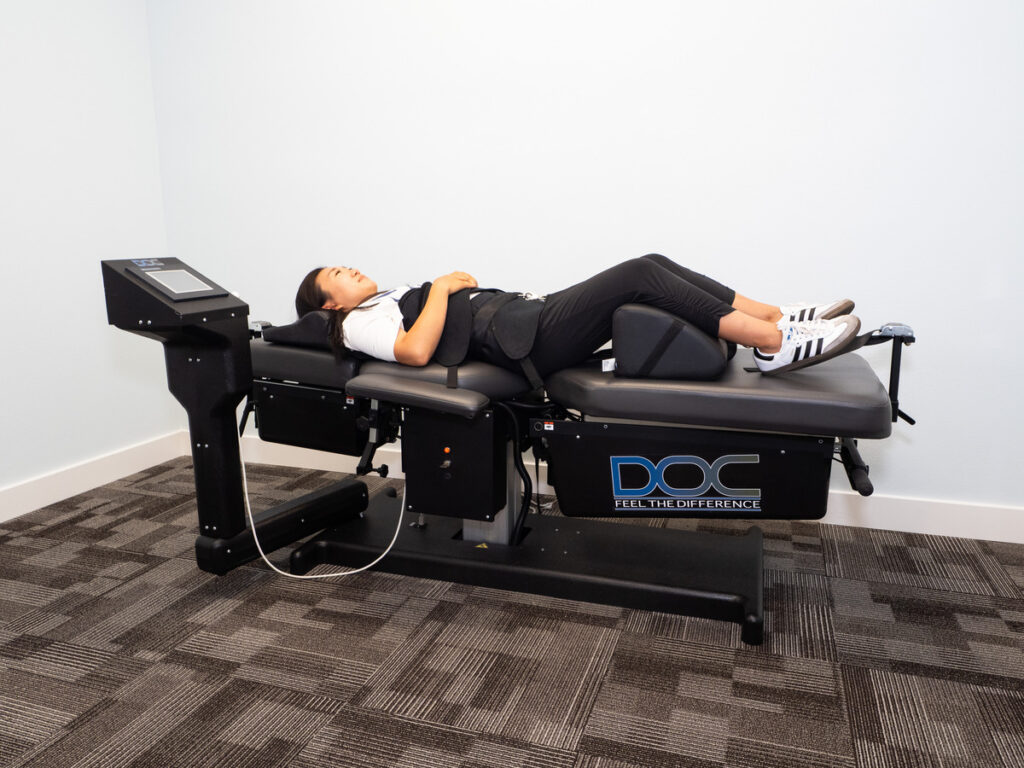
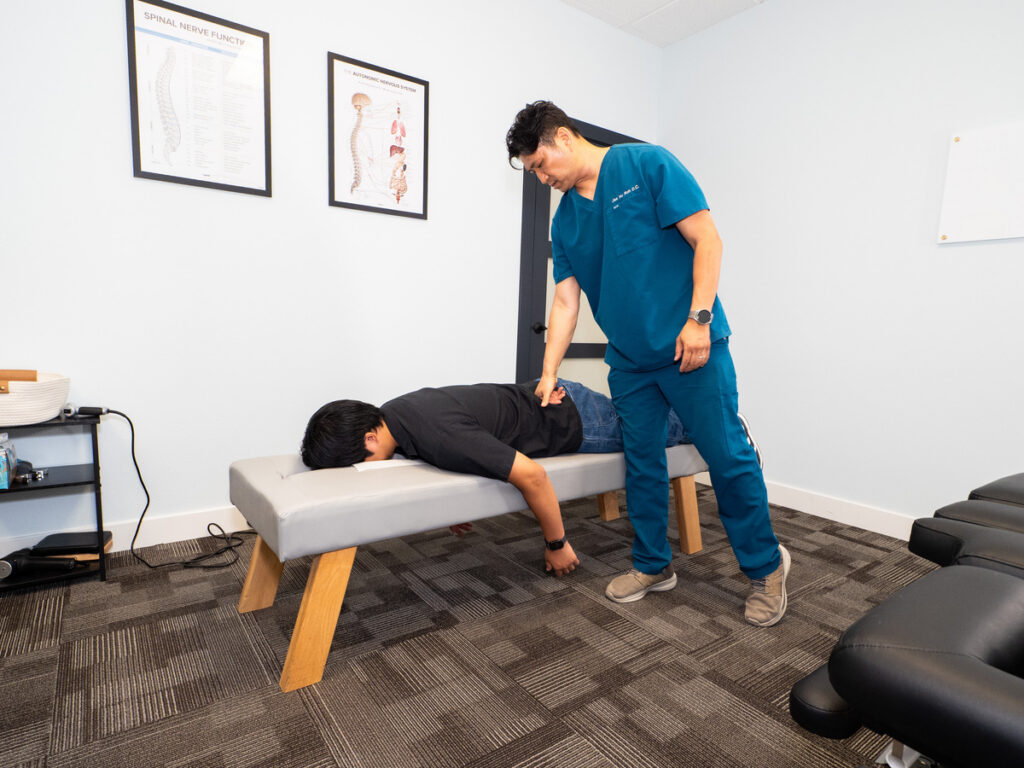
Chiropractic care focuses on aligning the spine and improving overall body function, which can be key to alleviating back pain. Through targeted adjustments, we can relieve pressure on nerves, enhance mobility, and promote healing. Additionally, I often recommend incorporating physical therapy into your treatment plan. This can help strengthen the muscles that support your spine, providing long-term relief.
Alternative therapies like acupuncture may also be beneficial. This ancient practice can help reduce pain and improve circulation, complementing the chiropractic adjustments you receive. Together, these approaches can create a comprehensive plan tailored to your specific needs.
Before deciding on any treatment, it's essential to have a thorough understanding of what might work best for you. As we explore these options, my goal is to help you find the most effective strategies to ease your discomfort and improve your quality of life. Let's work together to find the right path to relief.
Understanding Chronic Back Pain
Chronic back pain can be an ongoing challenge, often lasting for months or even years. As a chiropractor, I understand how frustrating and debilitating this condition can be for many individuals. You may experience continuous discomfort that interferes with your daily life and diminishes your overall well-being.
It's vital to comprehend the nature of this pain to manage it effectively. First, it's essential to recognize that chronic back pain can arise from various sources. Common culprits include injuries, degenerative disc disease, arthritis, and even poor posture. By identifying the underlying cause of your pain, we can work together to create a personalized relief strategy that suits your needs.
You may notice that your pain varies; some days may be worse than others, and factors such as stress, physical activity, or even changes in weather can play a significant role. Moreover, chronic back pain often leads to muscle tension and spasms, which can intensify your discomfort.
This cycle of pain and tension can feel overwhelming, but I want you to know that you aren't alone in this experience. Many people face similar challenges, and understanding this can provide some comfort.
To help manage your chronic back pain, I encourage you to pay close attention to your body. Recognize which activities or movements trigger your pain and consider ways to modify them. Keeping a pain journal can be an effective tool to track patterns and identify potential triggers.
Ultimately, gaining insight into your condition empowers you to take proactive steps towards relief. With chiropractic care and natural healing methods, we can work together to improve your overall quality of life and restore your well-being.
Physical Therapy Techniques
As a local chiropractor, I want to emphasize the importance of natural healing methods for managing chronic back pain.
Chiropractic care incorporates various physical therapy techniques that can significantly improve your condition. Key components include stretching and flexibility exercises, which help to enhance your range of motion; strengthening your core muscles, which provides better support for your spine; and manual therapy techniques, which can alleviate tension and improve your overall mobility.
Let's delve into how each of these approaches can aid you in regaining strength and achieving a more active lifestyle.
Stretching and Flexibility Exercises
As a local chiropractor, I want to emphasize the importance of incorporating stretching and flexibility exercises into your routine to alleviate back pain and enhance your overall mobility. These exercises are essential as they help lengthen tight muscles, improve your range of motion, and reduce stiffness in the back. By regularly practicing stretches, you can also promote better posture, which is crucial for preventing future pain.
I recommend starting with gentle stretches such as the cat-cow and child's pose. These movements are effective in easing tension in your spine and encouraging spinal flexibility, allowing you to feel more relaxed. Additionally, consider including hamstring and hip flexor stretches in your routine, as tightness in these areas often contributes to back discomfort. For each stretch, hold for about 20-30 seconds, and remember to breathe deeply to enhance your relaxation.
Furthermore, incorporating practices like yoga or Pilates can be incredibly beneficial. Both emphasize flexibility and improve body awareness, which can greatly aid in your healing process. Aim to stretch at least three times a week, but it's crucial to listen to your body; never push yourself into pain.
Consistency is key, so find a routine that seamlessly fits into your lifestyle. By making stretching a regular part of your day, you'll likely notice significant improvements in your back pain and overall well-being, paving the way for a healthier life.
Strengthening Core Muscles
As a local chiropractor, I want to emphasize the importance of building a strong core for alleviating back pain and enhancing overall stability. Your core muscles play a vital role in supporting your spine and maintaining good posture, which can significantly minimize discomfort.
Here are three effective exercises that I recommend for strengthening your core:
- Plank: Begin in a push-up position, but instead of resting on your hands, lower yourself onto your forearms. It's crucial to keep your body aligned in a straight line from your head to your heels. Start by holding this position for 20-30 seconds, and as your strength improves, gradually increase the duration.
- Bird-Dog: Position yourself on all fours, ensuring your hands are directly beneath your shoulders and your knees are aligned under your hips. Simultaneously extend your right arm forward and your left leg backward. Hold this position for a few seconds, then return to the starting point. Alternate sides to complete a total of 10-15 repetitions. This exercise helps enhance balance and stability.
- Bridge: Lie on your back with your knees bent and feet flat on the floor. As you press your feet into the ground, lift your hips toward the ceiling while squeezing your glutes at the top. Hold this elevated position for a few seconds before lowering back down. Aim for 10-15 repetitions. This movement not only strengthens your core but also engages your glutes, which are essential for proper posture and spinal alignment.
Incorporating these exercises into your daily routine can significantly contribute to building a stronger core and reducing back pain over time.
As always, if you have any concerns or experience pain while exercising, please reach out to a healthcare professional for personalized guidance. Your journey to wellness is important, and I'm here to support you every step of the way!
Manual Therapy Techniques
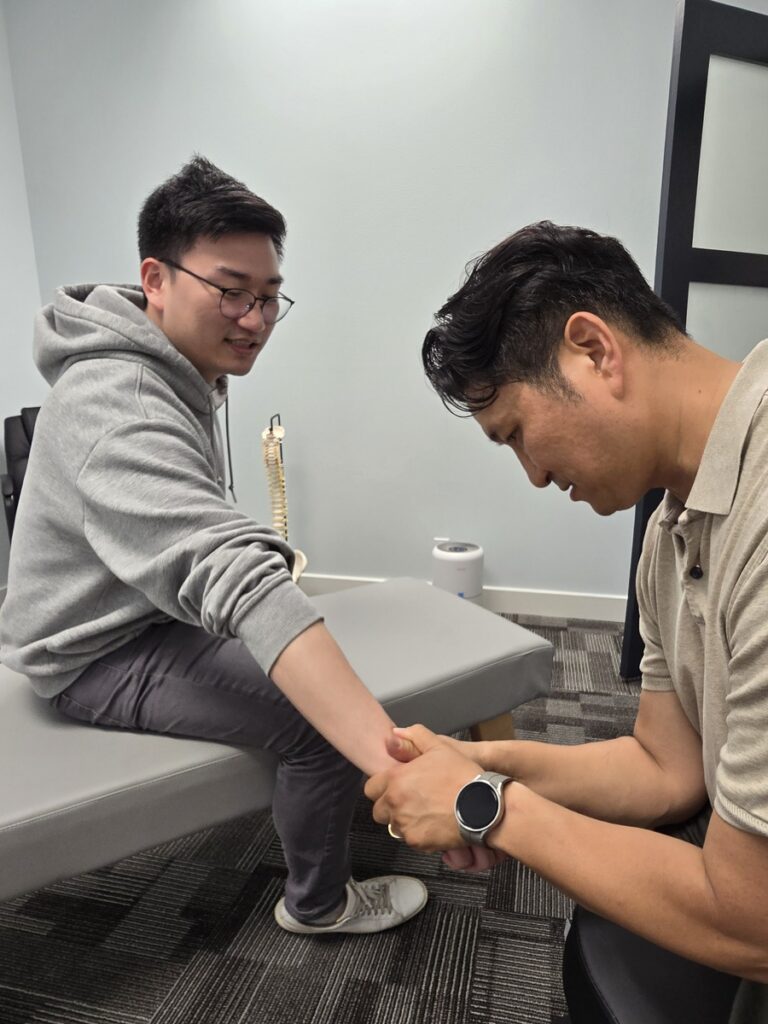
As a local chiropractor, I want to share how manual therapy techniques can significantly help those of you struggling with chronic back pain. These hands-on methods are all about gently manipulating your muscles, joints, and soft tissues to alleviate pain and improve your mobility.
One of the most effective techniques we use is massage therapy. This not only reduces muscle tension but also encourages relaxation, which is essential for your body's healing process. Additionally, massage enhances circulation, ensuring that vital nutrients and oxygen reach the injured areas in your back.
Another technique is mobilization, which involves gentle movements designed to increase your range of motion without stressing your back. This can help restore function and reduce stiffness, making everyday activities much more manageable.
Then there's manipulation, a technique often used by chiropractors like myself. This focuses on realigning the spine to improve its function and overall health.
It's crucial to communicate openly with your chiropractor about your pain levels and any discomfort you might feel during these sessions. This way, we can tailor the treatment to meet your specific needs effectively.
Incorporating these manual therapy techniques into your pain management plan can greatly enhance your quality of life.
Exercise and Stretching Routines
As a local chiropractor, I want to emphasize the importance of regular exercise and targeted stretching as essential tools for managing chronic back pain. These practices not only strengthen your muscles but also improve flexibility and overall mobility. By committing to a routine, you can significantly reduce your discomfort and enhance your quality of life.
Here are three effective exercise and stretching routines I recommend incorporating into your daily life:
- Core Strengthening Exercises: It's vital to focus on exercises that engage your core, like planks and bridges. A strong core provides support for your spine, helping to alleviate strain and pressure on your back.
- Gentle Stretching: Including stretches such as the cat-cow stretch and child's pose in your routine can be incredibly beneficial. These gentle stretches promote flexibility and relieve tension in your back muscles. Aim to hold each stretch for 15-30 seconds for optimal benefits.
- Low-Impact Aerobic Activities: Engaging in low-impact activities like walking, swimming, or cycling can enhance blood flow to your back, which is crucial for pain relief. I recommend aiming for at least 30 minutes of these activities a few times a week.
Before you embark on any new exercise regimen, it's essential to consult with me or another healthcare provider. We can work together to tailor a program that meets your specific needs and ensures you don't worsen your condition.
Alternative Therapies
If you're struggling with chronic back pain, as a local chiropractor, I want to introduce you to the benefits of alternative therapies like chiropractic care. Chiropractic adjustments can realign your spine, relieve nerve pressure, and alleviate pain effectively.
In addition to chiropractic treatment, practices such as acupuncture can target specific pain points in your body, while yoga can improve your flexibility and strength in a gentle manner.
These holistic approaches work harmoniously with chiropractic care, enhancing your overall well-being and helping you manage pain more effectively.
Let's explore how these techniques can support your journey to better health.
Acupuncture Benefits Explored
As a local chiropractor, I want to share with you the benefits of a holistic approach to managing chronic back pain, one that includes practices like acupuncture.
While chiropractic care is my primary focus, understanding the broader spectrum of natural healing methods can enhance your overall well-being.
Acupuncture is an ancient practice that originates from Traditional Chinese Medicine. It involves the insertion of fine needles into specific points on your body to promote healing and relieve discomfort.
Many of my patients have found relief through acupuncture, and it can complement chiropractic adjustments in various ways:
- Pain Reduction: Research indicates that acupuncture can significantly lessen pain levels. It does this by stimulating your body's natural painkillers, known as endorphins, which can work hand-in-hand with the adjustments I provide.
- Enhanced Blood Flow: This treatment is known to improve circulation in the areas affected by pain. Better blood flow means more oxygen and nutrients are delivered to those areas, which is crucial for healing.
- Stress Relief: Chronic pain often comes with accompanying stress and tension. Acupuncture promotes relaxation, which can lead to reduced muscle tightness and discomfort. This is particularly beneficial when combined with chiropractic treatments that focus on alignment and mobility.
If you're seeking a non-invasive alternative for pain management, I encourage you to consider acupuncture alongside chiropractic care.
It's essential to consult with a qualified practitioner who can tailor these therapies to your specific needs. Together, we can create a comprehensive pain relief strategy that might just bring you the relief you've been searching for!
Yoga for Pain Relief
As a local chiropractor, I want to share how yoga can serve as an excellent complementary approach to managing chronic back pain. By integrating gentle movements, stretching, and mindfulness, yoga can play a vital role in your overall healing process. Specific poses can enhance flexibility, strengthen your core, and improve posture, which are essential components in alleviating back discomfort.
One of the key benefits of practicing yoga is the emphasis on breath awareness. Focusing on your breath can significantly reduce stress and tension in your body, both of which often contribute to physical pain. Poses like Child's Pose, Cat-Cow, and Downward Dog are particularly effective in relieving tightness in the back and promoting proper alignment.
It's crucial to listen to your body during your practice. If you're new to yoga, I recommend starting with modifications that suit your comfort level to avoid any potential strain. Consider attending a class or following online tutorials that emphasize therapeutic yoga, specifically designed for back pain relief. Many instructors are knowledgeable about safe practices that prevent further injury while guiding you in your journey.
Remember, consistency is essential. By committing to a regular yoga routine alongside chiropractic care, you may notice significant improvements not only in your back pain but also in your overall quality of life.
Lifestyle Modifications
As a local chiropractor dedicated to your health and well-being, I want to share some effective lifestyle modifications that can significantly alleviate chronic back pain. By making simple changes to your daily routine, you can enhance your overall wellness and reduce discomfort. Here are three essential adjustments I recommend:
1. Stay Active: Incorporating regular physical activity is crucial for strengthening your back muscles and improving flexibility. I encourage you to engage in low-impact exercises such as walking, swimming, or cycling for at least 30 minutes each day. Not only will this benefit your back, but it will also elevate your mood and energy levels.
2. Improve Posture: Being mindful of your posture is vital in managing back pain. Many people are unaware that poor posture can worsen their discomfort. When sitting, choose a chair that offers proper lower back support, and make sure your feet are flat on the ground.
If you need to stand for extended periods, try shifting your weight from one foot to the other to alleviate strain on your back.
3. Maintain a Healthy Weight: Carrying excess weight can put unnecessary pressure on your spine. I suggest focusing on a balanced diet that includes plenty of fruits, vegetables, lean proteins, and whole grains.
By reducing calorie intake and steering clear of processed foods, you can lose weight and lessen the burden on your back.
Pain Management Strategies
As a local chiropractor, I'm here to educate you on the importance of pain management strategies, particularly when it comes to alleviating chronic back pain. While lifestyle modifications, like maintaining a healthy diet and staying active, can significantly boost your overall well-being, effective pain management is equally crucial in your journey towards relief.
One of the first things I recommend is considering medication options. Over-the-counter pain relievers like ibuprofen or acetaminophen can provide temporary relief. However, if your pain lingers, it's important to consult with your healthcare provider who may suggest stronger medications.
Keep in mind that while medications can help, they often come with potential side effects and risks of dependency.
Physical therapy is another vital component of pain management that I often incorporate into my chiropractic care. A skilled therapist can develop a personalized exercise regimen designed to strengthen your back and enhance flexibility, which can help ease your pain over time.
Furthermore, regular sessions can teach you proper body mechanics, reducing the likelihood of future injuries.
Mind-body techniques, such as mindfulness meditation and yoga, are also beneficial for managing pain. These practices equip you with effective coping strategies and can significantly reduce stress, which often intensifies discomfort.
Additionally, I encourage you to explore alternative therapies, such as acupuncture or chiropractic adjustments. Many of my patients have found these holistic approaches to be instrumental in managing their chronic pain, although individual results may vary.
Finally, don't underestimate the importance of a support system. Engaging with others who understand your challenges can provide not just emotional support, but also practical advice.
Conclusion
As your local chiropractor, I want to share how incorporating a variety of relief strategies can significantly improve your experience with chronic back pain. By engaging in regular exercise, exploring alternative therapies, and making mindful lifestyle adjustments, you can take proactive steps to manage your discomfort effectively.
It's important to understand that pain management techniques such as mindfulness practices and hot/cold therapy can be incredibly beneficial. Additionally, paying attention to your posture and maintaining a healthy weight are key factors in alleviating pain.
Through consistent effort and the support of chiropractic care, you can not only reduce your pain but also enhance your overall well-being and quality of life. Together, we can work towards a healthier, pain-free future. You've got this, and I'm here to help you every step of the way!