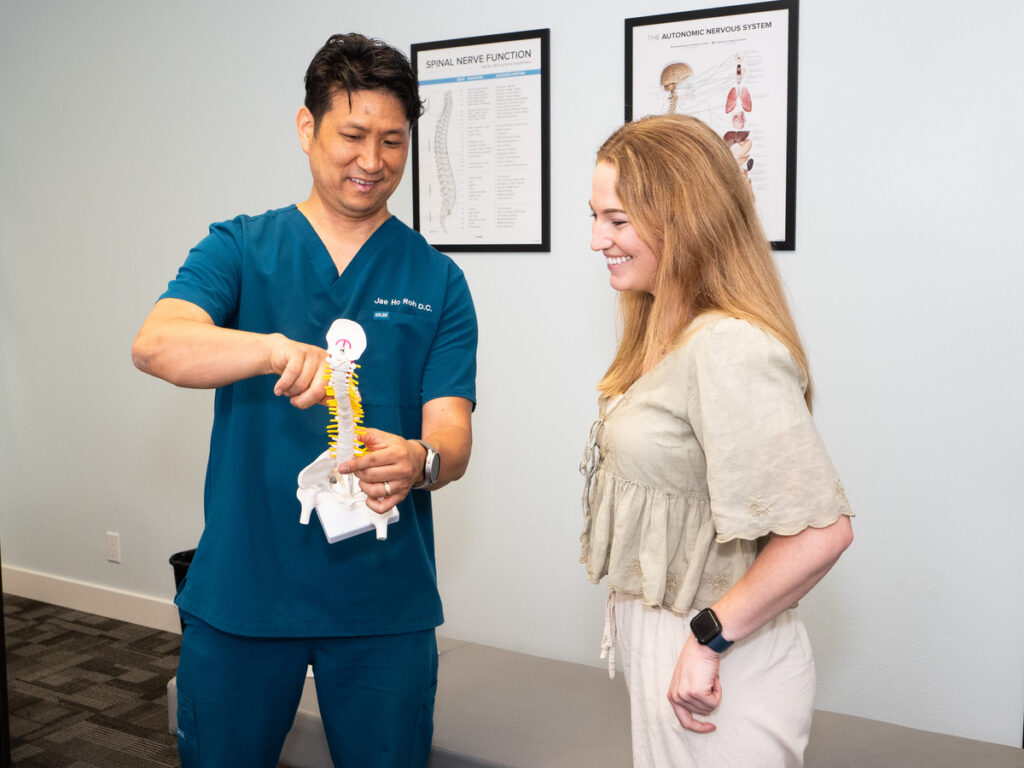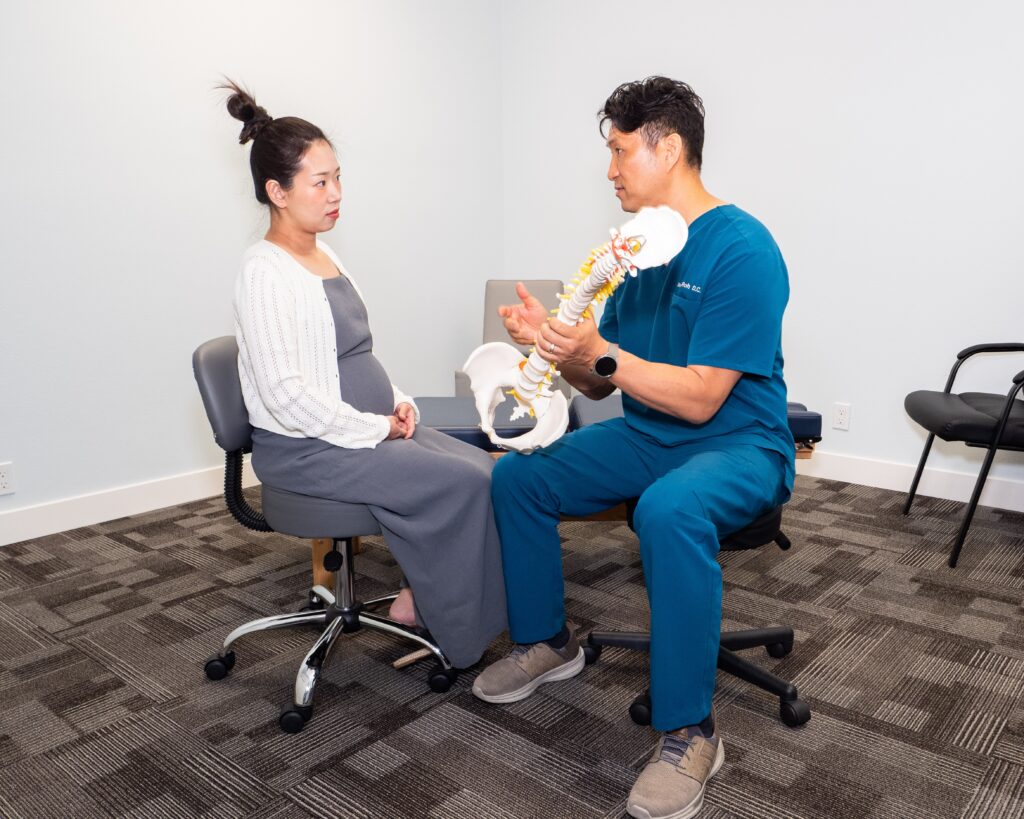

As a local chiropractor, I often see patients who are dealing with back pain, and one of the first things I recommend is to take a closer look at your posture. Many people are unaware that poor alignment can lead to not only immediate discomfort but also long-term health issues. By making some simple adjustments to how you sit, stand, and move, you can significantly alleviate your pain.
Let’s start with the basics of good posture. It’s all about aligning your spine properly to reduce strain on your muscles and ligaments. I also offer ergonomic tips specifically tailored for your workspace, ensuring that your environment supports your back health.
These adjustments don’t have to be overwhelming. By implementing small changes in your daily routine, you can create a cumulative effect that leads to a healthier back. Remember, your body is designed to move, and maintaining proper posture is key to keeping it functioning optimally. Let’s work together to explore these practical solutions and improve your overall well-being.
Understanding the Impact of Poor Posture on Back Pain
As a local chiropractor, I want to help you understand how your posture can significantly impact your back health. Many people don’t realize that when you sit or stand with poor posture, it can lead to a host of issues for your spine and surrounding muscles.
Slouching or leaning forward creates unnecessary strain, which can result in discomfort and tension that complicates even the simplest of daily activities. You might notice nagging aches or sharp pains that disrupt your routine, making it difficult to enjoy life fully.
Over time, maintaining poor posture can weaken your back muscles, diminishing their ability to support your spine effectively. This sets off a cycle of pain and discomfort that can be challenging to break. If you find yourself working long hours at a desk or frequently using your phone with poor alignment, you could be making the situation worse.
It’s crucial to become aware of how your posture affects your back health; this awareness is the first step toward finding relief. By making small adjustments to your sitting and standing positions, you can improve your comfort and overall well-being.
Chiropractic care can also play a vital role in helping you realign your spine and strengthen the muscles that support it. Let’s work together to help you achieve a healthier posture and alleviate any discomfort you may be experiencing.
Key Principles of Good Posture
As a local chiropractor dedicated to enhancing your well-being, I want to emphasize the importance of posture in maintaining a healthy spine and preventing back issues.
Understanding the principles of good posture can truly transform your back health. Here are some vital guidelines to incorporate into your daily routine:
- Align your ears, shoulders, and hips: Imagine a straight line running through these points. This alignment helps to evenly distribute your weight, reducing undue stress on your spine.
- Engage your core muscles: Your core is like the foundation of a house—it needs to be strong to support the structure above it. By engaging your core, you provide essential support to your spine, minimizing strain on your back.
- Keep your feet flat on the ground: Whether you’re sitting or standing, ensuring your feet are flat promotes better stability and balance. This simple adjustment can make a significant difference in your overall posture.
By adopting these principles, you can take proactive steps toward improving your posture and enhancing your spine health.
Ergonomic Tips for Desk Workers
As a local chiropractor, I want to share some important tips to help you reduce back pain while working at your desk. One of the first steps is to adjust your chair height to ensure you have the right support for your lower back.
It’s essential to keep your monitor at eye level, as this will help prevent unnecessary strain on your neck. Additionally, make sure your keyboard and mouse are positioned within easy reach to keep your arms relaxed and your wrists in a neutral position.
By making these simple adjustments, you can significantly improve your comfort and posture throughout the day, reducing the risk of developing chronic pain.
Proper Chair Height
As a local chiropractor, I want to emphasize the importance of finding the right chair height, especially for those of you who spend long hours at a desk. Many people experience back pain due to improper chair adjustments, which can lead to strain in your back, neck, and shoulders.
Here’s how to find the ideal chair height to support your spine and overall well-being:
- Your feet should rest flat on the floor or on a footrest, with your knees forming a 90-degree angle. This alignment helps reduce pressure on your lower back.
- Make sure your thighs are parallel to the ground. This ensures that your weight is evenly distributed and can help prevent discomfort.
- It’s essential that your chair provides adequate support for your lower back, promoting the natural curve of your spine. This support can help reduce the risk of developing chronic pain.
After you’ve adjusted your chair, I encourage you to check your posture regularly throughout the day.
Maintaining the correct chair height and posture can significantly impact your comfort and health at work. Remember, taking these small steps can lead to improved overall wellness and a reduction in discomfort.
If you have any questions or need further guidance, feel free to reach out to me!
Monitor Placement Guidelines
As a chiropractor, I want to emphasize the importance of proper monitor placement to help you maintain good posture and reduce eye strain while you work.
Ideally, your monitor should be positioned about an arm’s length away from you, with the top of the screen at eye level. This allows you to look slightly down at the display, which minimizes neck and shoulder strain—a common issue I see in patients.
If you wear glasses, it’s vital to adjust the height of your monitor accordingly to ensure optimal viewing. Additionally, be mindful of glare; position your screen away from windows or consider using an anti-glare filter to protect your eyes.
It’s also crucial that your monitor is stable and angled comfortably to prevent repetitive strain injuries, which can lead to discomfort and pain over time.
Remember, taking regular breaks to stretch and rest your eyes isn’t just beneficial; it’s essential for maintaining your overall physical and mental well-being throughout the day.
Keyboard and Mouse Position
As a chiropractor, I want to emphasize how crucial proper keyboard and mouse positioning is for your overall health and well-being. Many people may not realize that the way you set up your workstation can significantly impact your posture and lead to discomfort or strain over time.
First and foremost, it’s essential to have your keyboard at elbow height. This positioning allows your forearms to remain parallel to the ground, which helps maintain proper alignment in your spine and prevents unnecessary strain on your shoulders and wrists.
Next, keep your mouse close to your keyboard. This minimizes the need to reach, which can create tension in your shoulder and neck muscles. By keeping these devices within easy reach, you can work more comfortably and efficiently.
Finally, pay attention to your wrist position. Ideally, your wrists should be in a neutral position while typing or using the mouse. If you find that your wrists tend to bend upward, consider using a wrist rest for additional support. This small adjustment can help alleviate tension and reduce the risk of repetitive strain injuries.
Proper Lifting Techniques to Prevent Injury
As a local chiropractor, I’m here to help you understand the importance of proper lifting techniques to prevent injuries and promote overall health and well-being. Many people don’t realize that lifting heavy objects without the right methods can lead to strain on your back and potentially serious injuries.
To lift safely, start by standing with your feet shoulder-width apart and bending your knees. It’s crucial to keep your back straight and engage your core muscles. This position helps distribute the weight evenly across your body and provides the stability necessary for lifting.
When you prepare to lift, ensure you have a firm grip on the object and pull it close to your body. This technique keeps the load centered, minimizing strain on your back. Before you initiate the lift, take a deep breath, and remember to lift with your legs—not your back. As you rise, straighten your legs while maintaining a straight back.
If you find that the object is too heavy or awkward to lift on your own, please don’t hesitate to ask for assistance or utilize lifting aids like dollies or straps.
It’s vital to prioritize safe lifting techniques, not just to avoid injuries, but to support your overall health and well-being. By practicing proper lifting, you can protect your back and maintain a healthy lifestyle.
If you have any questions about how to lift safely or want to learn more about chiropractic care, I’m here to help!
Exercises to Strengthen Posture and Relieve Pain
As a local chiropractor, I want to share some valuable insights into how you can alleviate back pain and improve your overall well-being through natural methods.
After you’ve learned safe lifting techniques, introducing exercises that focus on strengthening your posture can make a significant difference. These movements not only provide support to your spine but also enhance your balance and stability.
Here are three exercises I highly recommend adding to your routine:
- Wall Angels: This exercise is simple yet effective. Stand with your back against a wall and bend your arms at 90 degrees. As you slide your arms up and down along the wall, strive to keep them in contact with the surface. This movement strengthens your upper back and helps to open up your chest, which is crucial for good posture.
- Planks: Start in a push-up position, ensuring your body forms a straight line from your head to your heels. Aim to hold this position for 20-30 seconds. Planks are fantastic for engaging your core muscles, which play an essential role in maintaining proper posture and spinal alignment.
- Bridges: Lie on your back with your knees bent and feet flat on the ground. As you lift your hips toward the ceiling, make sure to squeeze your glutes. This exercise effectively strengthens your lower back and hips, contributing to better posture.
By incorporating these exercises into your daily routine, you can experience considerable improvements in both your posture and pain relief.
Lifestyle Changes for Long-Term Back Health
As a local chiropractor, I want to emphasize the importance of adopting lifestyle changes that can significantly improve your long-term back health. One of the first steps is to be mindful of your posture throughout your daily activities. Whether you’re sitting at a desk, standing in line, or lifting objects, maintaining proper alignment is crucial to avoiding unnecessary strain on your spine.
Incorporating regular physical activity into your routine is vital. Focus on exercises that target and strengthen your core and back muscles, as these are essential for supporting your spine.
Even small adjustments in your environment can make a big difference; consider using ergonomic furniture and remember to take breaks to stretch if you’re sitting for extended periods.
Hydration and nutrition play a critical role as well. A balanced diet and staying well-hydrated support muscle health and recovery, which are key components in maintaining a healthy back.
Additionally, managing stress is important; practices like yoga and meditation can help alleviate tension that may contribute to back pain.
Lastly, don’t underestimate the value of a good night’s sleep. Choosing a supportive mattress and pillow can make a world of difference in your spinal health.