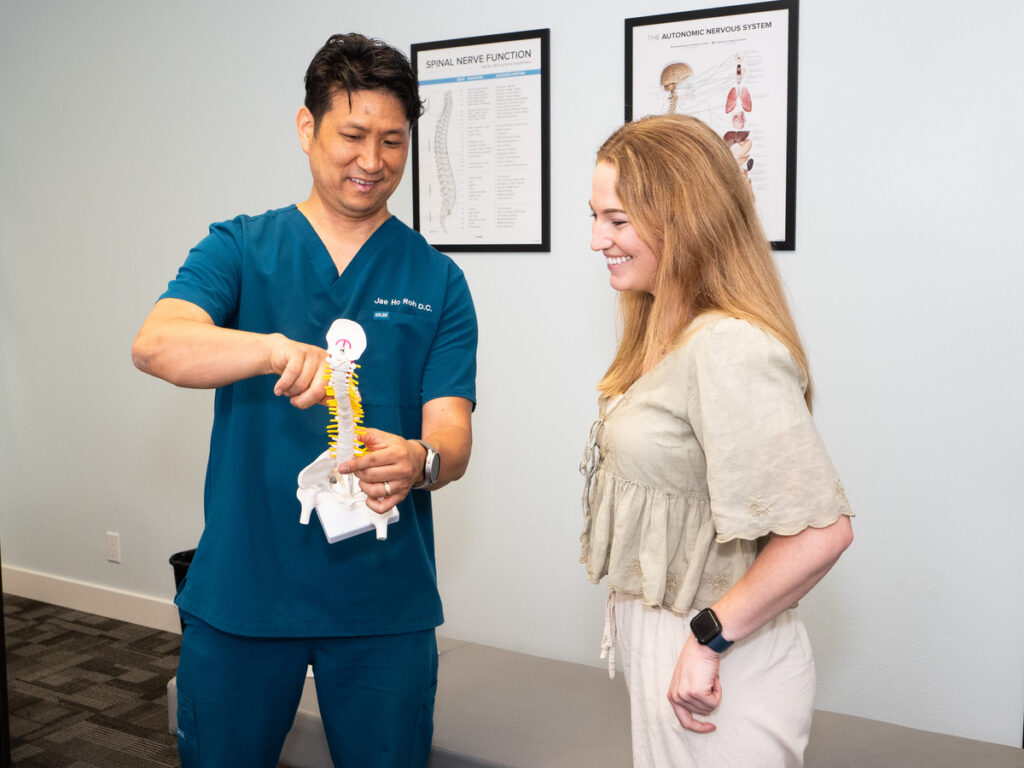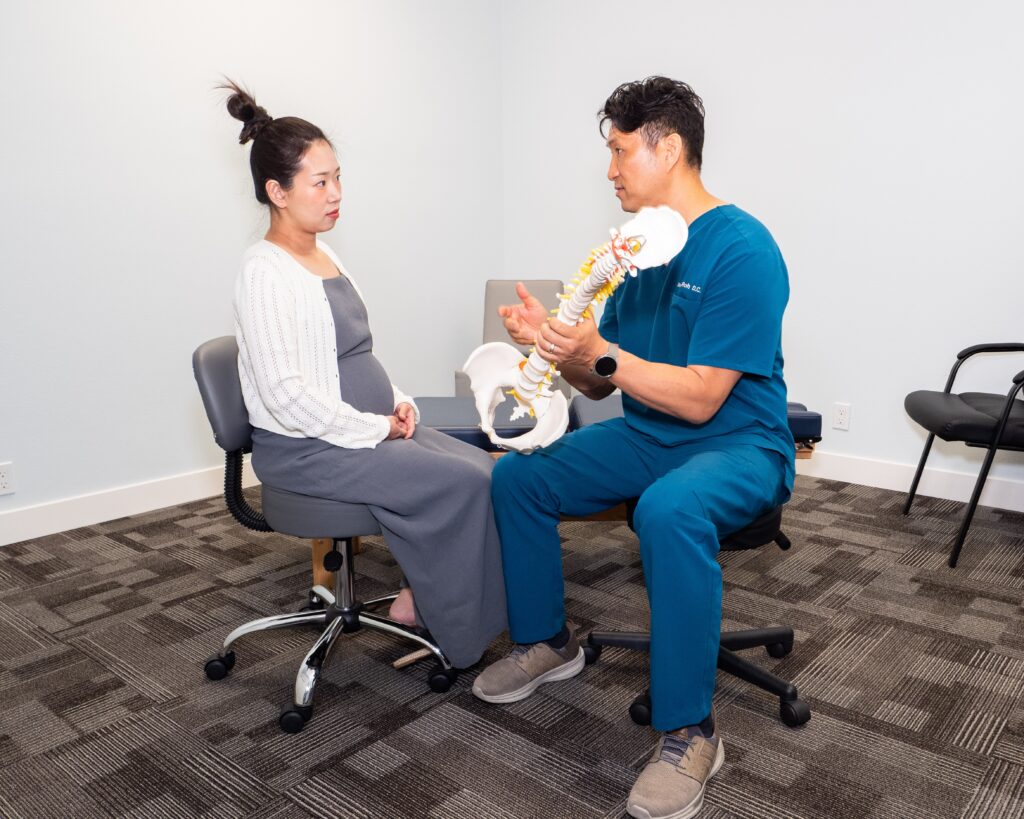

As a local chiropractor, I often see athletes who are struggling with back pain, and I want you to know that you’re not alone in this. Many athletes experience similar discomfort, but the good news is that there are effective solutions available to help you find relief.
By incorporating proper warm-up routines and focusing on strengthening your core, you can not only alleviate back pain but also enhance your overall athletic performance. Additionally, using the right equipment tailored to your specific sport can make a significant difference in your comfort levels.
If you’re curious about how chiropractic care and natural healing methods can help you manage and prevent back pain, I invite you to explore the various strategies we can implement together. Let’s work towards transforming your athletic experience and getting you back to doing what you love without the burden of pain.
Proper Warm-Up and Cool Down Techniques
As a local chiropractor, I want to emphasize the importance of proper warm-up and cool-down techniques for anyone engaging in physical activity. Before you jump into your favorite sport, it’s crucial to dedicate at least 10 minutes to warm up your body. This practice not only prepares your muscles and joints for action but also significantly reduces the risk of injury, allowing you to perform at your best.
Start your warm-up with light aerobic exercises like jogging or jumping jacks. These activities help to elevate your heart rate and get your blood flowing. After that, incorporate dynamic stretches that focus on the major muscle groups you’ll be using. For example, if you’re heading out for a game of soccer, try some leg swings, or do arm circles if you’re playing basketball. These movements mimic the actions of your sport and help to activate your muscles.
Equally important is the cool-down phase after your activity. It’s vital to gradually bring your heart rate down with light activities such as walking or slow cycling. Following this, engage in static stretches, holding each position for 15-30 seconds. This practice not only enhances flexibility but also aids in reducing muscle soreness, which is crucial for recovery.
By incorporating effective warm-ups and cool-downs into your routine, you can greatly enhance your overall performance while minimizing the risk of back pain and other injuries.
As a chiropractor, I encourage you to make these practices a regular part of your sports activities, helping you stay healthy and enjoy the sports you love for years to come.
Strengthening Core Muscles
As a local chiropractor, I want to emphasize the importance of strengthening your core muscles for both preventing back pain and enhancing your overall athletic performance. A strong core is crucial because it supports your spine and stabilizes your movements, thereby reducing the risk of injury.
You don’t need any fancy gym equipment to achieve this; simple bodyweight exercises like planks, bridges, and bicycle crunches can make a significant difference. It’s essential to target various areas of your core, including the abdominals, obliques, and lower back.
I recommend aiming for at least two to three core workouts each week, focusing on the quality of your movements rather than just the number of repetitions. As you become more comfortable, you can increase the intensity by adding weights or trying more advanced variations.
Remember, consistency is key. Incorporating core strengthening exercises into your regular training routine will help you build endurance and stability over time. A strong core not only boosts your athletic performance but also plays a vital role in protecting your back.
This way, you can enjoy your favorite sports without the discomfort of nagging pain. If you have any questions about how to safely strengthen your core or if you’re experiencing back pain, don’t hesitate to reach out for guidance. Your health and well-being are my top priority.
Stretching for Flexibility
As a local Chiropractor, I want to emphasize the importance of regular stretching for maintaining a healthy and pain-free back.
Many people may not realize that incorporating specific stretching techniques into their daily routine can significantly enhance flexibility and overall performance, especially in sports activities.
By understanding how these strategies work, you’ll be better equipped to improve your physical well-being and reduce the risk of injuries.
Let me guide you through some effective stretches that can benefit your body and support your journey towards natural healing.
Importance of Regular Stretching
As a local Chiropractor, I want to emphasize the vital role that regular stretching plays in your overall health and physical performance. Many people may not realize that incorporating stretching into your daily routine can significantly enhance your flexibility and support natural healing.
When you stretch, you increase blood flow to your muscles, which not only helps to warm them up effectively but also reduces the risk of injury during physical activities.
Moreover, stretching improves your range of motion, allowing you to move more efficiently in sports or workouts. This increased flexibility can contribute to better posture, which is crucial for preventing back pain and discomfort that often arises from physical activity.
Additionally, regular stretching can help alleviate muscle tension, promoting quicker recovery after intense workouts and reducing the likelihood of chronic pain.
By making stretching a consistent habit, you’re not just enhancing your physical abilities; you’re also investing in your long-term health and well-being. It’s essential to prioritize stretching so you can continue to enjoy your favorite activities without experiencing pain or discomfort.
Key Stretching Techniques
As a local chiropractor, I want to emphasize the importance of incorporating specific stretching techniques into your daily routine to enhance your flexibility and overall performance in physical activities.
To begin, I recommend starting with dynamic stretches—these include movements like arm circles and leg swings—which help to warm up your muscles and prepare your body for exercise.
After your workout, it’s crucial to focus on static stretches, such as the hamstring and quadriceps stretches, which can significantly improve your flexibility. Aim to hold each stretch for 15-30 seconds and remember to breathe deeply; this will help relax your muscles and promote better results.
Additionally, consider integrating practices like yoga or Pilates into your routine. These disciplines not only emphasize flexibility but also strengthen your core, which is vital for maintaining proper body alignment and preventing injuries.
Don’t overlook the importance of stretching your back as well. Techniques like the cat-cow and child’s pose can alleviate tension and contribute to a healthier spine.
Ergonomic Sports Equipment
As a local chiropractor, I want to emphasize the importance of using the right equipment when it comes to preventing back pain during sports activities.
Many people may not realize that well-fitted and adjustable gear is crucial for your unique body shape and needs. It’s essential to choose sports equipment that has supportive design features to ensure your comfort and maintain proper posture while you exercise.
By investing in ergonomic sports equipment, you can’t only enhance your performance but also significantly reduce the risk of injury.
Proper Fit Matters
As a local chiropractor, I want to emphasize just how crucial it’s to find the right fit for your sports equipment. Proper fit can significantly influence your overall health by preventing back pain and enhancing your athletic performance.
When your gear is tailored to fit your body, it allows for natural movement, reducing unnecessary strain on your back.
Take, for example, shoes that don’t fit well. They can lead to misalignment, which often results in discomfort that spreads to your back. Likewise, if your bike seat is incorrectly adjusted, you might find yourself hunching over, which can create tension in your spine.
This is where I come in—prioritizing ergonomic design and correct sizing is essential to ensure that your equipment supports your body rather than working against it.
Investing a bit of time to find the right fit not only enhances your sports experience but also promotes a healthier spine.
Adjustable Gear Benefits
As a local chiropractor, I want to share with you the incredible advantages of using adjustable gear, especially if you’re an athlete or someone who engages in regular physical activities. Many people may not realize that the right equipment can play a crucial role in not only enhancing performance but also in preventing common issues like back pain.
Adjustable gear allows you to tailor the fit and support of your equipment to your unique body. This customization is vital for maintaining proper posture during your activities, which is something we often focus on in chiropractic care. When your posture is aligned, you can concentrate on your technique without the distraction of discomfort or strain.
Think about adjustable shoes, straps, or pads—these elements can significantly impact your overall comfort and functionality. When your gear fits properly, you’ll likely experience improved mobility and reduced fatigue, enabling you to train longer and with greater intensity.
Moreover, adjustable gear is versatile. You can adapt it to suit various activities, ensuring it meets your specific needs, whether you’re running, cycling, or engaging in any sport.
Supportive Design Features
As a local chiropractor, I often see the impact that proper support can have on your overall health and athletic performance. Many athletes may prioritize performance, but it’s crucial to understand the role of ergonomic sports equipment in preventing injuries and ensuring comfort during physical activities.
Here are three essential features to consider when choosing your gear:
- Lumbar Support: Look for equipment that includes a well-structured backrest. This feature is vital for maintaining the natural curve of your spine, which can significantly reduce strain during your workouts and help prevent back pain.
- Adjustable Straps: When it comes to bags or any equipment, adjustable straps are a game-changer. They allow you to customize the fit, ensuring that weight is distributed evenly across your body. This adjustment can help mitigate the risk of muscle imbalances and discomfort.
- Shock Absorption: Pay attention to shoes and gear that incorporate shock-absorbing materials. These designs can greatly reduce the impact on your joints and spine, providing much-needed protection during high-impact activities.
Investing in ergonomic equipment isn’t just about comfort; it can profoundly affect your performance and overall well-being.
Posture Correction
As a local chiropractor, I want to emphasize the importance of good posture in preventing and alleviating back pain, particularly for those who engage in physical activities or sports. Maintaining proper alignment during your daily activities can significantly reduce the strain on your back and muscles.
I encourage you to be mindful of your posture throughout the day. Stand tall with your shoulders back and keep your head aligned over your spine. When sitting, ensure your feet are flat on the ground and choose a chair that offers support for your lower back.
Incorporating posture-enhancing exercises into your routine can also be beneficial. Activities like planks and bridges help to strengthen your core muscles, which play a crucial role in supporting your spine. Additionally, don’t forget the importance of stretching to improve flexibility and relieve muscle tension.
It’s vital to regularly assess your posture, especially during physical activities. Make a conscious effort to avoid slouching or overextending your body. By prioritizing good posture, you can enhance your performance and protect your back from potential injuries.
Remember, consistency is key. Making posture correction a habit will lead to long-term benefits for your overall health and well-being.
If you have any questions about how chiropractic care can assist you in achieving better posture, feel free to reach out. Your body will thank you!
Foam Rolling and Myofascial Release
As a local chiropractor, I want to share some valuable insights about foam rolling and myofascial release.
These techniques can be incredibly beneficial for anyone, especially athletes or those struggling with back pain. By incorporating these practices into your routine, you can experience significant improvements in your overall well-being.
Here are three key reasons to consider:
- Boosts Circulation: Foam rolling facilitates increased blood flow to your muscles. This enhanced circulation not only speeds up recovery after your workouts but also helps alleviate soreness, making it easier for you to stay active.
- Improves Flexibility: Using a foam roller regularly can help to elongate tight muscles. This increase in flexibility can enhance your performance in various activities and sports, allowing you to move more freely and efficiently.
- Eases Muscle Tightness: Myofascial release focuses on specific trigger points within your body. By addressing these areas, you can effectively relieve knots and tightness that contribute to back pain, promoting a greater sense of comfort and mobility.
As you explore natural healing methods, I encourage you to consider foam rolling and myofascial release as effective tools in your journey toward better health.
Ice and Heat Therapy
As a local chiropractor, I want to share some valuable insights about managing back pain using ice and heat therapy. These techniques can be incredibly effective in your recovery journey.
Ice therapy is a fantastic way to reduce inflammation and numb any discomfort you may be feeling. It works by constricting blood vessels, which helps alleviate pain and swelling in the affected area.
On the other hand, heat therapy is great for relaxing tight muscles and enhancing blood circulation. When you apply heat, it helps to soothe stiffness, allowing for greater flexibility and comfort.
Understanding how to properly use these therapies can significantly enhance your healing process. Whether you’re new to chiropractic care or exploring natural methods for relief, incorporating ice and heat into your routine can lead to a noticeable improvement in your back pain.
Remember to always listen to your body and consult with a professional if you’re unsure about the best approach for your specific situation.
Benefits of Ice Therapy
As a local chiropractor dedicated to helping you understand natural healing methods, I want to share the benefits of ice therapy, a simple yet effective tool in managing pain and inflammation.
Many athletes and active individuals find ice therapy invaluable, and you can too. Here’s how it can help you:
- Immediate Pain Relief: Applying ice to the affected area can numb pain, offering quick relief from sharp sensations and discomfort. This can be especially beneficial after an injury or a particularly strenuous workout.
- Decreased Swelling: Ice therapy works by constricting blood vessels in the targeted area. This reduction in blood flow can help minimize swelling and prevent additional injury, allowing your body to heal more effectively.
- Enhanced Recovery: Regularly incorporating ice therapy into your post-exercise routine can significantly speed up recovery time. This means you can return to your activities sooner, maintaining your athletic performance and overall well-being.
Using ice therapy is a straightforward and effective strategy for managing pain, including common issues like back pain.
I recommend applying ice for 15-20 minutes at a time for optimal results. As your chiropractor, I encourage you to consider this natural approach as part of your journey towards better health and recovery.
Advantages of Heat Therapy
As a local chiropractor, I want to share with you the incredible benefits of heat therapy, especially for those dealing with chronic back pain. While many are familiar with ice therapy for acute pain and inflammation, heat therapy is a powerful tool that offers its own unique advantages.
Heat therapy works wonders by helping to relax tight muscles, which can significantly improve blood flow to the affected areas. This increased circulation not only promotes healing but also alleviates stiffness, making it easier for you to move freely and enjoy the activities you love, whether it’s sports or everyday tasks.
Moreover, by soothing discomfort, heat therapy can enhance your overall range of motion and flexibility, allowing you to recover more effectively. After a long day of training or competition, using a heating pad or indulging in a warm bath can be an excellent way to unwind and relieve tension in your body.
Incorporating heat therapy into your routine can be a valuable addition to your recovery process, keeping you feeling your best and ready to perform at your peak.
If you’re curious about how chiropractic care and natural healing methods like heat therapy can benefit you, I encourage you to reach out and learn more!
Application Techniques Explained
As a local chiropractor dedicated to helping you understand natural healing methods, I want to share some effective techniques for applying ice and heat therapy that can significantly aid in your recovery from back pain.
Here are three key approaches to keep in mind:
- Ice Application: To combat inflammation and alleviate sharp pain, I recommend using an ice pack wrapped in a towel. Apply it to the affected area for 15-20 minutes. This method is most effective during the first 48 hours following an injury, and you can repeat this every hour as needed to manage your discomfort.
- Heat Application: After the initial 48 hours, it’s time to transition to heat therapy. Using a heating pad or a warm towel, apply heat for another 15-20 minutes. This helps to relax tight muscles and enhance blood circulation, which is crucial for healing.
- Alternating Therapies: For those dealing with chronic pain, a combination of ice and heat can be particularly beneficial. Start with an ice application for 15 minutes, then switch to heat for another 15 minutes. Alternating between these two therapies can effectively relieve tension and support your body’s natural healing process.
Remember, understanding how to use these therapies correctly is a vital part of your journey toward wellness.
If you have any questions or need further guidance, feel free to reach out!
Professional Massage Therapy
When it comes to managing sports-related back pain, many people may not realize the significant benefits of chiropractic care. As a local chiropractor, I want to share how our targeted approach can be a transformative part of your recovery journey.
Chiropractic adjustments focus on realigning the spine and optimizing your body’s natural healing processes, which helps relieve tension, reduce inflammation, and enhance blood circulation to your muscles.
During your visit, I’ll assess your specific needs and identify areas of discomfort. By employing techniques such as spinal manipulation and soft tissue therapy, we can address the root causes of your back pain, rather than just masking the symptoms.
This holistic approach not only alleviates pain but also improves your overall flexibility and range of motion—key components for peak athletic performance.
Incorporating regular chiropractic care into your routine can also help prevent future injuries by ensuring that your muscles and joints remain balanced and tension-free.
Moreover, the mental clarity and relaxation that come from chiropractic adjustments can elevate your mood, making it easier to stay focused and motivated in your training.
I encourage you to consider chiropractic care as a vital element in your recovery process, empowering you to return to your activities stronger and more resilient than ever.
Physical Therapy and Rehabilitation
As a local chiropractor, I want to share the vital role that chiropractic care and natural healing play in addressing sports-related back pain. By incorporating these methods alongside other treatment options, we can work together to restore your function, enhance your mobility, and strengthen your back muscles.
A personalized approach tailored to your unique needs can significantly alleviate your pain and improve your overall well-being.
Here are three essential components of chiropractic care for managing back pain:
- Customized Exercises: We’ll develop a set of specific exercises aimed at strengthening your core and back muscles. This helps promote stability and reduces discomfort, allowing you to get back to your favorite sports activities.
- Spinal Adjustments: As part of your treatment, I may use hands-on techniques to realign your spine and alleviate tension throughout your back and surrounding tissues. This can improve your range of motion and decrease pain.
- Patient Education: I’ll guide you in understanding proper body mechanics and posture. This knowledge empowers you to prevent future injuries and effectively manage any ongoing pain.
Incorporating these chiropractic elements into your recovery plan can significantly expedite your healing process and boost your athletic performance.
Together, we can work towards a healthier, pain-free lifestyle!
Mindfulness and Relaxation Techniques
As a local chiropractor, I want to emphasize the importance of incorporating mindfulness and relaxation techniques into your recovery from sports-related back pain. These practices can significantly enhance your healing process by helping you stay present and manage stress, which often exacerbates discomfort.
I recommend setting aside a few minutes each day to focus on your breath. Engaging in deep breathing exercises can calm your mind and relax your muscles, effectively easing tension in your back. This simple practice can make a world of difference in your overall well-being.
Another effective technique is guided imagery. By visualizing a peaceful place or situation, you can provide your mind with a much-needed mental escape from pain, promoting relaxation and comfort.
Additionally, incorporating yoga and gentle stretching routines can improve your flexibility and alleviate tightness, further supporting your recovery.
Don’t overlook the transformative power of meditation. Even dedicating just five minutes a day can help you develop a greater awareness of your body and its signals, enabling you to manage pain more effectively.