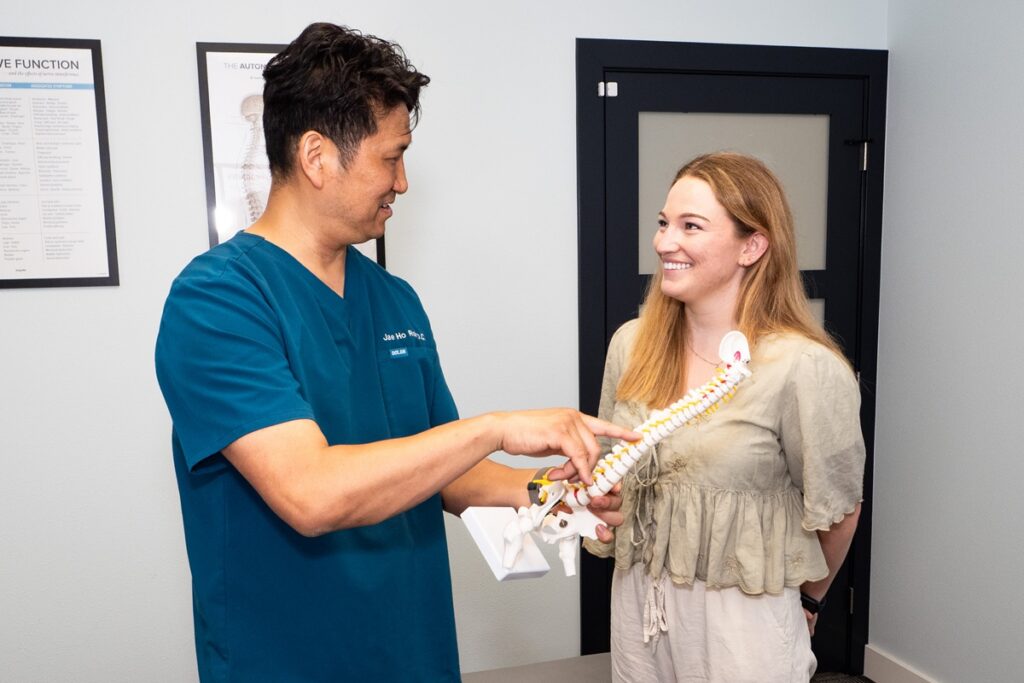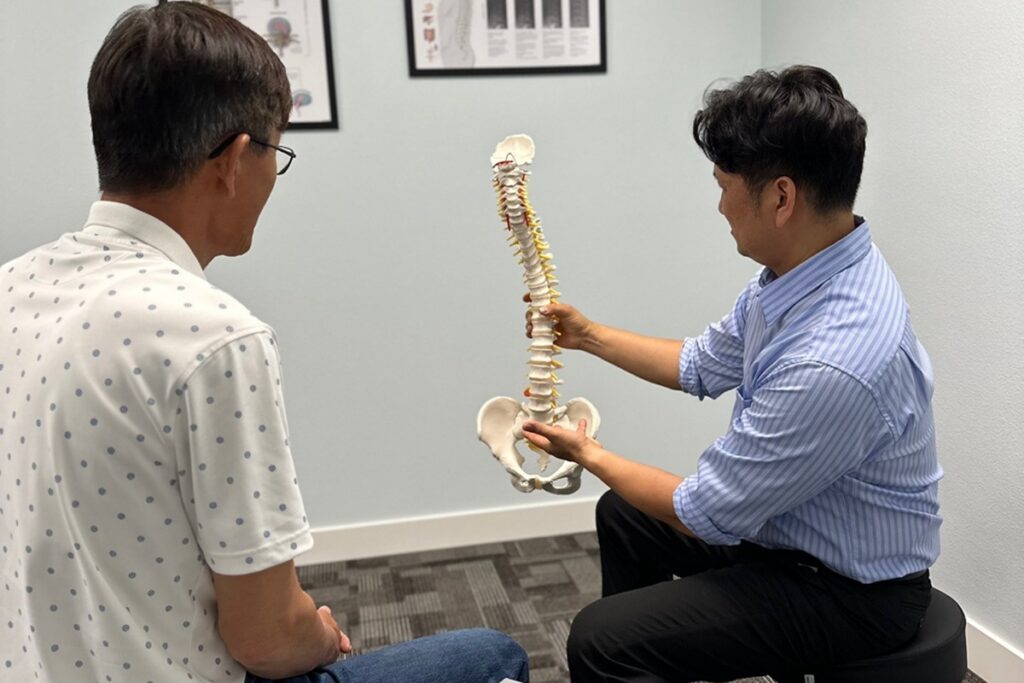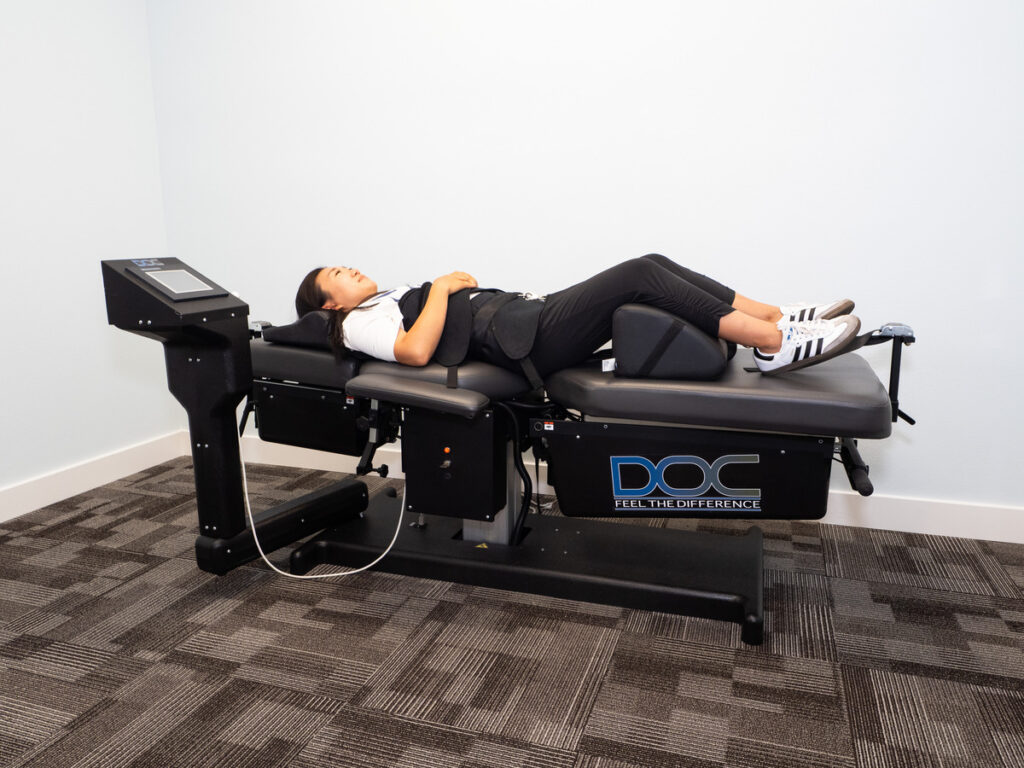

Maintaining a pain-free posture is crucial for your overall health and wellness. It involves a combination of awareness, physical strength, and thoughtful adjustments in your daily activities. As a chiropractor, I believe that understanding your body’s alignment and how it affects your spine is key to achieving this goal naturally. By incorporating these techniques into your routine, you can significantly reduce discomfort and enhance your posture. Here are the top 10 techniques that can transform the way you sit, stand, and move, while emphasizing the benefits of chiropractic care for optimal health.
- Be Mindful of Your Posture: Awareness is the first step towards better posture. Regularly check in with how you’re sitting or standing throughout the day. A straight spine is often the path to pain relief.
- Strengthen Your Core: A strong core supports your spine. Simple exercises like planks or bridges can build strength in your abdominal muscles, which helps maintain your posture and reduce strain on your back.
- Use Ergonomic Furniture: Invest in an ergonomic chair and desk to support your spine while working. Proper alignment can alleviate pressure on your back and neck.
- Take Regular Breaks: If you sit for long periods, make it a habit to stand up, stretch, and move around every 30 minutes. This helps to prevent stiffness and encourages better blood circulation.
- Incorporate Stretching: Gentle stretching can relieve tension in your muscles. Focus on areas that commonly hold stress, like the shoulders and lower back.
- Stay Hydrated: Drinking plenty of water is essential for overall health, including spinal health. Proper hydration helps maintain the elasticity of your spinal discs.
- Seek Chiropractic Care: Regular adjustments from a chiropractor can help realign your spine and improve your posture. Chiropractic care is a natural way to relieve pain and promote wellness.
- Practice Good Footwear Choices: Wear shoes that provide good support. High heels and flip-flops can lead to poor posture and back pain over time.
- Mind Your Tech Usage: When using your phone or computer, keep the screen at eye level to avoid slouching. This simple adjustment can prevent neck strain and promote better posture.
- Engage in Mind-Body Practices: Activities like yoga or Pilates can enhance your awareness of your body, improve flexibility, and strengthen the muscles that support your spine.
By integrating these strategies into your daily life, you can foster a healthier lifestyle and promote optimal spinal health. Remember, chiropractic care is a vital part of maintaining not just a pain-free posture, but overall wellness. So, take charge of your health and consider scheduling a visit with your local chiropractor to further support your journey toward a pain-free life!
Key Takeaways
Top 10 Techniques for Pain-Free Posture
As a local chiropractor dedicated to promoting health and wellness, I want to share some essential tips for achieving and maintaining pain-free posture. Good posture is crucial for your spinal health and overall well-being, and I believe that chiropractic care is the best way to support your journey toward optimal health. Here are ten techniques you can incorporate into your daily routine:
- Relax Your Shoulders: Start by consciously relaxing your shoulders. Align your head so that your ears are directly over your shoulders, and distribute your weight evenly on both feet. This simple adjustment can significantly alleviate strain on your spine.
- Ergonomic Workspace: If you spend long hours at a desk, it’s essential to optimize your workspace. Adjust your chair and monitor to support proper back alignment and reduce shoulder strain. An ergonomic setup can make a world of difference, and visiting a chiropractor can provide personalized recommendations for your specific needs.
- Frequent Movement Breaks: Remember to take regular breaks every 30 minutes. Stand up, stretch, and walk around to enhance circulation and reset your posture. This practice not only supports your spinal health but also boosts your overall energy levels.
- Strengthen Core and Back Muscles: Engaging in targeted exercises like planks and bridges can help strengthen your core and back muscles, supporting your spine’s natural alignment. A strong core is vital for maintaining good posture and preventing discomfort.
- Mindful Breathing Techniques: Practice mindful breathing to reduce stress and improve your awareness of posture. Deep breathing promotes relaxation, which can help you maintain a more aligned posture throughout the day.
- Chiropractic Adjustments: Regular visits to your chiropractor can help correct misalignments in your spine, providing immediate relief from pain and supporting long-term wellness. Chiropractic care addresses the root cause of discomfort, allowing you to live a healthier, pain-free life.
- Stay Hydrated: Drinking plenty of water is essential for maintaining healthy discs in your spine. Proper hydration helps keep your spinal discs lubricated, reducing the risk of injury and discomfort.
- Footwear Matters: Choose supportive footwear that provides proper arch support. Wearing shoes that fit well and support your feet can have a significant impact on your overall posture and spinal health.
- Mind Your Sleep Position: Pay attention to your sleep posture. Use a supportive pillow and consider sleeping on your back or side to maintain a neutral spine. A good night’s sleep is essential for your body to recover and rejuvenate.
- Consult a Chiropractor: If you’re experiencing persistent pain or discomfort, don’t hesitate to reach out to your chiropractor. They can provide you with tailored advice, adjustments, and a comprehensive wellness plan to help you achieve and maintain pain-free posture.
By integrating these techniques into your daily routine and prioritizing chiropractic care, you can pave the way for a healthier, pain-free life. Remember, your spinal health is vital to your overall well-being, and I’m here to help you every step of the way!
Understand the Basics of Good Posture
Good posture is essential for maintaining a healthy body and mind, and as a chiropractor, I want to emphasize how crucial it’s for your overall well-being. When you maintain a tall and aligned posture, your body functions more efficiently, reducing strain on your muscles and joints.
Start by relaxing your shoulders and keeping them back instead of letting them hunch forward. Picture a string gently pulling you up from the top of your head, which helps to elongate your spine. Ensure your head is level with your ears aligned over your shoulders, promoting a natural spinal curve.
When standing, distribute your weight evenly between both feet and keep your knees slightly bent. This stance not only helps maintain balance but also prevents fatigue over time.
If you’re sitting, make sure your back is well-supported, and keep your feet flat on the floor.
Incorporating these simple posture tips into your daily routine can help you prevent discomfort and promote wellness.
Adjust Your Workspace Ergonomically
To work comfortably and reduce strain, it’s crucial to adjust your workspace with an ergonomic focus, which can help prevent discomfort and promote overall spinal health.
Start by optimizing your desk height so that your elbows are at a 90-degree angle when typing; this helps maintain proper posture and reduces stress on your spine.
Next, ensure your chair provides adequate support to keep your back aligned and comfortable throughout the day. A chair with lumbar support can make a significant difference in reducing the risk of back pain.
Remember to take regular breaks to stand up, stretch, and move around—this encourages better circulation and can alleviate tension in your muscles.
Additionally, consider incorporating gentle exercises into your daily routine to strengthen your core and support your spine.
Regular chiropractic adjustments can also enhance your overall well-being by ensuring your spine stays aligned and functioning optimally.
Desk Height Optimization
Finding the right desk height is crucial for maintaining a comfortable and pain-free posture while you work, which in turn promotes spinal health and overall wellness. When typing, aim for your elbows to be at a 90-degree angle, ensuring your wrists are straight and your hands are hovering just above the keyboard. This position alleviates unnecessary strain on your back and neck.
Adjust your desk so that your monitor is at eye level. This simple adjustment can significantly reduce the risk of neck strain, helping you maintain a more natural alignment of your spine. If your feet aren’t flat on the floor, consider using a footrest; this can help support proper alignment and reduce pressure on your lower back. Remember, your knees should sit slightly lower than your hips to keep your pelvis in a neutral position.
If you work with a laptop, raising it to eye level can be beneficial, but don’t forget to use an external keyboard. This will help you maintain that ideal arm position while keeping your spine aligned.
Taking these steps not only enhances your comfort and productivity but also supports your overall health and wellness. Regular chiropractic care can further aid in achieving optimal spinal health, helping to alleviate pain and promoting natural healing.
Chair Support Features
Ergonomic chairs are designed with support features that can significantly enhance your posture, especially during those long hours spent at your desk.
Maintaining proper alignment not only keeps you comfortable but also reduces the risk of discomfort and injury—issues that I often see in my chiropractic practice.
Here are three essential support features to consider when choosing an ergonomic chair:
1. Lumbar Support: Look for adjustable lumbar support that aligns with the natural curve of your lower back. This feature can help prevent slouching, which is a common cause of back pain.
Remember, maintaining the proper curvature of your spine is crucial for overall spinal health.
2. Seat Depth Adjustment: This feature allows you to customize the distance between the backrest and the seat. Proper seat depth ensures that your thighs are fully supported, alleviating pressure on your knees and improving circulation.
Take a moment to adjust this setting so you can sit comfortably without straining your legs.
3. Armrests: Height-adjustable armrests are a fantastic addition to any chair. They help relieve shoulder strain and promote a more relaxed arm position, which can reduce tension in your neck and upper back.
When sitting, your arms should rest comfortably without excessive reaching or hunching.
Incorporating these ergonomic features into your workspace can play a vital role in your overall health and wellness.
Additionally, remember to take breaks, stretch, and maintain a good posture throughout the day.
As a chiropractor, I encourage you to listen to your body and seek natural solutions for any discomfort you may experience.
Prioritizing your spinal health is the key to achieving optimal wellness and a pain-free life.
Strengthen Your Core Muscles
Strengthening your core muscles is crucial for maintaining a pain-free posture and overall stability, which is essential for your spinal health. A strong core supports your spine, reduces strain on your back, and enhances your balance, all of which can help you avoid discomfort and injuries. Incorporating exercises like planks, bridges, and abdominal crunches into your routine can be a great way to start. Aim for at least two to three sessions a week to experience noticeable improvements.
As you perform these exercises, it’s important to focus on your form. Proper alignment not only maximizes the effectiveness of each movement but also minimizes the risk of injury. Engaging your core throughout your daily activities—whether you’re sitting at your desk, standing in line, or lifting grocery bags—can further strengthen those muscles and support your spine.
Additionally, consider incorporating stability exercises into your routine. Using a stability ball or balance board can challenge your core and help develop the muscles necessary for better posture. These activities not only boost your core strength but also contribute to your overall well-being.
At our chiropractic practice, we believe that prioritizing core strength is a vital step toward achieving optimal health. By focusing on strengthening your core, you’re creating a solid foundation that supports your body and promotes natural healing.
Incorporate Stretching Into Your Daily Routine
To maintain a pain-free posture and overall well-being, it’s essential to incorporate stretching into your daily routine. As a chiropractor, I can tell you that regular stretching not only helps relieve tension but also promotes flexibility, balances your muscles, and supports your spine.
Here are three effective stretches you can easily fit into your day to enhance your health naturally:
- Neck Stretch: Start by gently tilting your head to one side, bringing your ear towards your shoulder. This helps relieve tension built up in the neck, a common area of discomfort for many. Hold this position for 15-30 seconds on each side to encourage relaxation and mobility.
- Chest Opener: Stand tall and clasp your hands behind your back. As you pull your shoulders back and lift your chest, you’ll counteract the slouching that often comes from long hours sitting at a desk. Hold this position for 15-30 seconds to help open up your chest and improve your posture.
- Hamstring Stretch: While seated, extend one leg in front of you and reach towards your toes, keeping your back straight. This stretch is fantastic for your lower back and hamstrings. Hold for 15-30 seconds before switching sides to maintain flexibility in your legs and support your spine.
Incorporating these stretches into your day can significantly contribute to reducing stiffness and supporting a pain-free posture.
By keeping your muscles flexible and balanced, you’re taking crucial steps toward optimal health. Remember, consistency is key!
Alongside these stretches, regular chiropractic care can further enhance your body’s ability to heal naturally and maintain alignment, setting you on the path to a healthier and more vibrant life.
Practice Mindful Breathing Techniques
Practicing mindful breathing can significantly enhance your overall well-being and support a pain-free posture, which is essential for spinal health. By concentrating on your breath, you’ll not only alleviate stress but also encourage proper alignment of your spine.
As a chiropractor, I emphasize the importance of a healthy spine for optimal health and wellness.
Let’s explore some simple breathing exercises that can help you achieve a more balanced posture and support your journey toward natural healing. Here are a few techniques you can easily incorporate into your daily routine:
- Deep Belly Breathing: Sit or lie down comfortably. Place one hand on your belly and the other on your chest. Inhale deeply through your nose, allowing your belly to rise while keeping your chest still. Exhale slowly through your mouth. This exercise not only calms your mind but also helps to engage your core, promoting better spinal support.
- Counted Breathing: Inhale slowly to a count of four, hold for a count of four, and then exhale for a count of four. This rhythmic breathing technique encourages relaxation and can help improve your posture by reminding you to stay aware of your body’s alignment.
- Posture Awareness Breathing: While seated or standing, take a moment to check your posture. Ensure your shoulders are relaxed, your spine is straight, and your head is aligned over your shoulders. As you breathe in deeply, visualize your spine lengthening. As you exhale, release any tension in your shoulders and neck.
By integrating these mindful breathing techniques into your daily life, you can enhance your body’s natural ability to heal and maintain a healthy posture.
Remember, chiropractic care plays a crucial role in supporting your spine and overall health. If you’re experiencing discomfort or pain, consider scheduling a visit to your local chiropractor for personalized care that focuses on your unique needs.
Embrace these practices, and take a step toward a healthier, pain-free life!
Benefits of Mindful Breathing
While many people may not realize it, mindful breathing can be a powerful tool that complements your chiropractic care and enhances your overall well-being. By focusing on your breath, you can unlock several benefits that positively impact both your body and mind:
- Reduces Stress: Mindful breathing calms your nervous system, which can lower stress hormones like cortisol. This relaxation response is essential for overall health and can make the adjustments you receive in chiropractic care even more effective.
- Improves Posture: By fostering awareness of your breath and body, mindful breathing encourages better alignment and can help alleviate tension in your muscles. This is particularly beneficial for maintaining the spinal health that chiropractic care aims to support.
- Enhances Focus: Concentrating on your breath sharpens your attention, helping you stay present and engaged throughout your day. This mental clarity can improve your motivation to maintain healthy habits, including regular chiropractic visits.
Incorporating mindful breathing into your daily routine can be a transformative practice that complements your journey to optimal health through chiropractic care. Here are some simple tips to get you started:
- Set Aside Time: Dedicate a few minutes each day to practice mindful breathing. Find a quiet space where you can sit comfortably and focus on your breath.
- Breathe Deeply: Inhale slowly through your nose, allowing your abdomen to expand fully, then exhale gently through your mouth. Aim for a steady rhythm that feels natural.
- Stay Present: If your mind wanders, gently guide your focus back to your breath. This practice can enhance your mindfulness in other areas of your life as well.
Breathing Exercises to Try
Breathing exercises can significantly enhance your overall health and well-being, especially when integrated with chiropractic care. By cultivating a deeper sense of relaxation and awareness, you can better support your spinal health and promote natural healing.
Start with diaphragmatic breathing: sit comfortably and place one hand on your chest and the other on your belly. Inhale deeply through your nose, feeling your belly rise, then slowly exhale through your mouth. Aim to practice this for five minutes daily. This exercise not only helps calm your mind but also encourages proper posture, which is essential for spinal health.
Next, try box breathing to further alleviate stress and tension. Inhale for four counts, hold for four, exhale for four, and pause for another four. By repeating this cycle several times, you’ll help quiet your mind and create a sense of balance within your body.
Lastly, consider integrating 4-7-8 breathing into your routine. Inhale through your nose for four counts, hold for seven, and exhale through your mouth for eight. This technique can help reduce anxiety and improve your ability to relax, which is vital for maintaining a healthy spine.
Incorporating these simple breathing exercises into your daily routine can enhance your posture and overall well-being, complementing the benefits of chiropractic care.
Use Supportive Seating
Choosing supportive seating is key to maintaining a pain-free posture, especially if you spend long hours sitting. The right chair can significantly impact how your body feels at the end of the day, ultimately supporting your overall wellness and spinal health.
Here are three essential features to look for in a chair:
- Lumbar Support: Opt for seating that offers adequate support for your lower back. This feature helps maintain the natural curve of your spine, reducing strain and discomfort. A well-supported spine can lead to less pain and better overall health.
- Adjustable Height: Make sure the chair’s height is adjustable. You want your feet to rest comfortably flat on the floor, with your knees forming a right angle. This promotes better circulation and aligns your spine, making it easier for your body to function optimally.
- Seat Depth: Look for a chair that allows your back to rest against the backrest while leaving a few inches of space between the back of your knees and the seat. This prevents pressure on your thighs and enhances comfort, allowing you to sit for longer periods without discomfort.
Investing in supportive seating is a simple yet effective way to maintain a pain-free posture and support your overall well-being.
Remember, when your body feels good, you can focus on living your healthiest life. If you experience any pain or discomfort, consider visiting your local chiropractor, who can help you achieve optimal health through natural healing and spinal care.
Your well-being is worth it!
Invest in Quality Footwear
Investing in quality footwear is just as crucial as choosing supportive seating when it comes to maintaining a pain-free posture. The right shoes provide the essential support your feet and spine need, helping to align your body correctly. Wearing poorly made or unsupportive shoes can lead to discomfort and pain, negatively impacting your overall posture and well-being.
As a chiropractor, I want to emphasize the importance of proper footwear in preventing pain and promoting a healthier lifestyle. Here’s a quick guide to help you choose the right footwear:
| Footwear Type | Benefits | Considerations |
|---|---|---|
| Athletic Shoes | Excellent arch support and cushioning, which can help with alignment | Always ensure they fit properly to avoid unnecessary strain |
| Dress Shoes | Stylish yet comfortable options that can still provide support | Opt for styles with lower heels to maintain a natural posture |
| Casual Sneakers | Versatile and supportive, perfect for daily wear | Make sure they offer good grip and traction for stability |
Incorporating these tips into your daily routine can greatly enhance your overall health. Remember, chiropractic care is an effective way to address any pain or discomfort you may experience, and it plays a vital role in your journey to optimal health. By making informed choices about your footwear, you can take significant steps toward a healthier, pain-free life.
Stay Active With Regular Movement Breaks
Staying active with regular movement breaks is crucial for maintaining a pain-free posture, even if you have the best footwear. Long periods of sitting can lead to stiffness, discomfort, and even spinal misalignment. Incorporating movement into your day is essential for your overall health and wellness, and chiropractic care can play a pivotal role in helping you maintain a healthy spine.
Here are three simple yet effective ways to take breaks that can enhance your well-being:
- Set a Timer: Consider setting a timer to remind you to stand up and stretch every 30 minutes. Just a minute or two of movement can significantly improve your posture and reduce tension. This small practice encourages better spinal alignment and can help prevent discomfort.
- Walk It Out: Taking short walks around your workspace or home during breaks not only boosts circulation but also helps reset your posture. Walking promotes natural movement and can aid in spinal health. As a chiropractor, I often emphasize the importance of regular movement in supporting your body’s natural alignment.
- Stretch It Out: Implementing simple stretches for your neck, shoulders, and back can relieve tension and enhance flexibility. These stretches can be beneficial in reducing stress on your spine. If you’re unsure about which stretches to do, a chiropractor can provide personalized guidance to ensure you’re taking care of your body effectively.
Remember, prioritizing movement throughout your day is a vital part of achieving optimal health. Regular chiropractic care can also support your journey toward better health by helping to maintain spinal alignment and promote natural healing.
Stay proactive about your well-being and listen to your body—it’s the best way to ensure a pain-free and active lifestyle!
Utilize Posture-Correcting Devices
To achieve better posture and support your spinal health, consider incorporating posture-correcting devices into your daily routine. While chiropractic care is the best choice for achieving optimal health and addressing pain naturally, these tools can complement your journey toward better posture.
From ergonomic chairs that support your spine’s natural curve to supportive braces that remind you to sit up straight, these devices can make a significant difference in your daily comfort and alignment.
Here are some common types of posture-correcting devices you might find helpful:
- Ergonomic Chairs: Look for chairs that promote good posture by providing lumbar support, adjustable heights, and a comfortable seat. An ergonomic chair can help you maintain a neutral spine while working or sitting for extended periods.
- Posture Braces: These can help remind you to keep your shoulders back and your spine aligned. While they shouldn’t be relied upon all day, wearing them for short periods can help train your muscles to hold better posture.
- Standing Desks: Alternating between sitting and standing can reduce the strain on your back. A standing desk can encourage you to engage your core and maintain a more upright position throughout the day.
- Footrests: If you sit for long periods, using a footrest can help elevate your feet and improve blood circulation while promoting better spinal alignment.
- Supportive Cushions: Consider using lumbar support cushions or seat wedges that encourage better posture while sitting. These can be especially beneficial if you’re in a chair that lacks proper support.
While these devices can aid in better posture, it’s crucial to remember that they aren’t a substitute for chiropractic care. Regular visits to your chiropractor can help address underlying issues, relieve pain, and guide you in maintaining proper spinal alignment through tailored exercises and adjustments.
Here are some general tips to help you maintain good posture throughout the day:
- Stay Mindful: Regularly check in with your body and correct your posture when you notice slouching or leaning.
- Take Breaks: Set a timer to remind yourself to stand, stretch, or walk around every hour. This can relieve tension and help reset your posture.
- Strengthen Your Core: Engaging in exercises that strengthen your core muscles can support your spine and improve your overall posture.
- Practice Good Body Mechanics: Be conscious of how you lift, bend, and carry objects. Use your legs instead of your back to prevent strain.
Types of Devices
As a chiropractor dedicated to promoting health and wellness, I understand that it can be overwhelming to choose among the various posture-correcting devices available.
However, knowing the unique benefits of these tools can help you make an informed decision on how to support your spine and overall health. Here are three popular types of devices that can complement your chiropractic care:
1. Posture Brace: A posture brace is a supportive wearable device that gently encourages your shoulders to pull back, serving as a daily reminder to maintain an upright position.
While it can be a helpful tool, remember that it should work alongside regular chiropractic adjustments to ensure your spine is aligned and functioning optimally.
2. Posture Trainer: These devices utilize sensors and apps to provide real-time feedback on your posture.
When you start to slouch, the device alerts you, helping you make immediate corrections. This can be beneficial, but it’s essential to combine this with chiropractic visits to address any underlying issues contributing to poor posture.
3. Ergonomic Chair: Investing in an ergonomic chair can significantly improve your sitting posture, especially during long hours at a desk.
These chairs are designed to support your back and promote proper alignment. However, remember that the best way to maintain a healthy spine is through regular chiropractic care, which addresses the root causes of discomfort and promotes overall wellness.
In addition to these devices, here are some general tips for maintaining good posture and spinal health:
- Take Frequent Breaks: If you sit for long periods, stand up and move around every 30 minutes to keep your spine healthy.
- Strengthen Your Core: Engaging in exercises that strengthen your core muscles can provide better support for your spine.
- Stay Mindful of Your Posture: Regularly check in with your posture throughout the day. Are your shoulders relaxed? Is your back straight? Small adjustments can make a big difference.
By incorporating these tools and tips alongside your chiropractic care, you can foster a healthier lifestyle and work towards optimal spinal health.
Effective Usage Tips
Now that you’re exploring various posture-correcting devices, it’s vital to understand how to use them correctly to support your journey toward optimal health. Start by wearing your device for short periods, gradually increasing the time as your body becomes accustomed to it. Listen to your body’s signals—if you experience discomfort, the device may be too tight or not positioned properly.
In addition to wearing the device, it’s helpful to incorporate reminders to check your posture throughout the day, even when you’re not using it. This awareness is essential for developing long-lasting habits.
Pair the device’s use with exercises that strengthen your core and back muscles; this combination will amplify its benefits and support your overall spinal health.
Remember, alternating between using the device and practicing good posture without it is key. This balanced approach not only fosters healthy habits but also reinforces the natural alignment that chiropractic care promotes.
Engage in Posture-Focused Exercises
Engaging in posture-focused exercises is vital for alleviating discomfort and enhancing your overall well-being. As a chiropractor, I firmly believe that strengthening the muscles that support your spine plays a crucial role in achieving optimal health.
By incorporating these simple exercises into your daily routine, you won’t only improve your posture but also support your body’s natural healing processes. Here are three effective exercises to help you get started:
- Wall Angels: Stand with your back against a wall and raise your arms to form a “W” shape. Slowly slide your arms up to a “Y” position, ensuring your arms and back remain in contact with the wall. This promotes shoulder mobility and helps align your spine. Aim for 10 repetitions.
- Plank: Begin by lying face down and propping yourself up on your forearms and toes. Keep your body straight and engage your core, which is essential for spinal stability. Hold the position for 20-30 seconds. This exercise not only strengthens your core but also supports your back.
- Cat-Cow Stretch: Get into a tabletop position on all fours. Alternate between arching your back upward (like a cat) and lowering your belly toward the floor (like a cow). This gentle stretch increases flexibility and relieves tension in your spine. Repeat for 10 cycles.
Incorporating these exercises into your routine regularly can lead to lasting benefits for your posture and overall spinal health.
Remember, chiropractic care is here to support you on your journey to natural wellness. By focusing on exercises that enhance your posture, you can experience significant relief from discomfort and promote a healthier lifestyle.
Always listen to your body and consult with your chiropractor to ensure you’re on the right path!
Conclusion
By incorporating these techniques into your daily routine, you can significantly enhance your posture and alleviate pain. One of the first steps is to optimize your workspace; ensure your chair and desk are ergonomically designed to support your spine. Strengthening your core is vital, as a strong core supports your entire body and helps maintain proper alignment. Remember to stay active throughout the day—simple movements and breaks can make a big difference.
Regular stretching is essential for keeping your muscles flexible and aligned. Pair this with mindful breathing exercises to reduce tension and promote relaxation. Quality footwear is another important aspect; supportive shoes can help maintain proper posture and reduce strain on your back. Additionally, consider posture-correcting devices that can provide extra support as you work on your habits.
Engaging in posture-focused exercises, such as yoga or specific strength training, can help reinforce these healthy habits. As a chiropractor, I can guide you through exercises that not only improve your posture but also enhance your overall well-being. With consistent effort and the right support, you can achieve a pain-free posture and enjoy a healthier, more vibrant life. Remember, chiropractic care is a powerful tool for achieving optimal health and natural wellness.