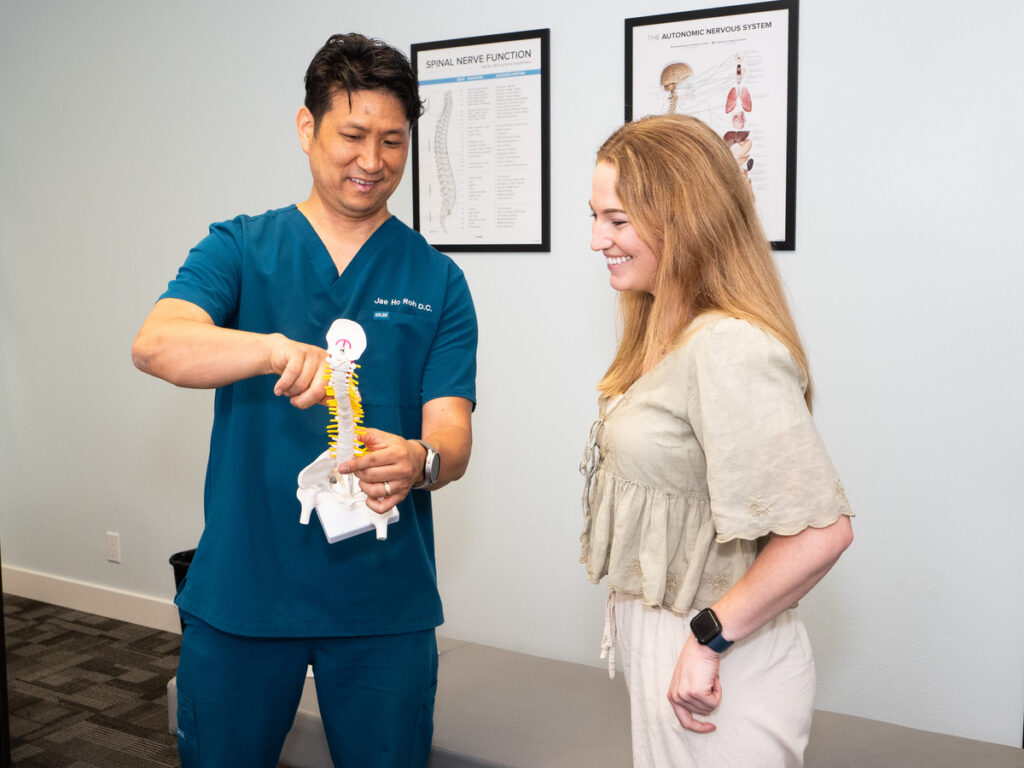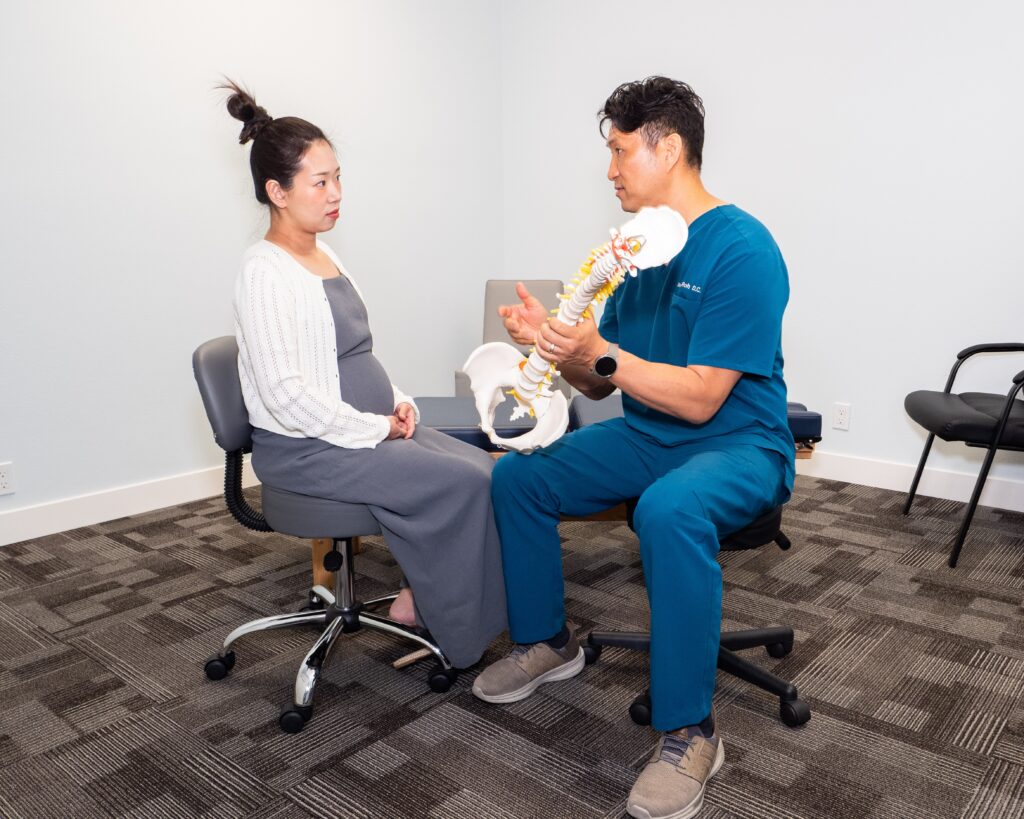

If you're living with chronic pain, seeking professional care can greatly impact your quality of life. It's not just about managing symptoms; personalized treatment plans can address your unique needs and lifestyle. Plus, a multidisciplinary approach offers thorough solutions, tackling pain from multiple angles. You might even uncover underlying conditions that could be contributing to your discomfort. As you consider these factors, think about what improved pain management could mean for your everyday life and the steps you can take to enhance your overall well-being.
Understanding Chronic Pain
Chronic pain's impact on daily life can be profound, affecting everything from your mood to your ability to work. You might find that simple tasks become intimidating, and your motivation can dwindle as pain takes center stage. Understanding chronic pain is vital to steering its effects effectively. It isn't just a symptom; it's a condition that can alter your perspective on daily activities and relationships.
Chronic pain can stem from various sources, including injuries, illnesses, or even conditions that seem unrelated to pain, like stress or depression. You may feel frustrated that your body isn't functioning as it should, which can lead to feelings of isolation. Recognizing that chronic pain affects not only your physical health but also your emotional and mental well-being is significant. The way you perceive and respond to pain often influences your overall quality of life.
Moreover, chronic pain can create a cycle of discomfort, where your body tenses up in response to pain, leading to more pain. It's important to understand how this cycle works, as recognizing it can empower you to seek appropriate care. Knowledge is a tool; the more you understand your condition, the better equipped you'll be to communicate with healthcare providers and advocate for your needs.
Acknowledging the complexity of chronic pain can help you take the necessary steps toward managing it and reclaiming control over your life.
Improved Pain Management
When it comes to managing chronic pain, improved strategies can make a significant difference in your daily life.
Personalized treatment plans, multimodal pain approaches, and ongoing monitoring can help tailor solutions that work best for you.
#
Personalized Treatment Plans
Creating personalized treatment plans can greatly enhance pain management for those dealing with chronic pain. When you work closely with your healthcare team, they'll consider your specific symptoms, lifestyle, and medical history to tailor a plan just for you. This individualized approach guarantees that you receive care that aligns with your unique needs.
Your treatment plan may include a variety of strategies such as medication management, physical therapy, or alternative therapies like acupuncture. By focusing on what works best for you, your healthcare provider can adjust treatments as needed, guaranteeing peak effectiveness.
You'll likely experience improved relief and a better quality of life.
It's also essential to communicate openly with your healthcare team about what's working and what isn't. This feedback allows for ongoing adjustments to your plan, enhancing its effectiveness over time.
Multimodal Pain Approaches
Multimodal pain approaches offer a thorough strategy for managing chronic pain by combining various treatment modalities. Instead of relying on a single method, you integrate different therapies to tackle your pain from multiple angles. This can include medications, physical therapy, psychological support, and alternative treatments like acupuncture or massage therapy.
When you engage in a multimodal approach, you're not just treating the symptoms; you're addressing the underlying causes of your pain. For instance, medication can help alleviate pain, while physical therapy can improve function and mobility.
Additionally, incorporating mental health support can equip you with coping strategies to deal with pain's emotional toll. You'll likely find that a combination of treatments enhances overall efficacy and improves your quality of life.
By personalizing your pain management plan, you can discover what works best for you, leading to better outcomes. This holistic approach can empower you to take control of your pain and feel more in charge of your treatment journey.
Don't hesitate to discuss multimodal options with your healthcare provider to create a balanced plan tailored to your needs.
Ongoing Monitoring and Adjustments
Managing chronic pain isn't a one-time effort; it requires ongoing monitoring and adjustments for improved outcomes. As you navigate your pain management journey, it's important to regularly evaluate your symptoms and treatment effectiveness. This helps you and your healthcare team identify what's working and what isn't.
You may find that your pain levels fluctuate, or certain treatments become less effective over time. By keeping track of these changes, you can collaboratively adjust your care plan. This might involve altering medication dosages, trying different therapies, or incorporating new lifestyle changes.
Communication is key. Make sure you're open with your healthcare providers about how you're feeling. Don't hesitate to discuss any side effects or concerns. They can help tailor your treatment to better fit your evolving needs.
Additionally, consider utilizing tools like pain diaries or apps to monitor your symptoms and triggers. These can provide valuable insights for both you and your healthcare team.
Identifying Underlying Conditions
Identifying underlying conditions is essential for effective chronic pain management. When you experience chronic pain, it's vital to understand that it often stems from deeper issues. By pinpointing these underlying conditions, you can take the first step toward relief and improved quality of life.
Start by paying attention to your symptoms. Are there patterns or triggers that make your pain worse? Keeping a pain journal can help you track these details. This information can be invaluable when discussing your pain with a healthcare provider. They'll want to know about not just the pain itself, but also any accompanying symptoms like fatigue, stiffness, or changes in mood.
You might also consider your medical history and lifestyle factors. Conditions like arthritis, fibromyalgia, or even stress-related issues can contribute to chronic pain. Discussing your full medical history with your provider can lead to a more accurate diagnosis. Don't hesitate to mention any past injuries, surgeries, or other health concerns that could be relevant.
Getting the right tests or evaluations is often necessary. Imaging tests, blood tests, or physical assessments can reveal conditions that mightn't be obvious.
Addressing these underlying issues isn't just about managing pain; it can lead to extensive treatment plans that target the root cause, not just the symptoms.
Access to Professional Expertise
When managing chronic pain, accessing professional expertise is essential for your recovery.
Specialized treatment options and tailored pain management plans can make a significant difference in your quality of life.
A multidisciplinary care approach guarantees you receive thorough support from various experts, all working together for your benefit.
Specialized Treatment Options
Accessing specialized treatment options is essential for effectively addressing chronic pain. When you seek help from professionals who focus specifically on chronic pain management, you open the door to a variety of tailored interventions.
These experts understand the complexities of pain and can provide you with innovative solutions that go beyond conventional treatments.
Consider these specialized options:
- Interventional therapies: Procedures like nerve blocks or spinal injections can target specific pain sources, offering significant relief.
- Physical therapy: A skilled therapist can guide you through exercises designed to strengthen your body and improve mobility, which can help alleviate pain.
- Psychological support: Chronic pain often has emotional components. Working with a psychologist can help you develop coping strategies and improve your overall quality of life.
Tailored Pain Management Plans
Building on the foundation of specialized treatment options, creating a tailored pain management plan is essential for your journey toward relief. Each person experiences chronic pain differently, so a one-size-fits-all approach simply won't cut it.
By working closely with healthcare professionals, you can develop a strategy that addresses your unique needs. Your tailored plan may include a combination of medication, physical therapy, and lifestyle adjustments.
It's vital to communicate openly about what works and what doesn't. This dialogue allows your healthcare provider to fine-tune your plan, ensuring it remains effective over time.
Additionally, incorporating alternative therapies, like acupuncture or mindfulness practices, can enhance your pain management. These options often complement traditional treatments, providing you with a holistic approach to relief.
Multidisciplinary Care Approach
A multidisciplinary care approach can greatly enhance your chronic pain management journey. By collaborating with various healthcare professionals, you'll gain access to diverse expertise that addresses not just the physical aspects of pain but also the emotional and psychological components.
This all-encompassing strategy can lead to more effective treatment plans tailored to your specific needs.
Consider the following benefits of a multidisciplinary approach:
- Diverse Expertise: You'll work with a team that includes doctors, physical therapists, psychologists, and nutritionists, each bringing a unique perspective to your care.
- Thorough Assessments: Professionals will evaluate your situation from multiple angles, ensuring that all factors contributing to your pain are considered.
- Integrated Treatment Plans: Your team will collaborate to create a cohesive plan, combining medications, physical therapies, and counseling to optimize your results.
When you embrace a multidisciplinary approach, you're not just treating your symptoms; you're tackling the root causes of your chronic pain.
This all-encompassing strategy can empower you, improving your quality of life and helping you regain control over your daily activities.
## Personalized Treatment Plans
Chronic pain management isn't one-size-fits-all; it's essential to create personalized treatment plans that cater specifically to your unique needs and circumstances. Every individual experiences pain differently, influenced by factors such as medical history, lifestyle, and emotional well-being. By tailoring your treatment plan, healthcare providers can address the root causes of your pain more effectively.
When you consult with your healthcare team, they'll begin by thoroughly evaluating your condition. This evaluation often includes discussions about your medical history, physical examinations, and possibly imaging or diagnostic tests. Your input is significant during this stage; sharing your experiences and concerns helps shape a plan that truly resonates with you.
Your personalized treatment plan may incorporate a variety of approaches. For instance, you might combine medication management with physical therapy, or explore alternative therapies like acupuncture or massage. This multi-faceted approach not only targets your pain but also considers your overall well-being.
Additionally, these plans can evolve over time. As you progress or encounter new challenges, your healthcare provider will likely adjust your treatment to guarantee it remains effective. Regular follow-ups are essential to monitor your response and make necessary changes.
In creating a personalized treatment plan, you're taking an active role in your chronic pain management. This collaborative effort can empower you to navigate your pain journey with greater confidence and purpose.
Enhanced Quality of Life
Enhanced quality of life often emerges as an essential goal in managing chronic pain. When you seek proper care, you're taking considerable steps toward reclaiming joy and functionality in your daily life. Chronic pain can be debilitating, but addressing it head-on can lead to improvements that make a real difference.
Consider the following benefits of enhanced quality of life through effective pain management:
- Increased Mobility: You'll find it easier to move around, participate in activities, and enjoy hobbies you once loved.
- Better Sleep: Pain management can lead to more restful nights, helping you wake up refreshed and ready to tackle the day.
- Improved Mood: Managing your pain can considerably reduce feelings of frustration and sadness, leading to a more positive outlook on life.
By actively engaging with healthcare professionals, you can develop strategies tailored to your unique challenges. Whether it's medication, physical therapy, or alternative treatments, the right approach can contribute to a healthier, more fulfilling life.
You deserve to experience life without the constant shadow of pain. As you prioritize your well-being, you'll find that the obstacles that once held you back begin to fade.
Taking the initiative to seek care not only enhances your quality of life but also empowers you to live more fully and intentionally. Remember, every small step you take toward managing your chronic pain can lead to considerable improvements in your overall happiness and satisfaction.
Support and Resources
Finding the right support and resources can make a world of difference in your journey to manage chronic pain. You're not alone in this struggle, and there are numerous avenues for assistance that can help you regain control of your life.
Start by connecting with healthcare professionals who understand chronic pain management. They can provide tailored treatment plans, medication options, and therapeutic interventions designed specifically for your needs.
Consider joining support groups, either in person or online. These communities can offer a safe space to share experiences, exchange coping strategies, and find emotional support from others who truly understand what you're going through. Hearing how others manage their pain can inspire you and remind you that you're not isolated in your experience.
Educational resources are also vital. Look for workshops, webinars, and literature focused on chronic pain management. These can equip you with valuable knowledge about your condition and the latest treatment options.
Don't hesitate to reach out to organizations dedicated to chronic pain advocacy; they often provide resources and can help you navigate the healthcare system.
Lastly, incorporating complementary therapies like physical therapy, acupuncture, or mindfulness practices can enhance your pain management strategy. These resources can help you develop a well-rounded approach that addresses not just the physical aspects of pain but also the emotional and psychological components.
Long-term Health Benefits
Managing chronic pain effectively can lead to significant long-term health benefits. When you take control of your pain, you're not just improving your immediate comfort; you're also paving the way for a healthier future.
Here's how effective pain management can positively impact your overall well-being:
- Improved Mobility: By addressing chronic pain, you can enhance your physical activity, making it easier to engage in daily tasks and enjoy recreational activities that promote a healthier lifestyle.
- Enhanced Mental Health: Chronic pain often leads to anxiety and depression. By managing your pain, you may notice improvements in your mood, reducing the likelihood of mental health issues and fostering a more positive outlook on life.
- Better Sleep Quality: Effective pain management can lead to improved sleep patterns. When you're not constantly waking up due to discomfort, your body can rest and recover, which is essential for overall health.
Conclusion
In summary, seeking care for chronic pain is essential for your overall well-being. By understanding your pain and accessing professional expertise, you can benefit from personalized treatment plans that improve your quality of life. Identifying underlying conditions and utilizing a multidisciplinary approach means you'll receive thorough support tailored to your needs. Remember, addressing chronic pain isn't just about managing symptoms; it's about enhancing your long-term health and reclaiming control over your life. Don't hesitate to seek help!