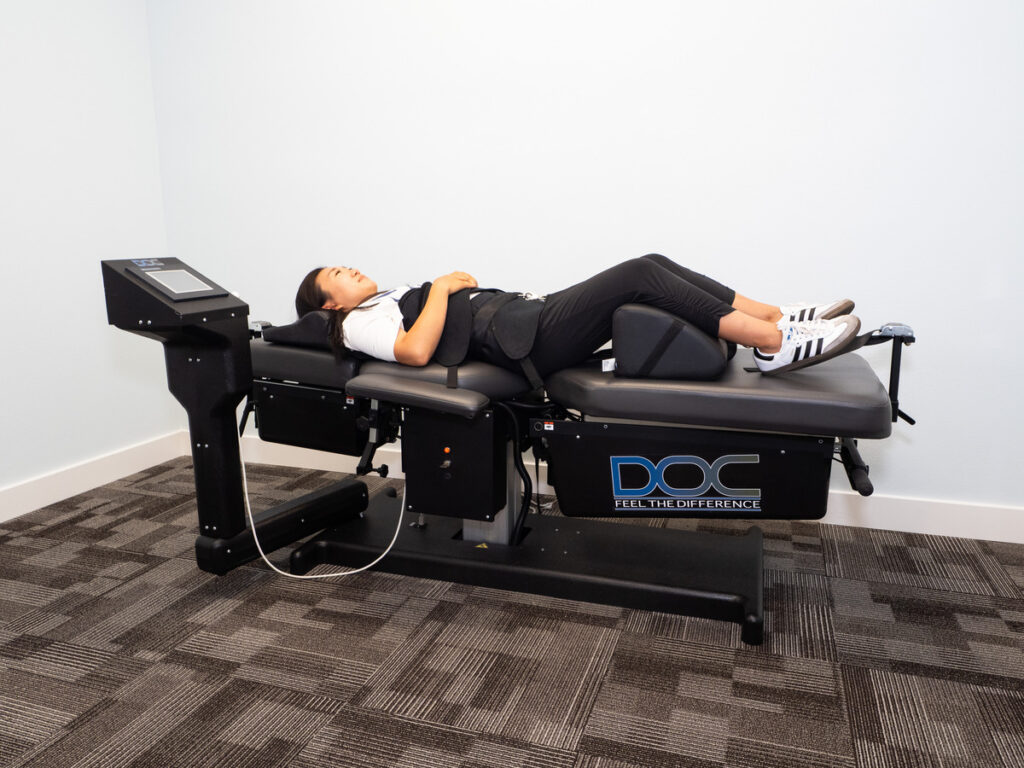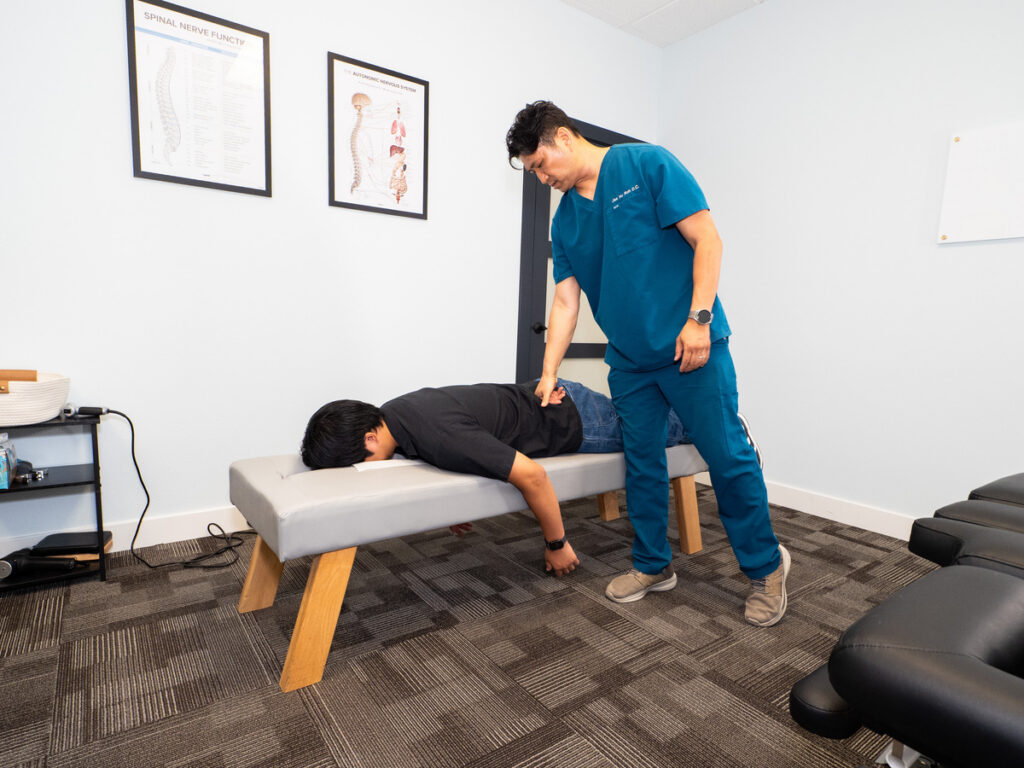

If you’re dealing with neck pain and migraines, you’re certainly not alone. Many individuals face this frustrating issue, often stemming from poor posture, stress, or spinal misalignments. Understanding these underlying causes is essential for finding effective solutions. In this article, we’ll explore how chiropractic care can play a pivotal role in alleviating discomfort and enhancing your overall quality of life.
Chiropractic care focuses on the relationship between your spine and nervous system, recognizing that misalignments can lead to pain and tension. By addressing these issues through gentle adjustments, we can help restore proper alignment and function, which often leads to significant relief from neck pain and migraines.
In addition to chiropractic adjustments, there are several strategies you can incorporate into your daily routine to support your healing journey:
- Maintain Good Posture: Be mindful of your posture, especially when sitting at a desk or using your phone. Keep your shoulders relaxed and your head aligned over your spine to reduce strain on your neck.
- Stay Hydrated: Proper hydration is crucial for spinal health and can help reduce headache frequency. Aim to drink plenty of water throughout the day.
- Practice Stress-Relief Techniques: Stress can exacerbate neck tension and migraines. Consider incorporating relaxation techniques such as deep breathing, yoga, or meditation into your daily routine.
- Use a Supportive Pillow: Choose a pillow that supports the natural curve of your neck. This can help reduce strain while you sleep and improve overall spinal health.
- Regular Chiropractic Visits: Consistent chiropractic care can help maintain your spinal alignment and prevent future discomfort. Your chiropractor can create a personalized care plan that addresses your specific needs.
By focusing on these natural and holistic approaches, you can take proactive steps towards achieving optimal health and wellness. Remember, chiropractic care is a powerful tool in your journey to alleviate pain and enhance your well-being. Let’s work together to find the best solutions for you!
Key Takeaways
- Maintain good posture during your daily activities to alleviate neck strain and help prevent migraines. Simple reminders, like adjusting your workstation or being mindful of your body position, can make a big difference.
- Incorporate stress-reducing techniques, such as yoga or deep breathing exercises, to relieve tension in your neck. These practices not only help to relax your muscles but also promote overall well-being.
- Ensure your sleep environment supports proper neck alignment by using a pillow that suits your sleeping style. A good pillow can help keep your spine aligned while you rest, contributing to a pain-free neck.
- Regular chiropractic care is essential for correcting spinal misalignments and relieving neck tension. A chiropractor can provide personalized adjustments that not only address your current discomfort but also promote long-term health.
- Stay hydrated and maintain a balanced diet rich in anti-inflammatory foods. Foods like leafy greens, nuts, and fatty fish can support your body’s natural healing processes and contribute to overall wellness.
Remember, making these lifestyle adjustments in combination with regular chiropractic visits can lead to lasting relief from neck pain and migraines. Your journey to optimal health starts with small, manageable changes!
Understanding the Connection Between Neck Pain and Migraines
When experiencing neck pain, it’s essential to consider its potential link to migraines. Many people don’t realize that tension in the neck can trigger those intense headaches. Tight or strained neck muscles can lead to referred pain, resulting in migraines. If your neck feels stiff or sore, a migraine may follow soon after.
This connection often arises from everyday issues like poor posture, stress, or even the way you sleep. Holding tension in your neck can irritate nearby nerves, leading to migraine symptoms. The cervical spine, which comprises the bones in your neck, plays a critical role in your overall head and neck health.
As a chiropractor, I want to help you understand this relationship and encourage you to take proactive steps to manage both neck pain and migraines. Here are some tips to consider:
- Improve Your Posture: Be mindful of your posture throughout the day, especially if you spend long hours sitting at a desk. Ensure your workstation is ergonomically set up to reduce strain on your neck.
- Manage Stress: Incorporate stress-reducing activities into your routine, such as deep breathing exercises or gentle yoga, which can help alleviate tension in your neck.
- Sleep Right: Pay attention to your sleeping position. Using a supportive pillow can help keep your neck aligned and reduce the risk of waking up with stiffness.
- Stay Hydrated: Dehydration can contribute to muscle tension, so make sure you’re drinking plenty of water throughout the day.
- Regular Chiropractic Care: Regular visits to a chiropractor can help correct misalignments in your spine and relieve tension in your neck. Chiropractic care is a natural and effective way to address both neck pain and migraine issues.
Physical Therapy Techniques for Relief
If you’re dealing with neck pain and migraines, chiropractic care can provide you with effective solutions for relief. Our holistic approach focuses on aligning your spine and optimizing your overall wellness, which can lead to significant improvement in your condition.
Techniques such as spinal adjustments, gentle manual therapy, and tailored stretching exercises can help alleviate pain and restore proper function. Chiropractic care not only targets the source of your discomfort but also emphasizes the importance of good posture and body mechanics in everyday life.
By correcting any misalignments in your spine, we can help reduce tension in the muscles surrounding your neck, which often contributes to migraines.
Here are some simple tips to take control of your health and well-being:
- Practice Good Posture: Be mindful of your posture, especially when sitting for long periods. Keep your back straight and shoulders relaxed, and try to keep your computer screen at eye level.
- Stay Hydrated: Drinking plenty of water can help prevent dehydration, which is a common trigger for headaches and migraines.
- Incorporate Stretching: Regularly perform gentle neck stretches and shoulder rolls to relieve tension. Simple movements can make a significant difference in how you feel.
- Manage Stress: Stress can exacerbate neck pain and migraines. Consider relaxation techniques such as deep breathing, meditation, or yoga to help calm your mind and body.
Remember, chiropractic care is a natural and effective way to achieve optimal health and wellness. If you’re ready to take the next step toward relief, reach out to your local chiropractor for a personalized assessment and treatment plan tailored to your needs.
You deserve to live pain-free and enjoy life to the fullest!
Manual Therapy Approaches
As a local chiropractor, I’m excited to share how manual therapy approaches can provide significant relief for those dealing with neck pain and migraines. These techniques focus on gently manipulating the muscles and joints to improve mobility and reduce tension, promoting natural healing in your body.
Here are some chiropractic methods you might consider to ease your discomfort:
- Soft tissue mobilization: This technique involves applying gentle pressure to sore muscles, which helps release tightness and enhances blood flow. By addressing muscle tension, you can experience increased comfort and improved function.
- Joint mobilization: Through gentle movements, joint mobilization aims to restore proper joint function. This can increase your range of motion and decrease pain, allowing you to return to your daily activities more easily.
- Myofascial release: This specialized technique targets the fascia, the connective tissue surrounding muscles. By relieving tension in the fascia, myofascial release can improve overall muscle function and enhance your body’s ability to heal.
In addition to these techniques, here are some general tips to support your journey towards optimal health and wellness:
- Stay Hydrated: Drinking plenty of water can help maintain muscle elasticity and joint lubrication, reducing the risk of tension and discomfort.
- Practice Good Posture: Being mindful of your posture can alleviate unnecessary strain on your neck and back, helping to prevent pain and promote a healthier spine.
- Incorporate Stretching: Regular stretching can improve flexibility and reduce muscle tightness. Simple neck and shoulder stretches can be particularly beneficial.
- Engage in Regular Physical Activity: Gentle exercises like walking, yoga, or swimming can enhance overall mobility and promote a healthy spine.
- Prioritize Rest: Ensuring you get enough restful sleep is crucial for your body’s recovery and overall health.
By focusing on chiropractic care and these natural methods, you can work towards achieving optimal health and wellness without the need for medications or surgeries.
Stretching Exercises Benefits
Incorporating stretching exercises into your daily routine can significantly complement your chiropractic care for alleviating neck pain and migraines. These gentle stretches not only improve flexibility and range of motion but also aid in relaxing your muscles and reducing tension.
When you take the time to stretch regularly, you promote better blood circulation, which can help relieve pain and support your body’s natural healing process.
Simple neck stretches, such as tilting your head side to side or gently rolling it, can be effective in easing tightness. These movements encourage the flow of nutrients and oxygen to your muscles, promoting recovery.
Moreover, incorporating stretching into your routine can help prevent future discomfort by strengthening your neck muscles and enhancing your overall posture.
As a chiropractor, I always emphasize the importance of consistency. Take a few minutes each day to dedicate to stretching. You may be pleasantly surprised by the significant reduction in pain and the boost to your overall sense of well-being.
Posture Correction Strategies
Correcting your posture may seem daunting, but it can greatly alleviate neck pain and migraines, enhancing your overall well-being. As a chiropractor, I believe that with simple adjustments to your daily habits, you can achieve lasting relief and optimal health.
Here are some practical strategies that can make a difference:
- Align your ears with your shoulders: Think of a straight line connecting your ears to your hips. This alignment helps maintain a neutral spine, which is crucial for reducing strain on your neck and back.
- Choose supportive seating: When selecting chairs, opt for those that promote good posture. Ensure your feet are flat on the ground and your back is well-supported. This can help prevent discomfort and promote better spinal health.
- Incorporate regular breaks: It’s essential to stand up and stretch regularly, especially if you find yourself sitting for long periods. Set reminders to take short breaks to move around and relieve tension in your muscles.
By incorporating these simple posture correction strategies into your daily routine, you can significantly improve your comfort and overall health.
The Benefits of Chiropractic Care
Chiropractic care provides a natural and holistic solution for those suffering from neck pain and migraines, making it an excellent choice for many individuals seeking relief. By emphasizing spinal alignment, chiropractors work to restore balance to your body, which can significantly reduce tension and enhance overall function.
After your adjustments, you may notice immediate relief from tight muscles and improved mobility, allowing you to enjoy daily activities with greater ease.
Regular chiropractic visits not only help alleviate pain but also support your body’s natural healing abilities. Instead of just covering up the symptoms, we focus on identifying and addressing the root causes of your discomfort.
As part of your care, I’ll share personalized advice on lifestyle changes, exercises, and ergonomic adjustments that can further enhance your recovery and promote healthier living.
Many patients have reported a substantial reduction in the frequency and intensity of their migraines after incorporating chiropractic care into their wellness routine. This non-invasive treatment empowers you to take control of your health and well-being, paving the way for a better quality of life.
To maximize the benefits of chiropractic care, here are some general tips you can incorporate into your daily routine:
- Stay Active: Engage in regular physical activity to keep your muscles strong and your spine flexible.
- Practice Good Posture: Be mindful of your posture, whether sitting at a desk or lifting objects. Proper alignment can prevent unnecessary strain on your spine.
- Stay Hydrated: Drinking plenty of water supports overall health and helps maintain the elasticity of your spinal discs.
- Manage Stress: Techniques such as deep breathing, meditation, or yoga can help reduce tension in your body, which can contribute to neck pain and migraines.
- Get Adequate Sleep: Ensure you have a comfortable sleeping position and a supportive mattress to promote spinal health while you rest.
Consider making chiropractic care a key part of your pain management strategy for long-lasting benefits. Together, we can work towards achieving optimal health and wellness, allowing you to lead a more fulfilling life.
Mindfulness and Relaxation Techniques
Many individuals experience relief from neck pain and migraines through mindfulness and relaxation techniques. By anchoring yourself in the present moment and soothing your mind, you can significantly lessen the tension that contributes to discomfort.
While chiropractic care is an excellent way to address the root causes of pain, incorporating these simple techniques can complement your healing journey. Here are three effective methods to consider:
- Deep Breathing: Take a moment to breathe deeply. Inhale slowly through your nose, hold for a few seconds, then exhale gently through your mouth. Visualize all the stress leaving your body with each breath. This not only calms your mind but can also help relax the muscles surrounding the spine, promoting better alignment.
- Progressive Muscle Relaxation: This technique involves tensing and then relaxing each muscle group in your body, starting from your toes and moving up to your neck. As you release the tension, pay attention to how your muscles feel. This practice can enhance your body awareness and may lead to improved posture, which is crucial for spinal health.
- Guided Imagery: Imagine a peaceful scene, such as a calm beach or a tranquil forest. Visualize the sounds, scents, and sensations you’d experience in that place. This mental imagery can help distract you from pain and foster a sense of calm, allowing your body to relax further.
Incorporating these mindfulness techniques into your daily routine can enhance your overall well-being and work harmoniously with chiropractic care.
Lifestyle Adjustments for Prevention
Incorporating mindfulness and relaxation techniques into your daily routine is an excellent first step toward preventing neck pain and migraines. However, making some thoughtful lifestyle adjustments can significantly enhance your well-being. One of the key areas to focus on is your posture—especially when sitting at a desk or using your phone. Ensure your back is straight and your screen is positioned at eye level to minimize strain on your neck.
It’s also crucial to take regular breaks from screens. This simple practice can help alleviate tension and reduce the risk of developing discomfort. Staying active is equally important. Engage in regular exercise, and incorporate neck and shoulder stretches to maintain flexibility. Remember, gentle movement is vital for keeping your spine and surrounding muscles in good health.
Your sleep environment can also play a pivotal role in your comfort. Using a supportive pillow and sleeping on your back can help maintain proper spinal alignment, which may reduce the likelihood of waking up with neck pain or headaches.
Don’t forget about hydration! Drinking plenty of water throughout the day is essential for overall health and can help prevent tension that may lead to discomfort. Additionally, be aware of your stress levels. High stress can contribute to both neck pain and migraines, so finding relaxation techniques—like yoga or deep-breathing exercises—can be incredibly beneficial.
Finally, consider visiting a chiropractor. Chiropractic care focuses on natural healing and can help align your spine, reduce pain, and enhance your overall wellness. By integrating these lifestyle adjustments and prioritizing chiropractic care, you can move toward a more comfortable and pain-free life.
Over-the-Counter and Prescription Medications
When you’re experiencing neck pain and migraines, it’s important to explore natural healing options that can help you find relief while promoting overall wellness. Chiropractic care is an excellent choice for addressing these issues, as it focuses on spinal health and helps restore proper alignment, which can alleviate pain and tension in the neck.
Here are some strategies to consider for managing neck pain and migraines naturally:
- Chiropractic Adjustments: Regular visits to a chiropractor can help realign your spine and improve nerve function. This can lead to significant reductions in neck pain and migraine frequency. Your chiropractor will develop a personalized treatment plan tailored to your needs.
- Stretching and Strengthening Exercises: Gentle stretches and exercises can improve flexibility and strengthen the muscles surrounding the neck. Incorporating a routine that focuses on the neck and upper back can support your spine and reduce discomfort.
- Ergonomic Adjustments: Pay attention to your workspace and posture. Ensure that your desk, chair, and computer screen are set up to promote good posture. This can help prevent strain on your neck and reduce the likelihood of migraines.
- Hydration and Nutrition: Staying hydrated and eating a balanced diet can play a significant role in managing pain. Certain foods can help reduce inflammation, such as fruits, vegetables, and omega-3 fatty acids found in fish.
- Stress Management Techniques: Stress can contribute to both neck pain and migraines. Practices such as yoga, meditation, and deep breathing exercises can help alleviate stress and tension, promoting relaxation and overall well-being.
Always remember to consult with a qualified chiropractor to discuss your specific symptoms and develop a tailored plan that works for you.
Embracing a holistic approach to health and wellness can lead to lasting relief from neck pain and migraines, helping you enjoy a more active and fulfilling life without the reliance on medications.
When to Seek Professional Help
How do you know when it’s time to seek professional help for neck pain and migraines? If your discomfort continues despite trying home remedies or seems to get worse, it’s important to reach out to a healthcare provider who understands the benefits of chiropractic care. Here are some signs that indicate it’s time to get evaluated:
| Symptoms | Action |
|---|---|
| Severe or worsening pain | Schedule a visit to your chiropractor for a thorough assessment |
| Numbness or tingling | Get evaluated by a chiropractor right away to identify the root cause |
| Headaches after injury | Seek immediate chiropractic care to address potential spinal misalignments |
| Symptoms affecting daily life | Consult with a chiropractor to explore natural solutions and regain your quality of life |
Chiropractic care can be a powerful ally in managing neck pain and migraines. It focuses on the health of your spine and nervous system, promoting natural healing and overall wellness. In addition to seeking professional help, consider these tips to support your recovery and enhance your daily wellness:
- Maintain good posture, especially when sitting or using devices.
- Incorporate gentle stretching and exercises to relieve tension in your neck and shoulders.
- Stay hydrated and nourish your body with a balanced diet rich in anti-inflammatory foods.
- Practice stress-reduction techniques, such as deep breathing or mindfulness, to help prevent tension-related headaches.
Conclusion
Incorporating chiropractic care into your daily routine can significantly alleviate neck pain and reduce the frequency of migraines. By focusing on proper posture, engaging in relaxation techniques, and making mindful lifestyle adjustments, you can take control of your health and well-being. Chiropractic adjustments can help align your spine, relieving tension and improving your overall function.
Consider these simple tips to enhance your wellness journey:
- Posture Awareness: Keep your head up and shoulders back when sitting or standing. This helps maintain spinal alignment and can prevent neck strain.
- Stretching: Regularly stretch your neck and shoulder muscles to relieve tension. Simple exercises, like gently tilting your head from side to side, can make a big difference.
- Stay Hydrated: Drinking plenty of water helps keep your spinal discs hydrated and supports overall health.
- Ergonomic Workspace: If you work at a desk, ensure your computer screen is at eye level and your chair supports your lower back. This can help reduce strain on your neck.
- Relaxation Techniques: Incorporate deep breathing or gentle yoga into your routine to help manage stress, which can contribute to tension headaches and neck pain.
If you’re still experiencing discomfort, don’t hesitate to seek chiropractic care. A chiropractor can provide tailored adjustments and recommendations to address your specific concerns. Remember, your comfort and health are worth the effort, and natural healing through chiropractic is a powerful way to achieve optimal wellness!