
Good posture is not just about standing tall; it’s essential for maintaining overall health and well-being. Many people face challenges with their posture daily, which can lead to discomfort, pain, and a decreased quality of life. The good news is that there are natural and effective techniques, particularly through chiropractic care, that can help you improve your posture and manage any associated pain.
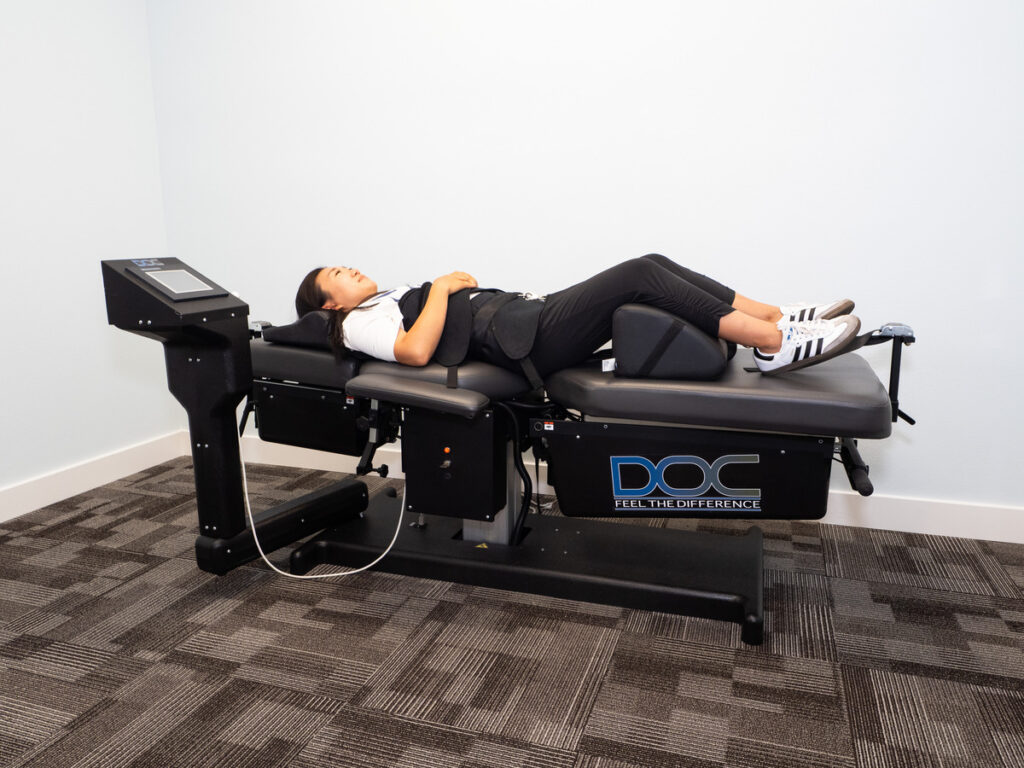
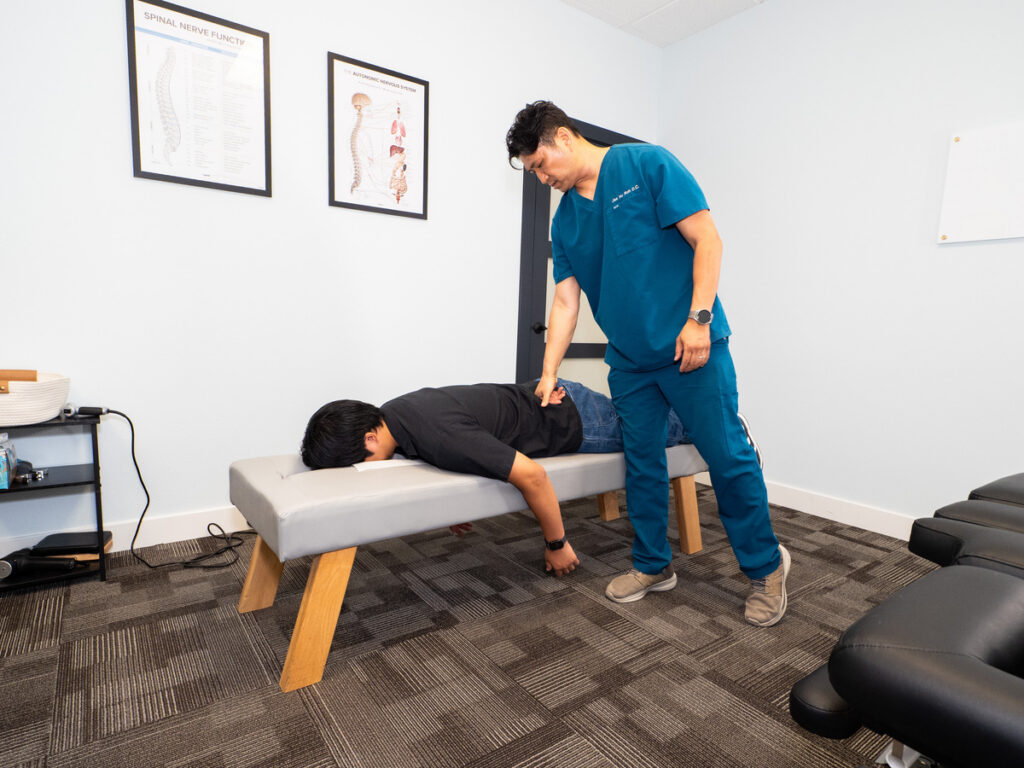
Chiropractic care focuses on aligning the spine and supporting the body’s natural healing processes. Regular chiropractic adjustments can help to correct misalignments in the spine that contribute to poor posture, allowing your body to function optimally and alleviating discomfort.
Here are some practical tips to enhance your posture and promote a healthier lifestyle:
- Stay Aware of Your Posture: Throughout your day, take a moment to check in on your posture. Whether you’re sitting at a desk, standing in line, or walking, try to keep your shoulders back and your spine straight.
- Ergonomic Workspace Setup: If you spend a lot of time at a desk, ensure that your workspace is ergonomically friendly. Your chair should support your lower back, and your computer screen should be at eye level to prevent neck strain.
- Strengthening Exercises: Incorporate exercises that strengthen your core muscles, as a strong core supports good posture. Simple activities like planks, bridges, and abdominal exercises can make a significant difference.
- Stretch Regularly: Stretching helps to relieve tension in your muscles and improve flexibility. Consider neck stretches and back stretches to counteract the effects of sitting or standing for long periods.
- Stay Active: Regular physical activity is crucial for maintaining good posture. Activities like walking, swimming, or yoga can help to strengthen your body and improve your overall posture.
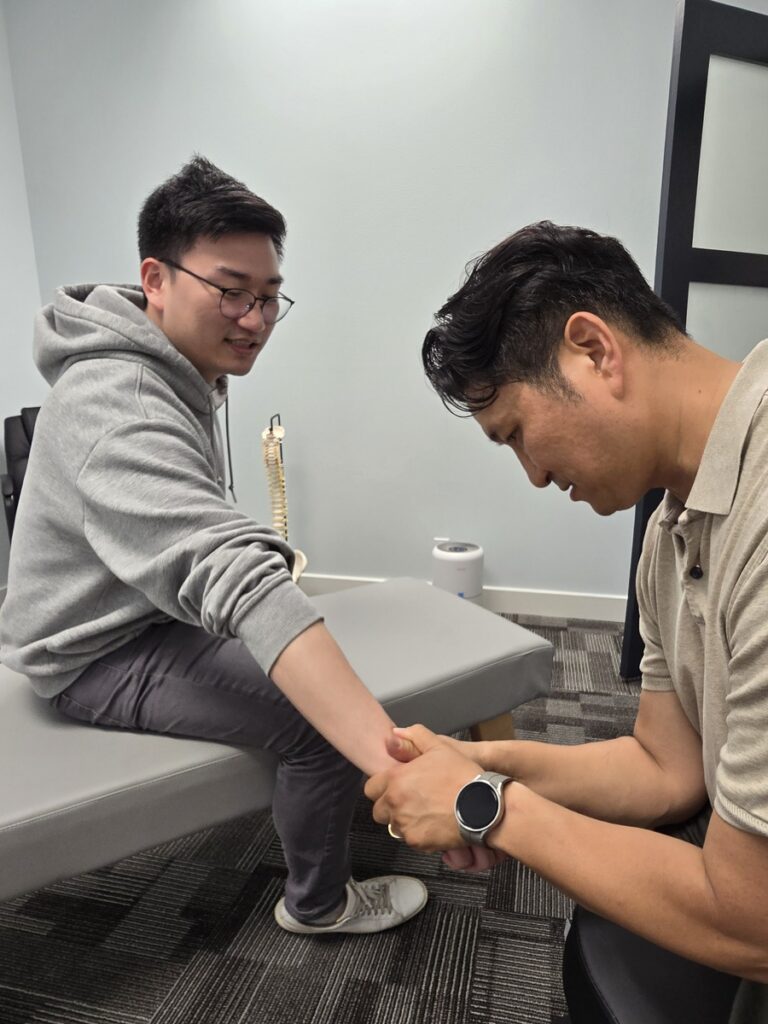
- Chiropractic Visits: Regular chiropractic check-ups can be a valuable tool in your posture improvement journey. A chiropractor can assess your posture, provide adjustments, and offer personalized recommendations to help you maintain a healthy spine.
By incorporating these strategies into your daily routine, you can enhance your posture and experience relief from pain without the need for medications or invasive procedures. Remember, chiropractic care is a natural and effective way to support your body’s health and well-being. Take the first step towards a healthier you today!
Key Takeaways
As a local chiropractor, I’m here to share some valuable techniques that can help improve your posture and manage pain naturally. Prioritizing your spinal health is crucial for overall wellness, and chiropractic care is an excellent way to achieve optimal health. Here are some simple tips to incorporate into your daily routine:
- Strengthen Your Core: Engaging in core-strengthening exercises like planks and bridges can significantly enhance spinal stability. A strong core supports your spine, which may help reduce discomfort and promote better posture.
- Optimize Your Workspace: Ergonomics play a vital role in preventing strain and discomfort. Adjust your chair height and monitor position to ensure that your workspace promotes proper alignment. This small change can make a big difference in how you feel throughout the day.
- Take Regular Breaks: Remember to give your body a break every 30 minutes! Stand up, stretch, and reset your posture. This practice can help alleviate tension and keep your muscles from becoming stiff.
- Incorporate Upper Back Stretches: Simple stretches like the Cat-Cow stretch and shoulder blade squeezes can relieve tightness in your upper back and improve flexibility. These stretches promote a healthy spine and can be easily done at home or work.
- Consider Supportive Devices: Utilizing ergonomic chairs and posture correctors can help maintain proper alignment and reduce discomfort. These tools support your body in a way that promotes better posture, which is essential for spinal health.
Remember, chiropractic care is a natural and holistic approach to pain relief and improving your wellbeing. By focusing on these practical tips, you can take meaningful steps towards a healthier, pain-free life. Your spine will thank you!
Understanding the Importance of Good Posture
Good posture isn’t just about standing up straight; it plays a crucial role in your overall health and well-being. By maintaining good posture, you align your spine properly, which reduces strain on your muscles and ligaments. This alignment can help prevent discomfort and chronic pain, allowing you to move more freely and efficiently throughout your day.
As a chiropractor, I can’t stress enough how important this is for your body. When your spine is aligned, it supports your nervous system, which is essential for your body’s ability to heal naturally. Regular chiropractic adjustments can help you maintain this alignment, providing you with pain relief and enhancing your overall wellness.
Good posture also boosts your confidence. Standing tall not only changes how you feel about yourself but also how others perceive you. You’re likely to feel more energized and focused, which can improve your productivity at work or home. Plus, with regular chiropractic care, you can work on maintaining this posture consistently.
Another significant benefit of good posture is its impact on your respiratory health. Keeping your chest open allows your diaphragm to function properly, enhancing your breathing and increasing oxygen flow throughout your body. This is vital for your overall vitality and energy levels.
To help you maintain good posture, here are some simple tips:
- Sit Up Straight: Ensure your back is against the chair and your feet are flat on the floor. Use a cushion if needed.
- Mind Your Screen: Position your computer screen at eye level to avoid slouching your neck.
- Take Breaks: If you sit for long periods, take short breaks to stand up, stretch, and walk around.
- Engage in Stretching: Incorporate stretches and exercises that strengthen your core and back muscles into your daily routine.
- Visit Your Chiropractor: Regular chiropractic adjustments can help keep your spine aligned and maintain good posture.
Prioritizing good posture isn’t just an aesthetic choice; it’s a foundational step toward a healthier, more vibrant life. With the right care and attention to your posture, you can enhance your well-being and enjoy the benefits of a pain-free lifestyle.
Common Causes of Poor Posture
Many individuals face the challenge of poor posture without fully understanding the underlying causes. As a local chiropractor, I want to highlight how these factors can impact your spinal health and overall well-being.
One significant contributor to poor posture is the sedentary lifestyle many of us lead today. When we sit for extended periods, our muscles can weaken, making it more difficult to maintain a straight back. If you find yourself hunched over a desk or device for hours, you may be experiencing what is commonly referred to as “tech neck.” This condition occurs when we lean forward, straining our neck and shoulder muscles.
Another factor to consider is stress. It can create tension in your muscles, leading to a hunched or slouched position. Additionally, the shoes we wear play a crucial role; unsupportive footwear can disrupt our balance and alignment, which ultimately affects posture.
Here’s a quick overview of common causes of poor posture and their impact:
| Cause | Impact on Posture |
|---|---|
| Sedentary Lifestyle | Weakens core and back muscles |
| Tech Neck | Strains neck and shoulder muscles |
| Stress | Leads to muscle tension |
| Poor Footwear | Affects balance and alignment |
| Lack of Awareness | Results in habitual slouching |
Recognizing these causes is the first step toward improving your posture. Here are some simple tips you can incorporate into your daily routine to help enhance your posture and alleviate discomfort:
- Take Breaks: Set a timer to remind yourself to stand up and move around every 30 minutes. Stretching your body can help relieve tension.
- Mind Your Tech Use: When using devices, try to hold them at eye level to avoid leaning forward.
- Practice Relaxation Techniques: Activities like yoga or deep breathing can help reduce stress and muscle tension.
- Choose Supportive Footwear: Opt for shoes that provide good arch support and cushioning to promote better posture.
- Stay Mindful of Your Posture: Regularly check in with your body and adjust your sitting and standing positions to maintain a neutral spine.
Simple Exercises to Strengthen Posture
To improve your posture and promote overall spinal health, focus on core strengthening exercises and upper back stretches. These movements not only enhance your stability but also play a crucial role in aligning your spine. By incorporating these simple exercises into your daily routine, you’ll likely notice a significant difference in how you carry yourself.
As a local chiropractor, I want to emphasize the importance of maintaining good posture for your overall well-being. Strong core muscles support your spine, reducing the risk of discomfort and pain. Additionally, stretching your upper back can relieve tension that often builds from daily activities such as sitting at a desk or looking down at your phone.
Consider adding these easy exercises to your day:
- Planks: These help strengthen your core, improving spinal stability. Start with 20-30 seconds and gradually increase the duration as you get stronger.
- Shoulder Blade Squeezes: Sit or stand up straight and squeeze your shoulder blades together. Hold for a few seconds and release. This simple movement can help open up your chest and counteract the effects of slouching.
- Cat-Cow Stretch: On your hands and knees, alternate between arching your back (like a cat) and dipping it down (like a cow). This stretch promotes flexibility in the spine and helps relieve tension.
Remember, taking care of your posture isn’t just about looking good; it’s about feeling good too. Regular chiropractic adjustments can further enhance your posture by ensuring that your spine is aligned and functioning optimally.
If you’re experiencing pain or discomfort, chiropractic care is a natural and effective way to find relief without resorting to medications or surgeries.
Core Strengthening Exercises
A strong core is more than just an aesthetic goal; it plays a crucial role in maintaining good posture and overall spinal health. At our chiropractic practice, we emphasize the importance of core strengthening exercises as a natural way to support your spine and enhance your alignment.
One of the best places to start is with planks. Begin by holding a plank position for 20-30 seconds. Focus on keeping your body straight and engaging your core. This exercise not only strengthens your core but also helps stabilize your spine, reducing the risk of discomfort.
Next, try bridges. Lie on your back with your knees bent and lift your hips toward the ceiling while squeezing your glutes. This movement strengthens your lower back and glutes, which are essential for proper posture and spinal health.
Incorporating dead bugs into your routine is another effective way to engage your core. Lie on your back with your arms extended toward the ceiling. Slowly lower one arm and the opposite leg while keeping your core engaged. This exercise promotes coordination and further stabilizes your spine.
Don’t forget about side planks! They’re excellent for targeting your obliques, which are important for maintaining balance and stability in your movements.
Integrating these exercises into your daily routine can greatly enhance your core strength, leading to better posture and reduced discomfort. Remember, a strong core supports your spine, which is essential for overall health.
As your chiropractor, I encourage you to prioritize these exercises alongside regular chiropractic care. Together, they can help you achieve optimal health and wellness naturally, without the need for medications or surgeries.
Reach out if you have any questions, and let’s work together towards a healthier, pain-free life!
Upper Back Stretches
Strengthening your core is just one element in the journey towards better posture; however, incorporating upper back stretches is just as essential. These stretches not only help alleviate tension in the upper back but also enhance flexibility, making it easier to maintain an upright position throughout your daily activities. As a chiropractor, I often emphasize that proper spinal alignment is crucial for overall health and wellness. Here are a few simple exercises you can easily add to your daily routine to support your upper back and improve your posture:
| Stretch | Description |
|---|---|
| Cat-Cow Stretch | Begin on all fours, arch your back upwards towards the ceiling, then gently dip it down while lifting your head. This movement helps mobilize the spine and relieve tension. |
| Shoulder Blade Squeeze | Sit up straight in a chair and gently squeeze your shoulder blades together for about 5 seconds. This helps to strengthen the muscles in your upper back and promotes better posture. |
| Thoracic Extension | Stand tall and place your hands on your hips or lower back. Gently lean back, using your hands to push your upper back upwards. This stretch opens up the chest and counteracts slouching. |
Incorporating these stretches into your daily routine can lead to a noticeable improvement in your posture and overall comfort. Remember, regular chiropractic care can also help maintain spinal health and support your body’s natural healing processes. By prioritizing both stretches and chiropractic adjustments, you’re taking proactive steps toward achieving optimal health and wellness.
Ergonomic Adjustments for Workspaces
To enhance your posture and overall well-being while working, it’s essential to make some ergonomic adjustments in your workspace. As a chiropractor, I believe that a well-structured environment can greatly support your spinal health and contribute to natural healing.
Begin by adjusting your chair height so that your feet rest flat on the floor, ensuring your knees form a right angle. This position not only promotes comfort but also helps maintain the natural curve of your spine, which is vital for preventing pain.
Next, position your monitor at eye level. This reduces strain on your neck and back, allowing you to work for longer periods without discomfort. A simple tip is to use a stack of books or a monitor stand to achieve the right height.
Additionally, organize your desk in a way that minimizes strain. Keep frequently used items within easy reach to avoid excessive stretching or twisting, which can lead to tension in your spine.
Remember, chiropractic care is a fantastic way to support your journey towards optimal health. Regular adjustments can help maintain proper alignment and alleviate any discomfort that may arise from poor posture.
Chair Height Adjustment
Adjusting your chair height is a crucial step in creating an ergonomic workspace that promotes good posture and overall comfort, which is essential for maintaining a healthy spine.
Start by sitting in your chair with your feet flat on the floor and your thighs parallel to the ground. Your knees should form a right angle, which is key for ensuring proper blood circulation and preventing strain on your lower back.
If your chair feels too high, consider using a footrest to keep your feet supported and maintain that optimal position. On the other hand, if your chair is too low, raise it until you find that sweet spot.
It’s important that your arms rest comfortably at desk level, allowing your shoulders to relax and minimizing the risk of discomfort or injury.
As a chiropractor, I can’t stress enough how vital it’s to regularly assess your chair height, especially if you’re sharing workspaces or using different chairs. A well-adjusted chair can significantly reduce discomfort, enhance productivity, and support your spinal health.
In addition to adjusting your chair, remember to take regular breaks to stretch and move around. This simple practice not only helps alleviate tension but also supports your overall well-being.
Monitor Positioning Guidelines
Ensuring your monitor is positioned correctly is essential for maintaining good posture and overall spinal health. Start by placing the monitor at eye level; your gaze should naturally fall on the top third of the screen. This positioning helps prevent you from leaning forward or straining your neck, which can lead to discomfort and pain over time.
Keep the monitor about an arm’s length away. This distance allows you to read comfortably without squinting, reducing the strain on your eyes and neck. Adjust the angle of the monitor to minimize glare, and ensure you maintain a straight line of sight.
It’s also important to keep the monitor centered in front of you to avoid twisting your torso, which can contribute to spinal misalignment.
By following these simple guidelines, you’ll enhance your comfort and support your spine’s health. Remember, proper monitor positioning is a key part of a wellness routine that can help prevent long-term discomfort and pain.
If you’re experiencing any issues, consider visiting your local chiropractor for personalized care that focuses on natural healing and optimal health. Together, we can work towards a pain-free, healthier lifestyle!
Desk Organization Tips
A well-organized desk is not only essential for enhancing productivity but is also vital for maintaining good posture, which is key to spinal health. As a chiropractor, I want to emphasize the importance of creating a workspace that supports your body and helps prevent discomfort. Start by decluttering your desk; keep only the essentials within easy reach. This will reduce distractions and allow you to focus better.
To enhance your workspace ergonomics, consider using drawer organizers and cable management solutions. This will not only keep your desk looking tidy but also minimize the chances of you straining your back while searching for items. Position your keyboard and mouse at a comfortable height to ensure that your wrists remain in a neutral position, which can help reduce the risk of repetitive strain injuries.
A desk organizer can be a great tool for categorizing documents and supplies, making everything easily accessible while keeping your workspace free from clutter. Below is a simple table to help you prioritize items that can improve your desk setup for better health:
| Item | Purpose |
|---|---|
| Keyboard tray | Maintains neutral wrist positioning |
| Monitor stand | Keeps screen at eye level for better posture |
| Cable clips | Reduces visual clutter and prevents tripping |
| File organizer | Ensures quick access to important documents |
| Desk plant | Enhances mood and focus, contributing to overall wellness |
Implementing these organizational tips can lead to a more ergonomic workspace, which is essential for spinal health. Remember, a well-structured environment not only boosts your productivity but also plays a crucial role in maintaining your overall well-being. Always listen to your body, and if you experience discomfort, don’t hesitate to consult with a chiropractor for personalized care and guidance. Embrace a healthier lifestyle today!
The Role of Stretching in Posture Improvement
While there are many factors that affect our posture, stretching is vital in promoting proper alignment and easing muscle tension. As a chiropractor, I emphasize the importance of incorporating regular stretching into your daily routine to help combat the tightness that often leads to poor posture.
Here are some key benefits of stretching that can enhance your overall well-being and support your posture:
- Increases Flexibility: Stretching can significantly improve your range of motion, making it easier for you to stand tall and maintain an upright position throughout the day.
- Relieves Muscle Tension: Regular stretching helps release the tightness in muscles that can pull your body out of alignment, which is crucial for maintaining a healthy spine.
- Promotes Body Awareness: Engaging in stretching routines encourages you to connect with your body. This awareness helps you identify and adjust any poor posture habits, leading to better spinal health.
- Strengthens Postural Muscles: Targeted stretches can also help strengthen the muscles that support proper alignment, which is essential for long-term stability and comfort.
Incorporating simple stretching exercises into your daily routine can be a great way to support your posture and overall health.
Here are a few tips to get you started:
- Set a Reminder: Schedule regular stretches throughout your day, especially if you sit for long periods.
- Focus on Key Areas: Pay attention to stretching your neck, shoulders, back, and hip flexors, as these areas often become tight and contribute to poor posture.
- Listen to Your Body: Always stretch gently and avoid pushing yourself into pain. Stretching should feel good and help relieve tension.
- Consider Chiropractic Care: Regular visits to a chiropractor can enhance the benefits of stretching by addressing any underlying spinal issues and providing personalized techniques to improve your posture.
Mindfulness and Body Awareness Techniques
Mindfulness techniques can significantly enhance your approach to posture and overall spinal health by fostering greater body awareness. Incorporating practices like meditation and focused breathing into your daily routine can help you tune into your body’s signals and improve your posture naturally.
To get started, find a comfortable position, close your eyes, and take deep breaths. As you breathe, check in with how your body feels. Are your shoulders tense? Is your back straight? Acknowledging these sensations is the first step toward becoming more aware of your posture throughout the day.
Another effective strategy is to practice mindful movement. Whether you’re walking or stretching, pay close attention to how your body moves and aligns. This awareness can help you correct your posture instinctively, reducing strain on your spine and promoting better alignment.
You might also consider incorporating body scans into your routine. This involves mentally checking in with different areas of your body, which can promote relaxation and help you align properly.
Remember, developing body awareness takes time and patience. As you cultivate this awareness, you may notice improvements in your posture and a reduction in discomfort, which can enhance your overall well-being.
Chiropractic care can also play a vital role in this journey. Regular visits to a chiropractor can help address misalignments in your spine, support your body’s natural healing processes, and improve your posture.
Utilizing Supportive Devices and Tools
Supportive devices and tools can significantly enhance your posture and overall comfort while contributing to your spinal health. By integrating these aids into your daily routine, you can effectively alleviate discomfort and promote better alignment, all of which complement the benefits of chiropractic care.
Here are four helpful tools to consider:
- Ergonomic Chairs: These chairs provide essential lumbar support, encouraging a natural curve in your spine as you work or relax. This support can help reduce strain on your back, making it easier to maintain proper posture throughout the day.
- Standing Desks: Alternating between sitting and standing can relieve pressure on your back and improve your energy levels. By allowing for movement, standing desks help keep your spine engaged and can enhance circulation, which is vital for overall health.
- Posture Correctors: These devices serve as gentle reminders to keep your spine aligned during daily activities. By using a posture corrector, you can train your body to adopt a healthier posture, which can complement the adjustments provided by your chiropractor.
- Foam Rollers: Incorporating foam rolling into your routine can relieve tight muscles and improve flexibility. This practice helps to relax your muscles and can enhance the effectiveness of chiropractic adjustments by increasing your range of motion.
Remember, while these tools can provide support, regular visits to your chiropractor are key for achieving and maintaining optimal spinal health. Chiropractic care focuses on addressing the root causes of pain and discomfort, promoting natural healing, and supporting your journey to wellness.
Daily Habits for Maintaining Good Posture
To truly benefit from tools that improve your posture, it’s essential to adopt daily habits that reinforce good alignment, and I’m here to guide you on that journey. As a local chiropractor, I believe that natural healing and proper spinal care are key to achieving optimal health.
Start by being mindful of your body position throughout the day. When sitting, ensure your feet are flat on the floor, and your back is well-supported. If you work at a desk, adjust your chair and monitor so your screen is at eye level. This simple adjustment can significantly reduce strain on your spine.
Incorporate regular breaks into your routine. Aim to stand up, stretch, and move around every hour. This not only relieves tension but also resets your posture, allowing your spine to maintain its natural alignment. Remember, a healthy spine contributes to overall wellness!
Strengthening your core muscles is another effective way to support good posture. Focus on exercises like planks or bridges a few times a week. A strong core helps stabilize your spine, reducing the risk of pain and discomfort.
Finally, I encourage you to practice mindful breathing. This technique not only helps relieve stress but also promotes proper body alignment. By consistently incorporating these habits into your daily routine, you’ll establish a strong foundation for better posture and enhanced overall health.
Remember, chiropractic care is an excellent choice for maintaining your spine’s health and addressing any discomfort you may experience. Regular visits can help ensure your body is functioning optimally, allowing you to enjoy a more vibrant, pain-free life.
Prioritize your health naturally, and embrace these habits for a healthier, happier you!
When to Seek Professional Help for Posture Issues
How can you tell when it’s time to seek professional help for posture issues? If you’re grappling with persistent discomfort or pain, it’s crucial to reach out to a chiropractor. Here are four signs that indicate it’s time to get professional assistance:
- Chronic Pain: If you’re dealing with ongoing back, neck, or shoulder pain that doesn’t seem to improve with at-home remedies, a chiropractor can assess your posture and provide effective treatments to alleviate your discomfort.
- Limited Mobility: Struggling to carry out daily activities due to stiffness or pain is a clear signal. A chiropractor can help restore your mobility through targeted adjustments and exercises tailored to your specific needs.
- Visible Posture Changes: If friends or family have mentioned that your posture looks worse—like slouching or uneven shoulders—it’s time to seek help. Chiropractic care can correct these issues and promote a more aligned and healthier posture.
- Numbness or Tingling: Experiencing numbness, tingling, or weakness in your limbs isn’t something to overlook. These symptoms can indicate nerve stress, and a chiropractor can work to relieve pressure on those nerves, offering you relief and restoring function.
Don’t ignore these signs. Addressing posture issues early with chiropractic care can prevent further complications and guide you toward better posture and natural pain management strategies.
Tips for Maintaining Good Posture:
- When sitting, keep your feet flat on the floor and your back straight. Consider using a lumbar support pillow.
- Take regular breaks to stand, stretch, and move around, especially if you work at a desk.
- Be mindful of your posture while using your phone or computer; try to keep screens at eye level to prevent slouching.
Conclusion
Improving your posture and managing pain is a journey that requires consistent effort and awareness, and as your local chiropractor, I’m here to guide you through it. By incorporating strengthening exercises, ergonomic adjustments, and regular stretching into your daily routine, you can make significant improvements to your posture and overall health.
Chiropractic care plays a vital role in this process. Regular adjustments can help align your spine, relieving tension and discomfort. This alignment not only enhances your posture but also promotes better nerve function and overall wellness.
Don’t underestimate the power of mindfulness in your journey. Being aware of your body and how it moves throughout the day can make a big difference. Simple practices, like taking breaks to stretch or adjusting your workstation for better ergonomics, can go a long way in supporting your spine.
In addition to these techniques, consider using supportive tools like ergonomic chairs or cushions that encourage proper alignment. Remember, good posture isn’t just about standing tall; it’s about nurturing your body and fostering a sense of well-being.
If you ever feel overwhelmed or unsure about your posture or pain management, don’t hesitate to seek professional guidance. Chiropractic care is a natural and effective way to achieve optimal health, and I’m here to help you every step of the way. Your journey to better posture and pain relief starts today!