
When you're managing chronic pain, finding effective and trustworthy techniques can feel overwhelming. You might consider exploring mindfulness practices, tailored physical therapy, or even dietary changes that could make a difference in your daily life. Each approach offers unique benefits, but understanding how they intertwine can lead to a more thorough strategy for relief. Curious about which combination might work best for you? Let's explore the various methods that could help you regain control over your pain management journey.
Mindfulness and Meditation
Practicing mindfulness and meditation can considerably help in managing chronic pain. These techniques allow you to focus your attention on the present moment, which can reduce anxiety and stress—common triggers for pain flare-ups. By engaging in mindfulness, you learn to observe your thoughts and feelings without judgment, creating a space between you and your pain.
Start by finding a quiet place where you can sit comfortably. Close your eyes and take a few deep breaths. As you breathe in and out, notice the sensations in your body. When thoughts about pain arise, acknowledge them, but don't let them consume you. Instead, gently redirect your focus to your breath or the sounds around you. This practice helps you detach from the pain, reducing its emotional impact.
Meditation can also enhance your awareness of bodily sensations. You might find it helpful to visualize your pain as a cloud passing in the sky. Instead of resisting it, let it drift away. Regular practice can change your relationship with pain, making it feel less overwhelming.
Incorporating mindfulness and meditation into your daily routine can yield significant benefits. Aim for at least ten minutes each day, gradually increasing as you become more comfortable. Over time, you'll likely notice that your pain feels more manageable, allowing you to engage more fully in life.
Physical Therapy Techniques
When it comes to managing chronic pain, physical therapy techniques can make a significant difference.
You might find relief through manual therapy methods, tailored exercise regimens, and effective posture correction techniques.
Let's explore how these approaches can help you regain mobility and reduce discomfort.
Manual Therapy Methods
Manual therapy methods play a crucial role in alleviating chronic pain, offering hands-on techniques that can greatly improve mobility and reduce discomfort.
These methods include mobilization, manipulation, and soft tissue techniques, all designed to address muscle tension and joint restrictions. By applying targeted pressure and movement, you can often experience immediate relief, making it easier to engage in daily activities.
During a session, a trained therapist will assess your specific pain points and limitations. They'll use their hands to stretch, knead, and manipulate your soft tissues and joints, helping to restore proper function. This personalized approach can lead to significant improvements in your overall well-being.
In addition to pain relief, manual therapy also promotes better circulation and enhances your body's natural healing processes. You might notice increased flexibility and a reduction in stiffness as a result.
It's important to communicate openly with your therapist about your pain levels and any discomfort during treatment.
Exercise Regimens
Exercise regimens play an essential role in managing chronic pain, helping you build strength, flexibility, and endurance. By incorporating a variety of exercises into your routine, you can improve your overall physical condition and actively combat pain.
Here are three key components to take into account:
- Strength Training: Engaging in resistance exercises helps you strengthen muscles that support painful joints and areas. Focus on low-impact options, like bodyweight exercises or resistance bands, to avoid putting too much strain on your body.
- Stretching: Regular stretching can enhance flexibility and reduce muscle tension. Incorporate gentle stretching exercises into your regimen to help maintain your range of motion and alleviate stiffness.
- Aerobic Activities: Low-impact activities, such as walking, swimming, or cycling, can boost your cardiovascular health while minimizing stress on your joints. Aim for at least 150 minutes of moderate aerobic activity each week, as this can greatly improve your pain management.
Posture Correction Techniques
Maintaining proper posture can greatly enhance your pain management efforts, especially when combined with an effective exercise regimen. Good posture reduces strain on your muscles, ligaments, and joints, which can lead to less pain over time.
Start by becoming more aware of your posture throughout the day. Whether you're sitting at a desk or standing in line, try to align your ears, shoulders, and hips in a straight line.
One effective technique is the "wall test." Stand with your back against a wall, ensuring your heels are a few inches away from it. Your head, shoulders, and buttocks should all touch the wall. This position gives you a good reference for maintaining proper alignment.
Incorporate core-strengthening exercises, as a strong core supports good posture. Planks and bridges are excellent choices.
Additionally, consider using ergonomic furniture that encourages proper alignment while sitting or working.
Lastly, don't underestimate the power of stretching. Regularly stretching tight muscles can improve your posture and alleviate discomfort.
Dietary Modifications
When it comes to managing chronic pain, what you eat can make a significant difference.
Incorporating anti-inflammatory foods, staying hydrated, and ensuring a balanced nutrient intake are essential steps you can take.
Let's explore how these dietary modifications can help you feel better.
Anti-Inflammatory Foods
Many people overlook the powerful role that diet plays in managing chronic pain, yet incorporating anti-inflammatory foods can greatly ease discomfort.
By focusing on the right ingredients, you can help reduce inflammation and promote healing within your body. Here are three types of anti-inflammatory foods to take into account adding to your meals:
- Fatty Fish: Salmon, mackerel, and sardines are rich in omega-3 fatty acids, which have been shown to reduce inflammation and improve joint health. Aim for at least two servings per week.
- Berries: Blueberries, strawberries, and raspberries are packed with antioxidants and vitamins that combat inflammation. Snacking on these or adding them to your breakfast can be a delicious way to boost your intake.
- Leafy Greens: Spinach, kale, and Swiss chard contain essential nutrients like vitamin K and antioxidants. Incorporating a variety of greens into your salads or smoothies can help lower inflammation levels.
Hydration Importance
Hydration plays an essential role in managing chronic pain, yet it's often overlooked in dietary modifications. Staying adequately hydrated helps maintain your body's overall function, which can greatly influence your pain levels. Water aids in nutrient absorption, helps flush out toxins, and supports joint lubrication—all vital for those dealing with chronic pain.
When you're dehydrated, you might experience increased muscle cramps and joint stiffness, exacerbating discomfort. Aim to drink enough water throughout the day, and consider incorporating hydrating foods like cucumbers, watermelon, and oranges into your diet. These not only provide hydration but also offer essential vitamins and minerals that support your body's healing processes.
It's important to pay attention to how your body responds to hydration. If you notice any changes in your pain levels, adjust your fluid intake accordingly. Remember, individual needs can vary based on factors like activity level and climate, so listen to your body.
Balanced Nutrient Intake
Maintaining a balanced nutrient intake can greatly impact your ability to manage chronic pain. When you fuel your body with the right nutrients, you support overall health and can reduce inflammation, which often exacerbates pain.
Here are three key dietary modifications to take into account:
- Omega-3 Fatty Acids: Incorporate foods like salmon, walnuts, and flaxseeds. These can help decrease inflammation and alleviate pain.
- Antioxidant-Rich Foods: Eat plenty of fruits and vegetables, particularly berries, leafy greens, and citrus. Antioxidants combat oxidative stress, which can contribute to chronic pain.
- Whole Grains and Fiber: Choose whole grains such as quinoa, brown rice, and oats. A high-fiber diet can improve gut health, which is increasingly linked to pain management.
Alternative Therapies
Exploring alternative therapies can open new avenues for managing chronic pain. These therapies often complement traditional treatments, offering you a holistic approach to your pain relief.
One popular option is acupuncture, where fine needles are inserted into specific points on your body. Many people report significant reductions in pain and improved overall well-being after sessions.
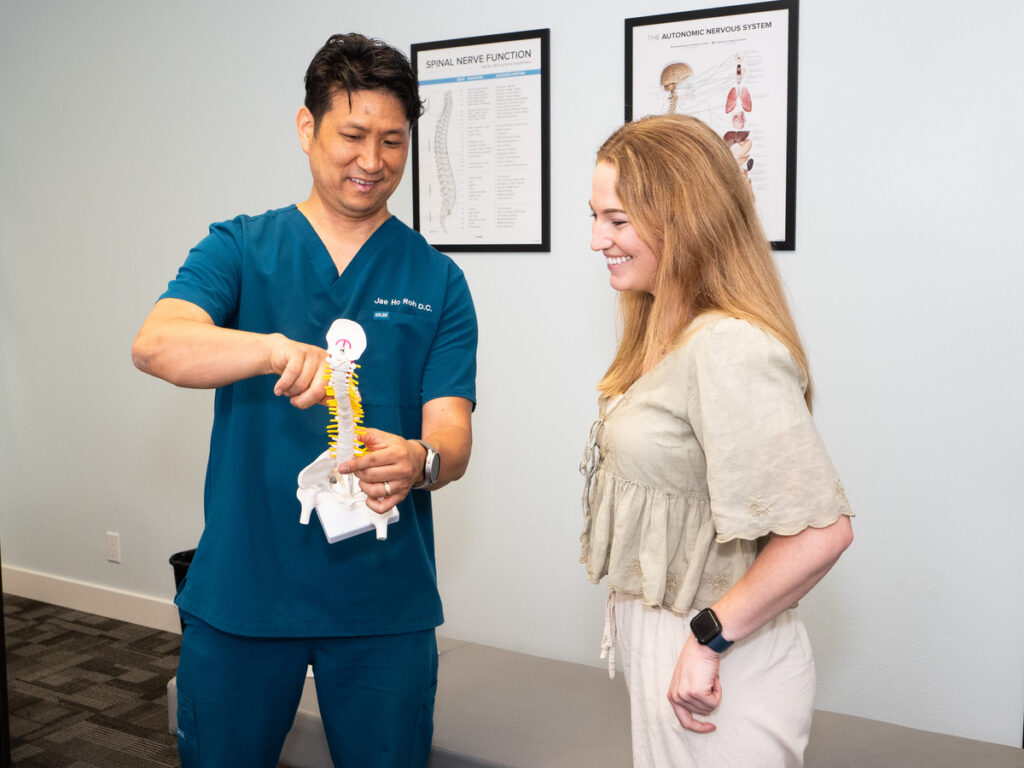
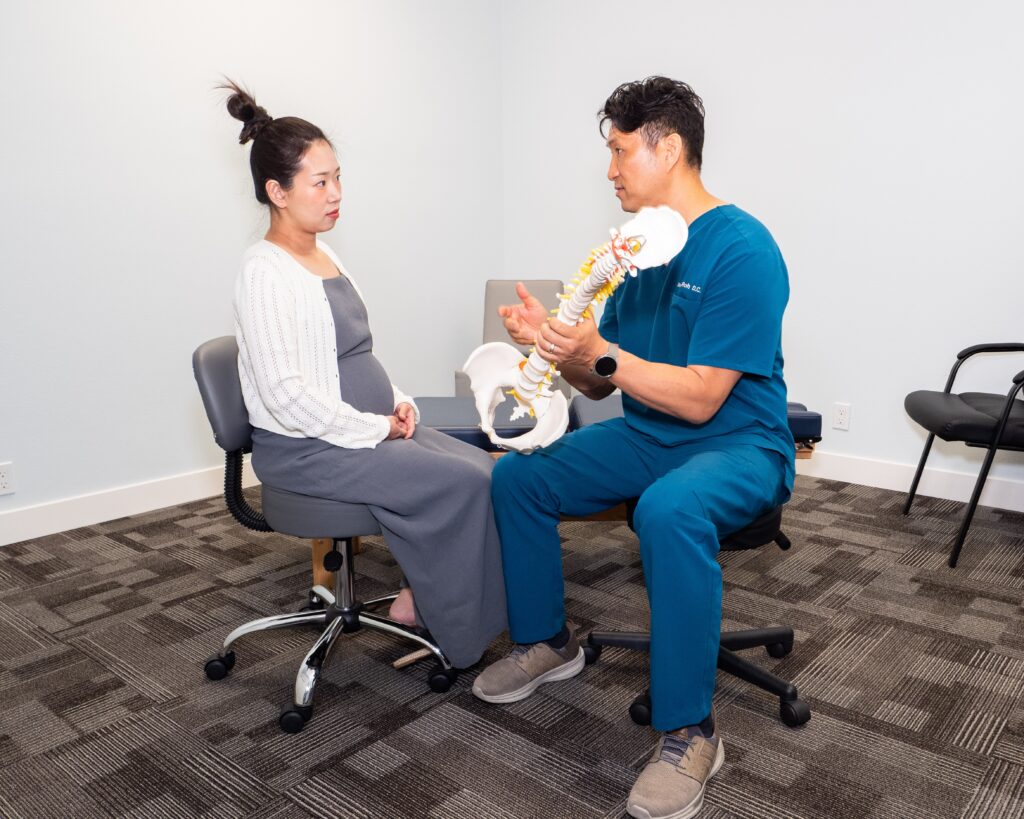
Another alternative is chiropractic care. Chiropractors use manual manipulation to align your spine and improve your body's function. If you're struggling with back pain or tension, this might be worth considering.
Similarly, massage therapy can help relieve muscle tightness and increase blood circulation, providing immediate relief for sore areas.
Herbal remedies are also gaining attention. You might find that certain herbs, like turmeric or ginger, can help reduce inflammation and alleviate pain. However, it's essential to consult with a healthcare professional before adding any new supplements to your routine.
Mindfulness practices, such as meditation and yoga, can be beneficial too. By focusing on your breath and calming your mind, you can create a sense of relaxation that eases pain. These practices not only help with pain management but also improve your mental health.
Lastly, aromatherapy uses essential oils to promote relaxation and pain relief. Scents like lavender or eucalyptus can create a soothing environment, making it easier for you to cope with chronic pain.
As you explore these alternative therapies, you'll likely discover what works best for your individual needs.
Exercise and Movement
Exercise and movement play an essential role in managing chronic pain, offering both physical and mental benefits. Engaging in regular physical activity can help you build strength, improve flexibility, and enhance your overall mood.
Even if it feels challenging, incorporating movement into your routine can lead to significant improvements in your pain levels and quality of life.
Here are three key benefits of exercise for chronic pain management:
- Increased Mobility: Regular movement helps maintain and improve your range of motion. This can alleviate stiffness and make everyday activities easier, reducing the overall burden of pain.
- Endorphin Release: Physical activity stimulates the production of endorphins, your body's natural painkillers. When you exercise, these chemicals can help elevate your mood and provide a sense of well-being, making it easier to cope with discomfort.
- Stress Reduction: Exercise acts as a powerful stress reliever. By incorporating movement into your day, you'll lower cortisol levels and enhance your mental resilience.
This can help you manage pain more effectively by reducing the emotional and psychological factors that contribute to chronic pain.
Start with gentle activities, like walking or stretching, and gradually increase intensity as you feel more comfortable.
Listen to your body and choose forms of movement that you enjoy. Remember, consistency is key, and even small efforts can lead to meaningful changes in your chronic pain experience.
Support Systems and Community
A strong support system can greatly enhance your journey in managing chronic pain. Surrounding yourself with understanding friends, family, and community members creates an environment where you feel heard and validated. It's important to share your experiences with those who can empathize, whether they've faced similar challenges or are simply willing to listen.
Engaging with support groups can also be incredibly beneficial. You'll find people who truly understand the daily battles you face, providing a sense of belonging and camaraderie. These connections can foster shared coping strategies, tips, and encouragement that you mightn't find elsewhere.
Plus, knowing that you're not alone in this journey can be a huge emotional relief.
Additionally, consider reaching out to healthcare professionals who specialize in pain management. They can offer guidance and resources tailored to your specific needs. If available, online platforms can provide access to wider communities, allowing you to connect with others across the globe who share your struggles.
Don't underestimate the power of communication. Regularly discussing your pain and feelings with your support network can lighten your emotional load.
Invite friends for a coffee or a walk; simply being around supportive people can make a difference in how you cope with pain.
Ultimately, building a solid network of support can empower you, help you navigate your pain, and improve your overall quality of life. You're not alone in this journey, and with the right community, you can find strength and resilience.
Conclusion
Incorporating these trustworthy techniques can greatly ease your chronic pain. By practicing mindfulness and meditation, engaging in tailored physical therapy, and making smart dietary choices, you can create a solid foundation for pain management. Don't forget the importance of exercise and building a supportive community around you. With dedication and the right approach, you can take charge of your pain and enhance your overall well-being. Remember, you're not alone on this journey—support is just a step away.