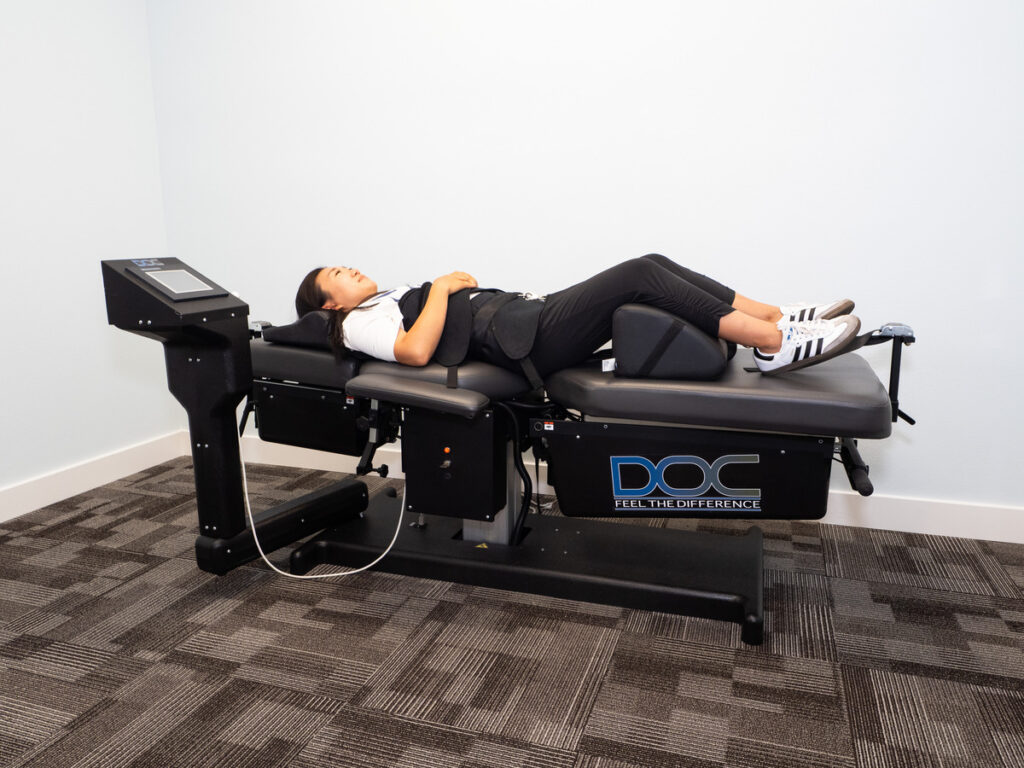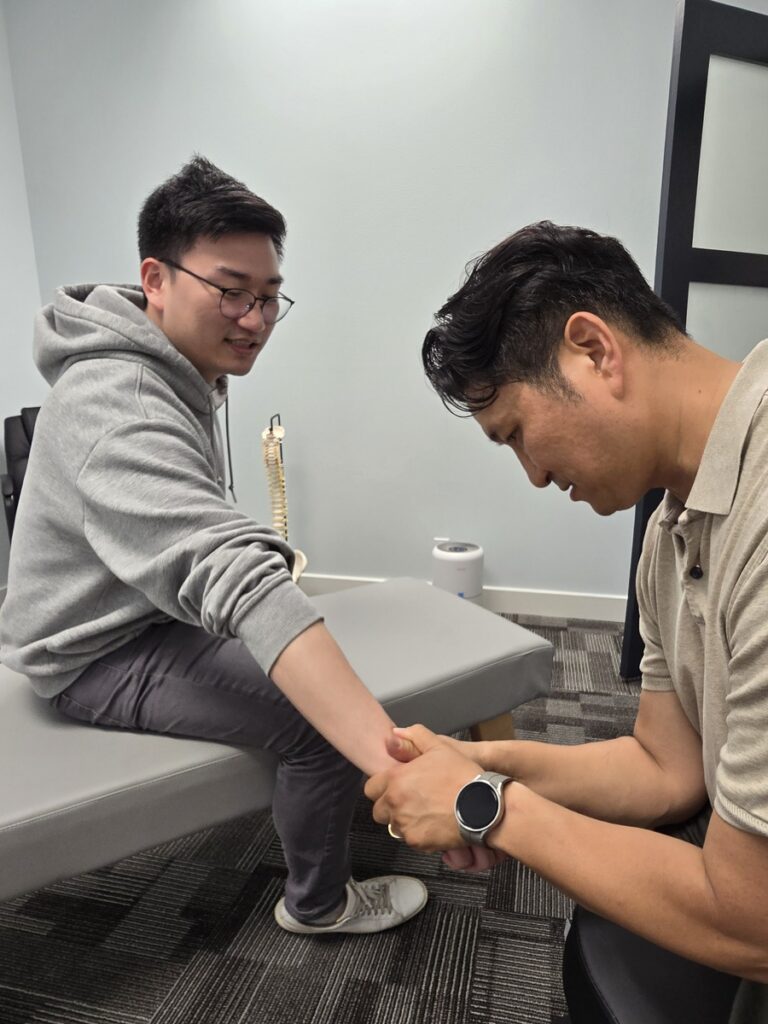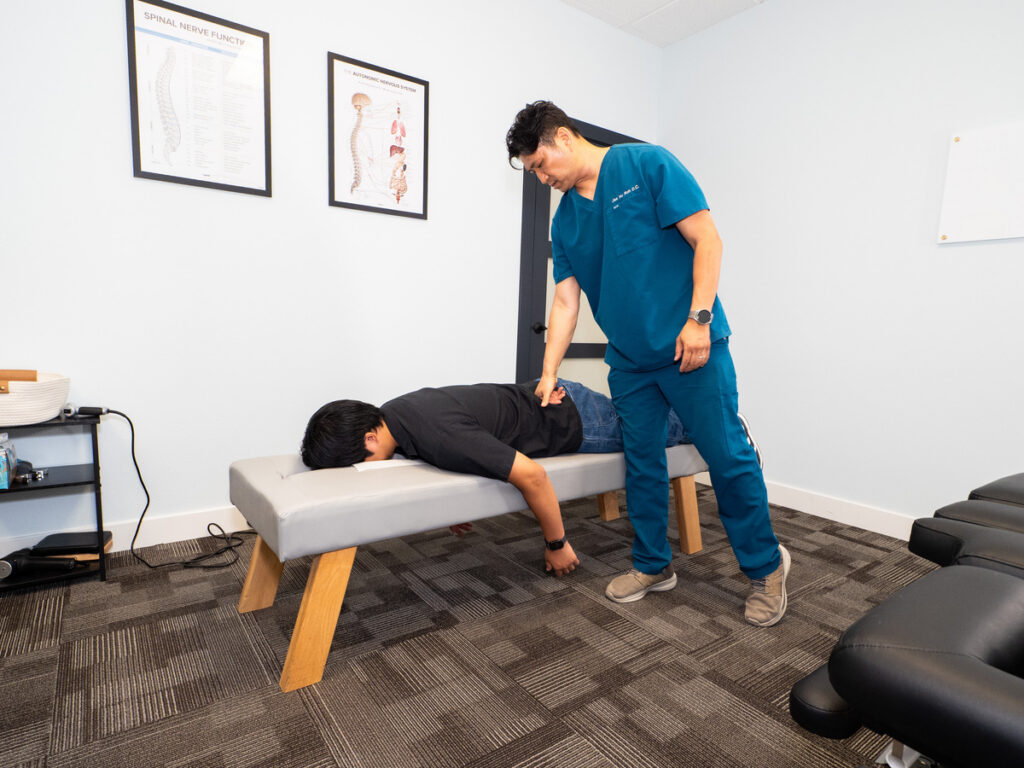

If you're living with chronic pain, it may seem like finding relief is an uphill battle. Rest assured, you're not alone, and there is hope for achieving lasting relief through chiropractic care and natural healing methods. As a local chiropractor, I believe in a holistic approach that emphasizes the importance of lifestyle changes and various therapeutic techniques.
Chiropractic care focuses on the relationship between the spine and the nervous system, recognizing that misalignments can contribute to pain and discomfort. By addressing these misalignments through gentle adjustments, we can help restore your body's natural balance and improve overall function.
In addition to chiropractic adjustments, we can explore complementary therapies such as massage, acupuncture, and exercise. These methods can work together to alleviate pain and enhance your quality of life. It's essential to understand that each person is unique, and what works for one may not work for another.
I encourage you to take the first step towards a more manageable and fulfilling life by discussing your specific pain concerns with a healthcare professional who can guide you through the options available. Together, we can create a personalized treatment plan that suits your needs and helps you regain control over your well-being. Let's embark on this journey to lasting relief!
Understanding Chronic Pain
Chronic pain isn't just a symptom; it's a multi-faceted condition that can substantially affect your everyday life. As a chiropractor, I often see patients who feel overwhelmed by persistent discomfort that seems unyielding. This pain can influence your mood, disrupt your sleep, and strain your relationships.
It's essential to understand that chronic pain involves not only physical sensations but also emotional and psychological factors. Many patients discover that their pain is intertwined with stress, anxiety, or depression. This connection can create a challenging cycle that's difficult to escape.
When you're dealing with pain, it's common to become less active, which can lead to stiffness and exacerbate your discomfort. Recognizing that chronic pain can arise from various sources—such as injuries, medical conditions, or even nerve damage—is crucial for addressing it effectively.
You may experience pain in various forms, including aching, burning, or sharp sensations, and its intensity and location can vary widely. This variability can make it tough to identify the precise cause of your pain. Often, people may seek help from multiple healthcare providers before receiving a clear diagnosis, which can add to the frustration.
As a chiropractor, my goal is to help you understand the nature of your chronic pain so you can take control of your health. By identifying your triggers and recognizing how your emotional well-being impacts your pain experience, you can empower yourself on your healing journey.
Educating yourself about chiropractic care and natural healing approaches enables you to communicate more effectively with your healthcare team and explore personalized treatment options that meet your unique needs.
Lifestyle Modifications for Relief
As a local chiropractor, I want to share how simple changes in your daily routine can significantly impact your ability to manage chronic pain. You may be surprised by the positive effect that lifestyle modifications can bring to your healing journey.
Let's start with physical activity. It might seem counterintuitive, but gentle exercises—such as walking, swimming, or yoga—can play a vital role in improving your flexibility and strength. I encourage you to aim for consistency, even if you begin with short sessions. Gradually increasing your activity level can lead to remarkable improvements in your pain levels and overall mobility.
Next, let's talk about the importance of sleep. Quality rest is essential for your body to recover and effectively manage pain. I recommend establishing a calming bedtime routine, maintaining a regular sleep schedule, and creating a comfortable sleep environment.
It's also beneficial to limit screen time before bed, as the blue light emitted by devices can disrupt your natural sleep patterns.
Stress management is another crucial aspect of pain relief. Chronic pain often intensifies with stress, so finding ways to relax is vital. I suggest practicing mindfulness techniques, such as meditation or deep-breathing exercises, which can help reduce tension and enhance your overall well-being.
Engaging in hobbies that you enjoy can also provide a healthy distraction from pain.
Lastly, don't underestimate the power of social support. Surrounding yourself with understanding friends and family can significantly boost your emotional resilience. Sharing your experiences and feelings with them can lighten your emotional load and foster a supportive environment.
The Role of Nutrition
As a chiropractor, I often emphasize the importance of a holistic approach to managing chronic pain, and nutrition is a key component that many people overlook. While exercise and sleep are crucial for pain relief, the food you consume can significantly impact inflammation levels in your body, which is a major contributor to persistent pain. By making informed dietary choices, you can actively work to reduce your pain and enhance your overall health.
I recommend starting by adding anti-inflammatory foods to your diet. Incorporating a variety of fruits and vegetables—especially leafy greens, berries, and citrus fruits—can provide your body with powerful antioxidants that fight inflammation. Including fatty fish such as salmon and sardines in your meals can also be beneficial, as these are high in omega-3 fatty acids known to alleviate joint pain and stiffness.
Additionally, nuts, seeds, and whole grains are excellent sources of essential nutrients that support your body's healing processes. Conversely, it's wise to limit your intake of processed foods, refined sugars, and excessive saturated fats, as these can lead to increased inflammation and worsen pain symptoms.
Pay attention to how your body reacts to certain foods, as some individuals may find that dairy or gluten can contribute to their discomfort. Don't underestimate the power of hydration, either. Drinking plenty of water throughout the day is essential, as dehydration can lead to muscle cramps and heightened sensitivity to pain.
Herbal teas, particularly those made with ginger or turmeric, can be excellent additions to your routine, thanks to their natural anti-inflammatory properties. By focusing on the nutritional aspect of your health, alongside chiropractic care, you can create a balanced approach to managing and reducing chronic pain.
Exercise and Physical Activity
As a local chiropractor, I want to share how exercise can be transformative in managing chronic pain and enhancing your overall well-being.
By integrating regular physical activity into your daily routine, you can reap significant benefits that are personalized to your specific needs.
Let's discuss how to craft a physical activity plan that aligns with your health goals and complements the natural healing process we promote in chiropractic care.
Benefits of Regular Exercise
As a local chiropractor, I want to share with you the incredible benefits of regular exercise, particularly when it comes to managing chronic pain. Incorporating physical activity into your daily routine can significantly enhance your quality of life by building strength, improving flexibility, and increasing your overall endurance. These improvements can lead to better mobility and a reduction in discomfort during everyday activities.
One of the key benefits of regular exercise is its ability to stimulate the release of endorphins, which are the body's natural painkillers. These hormones not only elevate your mood but also decrease your perception of pain, making it easier to manage your symptoms.
Furthermore, maintaining an active lifestyle can help you achieve and sustain a healthy weight, which alleviates stress on your joints and can lead to further pain relief.
In addition to its physical benefits, regular exercise contributes to better sleep patterns. Quality sleep is crucial for healing and managing pain, and engaging in physical activity can help you attain deeper, more restorative rest.
Moreover, participating in group exercise can foster a sense of community and emotional support, keeping you motivated and connected with others who are navigating similar challenges.
As you consider ways to manage your chronic pain, I encourage you to incorporate regular exercise into your routine. Not only will you experience physical improvements, but you'll also gain a sense of empowerment as you take proactive steps towards controlling your pain and enhancing your overall well-being.
Tailored Physical Activity Plans
Creating a personalized physical activity plan is vital for effectively managing chronic pain, and as your local chiropractor, I'm here to guide you through this process. Tailoring a program to fit your unique needs and limitations empowers you to engage in activities that not only alleviate discomfort but also enhance your overall well-being.
Here are some essential components to consider when developing your customized plan:
- Assess Your Abilities: Begin with a thorough evaluation of your current physical condition and pain levels. This step is crucial to understand how your body is functioning and how we can work together to improve it.
- Set Realistic Goals: It's important to set achievable milestones that encourage progress without overwhelming you. We can collaborate to define goals that are both motivating and attainable based on your specific circumstances.
- Incorporate Variety: Mixing different types of activities—such as stretching, strength training, and aerobic exercises—can keep your routine engaging. I can help recommend exercises that align with your chiropractic care and support your healing process.
- Listen to Your Body: Your body communicates important signals. It's essential to pay attention to how you feel and adjust your plan as necessary to prevent exacerbating any pain. Together, we can monitor your progress and make any needed modifications.
- Stay Consistent: Establishing a regular routine is key, as consistency is essential for experiencing the long-term benefits of physical activity. I can assist you in creating a schedule that fits seamlessly into your lifestyle.
By working together on a tailored physical activity plan, we can promote natural healing and empower you to take control of your health.
Alternative Therapies to Explore
As a local chiropractor, I want to share some insights into managing chronic pain through natural healing methods.
In addition to chiropractic adjustments, there are several alternative therapies worth exploring, such as acupuncture, herbal remedies, and mindfulness practices. Each of these approaches can provide unique benefits and may work well alongside your current treatment plan.
By considering these therapies, you may discover new pathways to relief that align with your journey toward better health.
Let's work together to find the holistic solutions that best suit your needs.
Acupuncture for Pain Relief
As a local chiropractor, I want to share with you the incredible benefits of acupuncture as a natural approach to managing chronic pain. Many of my patients have found this ancient therapy surprisingly effective in alleviating discomfort.
Acupuncture involves the careful insertion of thin needles at specific points on the body, which can promote healing and relief from pain. Here are some essential benefits of acupuncture that you should consider:
- Reduces inflammation: Chronic pain often stems from inflammation, and acupuncture can be an excellent way to help reduce it.
- Releases endorphins: This treatment encourages your body to release natural painkillers known as endorphins, which can significantly lessen discomfort.
- Improves circulation: By enhancing blood flow, acupuncture supports the healing process and can lead to a reduction in pain levels.
- Balances energy: Acupuncture works to restore the balance of energy (Qi) within your body, contributing to overall wellness and vitality.
- Minimal side effects: Unlike many medications, acupuncture tends to have fewer side effects, making it a safer alternative for managing chronic pain.
If you're considering acupuncture as part of your wellness journey, I highly recommend consulting with a qualified practitioner who can customize the treatment to suit your unique needs.
With regular sessions, you may find a pathway to lasting relief from your chronic pain, complementing the chiropractic care that I provide. Together, we can work towards optimizing your health and well-being naturally.
Herbal Remedies Overview
As a local chiropractor, I want to share some valuable insights on exploring natural options for chronic pain relief that extend beyond traditional treatments. One area I often discuss with my patients is the use of herbal remedies, which can offer a diverse array of alternatives for managing discomfort.
Many individuals have found relief through herbs like turmeric, celebrated for its powerful anti-inflammatory properties, and ginger, known for its ability to reduce pain and swelling. Additionally, willow bark has been used for centuries as a natural remedy; it contains salicin, which is similar to aspirin and may help ease your discomfort.
Another option gaining popularity is cannabidiol (CBD), derived from the cannabis plant. Unlike THC, CBD doesn't produce psychoactive effects, and research indicates it may be effective in alleviating chronic pain. You might also consider boswellia, an herb with a rich history in Ayurvedic medicine, recognized for its potential to reduce inflammation.
While these herbal remedies can be beneficial additions to your pain management strategy, it's crucial to consult with your healthcare provider before introducing new herbs into your regimen—especially if you're currently taking other medications. This ensures that your choices are safe and tailored to your specific needs.
By incorporating these natural remedies into your pain management plan, you might find a holistic approach that not only complements chiropractic care but also enhances your overall well-being.
Mindfulness and Meditation Benefits
As a local chiropractor, I want to share with you the incredible benefits of mindfulness and meditation, particularly in managing chronic pain and enhancing your overall well-being.
These practices can serve as valuable tools in your healing journey. By focusing your attention and cultivating awareness, you can create a mental environment that helps diminish the perception of pain. Not only do mindfulness and meditation promote relaxation, but they also empower you to respond to discomfort with greater resilience.
Here are some key benefits you can experience by incorporating mindfulness and meditation into your daily routine:
- Reduced stress: By lowering your stress levels, you can help relieve muscle tension and improve your mood, making it easier for your body to heal.
- Increased body awareness: Mindfulness allows you to tune into your body's signals, which can lead to better self-management of pain and a deeper understanding of your physical condition.
- Enhanced emotional regulation: Practicing mindfulness can help you manage negative emotions that often accompany chronic pain, promoting a more positive outlook.
- Improved sleep quality: Regular mindfulness and meditation practice can lead to more restful sleep, a critical component for recovery from pain and maintaining overall health.
- Greater focus and clarity: These practices sharpen your thinking, enabling you to tackle daily challenges more effectively and with a clearer mind.
As your chiropractor, I encourage you to explore these practices as part of your holistic approach to health and healing.
They can complement your chiropractic care and help you achieve a more balanced, pain-free life.
Mindfulness and Mental Health
As a local chiropractor, I've seen firsthand how incorporating mindfulness into your daily routine can significantly benefit your mental health, particularly for those managing chronic pain. When you focus on the present moment, you can alleviate anxiety and stress, which often worsen pain symptoms. Mindfulness teaches you to observe your thoughts and feelings without judgment, helping you break the cycle of negative thinking that can accompany persistent pain.
Practicing mindfulness techniques, such as deep breathing or body scans, enhances your awareness of your body and its sensations. This increased awareness can empower you to feel more in control of your pain, making it seem less overwhelming. By embracing mindfulness, you can acknowledge your pain without allowing it to define your day or dictate your emotions.
Moreover, integrating mindfulness into your life can bolster your emotional resilience. Living with chronic pain can lead to feelings of isolation or hopelessness. Mindfulness encourages you to cultivate a kinder relationship with yourself, easing feelings of frustration or despair. By viewing your pain as just one facet of your experience, you can create mental space for joy and fulfillment in your life.
Incorporating mindfulness doesn't require extensive time commitments. Even dedicating just a few minutes each day to focused practice can lead to substantial improvements in your mental well-being.
Whether you choose to meditate, engage in yoga, or simply practice mindful breathing, each moment spent in awareness can yield lasting benefits for your mental health as you navigate the challenges of chronic pain. As your chiropractor, I encourage you to explore these techniques as part of your holistic healing journey.
Innovative Medical Treatments
As a local chiropractor, I want to introduce you to some innovative medical treatments that can significantly enhance how we manage chronic pain. Many people are unaware of how advancements in natural healing and technology are transforming pain management. These approaches not only provide relief but can also elevate your overall well-being.
Here are some innovative methods you might consider:
- Regenerative Medicine: Techniques like stem cell therapy and platelet-rich plasma (PRP) therapy tap into your body's innate ability to heal. These therapies focus on repairing damaged tissues, which can lead to significant pain relief.
- Neuromodulation: Treatments such as spinal cord stimulation and peripheral nerve stimulation involve the use of devices that send electrical impulses to interrupt pain signals before they reach your brain. This can be a game-changer for those struggling with persistent pain.
- Virtual Reality Therapy: Imagine stepping into an immersive world that helps distract you from pain. Virtual reality therapy is designed to shift your focus away from discomfort, enhancing your coping mechanisms and reducing your pain perception.
- Biologic Medications: These cutting-edge drugs target specific pathways in the immune system, offering relief for conditions like arthritis and fibromyalgia. They provide an alternative to traditional painkillers, often with fewer side effects.
- Telehealth Solutions: In today's fast-paced world, remote consultations with pain specialists can create personalized treatment plans that fit your lifestyle. This makes it easier for you to manage your pain and stay engaged in your healing process.
I encourage you to explore these options with me or another healthcare provider who understands the benefits of chiropractic care and natural healing.
Embracing these innovative approaches could be the key to finding the relief you've been seeking. Together, we can work towards a pain-free life by utilizing the latest advancements in treatment.
Building a Support System
As a local chiropractor, I want to emphasize the importance of a strong support system for anyone dealing with chronic pain. Surrounding yourself with understanding and compassionate individuals can significantly enhance your journey towards healing.
Begin by reaching out to family members and friends who are willing to listen and provide emotional support. Sharing your experiences with them not only helps them understand your situation better but also fosters deeper connections that can be beneficial during tough times.
I highly recommend considering support groups, whether in-person or online, where you can connect with others who are navigating similar challenges. These communities serve as safe spaces to express your feelings, share coping strategies, and find encouragement from those who truly understand what you're going through.
Speaking with someone who's faced similar pain can be incredibly validating and uplifting.
Don't overlook the value of professional support as well. Working with a therapist or counselor can be instrumental in addressing the emotional components of chronic pain. They can provide you with coping mechanisms and strategies to manage stress and anxiety, which often accompany chronic conditions.
Furthermore, I encourage you to have open conversations with your healthcare providers, including me, about involving your loved ones in your treatment plans. We can offer guidance on how they can best support you during challenging times.
Creating a Personalized Plan
Creating a personalized plan for managing chronic pain is crucial, and as your local chiropractor, I want to guide you through this process to help you find relief. Understanding your unique circumstances is the first step in developing a plan that works for you, incorporating various strategies that align with your lifestyle, preferences, and specific challenges.
To begin, I recommend tracking your pain levels, identifying triggers, and noting any patterns that arise. This self-awareness is invaluable as we create your personalized plan. Here are some key components to consider:
- Chiropractic Care: Explore how chiropractic adjustments can help alleviate pain by improving spinal alignment, enhancing mobility, and promoting overall wellness. Regular visits can be an integral part of your pain management strategy.
- Exercise Regimen: Engage in gentle activities like yoga, swimming, or walking. These exercises can maintain your mobility and strengthen your body without exacerbating pain. I can provide guidance on exercises that are safe and effective for your condition.
- Nutrition: A balanced diet plays a vital role in managing inflammation. Focus on incorporating anti-inflammatory foods while being aware of any food sensitivities that may trigger your symptoms. I can recommend nutritional strategies that support your healing journey.
- Sleep Hygiene: Good sleep is essential for pain management. Establishing a calming bedtime routine can significantly improve your sleep quality. I can provide tips to create an environment conducive to restorative sleep.
- Stress Management: Chronic pain can be intensified by stress. Incorporating relaxation techniques such as meditation, deep breathing, or journaling can help mitigate stress levels. I can introduce you to practices that promote relaxation and emotional well-being.
As you identify and implement these elements into your plan, remember that it's important to continuously assess and adjust as needed. Regular check-ins with me or other healthcare professionals will aid in keeping you on the right path.
Your personalized plan isn't static; it will evolve as you progress on your healing journey. By taking an active role in your care and tailoring your approach, you can discover effective pathways to relief that cater to your individual needs.
Conclusion
As your local chiropractor, I want to share with you the incredible potential of chiropractic care in helping you find lasting relief from chronic pain. Embracing a holistic approach is key to improving your overall well-being. By making simple lifestyle adjustments, focusing on a balanced diet, and incorporating gentle exercises, you can significantly enhance your quality of life.
Chiropractic care offers more than just spinal adjustments; it promotes the body's natural healing abilities. I encourage you to explore the benefits of mindfulness practices and alternative therapies, such as acupuncture or massage, which can beautifully complement your chiropractic treatments.
Building a strong support system is also essential on your healing journey. Together, we can create a personalized plan tailored to your specific needs, empowering you to take charge of your health and reclaim your life from pain and discomfort. Let's work together to unlock the relief you deserve!