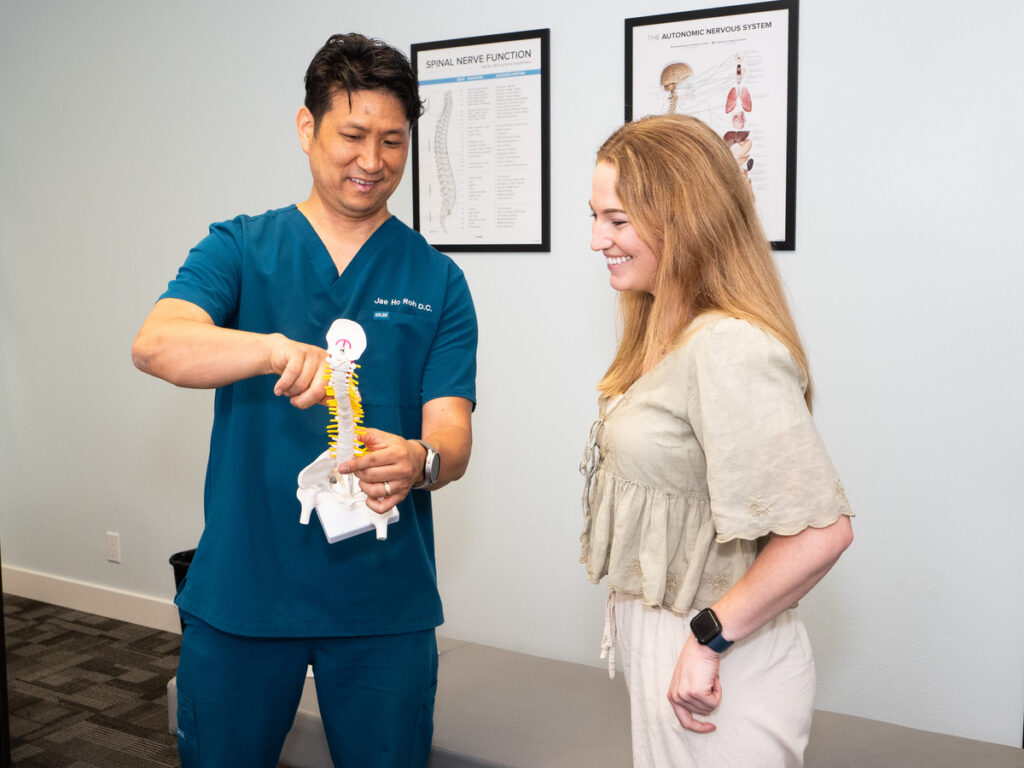

As a local chiropractor, I want to share some insights about back pain that many of you may experience while engaging in sports. This discomfort can really put a damper on your performance and enjoyment. It's important to recognize that back pain often stems from common issues like poor posture and muscle imbalances. By understanding these factors, we can take the first steps towards relief.
Incorporating simple changes into your routine can be incredibly beneficial. For instance, specific strengthening exercises and effective stretching techniques can greatly improve your situation. However, if you find that these strategies aren't providing the relief you need, it may be time to explore deeper layers of prevention and recovery.
Chiropractic care focuses on the body's natural ability to heal itself. By addressing spinal alignment and improving overall function, we can enhance your athletic performance and reduce pain. Remember, taking proactive steps towards your health can make a significant difference in your sporting experience. If you're curious about how chiropractic care can help you, don't hesitate to reach out for more information!
Common Causes of Back Pain
As a local chiropractor, I often see patients who experience back pain as a result of their involvement in sports. It's important to understand that back pain can arise from several common causes that may not be immediately apparent.
One of the primary contributors is poor posture. When you're engaged in activities that involve bending, twisting, or lifting, it's crucial to maintain proper body alignment. Neglecting this can lead to strain on your back muscles, resulting in discomfort. I encourage my patients to be mindful of their posture during sports and everyday activities to help prevent these issues.
Another factor to consider is muscle imbalances. If certain muscles are stronger than others, they can pull on the spine unevenly, leading to pain. For example, tight hamstrings or a weak core can compromise the support your spine needs during movement. I often work with patients to strengthen their core and stretch tight muscles to promote balance and alleviate back pain.
Overuse injuries are also a significant concern. Pushing your body too hard without sufficient recovery can lead to inflammation and strain in your back muscles. This is particularly common in sports that involve repetitive motions, such as running or tennis, where the same muscle groups are engaged repeatedly. It's vital to listen to your body and allow for adequate rest to prevent injuries.
Additionally, sudden movements or falls can result in acute injuries. A quick twist while sprinting or a hard landing can strain ligaments and muscles in the back, causing immediate pain. If you experience such injuries, seeking chiropractic care can help with recovery and pain management.
Lastly, don't underestimate the importance of a proper warm-up routine. Skipping this essential step can leave your muscles tight and unprepared for the physical demands of your sport. A good warm-up increases blood flow to the muscles and can significantly reduce the risk of injury.
Preventive Measures for Athletes
As a local chiropractor, I want to emphasize the importance of preventive measures for athletes to maintain a healthy spine and avoid back pain. Many athletes may not realize how proactive steps can significantly reduce their risk of injury.
One of the most crucial aspects is maintaining a strong core. A stable core is vital as it supports your spine and helps manage the physical demands of your sport. Incorporating exercises such as planks and bridges into your regular routine can effectively build strength in this area.
It's also essential to be mindful of your posture during both training and everyday activities. Poor posture can lead to chronic strain on your back, resulting in pain over time. By practicing good posture—standing tall with your shoulders back and your head aligned over your spine—you can make a meaningful difference in how your back feels.
Before engaging in any physical activity, ensure you warm up properly. A thorough warm-up increases blood flow to your muscles and prepares your body for the demands of your sport. This can include dynamic stretches and light aerobic exercises to elevate your heart rate and get your body moving.
Listening to your body is equally important. If you experience any discomfort or tightness in your back, it's crucial not to push through the pain. Taking the time to rest and recover can be vital in preventing further injuries.
Additionally, consider cross-training to work different muscle groups, which can help alleviate repetitive strain on your back.
Finally, invest in proper footwear that offers adequate support tailored to your specific sport. Well-fitting shoes with good cushioning can help maintain your body's alignment during physical activity, ultimately reducing your risk of back pain.
Effective Stretching Techniques
As a local chiropractor, I want to emphasize the importance of effective stretching techniques in preventing back pain.
It's crucial to understand that incorporating dynamic stretching into your routine can help warm up your muscles and improve flexibility. This is especially beneficial before engaging in any physical activity.
On the other hand, static stretching is equally important as it can enhance your overall range of motion.
By taking the time to balance these two types of stretching, you can significantly improve both your performance and comfort levels.
Remember, taking care of your body through proper stretching is a vital part of natural healing and maintaining a healthy spine.
If you have any questions about how to implement these techniques or how they can benefit you, feel free to reach out during your next visit!
Dynamic Stretching Benefits
As a chiropractor, I often emphasize the importance of dynamic stretching for enhancing performance and preventing back pain, especially for those involved in sports. Including dynamic stretching in your warm-up routine is a proactive way to prepare your muscles and joints for the physical demands of your activities.
Unlike static stretching, which holds positions for an extended time, dynamic stretching involves controlled movements that simulate the actions you'll perform during your sport. This method not only increases your range of motion but also promotes better blood circulation to your muscles, significantly reducing the risk of injury.
When you engage in dynamic stretching, you activate your core and stabilizing muscles, which play a crucial role in maintaining proper posture and alignment. A strong core is vital for supporting your spine during physical activity, which directly helps in preventing back pain.
Incorporating techniques such as leg swings, arm circles, and walking lunges can effectively warm up your body while enhancing flexibility and mobility. By integrating these practices into your routine, you can enjoy the benefits of improved performance and a healthier back.
Static Stretching Strategies
Incorporating effective static stretching strategies into your daily routine can significantly enhance your flexibility and facilitate recovery after physical activity. As a local chiropractor, I want to emphasize how these stretches can help lengthen your muscles, improve blood flow, and reduce tension, all of which are crucial for maintaining a healthy back.
To begin your stretching journey, focus on key muscle groups that have a direct impact on your back health. I recommend holding each stretch for at least 15-30 seconds while ensuring that you breathe deeply and relax into each position.
For instance, the seated forward bend is a great option. By sitting with your legs extended and reaching for your toes, you can feel a gentle stretch along your spine and hamstrings, promoting spinal health.
Another beneficial stretch is the standing quadriceps stretch. While standing, grab your ankle from behind and pull it towards your glutes. This will create a stretch in your thighs, which can help alleviate tension in your lower back.
Try to incorporate these stretches into your routine after workouts, as your muscles will be warm and more receptive to stretching. This practice not only helps prevent stiffness but can also enhance your overall physical performance.
Remember to listen to your body; it's important not to push beyond what feels comfortable. By regularly practicing static stretching, you can keep your back healthy and ready for whatever physical challenge lies ahead.
As always, feel free to reach out for personalized advice on how to incorporate these techniques into your lifestyle!
Strengthening Exercises for Support
As a local chiropractor, I want to emphasize the importance of strengthening your core and back muscles to support your spine and help prevent sports-related back pain. A strong core plays a vital role in stabilizing your body during physical activities, while a robust back is essential for maintaining proper posture and alignment.
By incorporating specific exercises into your routine, you can significantly enhance your overall strength and resilience.
Let's start with planks, which are excellent for engaging multiple muscle groups. To perform a plank, lie face down and lift your body off the ground, balancing on your forearms and toes. It's important to keep your body in a straight line. Aim to hold this position for 20-30 seconds, and as you build strength, you can gradually increase the duration.
Next, I recommend trying bird-dogs. Begin on all fours, ensuring your hands are aligned under your shoulders and your knees under your hips. Extend one arm forward while simultaneously extending the opposite leg back, forming a straight line from your fingertips to your toes. Hold this position for a few seconds before switching sides. This exercise is fantastic for enhancing balance and stability.
Bridges are another great exercise that you shouldn't overlook. Lie on your back with your knees bent and feet flat on the floor. Lift your hips towards the ceiling, making sure to squeeze your glutes at the top of the movement. Lower your hips back down and repeat this for 10-15 repetitions. This exercise is particularly effective for strengthening your lower back and glutes.
Lastly, consider incorporating back extensions into your routine. You can perform this exercise lying face down on a stability ball or mat with your hands placed behind your head. Lift your upper body while keeping your lower body grounded. This movement specifically targets your lower back, promoting both strength and endurance.
By integrating these exercises into your fitness routine, you can help support your spine and enhance your overall well-being.
If you have any questions or would like to learn more about how chiropractic care can complement your exercise regimen, please don't hesitate to reach out!
Recovery Strategies and Tools
As a local chiropractor, I want to emphasize the importance of a holistic approach to recovering from sports-related back pain. One key aspect of your recovery is incorporating specific stretching and strengthening exercises tailored to your needs. These exercises can help restore balance and stability to your spine and surrounding muscles.
In addition to exercise, I recommend utilizing foam rolling techniques. Foam rolling can effectively release tension in your muscles, promoting better circulation and flexibility. It's a simple yet powerful tool that can enhance your recovery process.
Moreover, I can't stress enough the importance of maintaining good posture and ergonomics in your daily life. Proper alignment not only aids in your recovery but also helps prevent future injuries. By being mindful of your posture, you can support your spine's natural curvature and reduce the risk of discomfort.
Stretching and Strengthening Exercises
As a local chiropractor, I want to emphasize how effective stretching and strengthening exercises can play a crucial role in managing sports-related back pain. By integrating these exercises into your daily routine, you can significantly enhance your flexibility, improve your posture, and strengthen your core—all of which are essential for maintaining a healthy back.
Begin with gentle stretches that specifically target your lower back, hamstrings, and hip flexors. For instance, the child's pose and cat-cow stretch are fantastic options that can help relieve tension and improve your overall mobility. When performing these stretches, hold each position for at least 20-30 seconds, and remember to breathe deeply to promote relaxation in your muscles.
Once you've warmed up with stretches, it's important to shift your focus to strengthening your core. A strong core is vital, as it provides support to your spine and can alleviate back pain. Exercises such as planks and bridges are excellent for engaging both your abdominal and back muscles. Aim for three sets of 10-15 repetitions for each of these exercises.
Incorporating these practices into your regular routine can empower you to take control of your back health and enhance your overall well-being. If you have any questions or would like personalized guidance, don't hesitate to reach out during your next visit.
Foam Rolling Techniques
As a local chiropractor, I want to share valuable information about foam rolling techniques and how they can help relieve muscle tension and aid in recovery, especially after physical activities.
Understanding the benefits of foam rolling is essential for those who may not be familiar with chiropractic care or natural healing methods. Foam rolling can alleviate tightness, enhance blood circulation, and improve flexibility, making it an essential component of your post-workout routine.
Here are four effective foam rolling techniques you can easily incorporate:
- Lower Back Roll: Start by sitting on the ground with the foam roller positioned at your lower back. Gently lean back and roll side to side, paying attention to any areas that feel tight or uncomfortable. This technique helps address tension in the lower back, which is often a common concern for many.
- Glutes Roll: Sit on the foam roller with one leg crossed over the opposite knee. Lean toward the side of the crossed leg and roll over your glutes to relieve tension. The gluteal muscles play a significant role in overall movement, and releasing tightness here can contribute to better mobility and comfort.
- Hamstring Roll: While seated, place the roller under your hamstrings. Lift your hips off the ground and roll back and forth, taking a moment to pause on any tight spots. The hamstrings are vital for activities like running and jumping, and keeping them loose can help prevent injury.
- Calf Roll: Position the roller under your calves and use your hands for support. Roll from your ankle to your knee, focusing on any tight areas. The calf muscles are crucial for stability and movement, so addressing tension here can significantly enhance overall performance.
Incorporating these foam rolling techniques into your routine can greatly enhance your recovery process and help prevent future discomfort or pain related to sports and physical activities.
As your chiropractor, I'm here to support your journey towards better health and well-being through natural healing methods.
Posture and Ergonomics
As a local chiropractor, I want to emphasize that foam rolling is just one component of a comprehensive approach to maintaining your physical health, especially when it comes to posture and ergonomics.
Good posture goes beyond merely standing up straight; it involves correctly aligning your body to avoid strain and injury. When you practice proper posture, you help distribute your weight evenly, which alleviates unnecessary pressure on your spine and muscles.
To improve your posture, let's start by assessing your workspace. Ensure that your chair provides adequate support for your lower back, and adjust your computer screen to be at eye level. This setup can help prevent you from hunching over or straining your neck.
If you find yourself sitting for long periods, consider using a standing desk or incorporating regular breaks to stretch and move your body.
Additionally, engaging in core-strengthening exercises can significantly enhance your stability and support for your spine. Simple activities like planks and bridges are excellent for building strength in your core muscles.
Finally, it's crucial to be aware of your body mechanics during any physical activity. Whether you're lifting weights at the gym or participating in sports, using the correct form is vital to preventing back pain.
By implementing these strategies, you can achieve better posture, improve ergonomics, and ultimately foster a healthier back.
When to Seek Professional Help
As a local chiropractor, I want to emphasize the importance of recognizing when to seek professional help for sports-related back pain. It's common for people to dismiss discomfort, but overlooking persistent pain can lead to more serious health issues later on.
Here are four critical signs that indicate it's time to consult a chiropractor or healthcare professional:
- Persistent Pain: If your back pain lingers for several days despite resting and trying home remedies, it may signal a deeper problem that requires professional attention.
- Severe Discomfort: When the pain becomes intense enough to interfere with your daily life or keeps you from enjoying your favorite sports, it's crucial to reach out for help.
- Radiating Symptoms: Experiencing pain that travels down your legs, along with tingling or numbness, could mean that your nerves are affected. This is an important issue that warrants a thorough evaluation from a chiropractic perspective.
- Loss of Mobility: If you find it difficult to move, bend, or twist without discomfort, this is a concerning sign. Limited mobility should prompt you to seek a professional assessment to identify the underlying cause.
Don't wait until your condition worsens. A visit to a chiropractor can provide you with an accurate diagnosis and a personalized treatment plan aimed at healing naturally and safely.
Your health is paramount, and addressing back pain early on can help prevent long-term complications. Remember, it's always wise to prioritize your well-being and take proactive steps when it comes to your body.
Conclusion
As a local chiropractor, I want to share some valuable insights on managing sports-related back pain. Many of my patients are surprised to learn that incorporating certain strategies into their daily routines can significantly alleviate discomfort. Understanding the common causes of back pain is crucial; it allows you to take proactive steps toward prevention.
One of the key areas to focus on is strengthening your core muscles, which play a vital role in supporting your spine during physical activity. Additionally, enhancing your flexibility can greatly reduce the risk of injury. Simple, effective stretching techniques can make a world of difference, and I often recommend incorporating tools like foam rollers into your recovery routine to help relieve tension in your muscles.
If you find that your pain persists despite these efforts, I encourage you to reach out for professional help. Chiropractic care is a natural healing approach that can address the underlying issues contributing to your discomfort. By taking these steps, not only can you find relief from pain, but you can also enhance your athletic performance and promote long-term wellness. Remember, your health is a priority, and I'm here to support you on your journey to feeling your best.