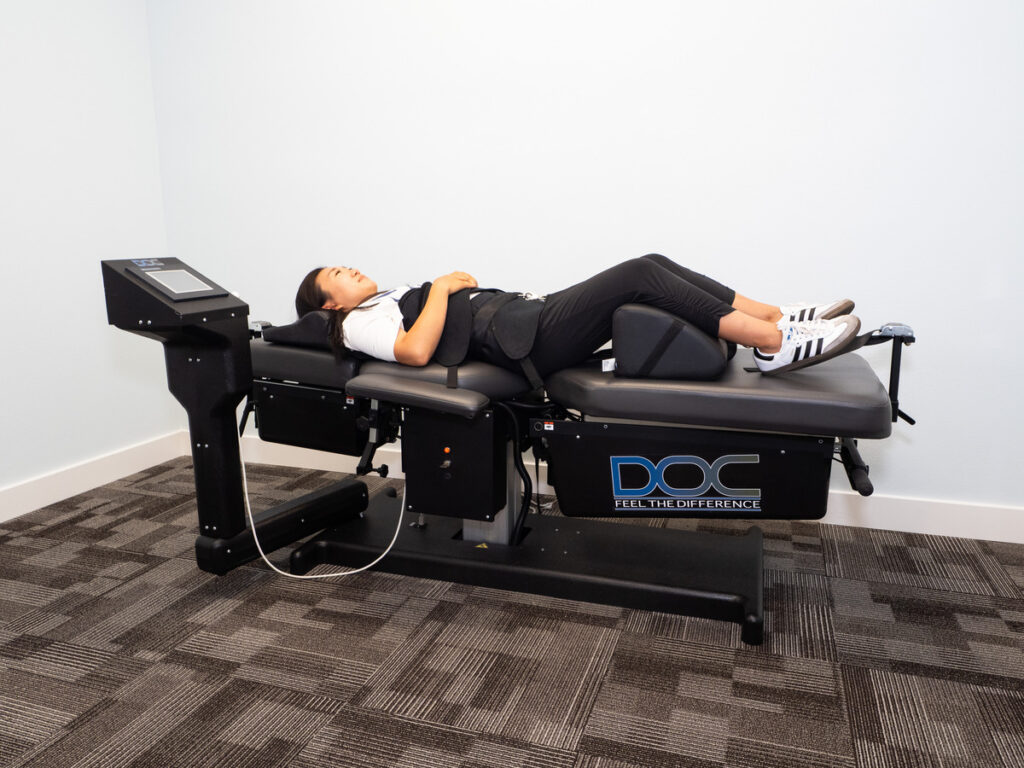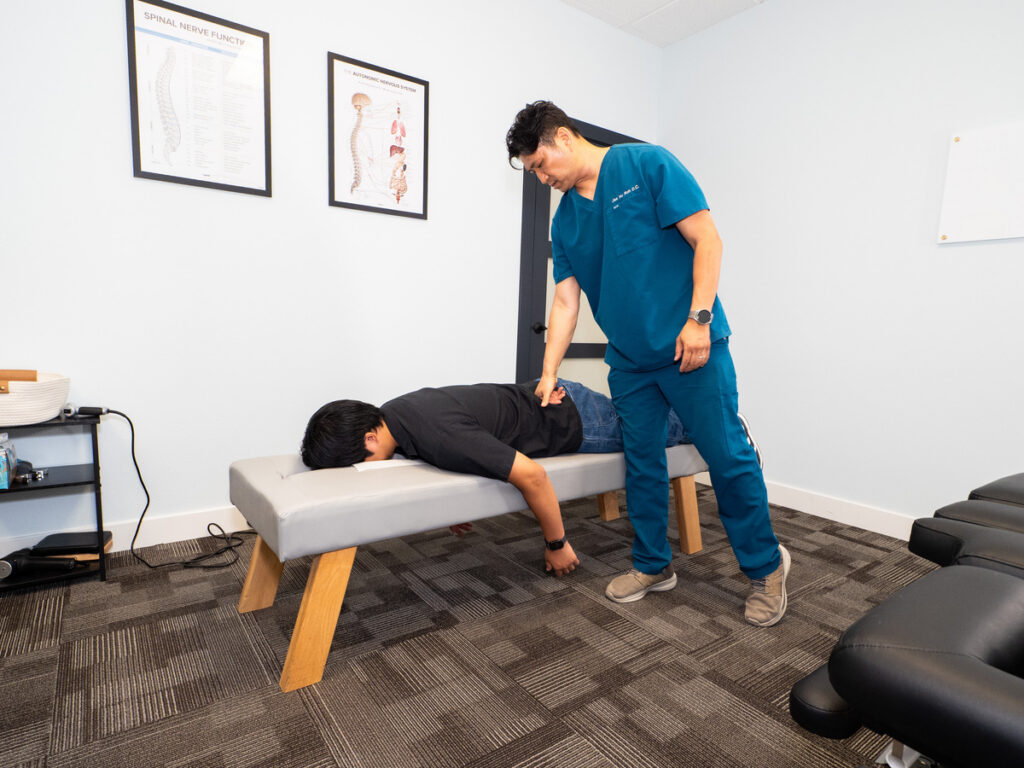

As a local chiropractor, I want to share with you that pain doesn't have to be an inevitable part of life. Many people believe discomfort is something they just have to live with, but there are effective strategies to help prevent it. Incorporating elements such as exercise, proper nutrition, and mindfulness can play a crucial role in reducing pain and enhancing your overall well-being.
By understanding how these components work together, you can unlock new avenues for relief and resilience. It's important to consider what specific practices you might integrate into your daily routine to create a significant positive impact. Simple changes, like regular physical activity, a balanced diet rich in anti-inflammatory foods, and mindfulness techniques such as meditation or deep breathing, can be transformative.
As your chiropractor, I'm here to guide you through these practices and show you how they can work in conjunction with chiropractic care to promote a healthier, pain-free life. Let's explore how we can tailor these strategies to meet your individual needs.
Understanding Pain Mechanisms
As a local chiropractor, it's important for me to help you understand how pain functions in your body and how we can work together to manage it naturally. Pain isn't just a simple physical feeling; it involves a complex interaction between your nervous system, brain, and emotional well-being.
When you sustain an injury or feel discomfort, specialized nerve endings known as nociceptors send messages to your brain to warn you of potential harm. This protective response is vital, but sometimes it can be exaggerated, leading to unnecessary suffering.
It's crucial to differentiate between acute and chronic pain. Acute pain has a purpose; it signals that something is wrong, prompting you to seek help or take action. On the other hand, chronic pain lingers long after the initial injury has healed, often becoming a separate condition that may require more specialized approaches to manage effectively.
Your emotional health significantly impacts your pain experience as well. Stress, anxiety, and depression can heighten your perception of pain, making it feel more intense. By acknowledging these emotional components, we can work on strategies to address them, potentially alleviating your pain.
Moreover, several factors such as genetics, lifestyle choices, and even your environment can influence your pain levels. By learning about these mechanisms, you empower yourself to take control of your pain management. This knowledge will help you make informed decisions about treatment options, including chiropractic care, as well as lifestyle adjustments that can enhance your recovery.
Understanding these complexities is the first step in your journey toward lasting pain relief. Together, we can explore natural healing methods that support your body's ability to heal itself and improve your overall well-being.
The Role of Exercise
As a local chiropractor, I want to emphasize how crucial regular exercise is in maintaining your body's strength and flexibility, which can significantly help in preventing pain.
By focusing on specific muscle groups and integrating mobility exercises into your routine, you can lower your risk of injuries and improve your overall health. Staying active isn't just about fitness; it's a key component of an effective pain management strategy.
Let's dive into how incorporating exercise into your daily life can lead to a healthier, pain-free experience.
Benefits of Regular Activity
As a local chiropractor, I want to emphasize the incredible benefits of incorporating regular physical activity into your life, especially for those of you who may not be familiar with chiropractic care and natural healing. Engaging in regular exercise isn't just about physical fitness; it has profound effects on your overall well-being.
When you stay active, you enhance your mood and mental health significantly. Exercise triggers the release of endorphins—those wonderful natural chemicals in your body that elevate your mood and help alleviate stress and anxiety. Many of my patients report feeling more energetic and focused when they incorporate physical activity into their daily routines.
Another crucial aspect to consider is how regular activity can lead to better sleep quality. By making exercise a part of your lifestyle, you help your body recover and function optimally, which translates into more restful nights. Improved sleep not only boosts cognitive function but also strengthens your emotional resilience, which is vital for a balanced life.
Furthermore, maintaining an active lifestyle is essential for managing a healthy weight. When you engage in physical activity, you burn calories and build muscle, which helps regulate your metabolism. This makes weight management much more achievable over time, contributing to your overall health and wellness.
Lastly, I can't stress enough the importance of social connections that come from being active. Whether you opt for joining a gym, participating in group classes, or taking up a sport, you'll have the chance to meet individuals who share your interests, creating a supportive community around you.
All of these benefits not only contribute to a healthier and happier lifestyle but are also vital elements of a comprehensive pain prevention strategy. As your chiropractor, I encourage you to prioritize regular physical activity as a natural way to enhance your health and well-being.
Strengthening Key Muscle Groups
As a local chiropractor, I want to emphasize the importance of strengthening key muscle groups for your overall health and well-being. Many people might underestimate how crucial it's to focus on building strength in your core, back, and legs. These muscle groups create a solid foundation that supports your body during daily activities, helping to reduce strain on your joints and minimize the risk of injury.
Incorporating targeted exercises such as squats, planks, and lunges into your routine can significantly enhance your muscular endurance and stability. Not only do these movements improve your performance in various physical activities, but they also promote better posture and alignment—two essential factors in preventing pain.
I recommend integrating strength training into your routine two to three times a week for the best results. If you're new to this, start with lighter weights and prioritize proper form to avoid any injuries. As you become more comfortable and stronger, gradually increase the resistance.
Remember, consistency is vital. The more you focus on strengthening those key muscle groups, the more resilient your body will become against pain and discomfort.
Flexibility and Mobility Exercises
As a chiropractor, I want to emphasize that strengthening your key muscle groups is just one part of the puzzle when it comes to maintaining your overall health.
Equally important are flexibility and mobility exercises, which play a crucial role in preventing pain and enhancing your physical performance.
These exercises are vital for maintaining the range of motion in your joints and preventing stiffness that can lead to injuries. Incorporating stretching routines into your weekly regimen can significantly improve your flexibility. Dynamic stretches before your workouts help to warm up your muscles, while static stretches afterward aid in cooling them down. This combination is effective in reducing the risk of strains and sprains.
Mobility exercises, such as yoga or Pilates, are particularly beneficial as they focus on your joints and enhance your functional movement patterns. These practices promote better body mechanics, making it easier for you to perform daily activities without discomfort.
I encourage you to dedicate time each week to both flexibility and mobility routines. You may discover that improved flexibility complements your strength training, allowing you to lift heavier weights and perform better overall.
Additionally, increased mobility can alleviate pain in common areas such as your back, hips, and knees.
Embracing these practices is essential for your pain prevention strategy, and as your chiropractor, I'm here to support you on your journey toward natural healing and optimal health. Your body will truly thank you for it!
Nutrition for Pain Relief
As a local chiropractor, I want to emphasize how important your diet can be in managing pain. Many patients are surprised to learn that the foods you choose to eat can significantly impact your overall discomfort levels.
By incorporating anti-inflammatory foods into your meals and ensuring you stay properly hydrated, you can help alleviate pain and promote your body's natural healing processes.
Let's delve into how these nutritional choices can enhance your journey towards pain relief and support the chiropractic care we provide.
Anti-Inflammatory Foods
As a local chiropractor, I want to emphasize the importance of nutrition in managing pain and enhancing your overall well-being. A diet rich in anti-inflammatory foods can play a significant role in alleviating discomfort and supporting your body's natural healing processes. Inflammation is often a key contributor to chronic pain, and by incorporating specific foods into your meals, you can help combat this issue.
For instance, fatty fish like salmon and mackerel are excellent additions to your diet, as they're high in omega-3 fatty acids, which have been shown to reduce inflammation.
I encourage you to also fill your plate with a variety of colorful fruits and vegetables such as berries, spinach, and kale. These foods are loaded with antioxidants, which are vital for fighting oxidative stress and promoting recovery.
Don't overlook the power of spices in your cooking. Turmeric and ginger aren't just flavorful; they contain natural compounds that can effectively diminish inflammation.
Including whole grains, nuts, and seeds in your meals is equally beneficial, as they provide essential fiber and healthy fats that support your overall health and help keep inflammation at bay.
It's also crucial to be mindful of what you should avoid. Processed foods and added sugars can trigger inflammatory responses in your body, potentially worsening pain and discomfort.
Hydration and Pain Relief
As a local chiropractor, I want to emphasize how crucial it's to stay properly hydrated, especially when it comes to managing pain and promoting your overall health.
Water is vital for your body's essential functions, including transporting nutrients, aiding digestion, and regulating temperature. When you're not drinking enough water, you may find that your body becomes more sensitive to pain, making it harder to manage discomfort.
Adequate hydration is key in reducing inflammation, which is often a major factor in chronic pain. By keeping your body well-hydrated, you're supporting your joints, muscles, and tissues—allowing them to perform optimally.
I recommend aiming for at least eight 8-ounce glasses of water each day, but keep in mind that you may need more based on your activity level and the climate you're in.
In addition to drinking water, incorporating hydrating foods like fruits and vegetables into your diet can also be beneficial. Items like cucumbers, watermelon, and oranges not only help keep you hydrated but also provide important vitamins and minerals that can aid in pain relief.
Mindfulness and Stress Management
In our fast-paced lives, incorporating mindfulness into your daily routine can be a powerful ally in managing stress and alleviating pain. As a chiropractor, I often see how tension and discomfort in the body can stem from the chaos of everyday life. By taking a moment to focus on the present, you can provide your mind and body with a much-needed break from that stress.
I encourage my patients to set aside just a few minutes each day for mindfulness practice. Find a quiet space, close your eyes, and take deep, calming breaths. As you breathe in, visualize inviting tranquility into your body; as you breathe out, picture stress flowing away. This simple exercise not only helps you feel grounded but also fosters a sense of control, which is essential for managing pain and discomfort.
Integrating mindfulness into your daily activities can also be beneficial. Whether you're enjoying a meal, taking a stroll, or even doing the dishes, try to concentrate on the experience. Savor the flavors of your food, feel the rhythm of your steps, or notice the sensation of the water on your hands. These mindful moments can significantly lower stress levels and help prevent pain from manifesting in your body.
It's important to recognize the true power of mindfulness. It's not just a trendy term; it's a practical tool that can enhance your overall well-being. By effectively managing stress through mindfulness, you may find that tension-related pain diminishes, allowing you to live a more comfortable and fulfilling life.
Embrace mindfulness as a daily practice, and observe how it positively impacts your relationship with stress, leading to a healthier, more balanced lifestyle.
Proper Posture and Ergonomics
As a chiropractor, I want to emphasize the crucial role of mindfulness in understanding your body and its alignment, especially when it comes to proper posture and ergonomics. Maintaining good posture isn't just about projecting confidence; it's vital for preventing pain and discomfort in your everyday life. When your spine is properly aligned—whether you're sitting or standing—you minimize unnecessary strain on your muscles and joints, enabling your body to operate at its best.
Let's start with your workstation setup. It's essential to ensure that your chair offers adequate support for your lower back, and that your feet are flat on the ground. If you're working at a desk, position your computer screen at eye level to prevent straining your neck. Additionally, strive to keep your shoulders relaxed and your elbows bent at a 90-degree angle. These small adjustments can lead to significant improvements in your overall comfort.
It's also important to be mindful of how you move throughout the day. When lifting objects, remember to bend your knees instead of your back to protect yourself from injury. If your job requires long periods of sitting, set a timer to remind yourself to stand up, stretch, and take short walks. Incorporating regular movement into your routine can help maintain healthy blood circulation and reduce stiffness in your muscles.
Consider investing in ergonomic tools such as keyboard trays or adjustable standing desks. These resources can greatly enhance your comfort and productivity.
By being conscious of your posture and ergonomics, you not only reduce the risk of pain but also improve your overall well-being. Remember, making small adjustments in your daily habits can lead to considerable long-term benefits for your health.
As your chiropractor, I'm here to guide you on this journey toward a healthier lifestyle and pain-free living.
Sleep's Impact on Pain
As a local chiropractor, I want to emphasize the crucial role that quality sleep plays in managing pain and supporting your overall health. When you prioritize restorative sleep, your body has the opportunity to heal itself, reducing inflammation and increasing your ability to tolerate pain.
On the flip side, inadequate sleep can worsen existing pain conditions, making them feel more intense and challenging to cope with. During deep sleep, your body naturally produces growth hormones that are vital for tissue repair and muscle recovery. If you're not getting enough sleep, you're hindering these essential processes.
Moreover, a lack of sleep can heighten your sensitivity to pain; what might typically be a minor discomfort could become unbearable after a night of restless sleep. To enhance your sleep quality, I encourage you to establish a consistent sleep routine. Aim for seven to nine hours of restorative sleep each night.
This regularity helps regulate your body's internal clock, making it easier for you to drift off and wake up feeling rejuvenated. Creating a soothing bedtime environment can also make a significant difference—consider dimming the lights, limiting screen time, and keeping your bedroom cool and quiet.
Don't overlook the importance of your sleep position either. Certain positions can put unnecessary strain on your back or neck, leading to discomfort throughout the day. Using supportive pillows and choosing a mattress that meets your needs can significantly alleviate these issues.
Alternative Therapies
As a local chiropractor, I want to share with you the many benefits of alternative therapies for pain management, which can be a refreshing change from traditional medical treatments. Methods such as chiropractic care, acupuncture, and massage therapy not only help alleviate discomfort but also enhance your overall well-being by addressing the underlying causes of pain rather than just masking the symptoms.
Chiropractic care is one of the most effective approaches to managing pain, especially when it comes to back pain and tension headaches. By using spinal manipulation techniques, I can help correct alignment issues in your spine, which can lead to significant relief and improved function. If you're unfamiliar with chiropractic adjustments, I encourage you to visit my practice and experience firsthand how gentle and effective these techniques can be.
In addition to chiropractic care, acupuncture is another option worth considering. This ancient practice involves the insertion of fine needles into specific points on your body to balance your energy flow. Many of my patients have found that acupuncture helps reduce their pain and enhances their overall quality of life.
Massage therapy is also a valuable complement to chiropractic treatment. Regular massage sessions can aid in unwinding your body, reducing muscle tension, and promoting better circulation. It's not only beneficial for physical relief but also for fostering a sense of relaxation and emotional well-being.
Don't overlook the potential of herbal remedies and dietary supplements either. For instance, turmeric contains curcumin, which is known for its anti-inflammatory properties. Incorporating turmeric into your diet or taking it as a supplement can further support your body's healing process.
Lastly, I encourage you to explore mindfulness practices like yoga and meditation. These techniques empower you to manage your pain by promoting mental resilience, helping you focus on the present, and reducing stress and anxiety that often accompany chronic pain.
Building a Support System
As your local chiropractor, I want to emphasize the importance of a solid support system in your journey toward pain management and overall wellness. Surrounding yourself with the right people can make a remarkable difference in how you manage discomfort and improve your health. Seek out friends and family members who are understanding and willing to listen to your experiences. Sharing what you're going through with them will help them provide the emotional encouragement and support you need.
Additionally, I encourage you to consider joining support groups, whether in-person or online. These groups connect you with others who are facing similar challenges, allowing you to share experiences and coping strategies. Speaking with someone who truly understands can alleviate feelings of isolation and provide a sense of community.
Professional support is also crucial. As a chiropractor, I can offer expert guidance tailored to your specific needs, including creating a personalized pain management plan. I focus on natural healing methods that can enhance your well-being. Together, we can explore various techniques that may include adjustments, lifestyle changes, and exercises designed to alleviate pain and improve function.
Remember, building a support system takes time and effort. Be patient with yourself as you navigate this process. Don't hesitate to reach out, be open about your needs, and ask for help when necessary.
With the right support from both your loved ones and healthcare professionals, you'll not only improve your pain management efforts but also strengthen your connections with those around you. You're not alone in this journey; together, we can tackle challenges and celebrate victories along the way to better health.
Conclusion
As a local chiropractor, I want to share with you the powerful benefits of a holistic approach to pain prevention. By incorporating regular exercise into your routine, you can significantly enhance your overall well-being. Focus on nourishing your body with anti-inflammatory foods, which can help reduce discomfort and promote healing.
Mindfulness practices are also essential for managing stress, which can often contribute to pain. I cannot stress enough how important proper posture is in your daily activities; it plays a vital role in preventing pain and discomfort. Additionally, restorative sleep is crucial for your body's recovery, so prioritize it in your life.
Exploring alternative therapies, such as chiropractic adjustments, can complement your pain management strategy. These methods can help align your spine and improve your body's function.
Lastly, building a supportive community around you—whether it's friends, family, or a health professional—can empower you on your journey to pain relief. Remember, taking charge of your physical, emotional, and nutritional health is key. Lasting relief is within your reach, and I'm here to help you every step of the way. Let's start this journey together!