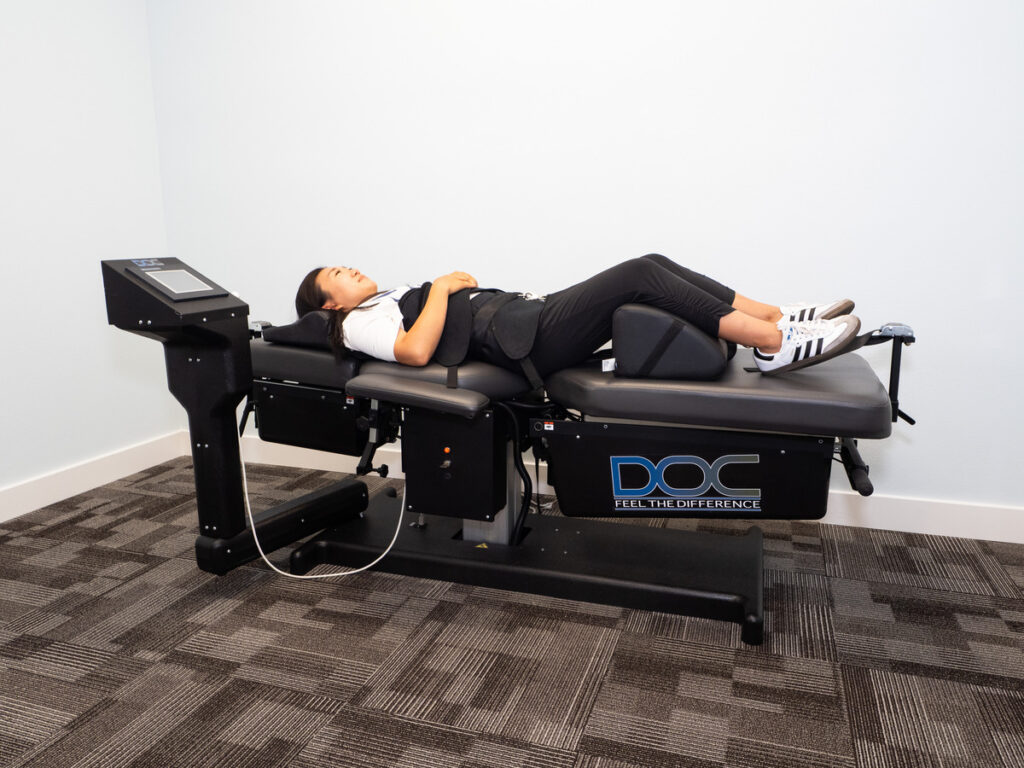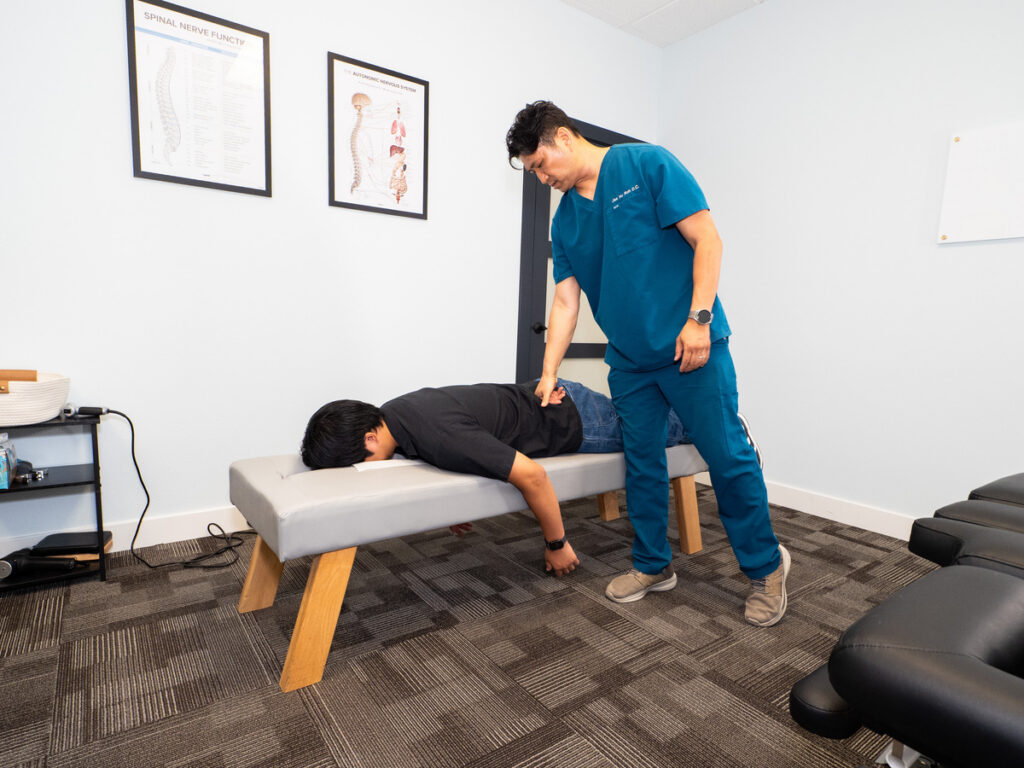

Neck pain is a prevalent issue that many people experience, often due to everyday habits and how our workspaces are set up. You may not realize how small changes in your daily routine can significantly improve your comfort and well-being. By focusing on ergonomic solutions and being mindful of your posture, you can take meaningful steps toward alleviating discomfort.
As a chiropractor, I believe that understanding the underlying factors contributing to your neck pain is crucial. Chiropractic care not only addresses the symptoms but also targets the root causes of your discomfort, promoting natural healing and overall wellness. Here are some practical tips you can implement today to help relieve neck pain and enhance your health:
- Ergonomic Workspace Setup: Ensure that your workspace is designed to support your spine. Adjust your chair so that your feet are flat on the floor and your knees are at a right angle. Your computer screen should be at eye level to prevent straining your neck.
- Mindful Posture: Be conscious of your posture throughout the day. Keep your shoulders relaxed and avoid slouching. When sitting, make sure your back is supported, and if you’re on the phone, try using a headset to avoid craning your neck.
- Regular Breaks: Take short breaks every hour to stretch and move around. Simple neck stretches can help relieve tension and improve circulation, keeping your muscles flexible.
- Stay Hydrated: Drinking plenty of water is essential for maintaining healthy spinal discs and overall muscle function. Staying hydrated can help prevent stiffness and discomfort.
- Chiropractic Adjustments: Regular chiropractic visits can be incredibly beneficial for neck pain. Chiropractors use gentle adjustments to realign the spine, reduce tension, and improve mobility, allowing your body to heal naturally.
- Heat and Cold Therapy: Applying a warm compress can help to relax tight muscles, while cold packs can reduce inflammation. Alternating between the two can provide relief and speed up the healing process.
By adopting these strategies and prioritizing chiropractic care, you can effectively manage your neck pain and work towards optimal health. Remember, small adjustments can lead to significant improvements in your overall well-being. If you’re experiencing persistent discomfort, I encourage you to consult with a chiropractor who can guide you on your journey to a pain-free life.
Key Takeaways
- To ensure your workspace supports your neck health, position your monitor at eye level. This simple adjustment can significantly reduce neck strain while you work on your computer.
- Choose a chair that provides great support and allows your feet to rest flat on the ground. This promotes better posture and helps prevent discomfort.
- Incorporate gentle neck stretching exercises into your routine, such as neck tilts and chin tucks. These movements can relieve tension and improve flexibility.
- Be mindful of your posture throughout the day. Keep your shoulders relaxed and your ears aligned with your shoulders to maintain a healthy spinal alignment.
- As a chiropractor, I highly recommend considering chiropractic care for personalized adjustments. This natural approach not only enhances mobility but also effectively reduces neck pain, helping you achieve optimal health without the need for medications or surgeries.
By making these small changes and prioritizing chiropractic care, you can take significant steps toward a pain-free, healthier lifestyle.
Understanding the Causes of Neck Pain
When dealing with neck pain, it’s important to recognize that various factors can contribute to your discomfort. One of the most common culprits is poor posture, especially from spending long hours hunched over a computer or frequently looking down at your phone. This can put a strain on your neck muscles, leading to pain and discomfort.
Additionally, sleeping in awkward positions or using pillows that don’t provide proper support can worsen the situation. Injuries, such as whiplash from car accidents or sports impacts, can also lead to neck pain. Furthermore, degenerative conditions like arthritis or herniated discs may contribute to chronic discomfort.
It’s also worth noting that stress and tension can lead to muscle tightness in your neck, further exacerbating the issue. To effectively manage your neck pain, it’s crucial to identify its specific cause. Here are some helpful tips you can incorporate into your daily routine to promote better neck health:
- Mind Your Posture: Be aware of your posture, especially when sitting for long periods. Keep your shoulders back and your ears aligned with your shoulders. Consider using ergonomic furniture to support your posture.
- Take Frequent Breaks: If you spend a lot of time at a desk or looking at your phone, take regular breaks to stretch your neck and shoulders. Simple neck stretches can help alleviate tension.
- Choose the Right Pillow: Ensure that your pillow supports your neck properly while you sleep. A supportive pillow can help maintain the natural curve of your neck.
- Stay Active: Regular physical activity strengthens your neck and shoulder muscles, which can help prevent pain. Simple exercises like neck rotations and shoulder shrugs can make a difference.
- Manage Stress: Incorporate relaxation techniques such as deep breathing, meditation, or yoga to reduce stress and tension in your neck muscles.
If you’re experiencing persistent neck pain, consider chiropractic care as a natural and effective solution. Chiropractors are specially trained to assess and treat neck pain through hands-on adjustments that can relieve tension, improve mobility, and promote overall wellness.
The Role of Physical Therapy in Treatment
When it comes to treating neck pain, chiropractic care is an invaluable resource that focuses on natural healing and overall wellness. As a chiropractor, I work closely with you to assess your unique condition and create a personalized plan that addresses your specific needs. This may involve spinal adjustments, targeted exercises, and techniques to enhance mobility and reduce tension in the neck area.
One of the key benefits of chiropractic care is learning how to maintain proper posture and body mechanics. These practices are crucial for preventing further strain on your neck and spine. Additionally, I may use techniques like soft tissue manipulation to alleviate discomfort and promote healing without the use of medications or invasive procedures.
Throughout your treatment journey, you’ll acquire effective strategies to manage your pain and improve your daily function. By committing to your chiropractic care plan, you can experience significant improvements that help you regain control over your life.
Remember, taking proactive steps toward your health—like staying active, practicing good posture, and following your chiropractor’s advice—will empower you on your path to recovery.
Chiropractic care isn’t just about treating pain; it’s about promoting a healthier, more balanced lifestyle that leads to lasting well-being. Embrace the journey toward a pain-free life with chiropractic as your guide!
Ergonomic Adjustments for Daily Activities
While many daily activities may appear harmless, neglecting proper ergonomics can lead to significant neck pain over time. As a chiropractor, I want to help you understand how to protect your neck and promote overall wellness through simple adjustments in your daily routine.
Start by optimizing your workspace. Ensure your computer screen is at eye level, which helps prevent straining your neck by looking up or down. Choose a chair that provides support for your lower back, and keep your feet flat on the ground to maintain a healthy posture. This setup not only protects your neck but also promotes better spinal alignment, which is crucial for overall health.
When using your phone, hold it at eye level instead of bending your neck downward. This small adjustment can make a big difference in preventing discomfort. If you spend a lot of time driving, make sure to adjust your seat and steering wheel to maintain a comfortable arm angle. Additionally, ensure your headrest is positioned to support your neck properly, as this can reduce strain during long drives.
Even simple tasks like cooking or cleaning can lead to discomfort if done improperly. To minimize strain, keep frequently used items within easy reach to avoid unnecessary twisting or reaching. Incorporating these small ergonomic adjustments into your daily life can significantly lower your risk of neck pain.
Remember, chiropractic care is a holistic approach to achieving optimal health. If you find yourself struggling with neck pain despite making these adjustments, seeking the guidance of a chiropractor can help restore balance to your spine and promote natural healing.
Lifestyle Changes to Alleviate Neck Discomfort
To alleviate neck discomfort, it’s essential to make some lifestyle changes that can significantly improve your quality of life.
As a chiropractor, I want to emphasize the importance of creating an ergonomic workspace. This means adjusting your chair, desk, and computer screen to promote a healthy posture. Keeping your head aligned with your spine can minimize strain and discomfort.
Incorporating regular stretching exercises into your daily routine is also vital. Simple neck stretches can help relieve tension and improve flexibility. Just a few minutes each day can lead to substantial benefits.
Remember to take breaks throughout your day to move around, as staying in one position for too long can contribute to neck pain.
Being mindful of your posture is crucial. Whether you’re sitting, standing, or walking, maintaining proper alignment can help prevent discomfort. Keep your shoulders relaxed and avoid slumping forward.
Finally, consider chiropractic care as a natural and effective way to achieve optimal health. Regular adjustments can help align your spine, reduce neck pain, and enhance your overall well-being.
Ergonomic Workspace Setup
Creating an ergonomic workspace is crucial for reducing neck discomfort and promoting your overall health. As a chiropractor, I can’t emphasize enough how important it is to maintain proper posture while working. By making simple adjustments to your workspace, you can significantly alleviate pain and enhance your well-being.
Start with your chair; adjust its height so that your feet rest flat on the floor. This alignment helps maintain the natural curve of your spine and supports your lower back. If you find that your chair lacks support, consider using a cushion to provide additional comfort and promote better posture.
Next, position your monitor so that the top edge is at eye level. This will help prevent unnecessary strain on your neck, allowing you to keep a neutral spine while you work. If your monitor is too low, a monitor riser can be an excellent solution to elevate it to the ideal height.
When it comes to your keyboard and mouse, keep them close to your body. Your elbows should form a 90-degree angle when typing or using the mouse. This positioning minimizes strain on your shoulders and arms. If you find discomfort in your wrists, using a wrist rest can offer additional support and comfort during long hours of typing.
Here’s a quick reference table to help you set up your workspace:
| Workspace Element | Ideal Position | Tips |
|---|---|---|
| Chair | Feet flat on the floor | Use a cushion for extra support |
| Monitor | Eye level | Use a monitor riser if necessary |
| Keyboard | Elbows at 90 degrees | Keep it close to your body |
| Mouse | Same level as keyboard | Use a wrist rest for comfort |
Regular Stretching Exercises
While a well-designed workspace is crucial for your overall comfort, incorporating regular stretching exercises into your daily routine can greatly alleviate neck discomfort and promote a healthier spine.
As a local chiropractor, I believe in the power of natural healing and the importance of maintaining a healthy lifestyle, and these simple stretches can be a great addition to your day. Here are three effective stretches to try:
- Neck Tilts: Gently tilt your head to one side, bringing your ear toward your shoulder. Hold this position for 15-30 seconds to help stretch the muscles along the side of your neck. Don’t forget to switch sides and repeat!
- Chin Tucks: Sit up straight and gently tuck your chin towards your chest. This simple movement can help strengthen your neck muscles and improve posture. Hold for a few seconds, then release. Aim to repeat this 5-10 times throughout the day.
- Shoulder Rolls: Roll your shoulders forward and backward in a circular motion. This can help relieve tension in your upper back and neck. Try doing 10-15 repetitions in each direction to keep your muscles relaxed.
Incorporating these stretches into your daily routine can significantly release tension and enhance your overall neck health.
Remember, while these exercises can be beneficial, regular chiropractic care is the best way to ensure your spine remains healthy and aligned for optimal function.
Making chiropractic adjustments a part of your wellness routine can help you achieve lasting pain relief and improved overall health. Prioritize your spine, and you’ll feel the difference!
Mindful Posture Awareness
Mindful posture awareness is crucial for preventing and alleviating neck discomfort, especially in today’s technology-driven world. Many of us find ourselves hunched over screens or slouching in chairs, which often leads to tension and pain in the neck area.
As a chiropractor, I want to emphasize the importance of maintaining good posture to support your spine and overall health. To combat neck discomfort, it’s essential to regularly check in on your posture throughout the day. Keep your shoulders relaxed and ensure your head is aligned directly over your spine.
When sitting, make sure your feet are flat on the floor, with your knees forming a right angle. Using ergonomic furniture can help, but small adjustments in your workspace can also make a big difference.
Incorporating these mindful habits into your daily routine can significantly reduce strain on your neck and enhance your overall comfort. Remember, small changes in how you sit and move can greatly impact how you feel.
Chiropractic care is a natural and effective way to address neck pain and improve your posture. By working with a chiropractor, you can receive personalized guidance and treatments that promote spinal health and overall wellness.
Embrace the power of mindfulness and chiropractic care to achieve optimal health and relief from discomfort.
Alternative Therapies and Their Effectiveness
How effective are alternative therapies in alleviating neck pain? As a chiropractor, I believe that chiropractic care is one of the best options available for achieving pain relief and promoting overall wellness.
Let’s explore how various therapies stack up, with a focus on the unique benefits of chiropractic care:
1. Chiropractic Care: This is my top recommendation for neck pain relief. Chiropractors specialize in spinal alignment and joint function. Through gentle adjustments, we can restore proper movement to the spine and neck, often providing immediate relief from discomfort.
Regular chiropractic sessions not only help alleviate pain but also enhance your overall health by improving your body’s ability to heal itself.
2. Acupuncture: While acupuncture can be helpful for some individuals, it involves inserting needles into specific points on the body. This may provide temporary relief for neck pain, but it doesn’t address the underlying musculoskeletal issues like chiropractic care does.
3. Massage Therapy: Massage can be beneficial for reducing muscle tension and promoting relaxation. However, it primarily focuses on soft tissue and may not correct the root causes of neck pain, such as misalignments in the spine.
While alternative therapies can offer some relief, many people find that chiropractic care delivers the most significant and lasting results.
Here are some general tips to enhance your neck health:
- Posture Awareness: Pay attention to your posture, especially if you spend long hours at a desk. Keeping your head aligned over your shoulders can prevent strain on your neck.
- Stretching: Gentle neck stretches can help release tension. Try tilting your head from side to side and forward to back to maintain flexibility.
- Stay Active: Regular physical activity strengthens the muscles that support your neck and spine, helping to prevent pain.
It’s important to consult with a healthcare professional, ideally a chiropractor, to explore the best treatment options for your individual needs.
The Importance of Posture and Alignment
Your posture plays a crucial role in maintaining the health of your neck. When your alignment is off, it can lead to discomfort and pain that can affect your daily life. One of the best ways to support your neck health is by setting up an ergonomic workspace. This means arranging your desk, chair, and computer screen in a way that promotes good posture and reduces strain on your neck.
In addition to creating a supportive workspace, incorporating specific exercises can greatly improve your neck alignment and help alleviate tension. Simple stretches and strengthening exercises can make a significant difference in how you feel.
As a chiropractor, I emphasize that chiropractic care is one of the most effective ways to achieve optimal neck health. Regular adjustments can help realign your spine and improve your overall posture. This natural approach not only provides pain relief but also promotes wellness throughout your entire body.
Here are a few tips you can easily implement to support your neck health:
- Check Your Screen Height: Make sure your computer screen is at eye level to avoid straining your neck.
- Take Frequent Breaks: Stand up, stretch, and move around every hour to keep your muscles engaged and reduce tension.
- Practice Good Posture: Sit up straight with your shoulders back and your feet flat on the floor to maintain proper spinal alignment.
- Stay Hydrated: Drinking plenty of water keeps your muscles hydrated and can help reduce stiffness.
Effects of Poor Posture
When you overlook the importance of proper posture, the impact on your neck and overall health can be significant. It’s easy to underestimate how poor posture can affect your daily life, but taking care of your spine is crucial for maintaining your well-being.
Here are three important effects of poor posture to consider, along with how chiropractic care can help:
- Increased Neck Pain: Slouching or leaning forward can place undue strain on your neck muscles, leading to discomfort and tension. Regular chiropractic adjustments can realign your spine, alleviating pressure on your neck and improving your posture. This can help decrease pain and enhance your overall comfort.
- Reduced Mobility: Poor alignment often results in stiffness, making it difficult to turn or tilt your head freely. Chiropractic care focuses on restoring proper movement in the spine and joints, which can help improve your range of motion. By addressing misalignments, you can regain the flexibility needed for daily activities.
- Headaches: Tension in the neck can trigger tension headaches that disrupt your focus and productivity. Chiropractors can help by identifying and treating the root causes of your headaches through spinal adjustments and soft tissue therapies. This natural approach can provide lasting relief without the need for medications.
In addition to seeking chiropractic care, here are some tips to support better posture and overall spine health:
- Be mindful of your posture: Whether sitting at a desk or standing, make a conscious effort to maintain a straight back, relaxed shoulders, and a neutral neck position.
- Take breaks: If you spend long periods at your desk, set a timer to remind yourself to stand up, stretch, and move around every 30 minutes.
- Strengthen your core: Engaging in exercises that strengthen your core muscles can provide better support for your spine and improve your posture.
Ergonomic Workspace Setup
Creating an ergonomic workspace is vital for maintaining good posture and spinal health during your workday. As a chiropractor, I understand the importance of a well-designed environment for your overall well-being.
Start by adjusting your chair so that your feet rest flat on the floor, and your knees are aligned with your hips. This positioning helps support your lower back and can prevent discomfort.
Your desk height should allow your elbows to be at a 90-degree angle while typing, which reduces strain on your shoulders and neck. Position your monitor at eye level, about an arm’s length away. This helps avoid craning your neck and promotes proper spinal alignment.
Investing in a chair with good lumbar support is essential, as it helps maintain the natural curve of your spine and can alleviate tension in your back.
Remember, keeping frequently used items within arm’s reach is important; this minimizes the need for stretching and twisting, which can lead to strain.
Small adjustments in your workspace can significantly enhance how you feel at the end of the day. Prioritizing your ergonomic setup not only improves comfort but also boosts productivity.
And if you ever experience discomfort, consider chiropractic care as a natural approach to relieving pain and promoting a healthier lifestyle. By focusing on your posture and workspace, you’re taking proactive steps toward optimal health and wellness.
Exercises for Neck Alignment
Maintaining proper neck alignment is crucial for your overall spinal health, and incorporating specific exercises can greatly enhance your well-being. As a local chiropractor, I want to share three effective exercises that can help improve your neck alignment and promote a healthier lifestyle:
- Chin Tucks: Start by sitting or standing with a straight back. Gently tuck your chin towards your chest, as if creating a double chin, and hold that position for five seconds. This simple movement can help strengthen the muscles that support your neck. Repeat this exercise 10 times for optimal results.
- Neck Stretches: To relieve tension and improve flexibility, tilt your head to one side, bringing your ear towards your shoulder. Hold this position for 15 seconds, feeling the stretch along the side of your neck. Afterward, switch sides and repeat. Aim to do this three times on each side to promote balance and relaxation in your neck muscles.
- Shoulder Blade Squeeze: This exercise is excellent for improving posture. Sit or stand with your arms relaxed at your sides. Squeeze your shoulder blades together as if you’re trying to hold a pencil between them, and hold for five seconds. This movement not only enhances neck alignment but also strengthens your upper back. Repeat this exercise 10 times.
In addition to these exercises, remember to maintain good posture throughout your day, whether sitting at a desk or using your phone.
Regular chiropractic care is also an excellent way to ensure your spine, including your neck, is aligned properly. It can help alleviate discomfort, enhance your body’s natural healing abilities, and promote overall wellness.
When to Seek Professional Help
How can you tell if your neck pain needs professional attention? If your discomfort sticks around despite trying home remedies or gets worse over time, it’s time to reach out to a chiropractor. Here are some key signs that indicate you should seek help, along with what they might mean:
| Symptoms | When to Seek Help | Possible Issues |
|---|---|---|
| Severe pain | Immediately | Could indicate fractures or herniated discs |
| Numbness or tingling | Within a few days | Often related to nerve compression |
| Weakness in arms/hands | As soon as possible | May suggest spinal issues |
| Chronic or severe headaches | If persistent | Could be tension or migraine |
Ignoring these signs can lead to bigger problems down the line. A chiropractor can thoroughly evaluate your condition, provide a proper diagnosis, and recommend natural treatment options tailored to your needs. Remember, chiropractic care is a holistic approach that focuses on restoring your body’s balance and promoting healing without the use of medications or surgeries.
Here are a few general tips to help manage neck pain at home:
- Stay Active: Gentle stretching and light exercises can keep your neck muscles strong and flexible.
- Good Posture: Pay attention to your posture, especially while sitting at a desk or using your phone. Keeping your spine aligned can prevent further strain.
- Heat or Ice Therapy: Applying a warm compress or ice pack can help reduce inflammation and relieve pain.
- Adjust Your Sleep Position: Ensure you have a supportive pillow that keeps your neck aligned while you sleep.
Trust your instincts—if the discomfort continues, don’t wait until it becomes unbearable. Chiropractic care can be the effective path to relief and wellness.
Conclusion
Incorporating ergonomic adjustments and being mindful of your posture can greatly help in managing neck pain. As a local chiropractor, I encourage you to prioritize a supportive workspace to promote better spinal health. Simple adjustments, like aligning your computer screen at eye level and using a chair that supports your lower back, can make a significant difference.
Additionally, integrating regular stretches into your daily routine can alleviate discomfort and enhance mobility. Gentle neck stretches, shoulder rolls, and even short breaks to walk around can work wonders. Remember, chiropractic care is an excellent option for addressing neck pain naturally. Our holistic approach focuses on realigning the spine, which can help relieve tension and improve overall well-being.
If you find that your pain persists, don’t hesitate to seek professional help from a chiropractor. We are here to assist you in finding the root cause of your discomfort and guiding you on the path to recovery. Taking proactive steps today can lead to a healthier, pain-free neck tomorrow. Your well-being is worth the effort, and chiropractic care can be a vital part of that journey!