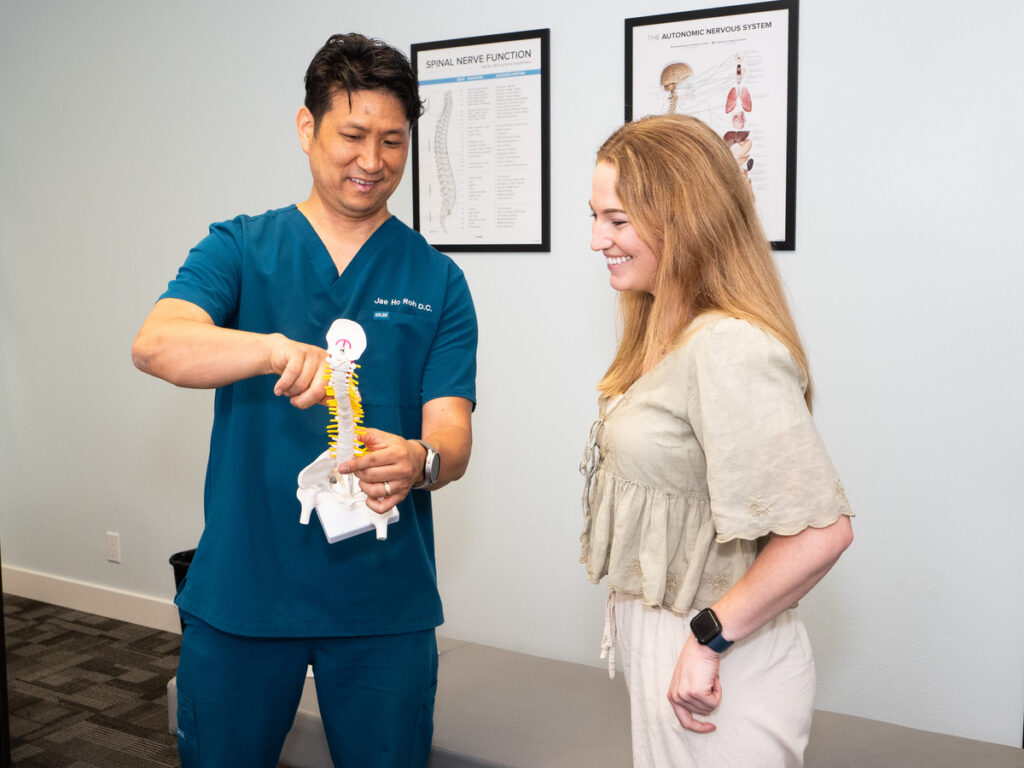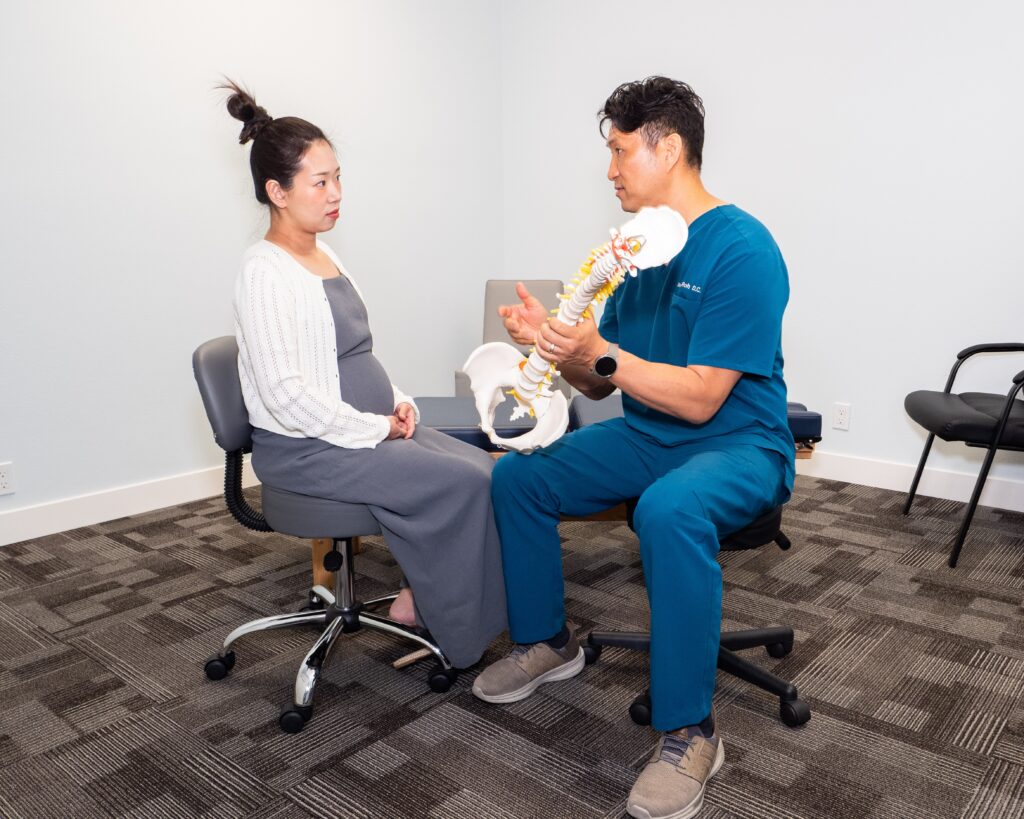

As a local chiropractor, I want to emphasize that if you're dealing with back pain, you're certainly not alone—this is a common issue many individuals experience. Fortunately, there are various methods that can help you find relief, ranging from simple over-the-counter medications to more holistic approaches like chiropractic care, physical therapy, and stretching exercises.
One of the key aspects of chiropractic care is the focus on spinal alignment and overall body mechanics. Many patients find that adjustments can lead to significant improvements in their comfort levels. Additionally, I encourage you to consider lifestyle changes that can support your healing journey. This might include incorporating regular exercise, practicing good posture, and being mindful of your daily activities to reduce strain on your back.
So, what specific techniques can provide you with effective relief? By exploring the benefits of chiropractic adjustments, along with complementary therapies like massage and stretching, you can discover a personalized approach that suits your needs. Understanding these options is vital in your quest for a pain-free life, and I'm here to guide you every step of the way.
Understanding Back Pain
As a local chiropractor, I often encounter patients who are struggling with back pain—a common issue that affects countless individuals. It's essential to understand the underlying causes of this discomfort to find effective relief. Back pain can arise from various sources, such as muscle strains, ligament sprains, herniated discs, or degenerative conditions like arthritis. Recognizing what triggers your pain is a crucial first step in addressing it.
You may experience two primary types of back pain: acute and chronic. Acute back pain usually appears suddenly and may be the result of a specific injury or overexertion. In contrast, chronic pain persists for more than three months, often developing gradually due to wear and tear on your spine or other health issues. By identifying whether your pain is acute or chronic, we can tailor a treatment plan that suits your needs.
Your lifestyle choices play a significant role in the health of your back. Factors such as physical activity levels, body weight, and even stress can contribute to discomfort. If you lead a sedentary lifestyle, your muscles can weaken, making you more susceptible to injuries. Conversely, overexerting yourself during exercise or lifting heavy objects improperly can lead to strain and pain.
Moreover, emotional health is closely linked to physical pain. Stress and anxiety can amplify your sensitivity to discomfort, which is why it's important to consider both the physical and emotional aspects of back pain. In our practice, we focus on holistic approaches that address not just the symptoms, but also the root causes of your pain.
Proper Posture Practices
As a local chiropractor, I want to emphasize the importance of good posture for your overall health, especially when it comes to maintaining a healthy spine and preventing back pain. Proper alignment of your body is crucial, whether you're standing, sitting, or moving, as it supports the natural curves of your spine.
When you stand, make sure your head is level, your shoulders are relaxed, and your back is straight. It's important to distribute your weight evenly across both feet and keep your knees slightly bent—this helps avoid locking them and reduces strain on your joints. Engaging your core muscles is essential to support your lower back.
If you need to lift something heavy, remember to bend at your knees rather than your waist; this simple technique can greatly minimize strain on your back and help you lift safely.
If your work requires long periods of sitting, it's vital to take breaks every 30 minutes to stretch or walk around. This practice keeps your muscles activated and helps prevent stiffness. If you notice yourself slouching, gently remind yourself to sit up straight.
Investing in ergonomic chairs or lumbar supports can also encourage better posture and comfort.
Don't overlook the importance of how you sleep, either. A supportive mattress and pillows that help maintain the alignment of your neck and spine can make a significant difference in your overall comfort and health.
Stretching and Strengthening Exercises
As your local chiropractor, I want to emphasize the importance of incorporating stretching and strengthening exercises into your daily routine.
These practices can play a crucial role in enhancing your back health and overall mobility. When you engage in these exercises, you're not just alleviating discomfort; you're laying the groundwork for a healthier spine and a more active life.
Stretching is vital as it helps improve flexibility and decrease stiffness, while strengthening exercises focus on developing the muscles that support your back. This combination provides stability and helps protect against injuries.
Here are some effective exercises I encourage you to consider:
- Cat-Cow Stretch: This gentle yoga pose is fantastic for enhancing flexibility and warming up your spine, making it a great addition to your routine.
- Bridges: These exercises strengthen your glutes and lower back, which can significantly improve your posture and balance.
- Child's Pose: A restorative stretch that helps release tension in the back, promoting relaxation and ease in your body.
- Planks: By engaging your core muscles, planks provide essential support for your spine, helping to build strength and stability.
- Seated Forward Bend: This stretch not only increases hamstring flexibility but also helps alleviate tension in the lower back.
By regularly practicing these exercises, you can contribute to your spinal health and enhance your overall well-being.
If you have any questions or need guidance on how to incorporate these exercises safely, please feel free to reach out during your next visit. Your health is our priority!
Heat and Cold Therapy
As a local chiropractor, I want to share with you the benefits of incorporating heat and cold therapy into your routine to support your back health. These natural methods can be powerful allies in alleviating pain, reducing inflammation, and promoting healing, especially when combined with stretching and strengthening exercises.
Let's start with heat therapy. This technique is particularly effective for relaxing tight muscles and increasing blood flow to the affected area. You might use a heating pad, a warm towel, or a hot water bottle. I recommend applying heat for 15 to 20 minutes at a time.
Make sure the heat is warm, not hot, to prevent any burns. Heat therapy is especially beneficial for managing chronic pain or stiffness, so consider using it after your exercise routine to help maintain your flexibility and comfort.
Now, let's talk about cold therapy. This method is excellent for reducing inflammation and numbing sharp pain. Ice packs or cold compresses can be incredibly effective, particularly within the first 48 hours after an injury occurs.
When using cold therapy, wrap ice in a cloth and apply it to the sore area for 15 to 20 minutes. Always avoid direct skin contact to prevent frostbite. Cold therapy is most beneficial for acute pain or swelling, making it an essential tool in your recovery process.
Over-the-Counter Pain Relief
As a local chiropractor, I often see patients seeking relief from back pain, and it's important to be informed about the options available to you. While over-the-counter (OTC) medications can provide temporary relief, I encourage you to consider a more holistic approach to managing your discomfort.
Understanding common OTC pain relief options is a good starting point; however, it's essential to be aware of the proper dosages and safety guidelines. More importantly, I want to emphasize that there are natural alternatives to pain relief that can be incredibly effective.
Chiropractic care, for example, focuses on the musculoskeletal system to address the root cause of your pain rather than just masking the symptoms.
In addition to chiropractic adjustments, incorporating practices like gentle stretching, proper posture, and strengthening exercises can greatly enhance your recovery.
Common OTC Medications
As a local chiropractor, I understand that finding effective relief from back pain is essential for enhancing your quality of life. Many individuals often turn to over-the-counter (OTC) medications as a first step in managing their discomfort. While these medications can offer quick relief, it's important to explore a holistic approach that addresses the root cause of your pain.
Here are some common OTC options that you might come across:
- Ibuprofen: This medication is known for reducing inflammation and alleviating pain, but it may not address the underlying issues causing your discomfort.
- Acetaminophen: While effective for pain relief, it doesn't have anti-inflammatory properties, which are often key in treating back pain.
- Naproxen: This provides longer-lasting pain relief and may be suitable for those dealing with chronic discomfort, yet it's still a temporary solution.
- Topical analgesics: These creams or patches can offer localized relief, but they may not treat the underlying spinal or muscular issues.
- Combination medications: These products mix various ingredients to enhance effectiveness, but again, they only mask the symptoms rather than resolve them.
While these OTC medications may provide temporary relief, it's crucial to understand that they don't address the root cause of your back pain. Instead, consider exploring chiropractic care and natural healing methods, which can help align your spine, reduce tension in your muscles, and promote overall wellness.
If your pain persists, I encourage you to consult with a chiropractor for a thorough evaluation. We can work together to create a personalized treatment plan that incorporates chiropractic adjustments, exercises, and lifestyle changes aimed at managing your pain effectively.
Dosage and Safety Guidelines
As a local chiropractor dedicated to your health and well-being, I want to help you understand how to safely manage back pain, particularly when it comes to using over-the-counter (OTC) pain relief. It's important to know that while these medications can provide temporary relief, they should be used judiciously.
First and foremost, always take a moment to read the label on any medication you choose. For adults, ibuprofen is typically taken in doses of 200-400 mg every four to six hours, and acetaminophen is often recommended at 500-1000 mg for the same duration. However, it's crucial not to exceed the maximum daily limits—generally 3,000 mg for acetaminophen and 1,200 mg for ibuprofen, unless directed by your doctor.
I also encourage you to reflect on your personal medical history. If you have conditions such as liver disease, ulcers, or kidney issues, it's essential to consult with a healthcare provider before using these medications. Mixing different OTC pain relievers can be risky and may lead to unintentional overdoses, so it's best to stick to one at a time.
Be aware of potential side effects, including stomach upset or drowsiness. If you experience any adverse reactions, please discontinue use and seek medical advice promptly.
It's wise to limit the use of these pain relievers to a short duration—generally no longer than 10 days. If your back pain continues or worsens, I encourage you to reach out to me or another healthcare professional.
There are many natural healing options, including chiropractic care, that can help address the underlying issues causing your discomfort and promote long-term relief. Your health is a priority, and I'm here to support you on your journey to wellness.
Alternatives to Pain Relief
As a local chiropractor dedicated to helping our community, I want to introduce you to some effective alternatives to over-the-counter pain relief that can help alleviate back pain naturally.
Many of my patients have found that incorporating these techniques into their daily routines not only reduces their discomfort but also enhances their overall well-being.
- Physical therapy: We often recommend a personalized exercise program designed to strengthen your back muscles and improve flexibility. This approach promotes long-term relief and supports your body in maintaining proper alignment.
- Acupuncture: This ancient practice involves stimulating specific points in your body, which can help ease pain and improve your quality of life. Many patients report significant benefits from this holistic approach.
- Chiropractic adjustments: Regular chiropractic care focuses on realigning your spine and correcting any misalignments. This not only reduces tension and discomfort but also allows your body to function more optimally.
- Massage therapy: Therapeutic massage is another fantastic option. It helps relieve muscle tightness and reduces stress, providing a soothing escape from pain.
- Heat and cold therapy: Utilizing heat and cold packs can be a simple yet effective way to manage inflammation and promote better blood circulation, offering immediate relief from discomfort.
I encourage you to explore these alternatives as part of your pain management strategy.
By taking an active role in your healing journey, you'll not only address your back pain but also foster a healthier, more vibrant lifestyle.
Alternative Therapies
As a local chiropractor, I want to help you understand the benefits of chiropractic care in finding relief from back pain.
Many people aren't aware that chiropractic adjustments and alternative therapies, such as acupuncture, can be highly effective in addressing the underlying causes of discomfort.
Instead of simply masking your symptoms with temporary solutions, these natural healing methods focus on restoring balance and alignment in your body.
By exploring chiropractic care, you may discover a holistic approach to wellness that leads to lasting relief and improved quality of life.
Let's work together to find the best path for your healing journey!
Acupuncture for Pain Relief
As a local chiropractor, I want to introduce you to a fascinating alternative therapy that many have found beneficial for managing back pain: acupuncture. This ancient practice has gained recognition for its effectiveness in promoting natural healing and relieving discomfort. It involves the strategic insertion of thin needles at specific points on the body, which can help stimulate your body's innate ability to heal.
If you're curious about how acupuncture can enhance your well-being, here are several reasons to consider it as part of your pain management strategy:
- Reduces muscle tension: Experience the release of stress as your muscles begin to relax, which can significantly alleviate pain.
- Increases energy levels: Many patients report feeling revitalized, making everyday tasks much easier to handle.
- Improves sleep quality: Say goodbye to restless nights, as acupuncture can help you achieve deeper, uninterrupted sleep.
- Boosts mood: As you find effective ways to manage pain, you may notice an uplift in your overall mood and outlook.
- Encourages holistic healing: Acupuncture offers a comprehensive approach to health, addressing not just the symptoms but your entire well-being.
As your chiropractor, I believe that acupuncture can serve as a powerful complement to your chiropractic care.
By exploring this therapy, you may uncover a renewed sense of freedom from back pain, paving the way for a more vibrant and active life.
Let's work together to create a personalized pain management plan that suits your needs!
Chiropractic Adjustments Benefits
As a local chiropractor, I want to share the benefits of chiropractic adjustments, especially for those who may not be familiar with how they can help alleviate back pain and enhance overall well-being. Our focus is on correcting misalignments in the spine, which can significantly improve your body's function. Through these adjustments, we aim to restore proper motion in your joints, reduce inflammation, and ultimately relieve pain.
Many of my patients have experienced positive changes, such as fewer headaches, improved posture, and increased flexibility after regular visits. Each treatment is tailored to your specific needs, allowing for a personalized approach that can lead to quicker results and a more comfortable recovery process.
Chiropractic care is holistic in nature, meaning we not only address your immediate concerns but also encourage you to adopt healthy lifestyle practices, such as regular exercise and balanced nutrition. This comprehensive approach fosters long-term wellness.
One of the most appealing aspects of chiropractic adjustments is that they're non-invasive. This means you can find relief without resorting to medications that may come with unwanted side effects. Instead, chiropractic care enhances your body's natural healing processes, providing lasting benefits rather than just temporary fixes.
If you're considering chiropractic care for your back pain or any other issues, I encourage you to consult with a licensed chiropractor. We'll take the time to assess your condition and develop a treatment plan that suits you best.
When to Seek Professional Help
As a local chiropractor, I want to emphasize the importance of recognizing when it's the right time to seek professional help for back pain. Understanding your body and knowing when to consult a specialist can significantly enhance your recovery process and prevent further complications.
If you're experiencing back pain, here are some key signs that indicate it's time to reach out for chiropractic care:
- Persistent Pain Beyond a Few Days: If your back pain lingers despite trying rest and home remedies, it's a signal that professional intervention may be necessary.
- Severe or Escalating Discomfort: When your pain intensifies or becomes unbearable, it's crucial to seek an expert evaluation to address the underlying issues.
- Numbness or Tingling Sensations: If you notice these sensations in your legs or arms, it could point to nerve involvement, and chiropractic care can help assess and treat this concern.
- Loss of Bladder or Bowel Control: This is a serious symptom that requires immediate medical attention. It could indicate a significant underlying condition that needs to be addressed promptly.
- Post-Injury Pain: If your back pain arises after an accident or fall, it's important to consult a chiropractor to rule out fractures or other injuries and to receive appropriate care.
Ignoring these warning signs can lead to chronic pain and affect your quality of life.
Don't wait until the discomfort becomes overwhelming. Seeking chiropractic care early on can provide you with effective treatment options and a quicker return to your daily activities.
Your health and well-being are paramount, so take that important first step toward recovery with us.
Conclusion
As a local chiropractor, I want to share some effective techniques that can help alleviate your back pain and enhance your overall well-being. One of the foundational aspects of maintaining a healthy spine is proper posture. Being mindful of how you sit, stand, and move can significantly impact your back health.
Incorporating stretching and strengthening exercises into your daily routine is another vital step. These exercises can help improve flexibility and build the muscles that support your spine. Additionally, utilizing heat and cold therapy can provide immediate relief and reduce inflammation, making it easier for you to manage discomfort.
Over-the-counter pain relief options can also offer temporary relief, but I encourage exploring alternative therapies, such as chiropractic adjustments or massage, which can address the root causes of your pain. My goal is to empower you to take charge of your health through natural healing methods.
If you find that your pain persists or worsens, please don't hesitate to reach out for professional guidance. Your back deserves the best care, and I am here to support you on your journey to recovery. Take action today—your body will thank you!