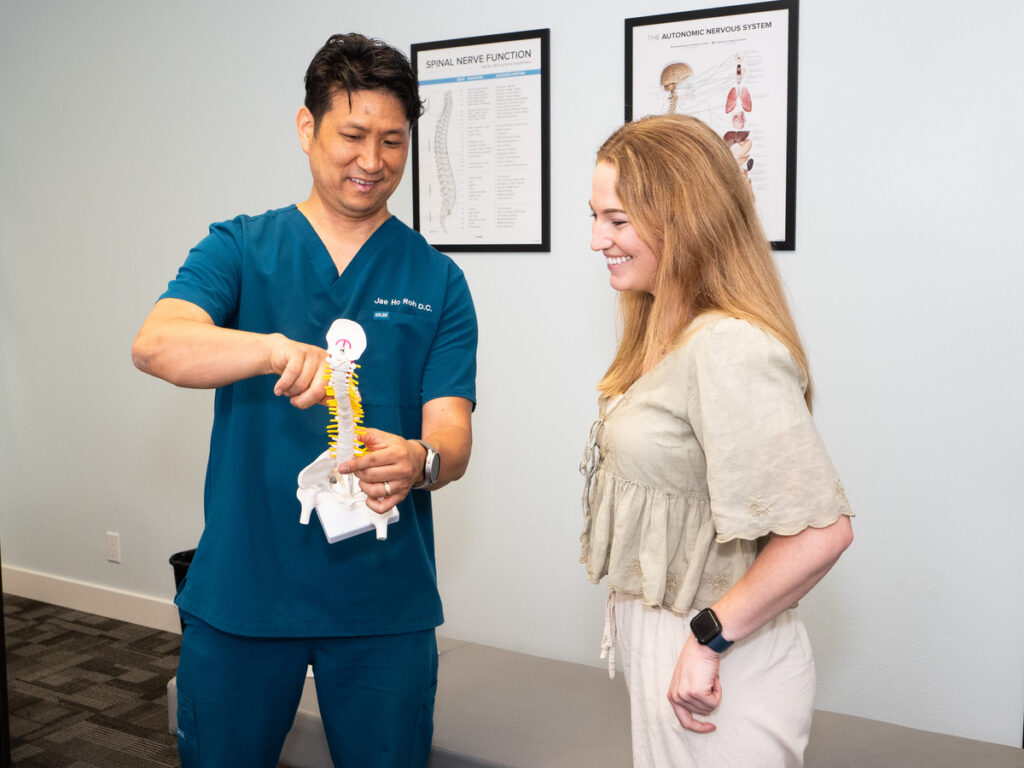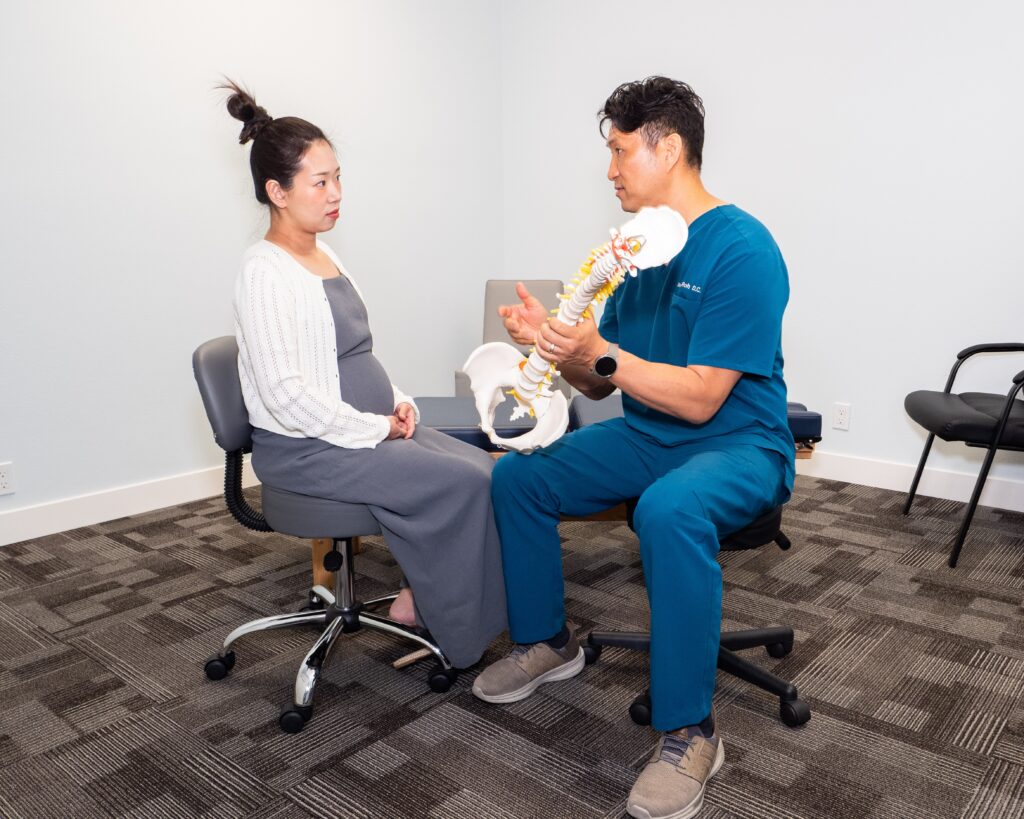

As a local chiropractor, I understand that many of you may be struggling with back pain related to poor posture. It’s a common issue that affects numerous individuals due to everyday habits. The good news is that there are effective solutions available to alleviate this discomfort. By making simple adjustments to your routine and incorporating specific exercises, you can significantly enhance your posture and reduce your pain levels.
If you’re curious about how chiropractic care and natural healing can help, let’s delve into some practical strategies that can make a positive impact on your well-being. Together, we can work towards a healthier spine and a pain-free life!
Understanding the Impact of Poor Posture on Back Pain
As a local chiropractor, I want to share some important insights about how poor posture can impact your back health. Many people don’t realize that when you slouch or hunch over, you’re putting unnecessary strain on your spine, which can lead to discomfort and pain. This misalignment forces your muscles to work harder, resulting in tension and fatigue.
Unfortunately, if left unaddressed, this can develop into chronic pain that interferes with your daily activities and diminishes your overall quality of life.
Your body relies on natural alignment to distribute weight evenly. However, when you slouch, this balance is disrupted, which can compress your vertebrae and irritate nerves, sometimes causing pain that radiates down your legs.
It’s important to understand that poor posture doesn’t just affect your back; it can also lead to tightness in your neck and shoulders.
Being mindful of your posture—whether you’re sitting, standing, or moving—can lead to significant improvements in your well-being. Adjusting your habits and recognizing the impact of your posture is the first step towards alleviating back pain and promoting a healthier spine.
As your chiropractor, I’m here to guide you on this journey to better posture and overall health.
Simple Exercises to Strengthen Posture
As a local chiropractor, I want to share some simple exercises that can significantly enhance your posture and overall well-being.
One of the first exercises I recommend is the wall angel. To perform this, stand with your back against a wall and raise your arms in a “W” shape. Slowly slide your arms up and down while ensuring that your shoulders and lower back remain in contact with the wall. This exercise helps to open up your chest and aligns your spine.
Another fantastic exercise is the plank. When you hold a plank position—keeping your elbows directly under your shoulders and your body in a straight line—you engage your core and back muscles, which are essential for maintaining good posture.
You might also find the bird-dog exercise beneficial. Begin on all fours, then extend one arm forward while simultaneously stretching the opposite leg back. This movement helps improve balance and stability, which are crucial for proper posture.
Lastly, don’t underestimate the power of stretching! Incorporating chest openers and shoulder rolls into your routine can alleviate tension and enhance flexibility.
Aim to do these exercises a few times a week, and you should start noticing improvements in your posture and a reduction in back pain over time. Remember, consistency is key!
Ergonomic Adjustments for Your Workspace
As a local chiropractor, I want to emphasize the importance of creating an ergonomic workspace to help prevent posture-related back pain, particularly for those of you who spend long hours at a desk.
Making a few simple adjustments can significantly enhance your comfort and posture throughout your workday. Here are some essential tips to foster a more ergonomic environment:
- Chair Height: It’s crucial to adjust your chair so that your feet rest flat on the ground. Aim for your knees to be at or below hip level; this positioning helps maintain proper spinal alignment.
- Desk Setup: Your monitor should be set at eye level and about an arm’s length away. This arrangement minimizes strain on your neck and allows for a more relaxed posture while you work.
- Keyboard and Mouse: Keep these tools close to your body to ensure that your wrists remain straight and your elbows are bent at a 90-degree angle. This positioning reduces tension in your upper body and promotes better circulation.
- Breaks: Don’t underestimate the power of taking regular breaks. Schedule time to stand, stretch, and move around. This practice not only refreshes your body but also allows your muscles to reset, reducing the risk of discomfort over time.
By implementing these ergonomic adjustments, you can create a more comfortable and supportive work environment, ultimately reducing the likelihood of back pain and other discomforts.
The Role of Stretching in Alleviating Discomfort
As a local chiropractor, I want to share how crucial stretching can be in alleviating discomfort caused by poor posture. Many individuals may not realize that incorporating regular stretching into your daily routine can lead to significant improvements in your overall well-being.
Stretching not only enhances your flexibility but also helps to reduce muscle tension, which is often a result of misalignment or prolonged sitting.
Let’s discuss some effective stretching techniques that can truly make a difference in your life. By integrating these practices, you can support your body’s natural healing processes and promote better posture.
Benefits of Regular Stretching
As a local chiropractor, I want to share with you the significant benefits of incorporating regular stretching into your daily routine, especially for those dealing with posture-related back pain.
Many people may not realize how stretching can play a crucial role in enhancing your spinal health and mobility. Here are some key advantages that I often discuss with my patients:
- Increased Flexibility: Stretching regularly helps improve your flexibility, which can lead to better movement and reduced stiffness in your body. This is essential for maintaining a healthy range of motion in your joints.
- Enhanced Blood Circulation: When you stretch, you promote better blood flow throughout your muscles. This increased circulation can speed up recovery times and alleviate tension, making your muscles feel more relaxed and less fatigued.
- Strengthened Supporting Muscles: By engaging in stretching, you not only increase flexibility but also help strengthen the muscles that support your spine. This is vital for maintaining proper posture and preventing future discomfort.
- Stress Reduction: Stretching can also serve as a great stress-reliever. By incorporating it into your routine, you can experience a more relaxed body and mind, which contributes to overall well-being.
Remember, taking the time to stretch can significantly improve your quality of life and support the natural healing process that chiropractic care promotes.
If you have any questions about how stretching can benefit you specifically, feel free to ask during your next visit!
Effective Stretching Techniques
As a local chiropractor dedicated to your well-being, I want to share how incorporating effective stretching techniques into your daily routine can significantly help alleviate discomfort caused by poor posture.
Many of my patients experience tension in their neck, shoulders, and lower back—areas that often take the brunt of our daily activities.
One effective stretch you can try is the neck stretch. Simply tilt your head side to side, holding each position for about 15 seconds. This can help release tightness and improve mobility.
Additionally, the cat-cow stretch is a fantastic way to enhance spinal flexibility and relieve tension throughout your back.
Don’t overlook the seated forward bend either; this stretch targets your hamstrings and lower back, providing much-needed relief. Aim to hold each stretch for 20-30 seconds and remember to breathe deeply to promote relaxation.
By regularly practicing these stretches, you can improve your alignment, reduce stiffness, and find relief from discomfort.
Integrating these techniques into your routine can complement the benefits of chiropractic care and support your journey to better health and wellness.
Incorporating Stretching Into Routine
As a local chiropractor dedicated to your well-being, I want to emphasize the importance of incorporating stretching into your daily routine to alleviate discomfort and enhance your overall health.
Stretching is a vital practice that not only improves flexibility but also reduces muscle tension and promotes better posture—key components of maintaining spinal health.
Here are some practical tips to help you get started:
- Designate specific times each day for your stretching routine, whether it’s in the morning to wake up your body or before bed to unwind.
- Pay special attention to major muscle groups such as your back, legs, and shoulders, as these areas often hold tension.
- Pair your stretching with deep breathing exercises; this combination can significantly enhance your relaxation and the effectiveness of the stretches.
- Consider using a foam roller or massage ball to target tight areas, helping to release knots and improve circulation.
Mindfulness and Body Awareness Techniques
As a local chiropractor, I often see patients struggling with posture-related back pain. One effective approach to alleviating this discomfort is through mindfulness and body awareness techniques. By tuning into your body, you can become more aware of tension and discomfort, allowing you to address these issues before they escalate into more serious problems.
Practicing mindfulness encourages you to focus on your breath and bodily sensations. This heightened awareness promotes relaxation and can significantly reduce stress, which often contributes to muscle tension and discomfort in the back.
Additionally, body awareness techniques, such as the Alexander Technique or Feldenkrais Method, are invaluable. These methods teach you how to move more efficiently and with less strain, helping you to become more conscious of your posture throughout your daily activities.
By making small adjustments to your posture, you can prevent pain and maintain a healthier spine. Incorporating mindfulness into your daily routine—whether through meditation or simple breathing exercises—can greatly enhance your overall well-being.
As you develop a deeper connection with your body, you’ll be better equipped to recognize harmful habits and adopt healthier postural behaviors. This proactive approach can ultimately lead to a significant reduction in back pain and improve your quality of life.
If you have any questions or would like to learn more about these techniques, feel free to reach out—I’m here to help!
When to Seek Professional Help for Back Pain
If you’ve been experiencing back pain for more than just a few days, I encourage you to consider seeking professional help.
As a chiropractor, I often see patients who’ve ignored their symptoms, only to find that conditions worsen over time. It’s crucial to pay attention to any signs that extend beyond regular discomfort, such as numbness or weakness in your legs.
Understanding when to reach out for care can significantly enhance your recovery process and help you return to your daily activities with ease.
Chiropractic care offers a natural approach to healing that can address the root causes of your pain, promoting overall wellness and long-term relief.
Persistent Pain Duration
As a local Chiropractor, I want to emphasize that while occasional back pain can be a normal part of life, persistent discomfort lasting more than a few weeks is a signal that you should consider seeking professional help. Ignoring ongoing pain can lead to more significant issues in the future, and I’m here to guide you through the process of natural healing.
Here are some key indicators that it’s time to consult with a chiropractic expert:
- If your pain is interfering with your daily activities, it’s crucial to address it.
- A noticeable decrease in your mobility or flexibility isn’t something to overlook.
- If you find that your pain doesn’t improve with rest or over-the-counter medications, it’s time to explore alternative solutions.
- Additionally, if you have a history of injury or chronic conditions, it’s wise to seek advice.
By addressing prolonged pain early on, we can work together to prevent complications and help you regain your quality of life.
Chiropractic care focuses on natural healing methods that can relieve pain and restore function.
Don’t hesitate to reach out for assistance when discomfort becomes a regular part of your day; I’m here to help you find relief and feel your best.
Symptoms Beyond Normal Discomfort
As a local chiropractor, I want to help you understand when back pain may indicate something more than just normal discomfort. It’s crucial to recognize the signs that suggest your pain could be more serious. If you’re experiencing sharp, stabbing sensations, numbness, or tingling in your legs, it’s time to consider reaching out for professional guidance.
Many people assume back pain is simply due to poor posture or overexertion, but if your discomfort persists even after resting or seems to worsen with movement, it’s important not to overlook these signals.
Be alert for additional symptoms like weakness in your arms or legs, or any loss of bladder or bowel control—these could point to more significant underlying issues.
Moreover, if your back pain follows an injury, or if you notice it accompanied by fever, unexplained weight loss, or pain that disrupts your sleep, I strongly encourage you to consult with a healthcare professional as soon as possible.
Recognizing and addressing these signs early can lead to effective treatment options and help prevent more serious complications down the line. Remember, your health is a priority, and seeking help is a proactive step towards healing.