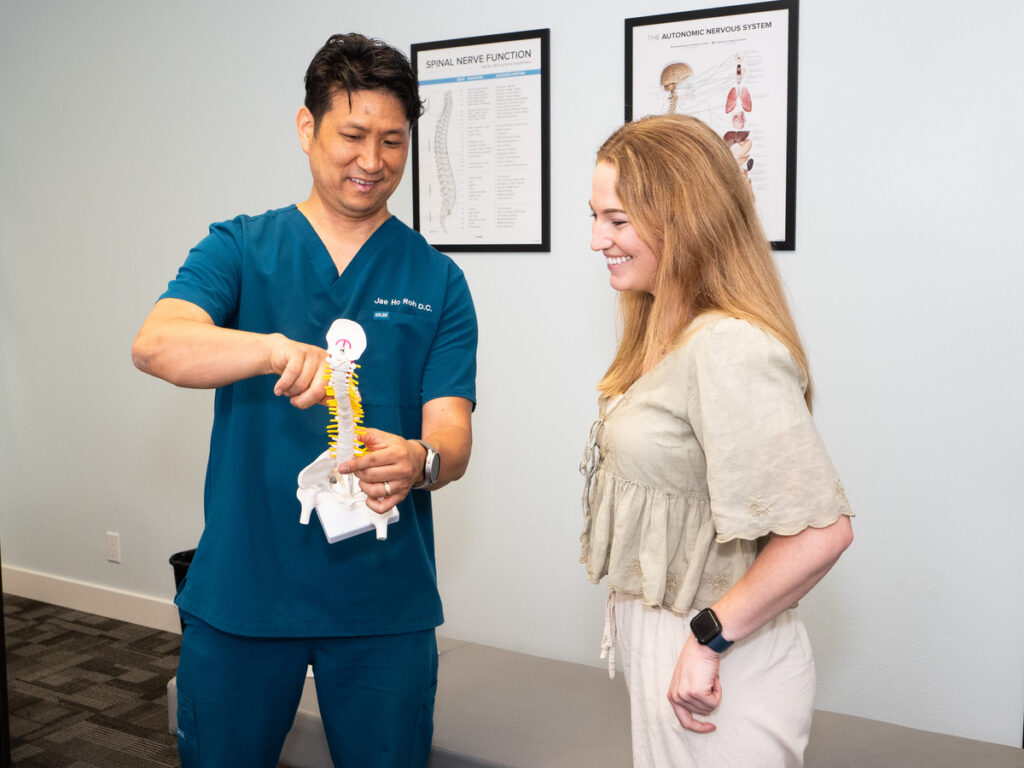

As a local chiropractor, I want to help you understand the common causes of muscle strain and back pain, which can significantly impact your daily life. Many people experience discomfort due to factors such as inadequate physical conditioning, poor posture, and improper lifting techniques. These issues often lead to strain and pain that can hinder your ability to perform everyday activities.
It’s crucial to recognize the underlying causes of your discomfort in order to find effective relief. By examining your posture and managing stress levels, we can pinpoint potential triggers that may be contributing to your pain.
Fortunately, there are numerous natural strategies available to alleviate your symptoms and prevent future strains. Chiropractic care focuses on restoring proper alignment and function to your spine and joints, which can promote healing and improve your overall well-being.
If you’re looking for long-lasting relief, I encourage you to explore these options with me. Together, we can develop a personalized plan that addresses your specific needs and helps you regain your quality of life.
Understanding Muscle Strain: Definition and Causes
As a local chiropractor, I want to share some important insights about muscle strains, a common injury many people experience. A muscle strain occurs when your muscles are stretched beyond their limits or even torn. This can happen during various activities, such as lifting heavy objects, engaging in sports, or even during everyday movements, especially if your body isn’t properly warmed up.
For instance, if you suddenly change direction or exert excessive force, you may strain a muscle.
There are several contributing factors to muscle strains that you should be aware of. Poor conditioning, fatigue, and lack of flexibility can all elevate your risk of injury. If you’re not used to specific activities, your muscles may not be prepared for the added stress.
Additionally, repetitive motions over time can lead to strains as well.
Understanding these causes is crucial for prevention. By prioritizing proper warm-ups, incorporating strength training into your routine, and listening to your body’s signals, you can significantly reduce your risk of muscle strains.
As a chiropractor, I also emphasize the importance of natural healing methods to support your recovery and maintain your activity levels without pain.
Common Symptoms of Muscle Strain
As a local chiropractor, I want to help you understand what happens when you experience a muscle strain.
You might feel pain localized in a certain area, and the intensity can range from mild discomfort to sharp pain. Additionally, the affected muscle may feel tight or weak, which can make even simple movements difficult.
It’s important to recognize these symptoms early on, as addressing them promptly can lead to more effective healing.
Chiropractic care, along with natural healing techniques, can provide you with the support you need to recover and regain your strength.
Pain Location and Intensity
As a local chiropractor, I want to help you understand the nuances of muscle strains and how they can affect your body.
If you’ve ever experienced a muscle strain, you may have noticed that the pain doesn’t always stay in one spot. This can make it tricky to identify the exact source of your discomfort. You might feel sensations in different areas, and the intensity of the pain can fluctuate significantly.
Here are some key symptoms to be aware of:
- Localized pain: You might notice a sharp or dull ache right where the strain occurred. This is your body signaling that something isn’t quite right.
- Radiating discomfort: Often, the pain can extend to nearby areas, such as your lower back or legs, creating a wider range of discomfort.
- Increased pain with movement: Simple activities like twisting or lifting can intensify your pain, turning everyday tasks into challenges.
By recognizing these symptoms, you can take the first steps toward managing your discomfort effectively.
Chiropractic care focuses on natural healing and can help restore balance and function to your body.
Muscle Tightness and Weakness
As a local chiropractor, I want to share some important information about muscle tightness and weakness that often accompany strains. These issues can significantly impact your daily life, making even simple tasks like lifting objects or bending down feel challenging.
When your muscles are tight, they can become stiff and limit your range of motion, causing discomfort in the process. Additionally, weakened muscles struggle to provide the support your body needs, which can increase the risk of further injury.
You may find that you tire more quickly during physical activities, highlighting the importance of allowing your body the necessary time to heal and recover.
To help alleviate tightness and rebuild muscle strength, I recommend incorporating gentle stretching and strengthening exercises into your routine. It’s crucial to listen to your body and avoid pushing through pain; rest is essential for healing and regaining full functionality.
If you’re interested, I can guide you through some safe and effective techniques that align with natural healing practices. Your well-being is important to us, and we’re here to support you on your journey to recovery.
The Role of Poor Posture in Back Pain
As a chiropractor, I want to emphasize the significant role that poor posture plays in contributing to back pain. Many people may not realize that their everyday habits, such as slouching or hunching over, can lead to discomfort and strain on their spine and surrounding muscles.
Let’s explore how poor posture can impact your body:
- Increased strain on your back muscles can lead to tightness and discomfort, making daily activities more challenging.
- Misalignment of the spine is another consequence, which can irritate nerves and result in pain that can be persistent and disruptive.
- Reduced flexibility and strength can make it even more difficult to maintain proper posture, creating a cycle of discomfort.
To help alleviate back pain, I encourage you to be mindful of your posture throughout the day.
Whether you’re working at a desk or standing for extended periods, pay attention to your alignment. Utilizing ergonomic furniture can make a significant difference, as can taking regular breaks to stretch and move your body.
Making these small adjustments can help relieve strain on your back and enhance your overall comfort.
Remember, good posture isn’t just about looking confident; it’s a crucial factor in maintaining your back health and overall well-being.
If you have any questions about how chiropractic care can support your posture and alleviate pain, feel free to ask!
How Improper Lifting Techniques Lead to Injury
As a chiropractor, I see many patients who come to me suffering from injuries caused by improper lifting techniques. It’s crucial to understand that lifting objects incorrectly can significantly increase your risk of injury.
One of the most common mistakes I observe is bending at the waist instead of utilizing your legs. This can lead to serious muscle strains and persistent back pain, which can affect your daily life.
To help you stay safe while lifting, I want to share some proper techniques. Always bend at your knees and keep your back straight when lifting heavy items. Engage your core muscles to provide additional support to your spine.
Avoid twisting your body while lifting; instead, pivot your feet to change direction. By following these guidelines, you can reduce the risk of injury and maintain your overall health.
Common Lifting Mistakes
As a local chiropractor, I often see patients who are unaware of the critical role proper lifting techniques play in maintaining a healthy spine and preventing injuries.
Many individuals underestimate how even slight mistakes during lifting can lead to significant problems down the road. Here are three common lifting mistakes that I encourage everyone to avoid:
- Bending at the waist: This common error places excessive strain on your back, rather than utilizing the strength of your legs. Engaging your legs while keeping your back straight is essential for injury prevention.
- Twisting your torso: Rotating your body while lifting can easily lead to muscle tears and persistent back pain. It’s important to keep your torso stable and pivot with your feet instead.
- Lifting too quickly: When you rush your lift, you compromise your form and significantly increase your risk of injury. Take your time and focus on executing the lift correctly.
By recognizing these common mistakes, you can take proactive steps towards protecting your spine and overall health.
I recommend evaluating your lifting habits and making necessary adjustments. Your body will certainly appreciate the effort!
If you have any questions or need guidance on proper techniques, feel free to reach out. Together, we can work towards a healthier, injury-free lifestyle!
Proper Lifting Techniques
As a local chiropractor, I want to emphasize the importance of understanding proper lifting techniques to prevent injuries. Many people underestimate the impact of improper lifting, but even minor mistakes can lead to significant issues down the line.
When lifting, always remember to bend at your knees instead of your waist. This practice helps maintain your spine’s natural alignment and significantly reduces stress on your back.
It’s crucial to keep the load close to your body. This not only improves your balance but also enhances your ability to leverage your strength effectively. Engaging your core muscles while lifting provides extra support, making the task feel much easier.
Another key point to remember is to avoid twisting your torso while carrying heavy objects. Twisting can place unnecessary strain on your spine, leading to discomfort or injury. Instead, pivot your feet to change direction safely.
If you encounter heavy or awkward loads, don’t hesitate to ask for help. It’s not worth risking your health by attempting to lift something beyond your capacity alone.
Stress and Its Impact on Muscle Tension
As a local chiropractor, I want to share with you an important connection you may not be aware of: the impact of stress on muscle tension. Many people experience this without realizing the underlying cause. When stress levels rise, your body reacts by releasing hormones like cortisol, which can lead to tightness and discomfort in your muscles.
This tension often builds up in common areas such as the neck, shoulders, and back, resulting in pain and strain that many of my patients experience.
Let’s explore how stress affects your muscles:
- Increased Muscle Tightness: When you’re under chronic stress, your muscles can remain in a constant state of tension. This can lead to discomfort and restrict your movement.
- Poor Posture: Stress often causes people to slouch or tense their bodies, which can further strain your back and contribute to misalignment.
- Reduced Blood Flow: Stress can constrict blood vessels, limiting the flow of oxygen and nutrients to your muscles. This can hinder recovery and exacerbate tension.
Understanding the relationship between stress and muscle tension is crucial for your overall health.
By effectively managing stress—through techniques such as chiropractic care, relaxation exercises, or lifestyle changes—you can alleviate some of that muscle tightness and improve your well-being.
As a chiropractor, I’m here to support you in finding natural ways to relieve stress and its physical manifestations.
Underlying Medical Conditions Contributing to Back Pain
As a local chiropractor, I want to emphasize that while stress can certainly tighten your muscles, it’s important to understand that there are underlying medical conditions that could also be contributing to your back pain.
Conditions such as herniated discs, arthritis, and spinal stenosis can lead to chronic discomfort that may not get better on its own.
Additionally, issues with your kidneys can sometimes refer pain to your back, and conditions like osteoporosis can weaken your bones, making you more susceptible to fractures and the pain that follows.
In some cases, infections affecting the spine can also present as back pain.
It’s crucial to recognize that your back pain might be a symptom of a more serious issue. If you’re experiencing persistent or severe discomfort, I encourage you to consult with a healthcare professional who can help identify any underlying conditions and discuss appropriate treatment options.
Don’t ignore the signs your body is giving you. Staying proactive about your health is key, and seeking answers is the first step towards relief.
Chiropractic care focuses on natural healing and can be a valuable part of your overall approach to managing back pain. Together, we can work toward understanding the root cause of your discomfort and finding the best solutions for your well-being.
Effective Strategies for Muscle Strain Relief
When you experience a muscle strain, it can be both frustrating and painful, but as a chiropractor, I want to share with you some effective and natural strategies for relief that can help expedite your recovery. Here are some essential steps you can take:
- Rest and Recovery: It’s crucial to give your muscles the time they need to heal. Avoid any activities that may aggravate the strain, and allow your body to rest.
- Ice Therapy: Applying ice packs for 15-20 minutes every hour can significantly help. Ice reduces swelling and provides a numbing effect to alleviate pain, which is especially helpful in the initial stages of your injury.
- Gentle Stretching: Once the sharp pain subsides, I recommend incorporating gentle stretches. These stretches can enhance flexibility and prevent stiffness, aiding in your overall recovery.
In addition to these strategies, over-the-counter pain relievers can be beneficial for managing discomfort.
However, if your pain persists or intensifies, I encourage you to consult a healthcare professional—like a chiropractor—who can create a personalized recovery plan tailored to your needs.
Remember, taking immediate action with these natural healing strategies can significantly speed up your recovery process, allowing you to return to your daily activities sooner and with greater ease.
Your body has an incredible ability to heal, and with the right approach, you can support that process effectively.
Prevention Techniques to Avoid Muscle Strain and Back Pain
As a local chiropractor dedicated to your well-being, I want to share some essential prevention techniques to help you avoid muscle strain and back pain. It’s crucial to focus on proper body mechanics in your daily activities and to incorporate regular exercise into your lifestyle.
First and foremost, pay attention to your posture, especially when sitting or lifting objects. Make sure your back is straight, your shoulders are relaxed, and remember to avoid twisting your body while lifting. Always use your legs to lift heavy items instead of relying on your back, as this can significantly reduce your risk of injury.
In addition, incorporating strength and flexibility exercises into your weekly routine can greatly enhance your core stability, which is vital for supporting your spine. Activities like yoga or Pilates not only improve flexibility and balance but also decrease your chances of sustaining injuries.
Before participating in any physical activities, it’s important to warm up your muscles and cool down afterward. Staying well-hydrated is another critical factor, as dehydration can lead to muscle cramps that can further contribute to discomfort.
Lastly, always listen to your body. If you feel something isn’t right or you’re experiencing pain, don’t hesitate to seek help. It’s important to address any issues early on.
When to Seek Professional Help for Pain Management
As a local chiropractor, I want to help you understand when it’s important to seek professional help for pain management. Your body has a remarkable ability to communicate its needs, and it’s crucial to pay attention to those signals. If you’re experiencing pain that persists or worsens, don’t hesitate to reach out for assistance.
Here are some key indicators that suggest it’s time to consult a healthcare professional, like a chiropractor:
- Pain lasting more than a few days: If your discomfort doesn’t improve with rest and basic self-care methods, this could be a sign that something more serious is at play. Chiropractic care can help identify and address the root cause of your pain.
- Difficulty performing daily activities: If you’re finding it hard to complete simple tasks such as bending, lifting, or even sitting comfortably, this may indicate a deeper issue that requires professional attention. Chiropractic adjustments can restore proper alignment and function, making daily activities easier.
- Accompanied symptoms: If you’re experiencing numbness, tingling, or weakness in your legs, it could indicate nerve involvement. This is a sign that you should seek immediate care, as these symptoms can often be addressed effectively through chiropractic treatment.
It’s important not to ignore these signals, as doing so could lead to further complications down the road.
By consulting with a chiropractor, you can receive a thorough assessment, a proper diagnosis, and a personalized treatment plan designed to help alleviate your pain and restore your mobility.
Don’t wait for the discomfort to become unbearable—take that proactive step and reach out for help when you need it! Your path to natural healing and improved well-being could begin today.