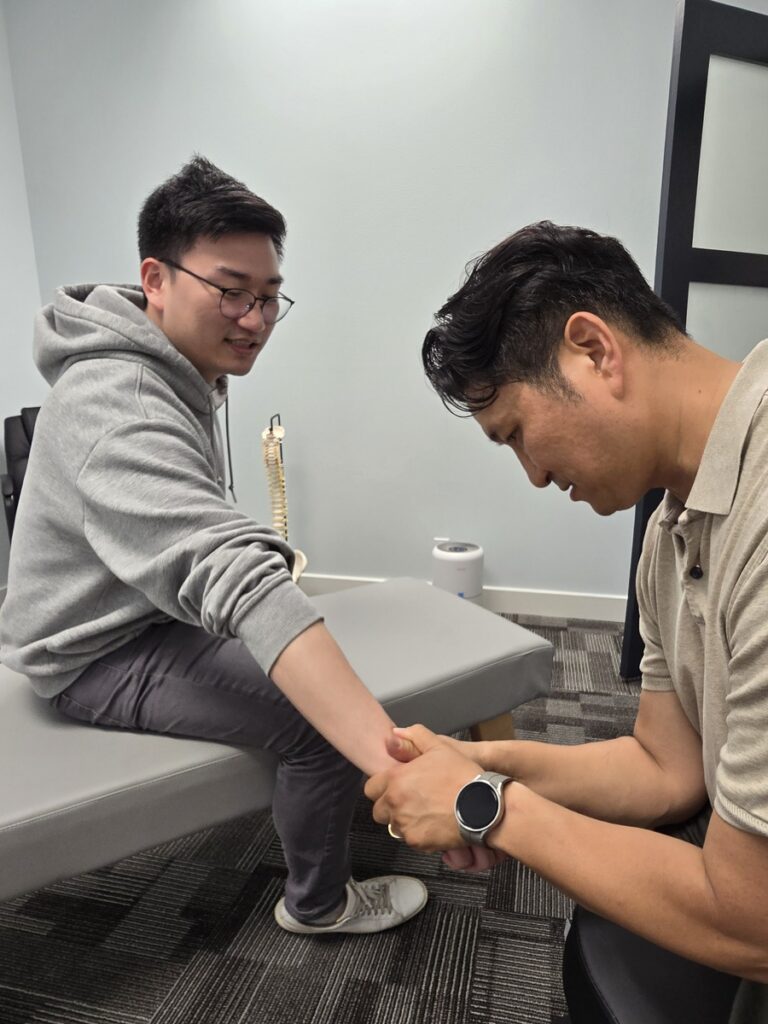

When you consider your health care options, have you thought about how personalized care might be the best choice for you? It's not just about tailored treatment plans; it's about enhancing your engagement and fostering a collaborative relationship with your provider. This approach can lead to improved health outcomes, but what really sets it apart? By examining the unique factors that influence your well-being, personalized care offers a thorough support system that empowers you. You might be surprised to learn how these elements can transform your health experience.
Enhanced Patient Engagement
Enhancing patient engagement is essential for improving health outcomes and fostering stronger patient-provider relationships. When you actively participate in your healthcare, you're more likely to understand your conditions, treatment options, and self-management strategies. This involvement not only empowers you but also encourages open communication with your healthcare team.
To effectively engage patients, providers often employ various techniques. You might encounter educational resources that explain your condition in simple, relatable terms. These resources help demystify complex medical jargon, making it easier for you to grasp what's happening with your health.
Additionally, using technology like patient portals allows you to access your medical records, schedule appointments, and message your providers, all at your convenience.
Moreover, involving you in decision-making processes is fundamental. When you contribute your preferences and values, you're more likely to stick to treatment plans that resonate with you. It's about creating a partnership where your voice matters.
Providers can also encourage feedback, inviting you to share your experiences and concerns to continually improve care quality.
Lastly, participating in support groups or community health initiatives can enhance your engagement. They offer a platform to connect with others facing similar health challenges, providing emotional support and shared insights.
Customized Treatment Plans
Customized treatment plans are vital for addressing your unique health needs and preferences. Unlike one-size-fits-all approaches, these plans consider your medical history, lifestyle, and personal goals. By collaborating closely with your healthcare provider, you can develop a strategy that truly reflects what works best for you.
When creating a customized treatment plan, your provider evaluates various factors, including your specific condition, any coexisting health issues, and even your emotional well-being. This thorough assessment guarantees that every aspect of your health is considered.
You're not just another patient; you're an individual with distinct needs, and your treatment should mirror that. Incorporating your preferences is another key element. Whether it's the type of medication you're comfortable with, the frequency of visits, or even alternative therapies you might want to explore, your input matters. This partnership empowers you, giving you the confidence to take control of your health journey.
Moreover, customized plans can adapt over time. Your health needs may change, and your treatment should evolve accordingly. Regular check-ins with your healthcare provider allow for ongoing adjustments, guaranteeing that the plan remains effective and relevant.
Improved Health Outcomes
When you engage in personalized care, you're more likely to experience improved health outcomes. This approach tailors treatment specifically to your unique needs, preferences, and circumstances. By focusing on you as an individual, healthcare providers can identify the most effective interventions and strategies, leading to better management of your health conditions.
Personalized care often includes thorough assessments that consider your medical history, lifestyle, and even genetic factors. This extensive understanding enables your healthcare team to create targeted treatment plans that resonate with your specific situation. As a result, you're more likely to adhere to recommendations, knowing they align with your personal goals and values.
Moreover, personalized care encourages proactive health management. You'll receive education and resources tailored to your lifestyle, empowering you to take charge of your health. When you're actively involved in your care, you're more likely to implement changes that lead to positive health outcomes, such as improved chronic disease management or better mental health.
Additionally, because personalized care fosters a collaborative relationship with your healthcare providers, you're more likely to communicate openly about your concerns and progress. This ongoing dialogue can lead to timely adjustments in your treatment plan, ensuring that it remains effective and relevant to your evolving needs.
In essence, when you choose personalized care, you're positioning yourself for enhanced health outcomes, enabling you to lead a healthier, more fulfilling life. Embracing this tailored approach can make all the difference in your overall well-being.
Building Trust and Relationships
Trust is the cornerstone of effective healthcare, and building strong relationships with your providers can greatly enhance your experience. When you feel comfortable with your healthcare team, you're more likely to communicate openly about your health concerns, symptoms, and treatment preferences. This open communication helps your providers tailor their approaches to meet your unique needs.
To foster trust, take the initiative to ask questions and express your thoughts during appointments. Don't hesitate to share your medical history, lifestyle habits, and any worries you may have. Your providers are there to listen and support you, and they can only do so if they've a complete understanding of your situation.
Remember, a good provider-patient relationship is built on mutual respect and understanding.
Also, consistency in your care can strengthen these relationships. When you see the same providers regularly, they become more familiar with your history and preferences. This familiarity creates a sense of partnership in your healthcare journey, making it easier for you to collaborate on treatment plans.
Additionally, look for providers who share your values and priorities. Whether it's a focus on holistic health, preventive care, or specific treatments, aligning your goals can deepen the trust between you and your providers.
Comprehensive Support Systems
Having a robust support system can greatly enhance your healthcare experience. When you seek personalized care, it's crucial to have a network that understands your specific needs and can help you navigate your healthcare journey. This support system can include family members, friends, healthcare professionals, and community resources. Each plays a significant role in ensuring you receive the best care possible.
For instance, family and friends can offer emotional support, helping you cope with stress or anxiety related to your health. They can accompany you to appointments, ensuring you have someone to discuss your concerns with.
Healthcare professionals, such as doctors, nurses, and therapists, can provide tailored advice and treatment options based on your unique circumstances. Their expertise is invaluable in guiding you through complex decisions.
Moreover, community resources such as support groups, educational workshops, and wellness programs can further empower you. Engaging with others who share similar experiences can foster a sense of belonging and reduce feelings of isolation. You can learn from their journeys, gaining insights that help shape your own path.
Ultimately, a thorough support system creates a safety net, allowing you to focus on your health without feeling overwhelmed. When you know you have people and resources to rely on, you're more likely to advocate for yourself and make informed decisions regarding your care.
Embrace the power of support to optimize your healthcare experience and achieve your health goals.
Conclusion
To sum up, personalized care truly stands out as the best choice for your health journey. By engaging you in the process, customizing treatment plans, and fostering trust with your providers, it paves the way for better health outcomes. You'll feel empowered to take charge of your well-being, knowing that your unique needs are being addressed. With thorough support systems in place, you're not just a patient; you're an active partner in your health.