
When you're dealing with back pain, it's easy to feel overwhelmed by the options available, especially when surgery seems like the quickest fix. But have you considered the benefits of non-invasive treatments? These methods not only target the underlying causes of your pain but also come with fewer risks and often lower costs. By exploring alternatives like physical therapy and acupuncture, you might find a path to long-lasting relief that aligns with your lifestyle. What could these choices mean for your overall well-being?
Understanding Back Pain
Back pain can strike anyone at any time, often leaving you feeling frustrated and restricted. You might be surprised to learn that back pain can result from various causes, including injuries, poor posture, or even stress. Understanding the underlying issues is vital for effective management and recovery.
When you experience back pain, it's important to identify its nature. Is it acute, meaning it started suddenly and might last a short time? Or is it chronic, persisting for weeks, months, or even longer? Acute pain often stems from a specific event, like lifting something heavy or an awkward fall. Chronic pain, however, may develop gradually and can be related to ongoing health issues or lifestyle factors.
Your daily habits also play a significant role in back pain. If you sit for long periods, lack exercise, or have poor sleeping positions, you might be increasing your risk. Stress can contribute too, as it often leads to muscle tension, especially in your back.
Additionally, you should consider any medical conditions you may have, such as arthritis or herniated discs, which can contribute to your discomfort.
Benefits of Non-Invasive Treatments
What if you could find relief from back pain without resorting to invasive procedures? Non-invasive treatments offer a variety of benefits that can greatly enhance your quality of life.
First and foremost, these methods typically involve less risk than surgical options. You won't have to worry about complications or prolonged recovery times, allowing you to get back to your daily activities more quickly.
Moreover, non-invasive treatments often focus on addressing the root causes of your pain rather than just masking the symptoms. This holistic approach can lead to more sustainable relief, helping you regain strength and flexibility over time. You might even find yourself more engaged in your overall health and wellness, as many non-invasive options encourage lifestyle changes that promote long-term well-being.
Cost is another factor where non-invasive treatments shine. They usually require fewer resources and less downtime, which can lead to considerable savings. You won't have to deal with the financial burden associated with surgery and its aftermath.
Furthermore, many non-invasive options are customizable to fit your specific needs. Whether you prefer physical therapy, acupuncture, or chiropractic care, you can work closely with professionals to create a treatment plan that suits your lifestyle and preferences.
In short, non-invasive treatments provide a safer, more holistic, and often more cost-effective way to tackle back pain, empowering you to take control of your health and live life to the fullest.
Common Non-Invasive Options
Finding the right non-invasive options for back pain can make a significant difference in your recovery journey.
You've got several choices that can help alleviate discomfort without resorting to surgery or heavy medications. Exploring these options can empower you to take control of your health and well-being.
Here are some common non-invasive options you might consider:
- Physical Therapy: Working with a trained therapist can help you strengthen your back and improve flexibility. They'll guide you through exercises specifically designed to target your pain points.
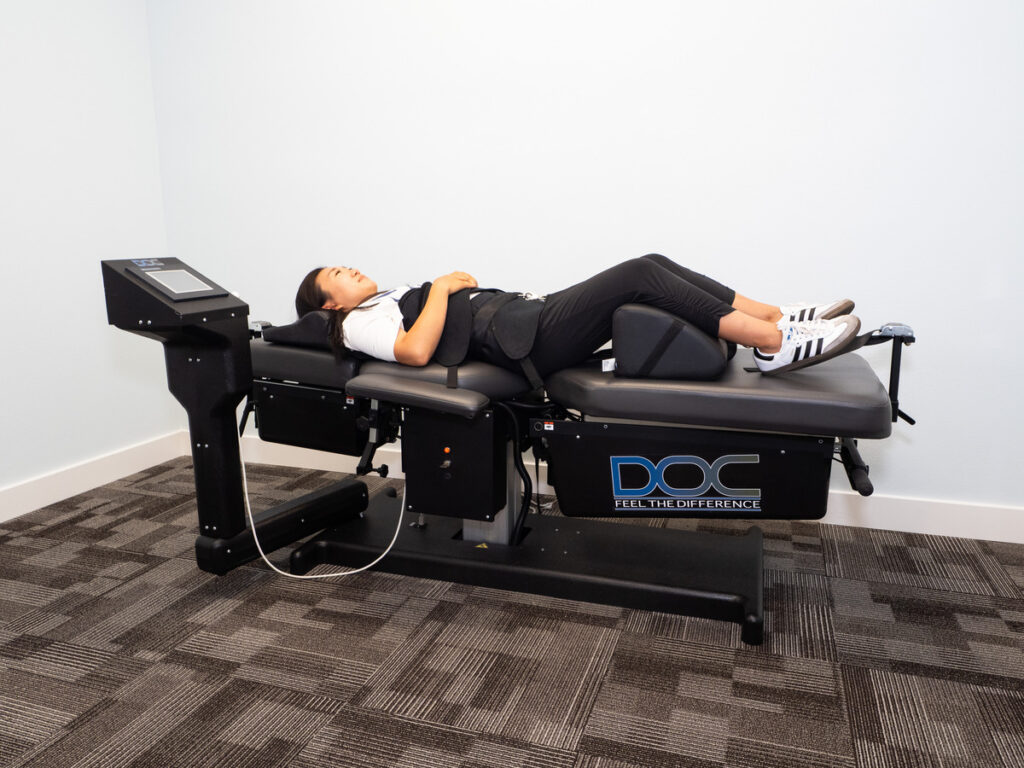
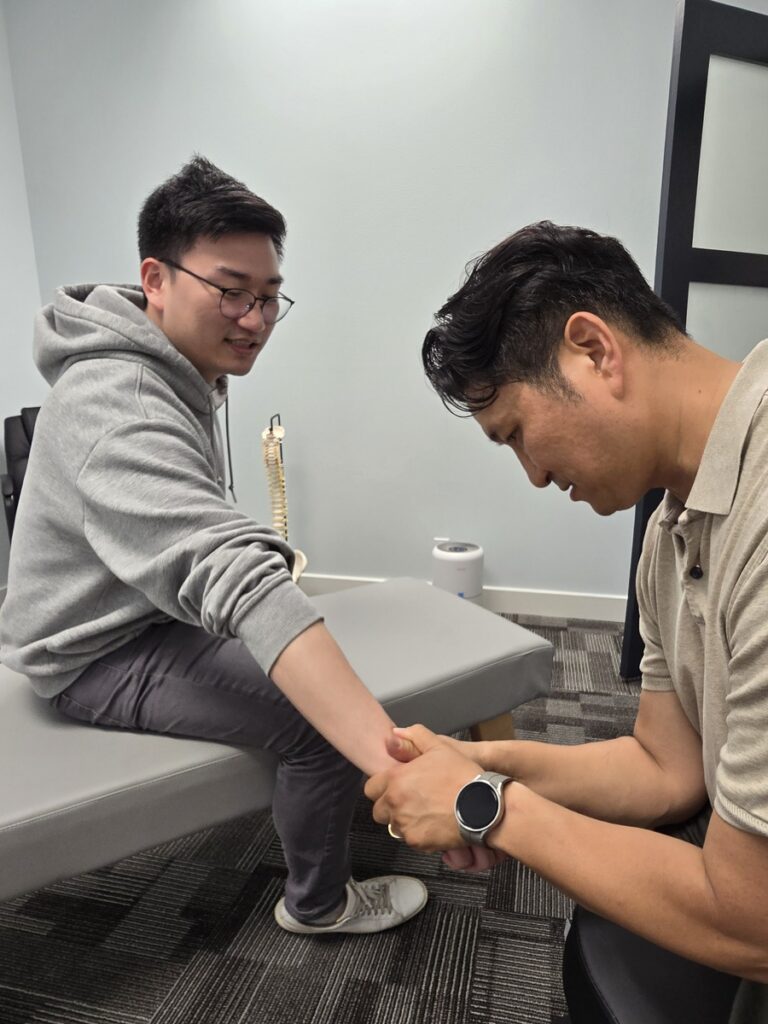
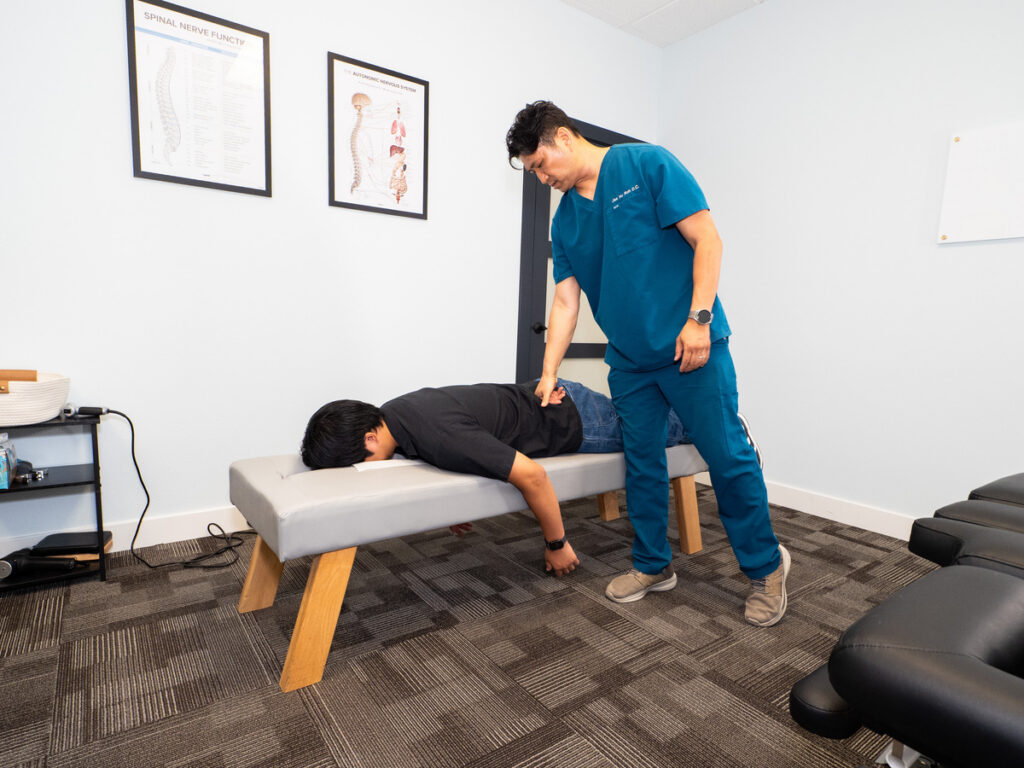
- Chiropractic Care: Chiropractors use manipulation and adjustments to align your spine properly. Many people find relief from back pain through regular chiropractic visits, as it can enhance mobility and reduce tension.
- Acupuncture: This ancient practice involves inserting thin needles into specific points on your body. Many individuals report decreased pain and improved function after treatment, due to acupuncture's ability to stimulate the body's natural healing processes.
Addressing Root Causes
Identifying and addressing the root causes of your back pain is vital for achieving long-term relief. Too often, people treat only the symptoms, which can lead to temporary solutions and ongoing discomfort. Instead, you should dig deeper to understand what's really triggering your pain.
Start by evaluating your daily habits. Are you sitting for long hours without proper support? Poor posture can strain your back over time. Consider incorporating ergonomic furniture and taking breaks to stretch during your workday.
Additionally, assess your physical activity levels. Lack of exercise can weaken your core muscles, which play an important role in supporting your spine. Regular strength training and flexibility exercises can help bolster these muscles and alleviate pain.
Next, think about your mental and emotional well-being. Stress and anxiety can manifest physically, contributing to muscle tension and discomfort. Practices such as mindfulness, yoga, or meditation can help you manage stress and promote relaxation.
Lastly, don't overlook your sleep environment. A mattress that doesn't support your body properly can lead to misalignment and pain. Investing in a quality mattress and using the right pillows can make a significant difference in how you feel each morning.
When to Seek Professional Help
Often, knowing when to seek professional help for back pain can be just as important as managing the pain itself. You might feel tempted to push through discomfort, but there are specific signs that indicate it's time to consult a healthcare professional. Ignoring these signs can lead to more severe issues down the road.
Consider reaching out for help if you experience any of the following:
- Persistent Pain: If your back pain lasts longer than a few weeks without improvement, it's wise to get a professional opinion.
- Numbness or Tingling: Experiencing numbness, tingling, or weakness in your legs can signal nerve involvement, which requires immediate attention.
- Loss of Bladder or Bowel Control: This is a medical emergency and should prompt an immediate visit to a healthcare provider.
When you decide to seek professional help, a doctor or specialist can assess your situation more accurately. They may recommend imaging tests or a specific treatment plan tailored to your needs.
Early intervention often leads to better outcomes, potentially preventing further complications or chronic pain.
Conclusion
In choosing non-invasive options for back pain, you're prioritizing your long-term health and well-being. These treatments not only target the root causes but also offer a safer, more cost-effective approach to relief. By exploring options like physical therapy, chiropractic care, and acupuncture, you're setting yourself up for sustainable recovery. Remember, addressing back pain holistically can enhance your quality of life, so don't hesitate to seek professional help when needed. Your back deserves it!