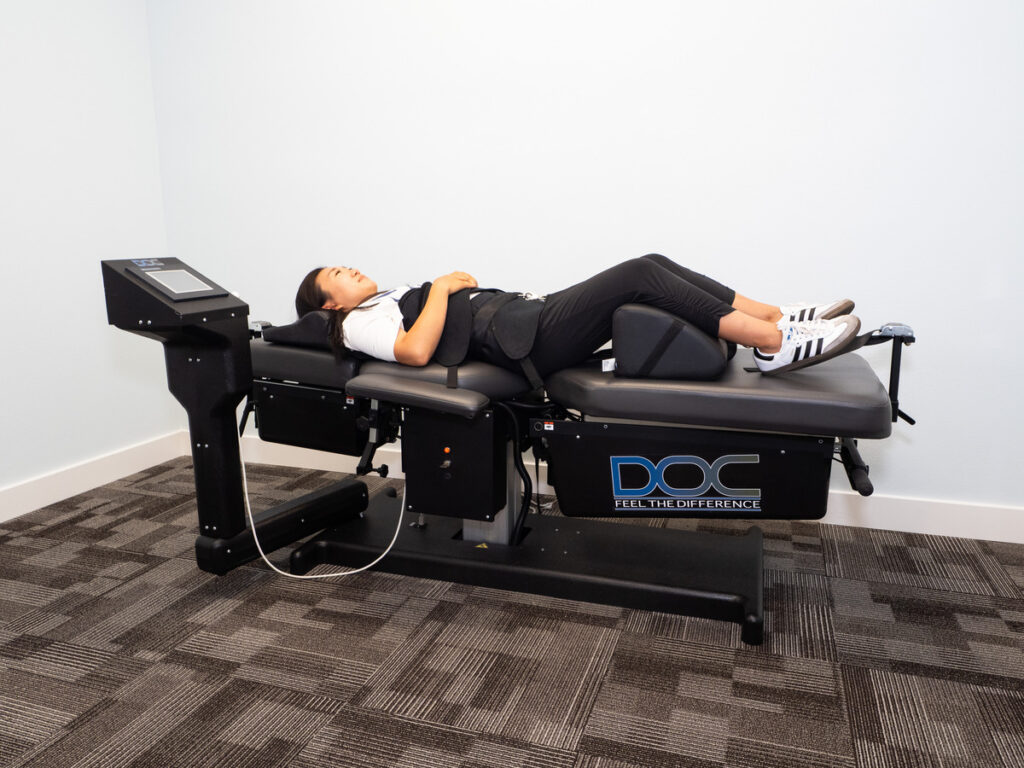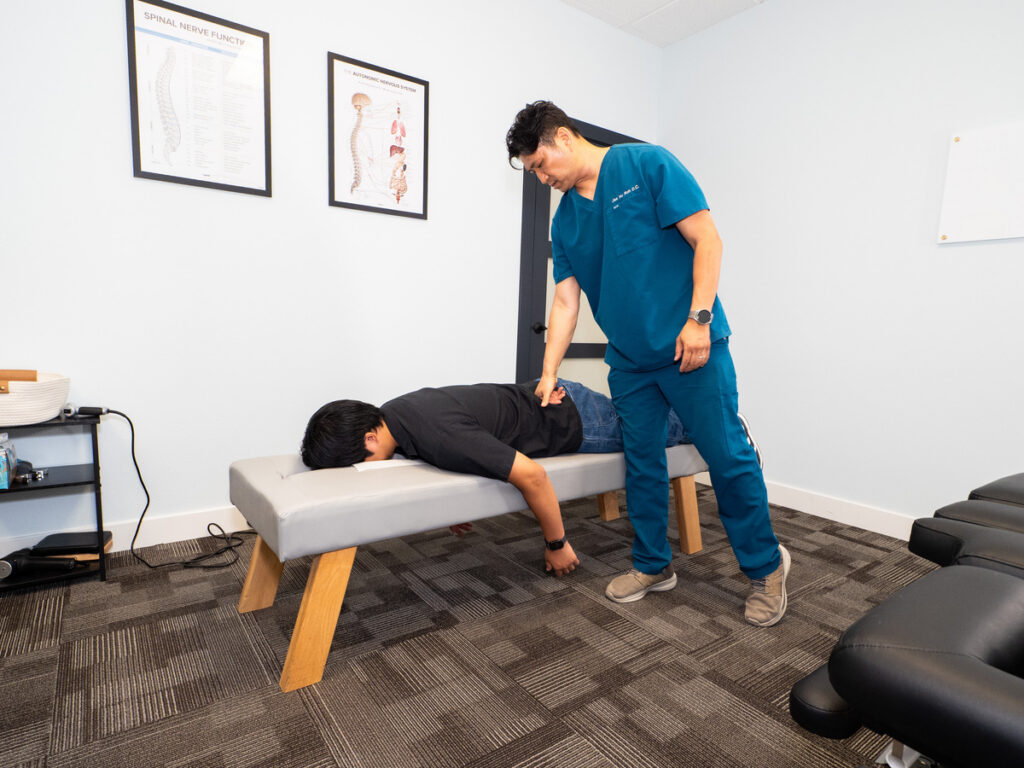

As a local chiropractor, I want to emphasize how crucial your posture is in managing and treating back pain. Many people may not realize that poor spinal alignment can lead to muscle imbalances and increased pressure on your spinal discs, which can intensify discomfort. By understanding the relationship between posture and pain, you can make simple yet effective adjustments to improve your overall well-being.
Here are a few specific changes you can incorporate into your daily routine to help alleviate pain:
- Ergonomic Workstation: Ensure your desk, chair, and computer screen are set up to promote good posture. Your feet should be flat on the floor, and your monitor should be at eye level.
- Mindful Sitting: When seated, keep your back straight and shoulders relaxed. Avoid slumping or leaning forward.
- Regular Breaks: Take frequent breaks to stand, stretch, and walk around. This can help reduce stiffness and improve circulation.
- Strengthening Exercises: Incorporate exercises that strengthen your core muscles, as a strong core supports your spine and helps maintain proper alignment.
- Mind-Body Awareness: Practice mindfulness or yoga to enhance your awareness of your body and posture throughout the day.
By making these adjustments, you may be surprised at how much relief you can find from your back pain. If you’d like personalized guidance or treatment, don’t hesitate to reach out. Together, we can work towards a healthier, pain-free life!
The Anatomy of Posture and the Spine
When we discuss posture, it’s important to recognize the vital role your spine plays in supporting it. Your spine is much more than just a series of bones; it’s a sophisticated structure that’s foundational to your overall well-being. Comprising 33 vertebrae, your spine works in unison to provide both stability and flexibility for your body.
Each of these vertebrae is separated by intervertebral discs, which serve as cushions to facilitate smooth movement and absorb shock. The natural curves of your spine—cervical, thoracic, and lumbar—are crucial for properly distributing weight throughout your body. These curves help maintain your balance and ensure that your head, shoulders, and hips are aligned.
Every time you stand, sit, or move, your spine engages the surrounding muscles, ligaments, and tendons to support healthy posture. As a chiropractor, I focus on the health of your spine because it affects not just your posture but your entire body.
How Poor Posture Contributes to Back Pain
As a local chiropractor, I want to help you understand how poor posture can significantly impact your back health and lead to discomfort. Many people may not realize that the way we sit, stand, or move can put unnecessary strain on our spines and the muscles surrounding them.
Here are three key ways that poor posture can contribute to back pain:
- Increased Pressure on Spinal Discs: When you slouch or hunch over, it compresses the discs in your spine. This added pressure can make these discs more susceptible to injury and pain, leading to discomfort that can affect your daily activities.
- Muscle Fatigue: Maintaining poor alignment forces certain muscles to work overtime. This can lead to fatigue and strain, resulting in soreness and discomfort in your back. Over time, this can contribute to chronic pain if not addressed.
- Nerve Compression: Incorrect posture can cause nerves in your back to become pinched. This can lead to a range of symptoms, including pain, tingling, or numbness that can radiate to other areas of your body.
By focusing on improving your posture, you can alleviate some of the stress on your spine and muscles.
In our chiropractic practice, we offer natural healing techniques and personalized care plans to help you regain proper alignment and improve your overall well-being. If you’re experiencing back pain, let’s work together to find the best solution for you.
The Role of Muscle Imbalance in Postural Issues
As a local chiropractor, I want to share some insights about how muscle imbalances can significantly impact your posture and contribute to back pain. When certain muscle groups in your body become stronger or tighter than their opposing muscles, this can lead to misalignment.
For example, if your chest muscles are tight while your upper back muscles are weak, this imbalance can cause your shoulders to round forward. This poor posture can create additional tension in your neck and back.
Such misalignments put extra strain on your spine and the surrounding muscles, making you more vulnerable to discomfort and potential injuries. That’s why it’s crucial to address these muscle imbalances as part of your back pain treatment.
Incorporating specific strengthening and stretching exercises into your daily routine can help restore balance and improve your posture. By focusing on these aspects, you not only ease the strain on your back but also set yourself up for long-term relief from back pain.
Understanding and correcting muscle imbalances is essential in achieving optimal health and wellness. If you’re experiencing back pain, I encourage you to explore these solutions with me, as we work together towards your recovery and overall well-being.
Common Postural Mistakes to Avoid
As a local chiropractor, I often encounter patients who may not realize that simple postural mistakes can lead to significant discomfort over time.
By understanding and correcting these common errors, you can greatly enhance your overall well-being.
1. Slouching: Many people tend to slouch at their desks or while sitting, which can place undue strain on your spine.
It’s crucial to maintain a straight back and keep your shoulders back. This adjustment can alleviate pressure on your spine and help prevent pain.
2. Forward Head Posture: I frequently see patients with forward head posture, especially those who spend a lot of time on their phones or computers.
This posture can lead to neck pain and discomfort. To protect your neck and maintain balance, aim to keep your head aligned with your spine.
3. Crossed Legs: Sitting with crossed legs might feel comfortable, but it can create imbalances in your hips and lower back.
Instead, I recommend planting both feet flat on the ground. This simple adjustment promotes a more stable posture and can help prevent future issues.
By being mindful of these postural habits and making conscious changes, you can greatly improve your spinal health and overall quality of life.
If you’re experiencing discomfort, don’t hesitate to reach out for guidance on how chiropractic care can support your journey to better posture and wellness.
The Connection Between Posture and Nerve Function
As a local chiropractor, I want to emphasize the critical connection between good posture and optimal nerve function in your body. When you maintain proper alignment while sitting or standing, it helps keep your spine aligned, which reduces pressure on the nerves that leave the spinal column. This alignment is essential because it allows signals from your brain to travel freely to your limbs and organs, ensuring that your body functions at its best.
Conversely, poor posture can result in nerve compression or irritation, which may lead to pain, numbness, or weakness in certain areas of your body. For instance, if you tend to slouch, you might compress the nerves in your neck, causing discomfort that can radiate down your arms.
By prioritizing good posture, you not only support your spine but also improve circulation, ensuring that your nerves receive the vital oxygen and nutrients they need to function properly.
Being mindful of your posture can promote better nerve function and significantly reduce the risk of experiencing pain or discomfort. Remember, making small adjustments to your posture can lead to substantial improvements in your overall well-being.
Let’s work together to help you achieve and maintain a healthier posture for a healthier life!
Strategies for Improving Posture
As a local chiropractor, I want to share with you some fundamental strategies for improving your posture, a vital aspect of overall health and well-being.
Many people are unaware that adopting good posture can significantly reduce back pain and enhance your quality of life. Here are some simple yet effective techniques to incorporate into your daily routine:
1. Stay Aware of Your Posture: It’s essential to routinely check in on your posture. I encourage my patients to set reminders on their phones to take a moment to adjust their stance and sit up straight.
Being mindful of how you hold your body throughout the day can make a significant difference.
2. Strengthen Your Core: A strong core is the foundation of good posture. Engaging in exercises that target your abdominal and back muscles can provide the support your spine needs.
When your core is strong, you’re better equipped to maintain a healthy posture naturally.
3. Choose Supportive Seating: The chair you sit in can have a profound impact on your posture. I recommend selecting ergonomic chairs that offer proper support for your lower back, which encourages you to sit upright comfortably.
This simple change can help alleviate strain on your spine over time.
Incorporating these strategies into your daily life can lead to better posture and reduce discomfort.
As always, if you’re experiencing persistent issues, I encourage you to seek professional advice to explore natural healing options tailored to your needs.
The Importance of Ergonomics in Daily Life
As a chiropractor, I want to emphasize the significant impact your workspace setup can have on your productivity and overall health.
Many people are unaware that prioritizing ergonomics isn’t just about comfort; it’s essential for supporting your body and preventing strain.
By investing time and effort into creating an ergonomic workspace, you can enhance your well-being and protect your back in the long run.
Remember, a proper setup today can lead to healthier habits and reduce the risk of discomfort and pain in the future.
Let’s work together to ensure your environment supports your natural healing and helps you thrive.
Proper Workspace Setup
As a local chiropractor, I want to emphasize how crucial your workspace setup is for your spinal health and overall well-being. Many individuals overlook the significant impact their environment has on their bodies, particularly when it comes to preventing back pain.
By making a few simple adjustments to your workstation, you can greatly enhance your daily comfort and health. Here are three essential elements to consider for a proper workspace setup:
- Chair Height: It’s important to adjust your chair so that your feet are flat on the floor and your knees are positioned at or slightly below hip level. This alignment helps maintain the natural curve of your spine and can prevent discomfort.
- Monitor Position: Position your computer screen at eye level and approximately an arm’s length away. This setup helps to avoid straining your neck and promotes good posture, reducing the risk of tension and pain.
- Keyboard and Mouse: Keep your keyboard and mouse at elbow height and close to your body. This positioning allows your arms to remain relaxed and reduces the likelihood of developing repetitive strain injuries.
By implementing these ergonomic changes, you can significantly improve your comfort and support your overall health throughout your day.
Impact on Productivity
As a local chiropractor, I often see how much your workspace can influence your productivity, and it’s more important than you may realize. When your chair, desk, and computer setup support good posture, it can significantly enhance your ability to concentrate and work efficiently.
On the other hand, if you’re slouched or straining to see your screen, it can lead to distractions and fatigue.
Chiropractic care goes beyond just alleviating pain; it’s about creating an environment that encourages focus and creativity. When your body is properly aligned and supported, you’re less likely to experience discomfort that disrupts your workflow.
Simple changes, such as adjusting the height of your monitor or investing in a supportive chair, can yield substantial benefits for both your comfort and productivity.
By prioritizing ergonomics in your workspace, you’re not just improving your comfort—you’re also making a proactive investment in your overall productivity and well-being.
Remember, a well-aligned body can lead to a more productive mind, allowing you to perform at your best every single day.
If you’re interested in learning more about how chiropractic care can benefit your workspace and overall health, feel free to reach out!
Long-Term Health Benefits
As your local chiropractor, I want to emphasize the importance of creating a workspace that supports good posture—not only to enhance your productivity but also to nurture your long-term health.
When you make ergonomics a priority in your daily routine, you pave the way for significant health benefits. Here are three essential advantages to consider:
- Reduced Risk of Injury: Maintaining proper posture is crucial for minimizing strain on your muscles and joints. This simple adjustment can significantly lower your chances of developing chronic pain and injuries, allowing you to lead a more active lifestyle.
- Improved Circulation: Good posture is key to promoting healthy blood flow throughout your body. This not only helps your body function optimally but can also boost your energy levels, making daily tasks feel less daunting.
- Enhanced Mental Clarity: When you sit correctly, you improve your focus and cognitive function. This can lead to better decision-making and efficiency in your work.
By investing time and effort into improving your posture today, you’re setting yourself up for a healthier, more productive tomorrow.
As your chiropractor, I’m here to guide you on this journey towards better health through natural healing practices.
Posture Correction Techniques for Pain Relief
As a local chiropractor, I want to emphasize the importance of posture correction for alleviating back pain. Many people are unaware that simple adjustments in how you sit, stand, and move can greatly impact your overall well-being.
To begin, I recommend creating an ergonomic workspace that supports your spine’s natural alignment. This means ensuring your chair, desk, and computer are set up in a way that promotes good posture.
In addition to this, incorporating stretching and strengthening exercises into your daily routine can significantly improve your posture and reduce discomfort. These exercises help to build the muscles that support your spine and enhance flexibility.
Lastly, practicing mindful movement throughout your day can make a world of difference. This involves being aware of your body’s alignment and making conscious choices to maintain good posture, whether you’re walking, lifting, or even just sitting.
By integrating these techniques into your lifestyle, you can experience substantial relief from back pain and improve your overall health.
As your chiropractor, I’m here to guide you on this journey to better posture and pain relief through natural healing methods.
Ergonomic Workspace Setup
As a chiropractor, I often see patients suffering from back pain and poor posture due to long hours spent at desks.
An ergonomic workspace setup is essential for alleviating discomfort and promoting better alignment of your spine. Here are some important tips to help you create a healthier work environment:
- Chair Height: It’s crucial to adjust your chair so that your feet rest flat on the floor, with your knees forming a 90-degree angle. This position helps maintain proper spinal alignment and reduces strain on your lower back.
- Monitor Position: Position your computer monitor at eye level and about an arm’s length away. This alignment prevents unnecessary neck strain and encourages a more natural posture while working.
- Keyboard and Mouse: Ensure that your keyboard and mouse are close enough to your body so that your elbows can remain at your sides. This positioning allows your arms to rest comfortably and minimizes tension in your shoulders and wrists.
By following these ergonomic guidelines, you can create a workspace that supports your health and well-being, reducing the risk of pain and discomfort over time.
Stretching and Strengthening Exercises
As your chiropractor, I want to emphasize the significance of incorporating stretching and strengthening exercises into your daily routine, even if you have an ergonomic workspace.
While a well-designed workspace is beneficial, it’s essential to further enhance your posture and alleviate back pain through these exercises.
Stretching plays a vital role in maintaining flexibility in your muscles and joints, which can help reduce tension that often leads to discomfort.
I recommend focusing on stretches that specifically target your back, hips, and shoulders, as these are the areas that frequently experience strain from poor posture.
Strengthening exercises are equally important. They help build the core and back muscles that provide support to your spine.
Effective exercises like planks, bridges, and rows can significantly improve your muscular endurance and stability.
I encourage you to create a balanced routine that includes both stretching and strengthening exercises.
By committing to these practices regularly, not only can you relieve current pain, but you can also prevent future discomfort and cultivate a healthier posture overall.
Mindful Movement Practices
As your local chiropractor, I want to share some valuable insights about how mindful movement practices can significantly improve your posture and help alleviate pain.
While stretching and strengthening exercises are vital components of your wellness routine, incorporating mindful movement can take your healing journey to the next level. These practices foster a deeper awareness of your body, leading to better alignment and reduced tension.
Here are three techniques I recommend for you to consider:
- Yoga: This practice offers a variety of poses designed to open your hips and strengthen your core. By focusing on proper alignment during each pose, you can enhance your overall posture and support your spine’s health.
- Tai Chi: Engaging in Tai Chi involves slow, deliberate movements that not only improve your balance and flexibility but also encourage a state of relaxation and mindfulness. This can be particularly beneficial for reducing stress and tension in your body.
- Pilates: This method emphasizes core stability and controlled movements, which are essential for reinforcing proper posture and body mechanics. By strengthening your core, you can help alleviate strain on your spine and surrounding muscles.
Integrating these mindful movement practices into your routine can complement the chiropractic care you receive and support your overall well-being.
If you have any questions or would like guidance on how to get started, feel free to reach out during your next visit!
The Impact of Technology on Posture
As a local chiropractor, I want to share with you how technology, while incredibly beneficial, can negatively impact your posture and overall well-being. Many of us spend countless hours hunched over our screens—be it a computer, tablet, or smartphone. This extended screen time often leads to poor postural habits, such as slouched shoulders and a forward head position, which can put significant strain on your neck and back.
When you’re focused on your devices, it’s easy to overlook how your body is positioned. The convenience that technology offers can encourage behaviors that lead to muscle imbalances and discomfort. You might start to notice tightness in your back or stiffness after long stretches of use, which are signs that your posture needs attention.
To combat these issues, I recommend taking regular breaks to stand, stretch, and realign your body. It’s also important to adjust your workstation to support better posture. Simple modifications, like using an ergonomic chair or positioning your screen at eye level, can make a significant difference in how you feel.
As your chiropractor, I emphasize the importance of being mindful of your posture while using technology. By doing so, you can help reduce your risk of experiencing back pain and enhance your overall comfort.
Long-term Benefits of Maintaining Good Posture
As a local chiropractor, I want to share with you the long-term benefits of maintaining good posture, as it plays a crucial role in your overall health and well-being.
By paying attention to your posture, you can experience significant improvements in your quality of life. Here are three essential advantages:
1. Reduced Pain: Maintaining proper posture minimizes unnecessary strain on your muscles and joints. This can lead to less discomfort and a decreased risk of developing chronic pain conditions.
By aligning your body correctly, you can help prevent issues that often bring patients to my office.
2. Increased Energy: When your body is properly aligned, it operates more efficiently. This means you’ll experience higher energy levels throughout the day, allowing you to engage more fully in your daily activities without the burden of fatigue.
3. Boosted Confidence: Good posture not only affects how you feel physically, but it also impacts your mental state. Standing tall can enhance your self-esteem and positively influence how others perceive you.
This newfound confidence can be incredibly beneficial in both social and professional environments.
By incorporating good posture into your daily routine, you can foster a healthier, more vibrant lifestyle.
If you have any questions or would like to learn more about how chiropractic care can support your journey to better posture, feel free to reach out!