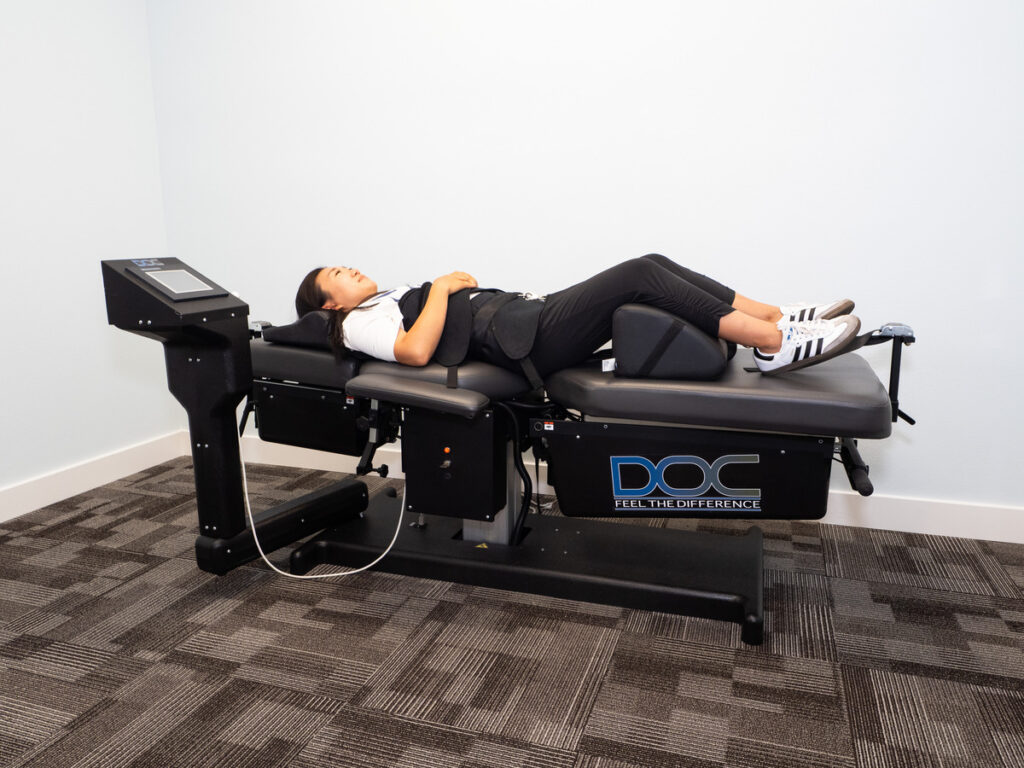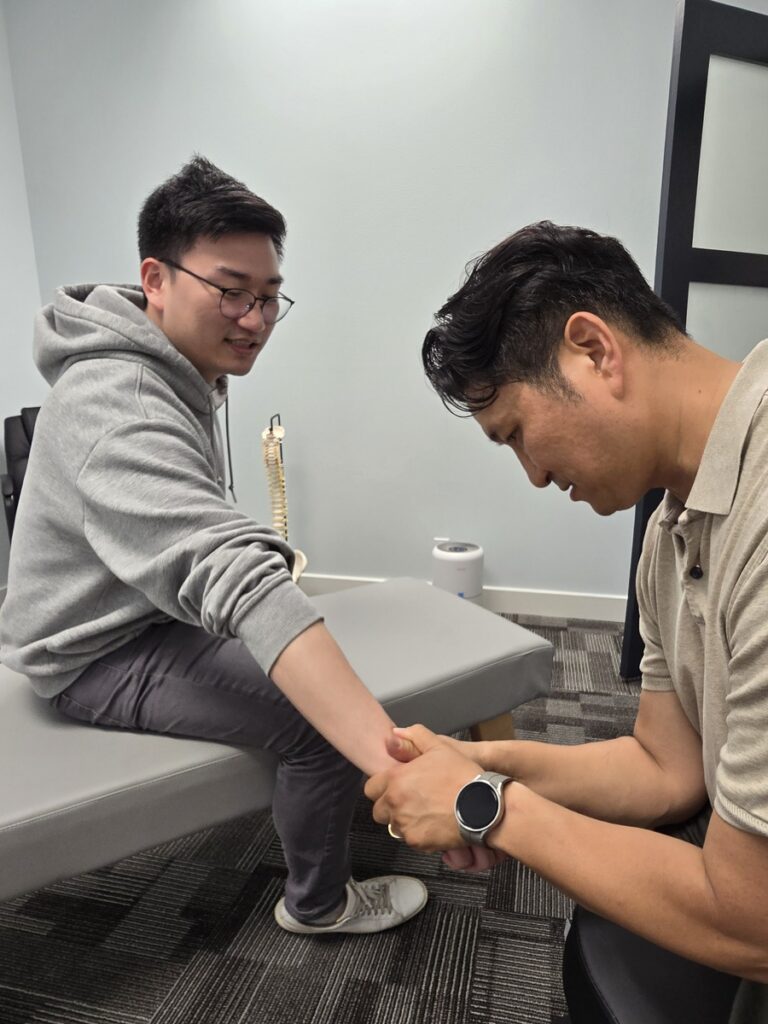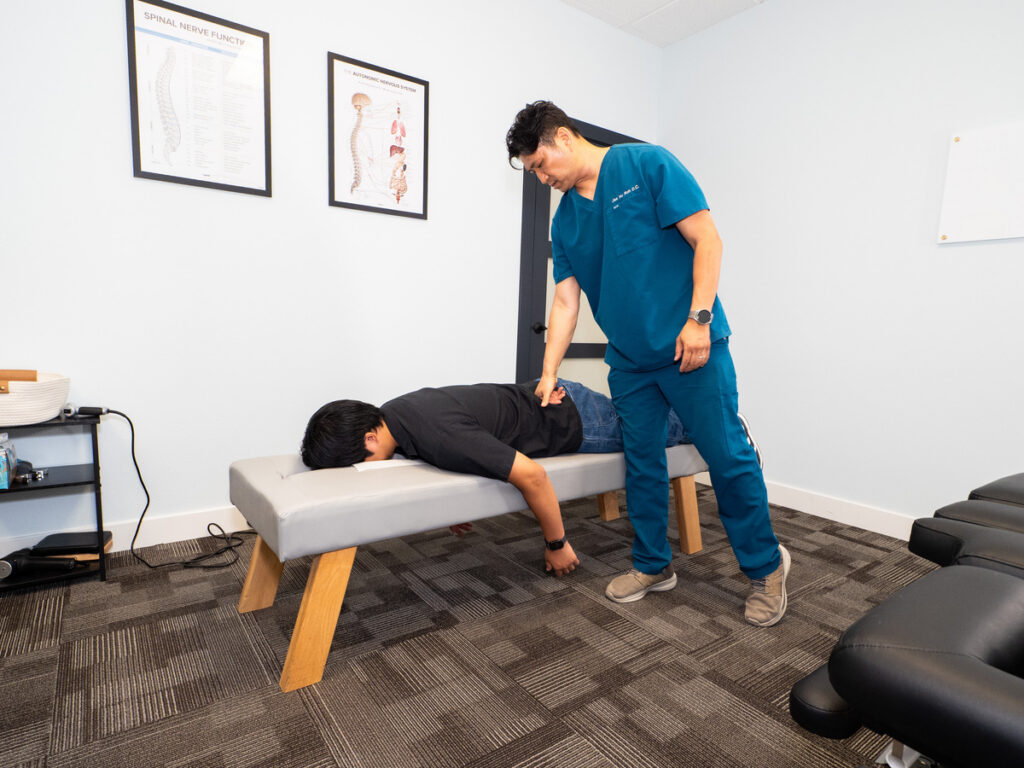

When it comes to back pain, you probably know that a one-size-fits-all solution rarely works. Personalized back pain plans matter because they focus on your unique circumstances, addressing specific triggers that might be overlooked in a generic approach. By tailoring strategies to your needs, you can enhance your recovery and overall well-being. But what exactly makes these customized plans so effective, and how can they empower you in your journey toward pain relief? Understanding these elements could change your perspective on back pain management.
Understanding Back Pain
Back pain affects millions of people, and understanding its causes is essential for finding relief. You might experience back pain due to various factors, including poor posture, muscle strains, or underlying medical conditions. Recognizing these triggers can empower you to take proactive steps in managing your pain.
One common cause is muscle strain, often resulting from lifting heavy objects or sudden awkward movements. If you've ever felt a sharp pain after a long day at work, it's likely due to overexertion or improper lifting techniques.
In contrast, issues like herniated discs can arise from age-related wear and tear, leading to chronic pain. Knowing the difference between acute and chronic back pain helps you identify when to seek professional help.
Another significant factor is your lifestyle. Sedentary habits can weaken your core muscles, making your back more susceptible to injury. Incorporating regular exercise and stretching into your routine can alleviate some of that pressure.
Additionally, being mindful of your posture while sitting or standing can greatly reduce strain on your back.
Lastly, emotional stress can play a hidden role in back pain. Stress can lead to muscle tension, which exacerbates discomfort.
Limitations of Generic Plans
Generic back pain plans often fall short because they treat everyone the same, ignoring your specific needs.
Your pain might stem from unique sources that a one-size-fits-all approach can't address, leading to ineffective treatments.
It's essential to recognize that what works for someone else mightn't work for you.
One-Size-Fits-All Challenges
When dealing with back pain, relying on a one-size-fits-all approach can often lead to frustration and inadequate relief. Generic plans mightn't address the specific needs of your body, which can leave you feeling stuck in a cycle of discomfort.
Here are some challenges you might face with such plans:
- Limited effectiveness: Generic treatments may not target your unique pain points or underlying issues, resulting in minimal improvement.
- Wasted time and resources: You could end up spending money on treatments that don't work for you, which can be both frustrating and costly.
- Increased risk of injury: Using a one-size-fits-all plan might lead you to perform exercises or stretches that aren't suitable for your body, potentially worsening your condition.
These challenges make it clear that a personalized approach is essential.
By recognizing your individual circumstances and crafting a tailored plan, you can effectively address your specific pain sources and achieve lasting relief.
Don't let a generic solution hold you back—invest in a customized strategy that truly fits your needs. Your back deserves better!
Unique Pain Sources
Identifying the unique sources of your pain is essential for effective treatment. When you experience back pain, it can stem from various factors, such as muscle strain, herniated discs, or even underlying conditions like arthritis. A generic treatment plan often overlooks these specific issues, leaving you frustrated and in discomfort.
Generic approaches might recommend the same exercises or pain relief methods for everyone, but your body is different. What works for someone else may not address your specific pain source. For instance, if your pain is due to poor posture, a generic plan that emphasizes core strengthening may not be enough. You need targeted interventions.
Additionally, emotional and psychological factors can contribute to your pain. A one-size-fits-all plan won't consider your individual stress levels or mental health, which can greatly affect recovery.
By pinpointing the exact causes of your discomfort, you can develop a more effective, personalized plan that fits your needs. Ultimately, recognizing these unique pain sources empowers you to seek the right treatment, ensuring a more efficient and lasting recovery.
Don't settle for generic solutions; focus on what makes your pain unique.
Varying Treatment Responses
How can a one-size-fits-all approach truly address your unique back pain? The reality is, it often can't. Each person's body and experience with pain are different, which means generic treatment plans may fall short. Not only can these plans overlook specific issues, but they can also lead to frustration when they don't provide relief.
Consider the following limitations of generic plans:
- Lack of Personalization: Generic treatments don't account for your unique medical history, lifestyle, or pain triggers.
- Ineffective Solutions: What works for someone else mightn't work for you, leading to wasted time and resources.
- Delayed Recovery: Sticking to a standard plan can prolong your pain and hinder your healing journey.
When you rely on a personalized approach, you can address your individual pain sources more effectively. Tailored treatment plans take into account your specific circumstances and preferences, ensuring the methods resonate with your body.
Benefits of Personalization
Personalized back pain plans offer numerous advantages that greatly enhance your recovery journey. By tailoring a plan specifically for you, it addresses your unique symptoms, lifestyle, and goals. This targeted approach means you're more likely to experience relief, as the strategies employed are designed to work effectively for your individual situation.
One of the standout benefits of personalization is increased motivation. When a plan resonates with your specific needs and preferences, you're more likely to stick to it. You'll feel empowered, knowing that the steps you're taking are truly geared toward your recovery. This sense of ownership can profoundly boost your commitment.
Moreover, personalized plans often lead to faster and more sustainable results. Instead of a one-size-fits-all solution, which may not adequately address your pain, a customized approach allows for adjustments based on your progress. If something isn't working, you can easily modify your plan, ensuring you stay on the path to recovery.
Additionally, personalized plans take into account your daily routines and activities. This means you can integrate pain management strategies into your life seamlessly, reducing disruptions and making it easier to maintain your normal activities.
Ultimately, by focusing on your individual needs and circumstances, personalized back pain plans help enhance your overall quality of life.
Factors Influencing Back Pain
Your back pain isn't just a random occurrence; it's shaped by various factors in your life.
Lifestyle choices, genetics, and environmental stressors can all play a significant role in how you experience pain.
Understanding these influences is essential for creating an effective, personalized back pain plan.
Lifestyle Choices Impacting Pain
Many lifestyle choices greatly impact back pain, influencing both its severity and frequency. You mightn't realize how everyday habits can contribute to discomfort. By making small adjustments, you can greatly alleviate your pain.
Here are three key lifestyle factors that can influence your back pain:
- Exercise Routine: Engaging in regular physical activity strengthens your muscles and improves flexibility. However, overdoing it or performing the wrong exercises can worsen your pain.
- Posture: Whether you're sitting at a desk or lifting heavy objects, maintaining proper posture is essential. Poor posture can strain your back and lead to chronic pain.
- Diet and Hydration: What you eat can affect your body's overall health. A balanced diet rich in anti-inflammatory foods can help reduce pain. Staying hydrated also supports spinal health.
Genetic Predisposition to Issues
While lifestyle choices play a significant role in managing back pain, genetic factors can also contribute to your susceptibility to these issues. You might inherit certain traits or conditions from your family that increase your risk for back pain.
For instance, genetic predispositions can affect your spine's structure, muscle strength, and even how your body responds to injury. If you have a family history of conditions like herniated discs or degenerative disc disease, you may be more likely to experience similar issues.
Additionally, variations in genes related to pain perception can influence how you feel discomfort, making some people more sensitive to back pain than others.
Understanding your genetic background can help you take proactive steps in managing your back pain. This knowledge allows you to tailor your treatment plan, focusing on exercises and therapies that align with your body's unique needs.
You might also discuss your family history with healthcare providers to explore preventive measures or interventions that could benefit you. By acknowledging and addressing your genetic predispositions, you can take control of your back health and work towards effective pain management strategies.
Environmental Stressors and Effects
Environmental stressors can considerably impact back pain, often exacerbating existing conditions or contributing to new issues.
You mightn't realize how your surroundings play a role in your discomfort, but factors like your work environment, daily habits, and even the climate can influence your back health.
Consider these common environmental stressors:
- Poor Ergonomics: Sitting at a desk for long hours without proper support can lead to chronic back pain.
- High Stress Levels: Emotional stress can lead to muscle tension in your back, making pain feel more intense.
- Inadequate Sleep: A poor sleeping environment or mattress can hinder your recovery and worsen back pain.
Customized Treatment Options
When it comes to managing back pain, customized treatment options can make all the difference in your recovery journey. You're unique, and so are your pain triggers, lifestyle, and overall health. That's why a one-size-fits-all approach often falls short. Tailoring your treatment plan means addressing your specific needs and circumstances, which can lead to more effective relief.
First, consider your daily activities and how they contribute to your pain. Are you sitting for long hours, lifting heavy objects, or engaging in high-impact sports? By identifying these factors, you can work on modifications that alleviate strain on your back. Customized exercises can strengthen the right muscles, improve flexibility, and enhance your posture, all essential for long-term recovery.
Next, think about your preferences when it comes to treatments. Some people respond well to physical therapy, while others find relief through chiropractic care, acupuncture, or massage therapy. By trying different modalities, you can discover what works best for you.
Additionally, incorporating mindfulness techniques, like yoga or meditation, can address both the physical and emotional aspects of pain management.
Don't forget about the importance of nutrition and lifestyle changes. A balanced diet and regular exercise can support your overall health and resilience against pain.
Role of Healthcare Professionals
Healthcare professionals play an essential role in developing personalized back pain plans that cater to your unique needs. They've the expertise to assess your condition thoroughly, guaranteeing that the treatment you receive is tailored specifically for you.
Understanding your medical history, lifestyle, and the severity of your pain allows them to create a detailed plan that addresses the root causes of your discomfort.
Here's how healthcare professionals contribute to your personalized back pain plan:
- Assessment and Diagnosis: They conduct physical examinations and diagnostic tests to pinpoint the exact cause of your back pain. This step is vital for implementing effective treatment strategies.
- Treatment Recommendations: Based on their findings, they can suggest a blend of therapies, such as physical therapy, medication, or alternative treatments. This personalized approach guarantees you're receiving the most effective care for your specific situation.
- Education and Support: Healthcare professionals provide valuable education about your condition. They empower you with knowledge about prevention strategies and ways to manage pain, fostering a sense of control over your health.
Tracking Progress and Adjustments
Once your personalized back pain plan is in place, tracking your progress becomes essential to guarantee its effectiveness. By monitoring how you're responding to various treatments and exercises, you can identify what's working and what needs adjustment.
Start by keeping a daily journal to note your pain levels, activities, and any changes you notice. This information can provide valuable insights for both you and your healthcare team.
Regularly review your goals and benchmarks. Are you able to perform activities that were once difficult? Have your pain levels decreased? If you notice stagnation or regression, don't hesitate to reach out to your healthcare provider.
Together, you can analyze the data and make necessary adjustments to your plan. This might include changing your exercise routine, exploring different pain management techniques, or reevaluating medications.
Don't forget to celebrate small victories along the way. Each improvement, no matter how minor, is a step toward better back health.
Tracking progress also helps keep you motivated, reminding you of how far you've come.
Patient Empowerment and Education
Empowering yourself through education is an essential step in managing back pain effectively. When you understand your condition and the factors contributing to it, you can make informed decisions about your treatment and daily activities. Knowledge is power, and by taking the time to learn, you're setting yourself up for success.
It's crucial to engage actively in your pain management journey. Here are three key areas to focus on:
- Understanding Your Pain: Learn about the types of back pain, their causes, and how they manifest. Recognizing the difference between acute and chronic pain can help you tailor your approach.
- Exploring Treatment Options: Familiarize yourself with various treatment modalities, from physical therapy to medication. Knowing what's available empowers you to discuss these options with your healthcare provider and advocate for what you believe will work best for you.
- Incorporating Lifestyle Changes: Educate yourself on how lifestyle factors like diet, exercise, and posture can impact your back health. Small changes can lead to significant improvements in your overall well-being.
Long-term Health Outcomes
When it comes to managing back pain, understanding the long-term health outcomes can greatly influence your approach to treatment and lifestyle adjustments. You mightn't realize it, but the choices you make today can markedly affect your overall health in the years to come.
Personalized back pain plans take into account your unique circumstances, helping you not only alleviate pain but also prevent future issues.
If you ignore your back pain, you could face chronic conditions that may hinder your daily activities and overall quality of life. On the other hand, a tailored approach that includes physical therapy, exercise, and proper ergonomics can lead to better mobility and reduced pain in the long run.
Research shows that patients who engage in personalized treatment plans often report improved physical function and a lower risk of recurrence.
Moreover, addressing your back pain can have a ripple effect on your mental health. Chronic pain is closely tied to anxiety and depression, and by taking proactive steps to manage it, you can enhance your emotional well-being.
You'll likely find that as you regain control over your pain, your confidence and overall happiness improve.
Conclusion
In summary, personalized back pain plans are essential for effectively managing your unique pain. By focusing on your specific triggers and circumstances, these tailored approaches enable you to engage actively in your treatment. With the right support from healthcare professionals and a commitment to tracking your progress, you can empower yourself to achieve long-term relief and improve your overall quality of life. Don't settle for generic solutions—invest in a plan that truly resonates with your needs.