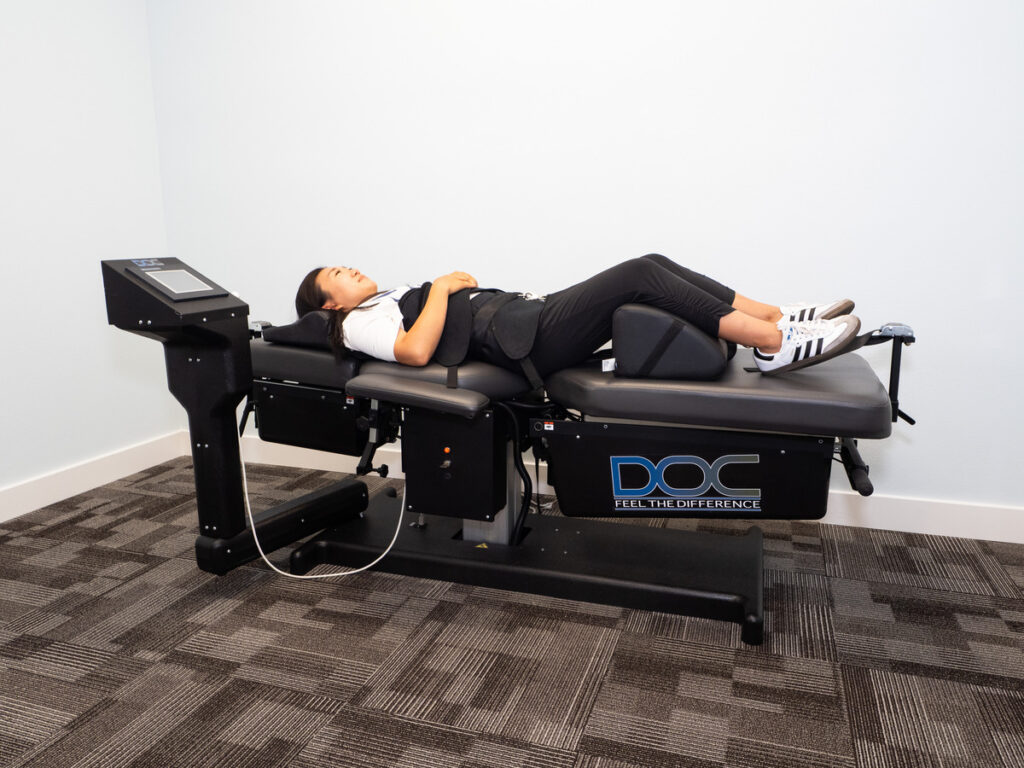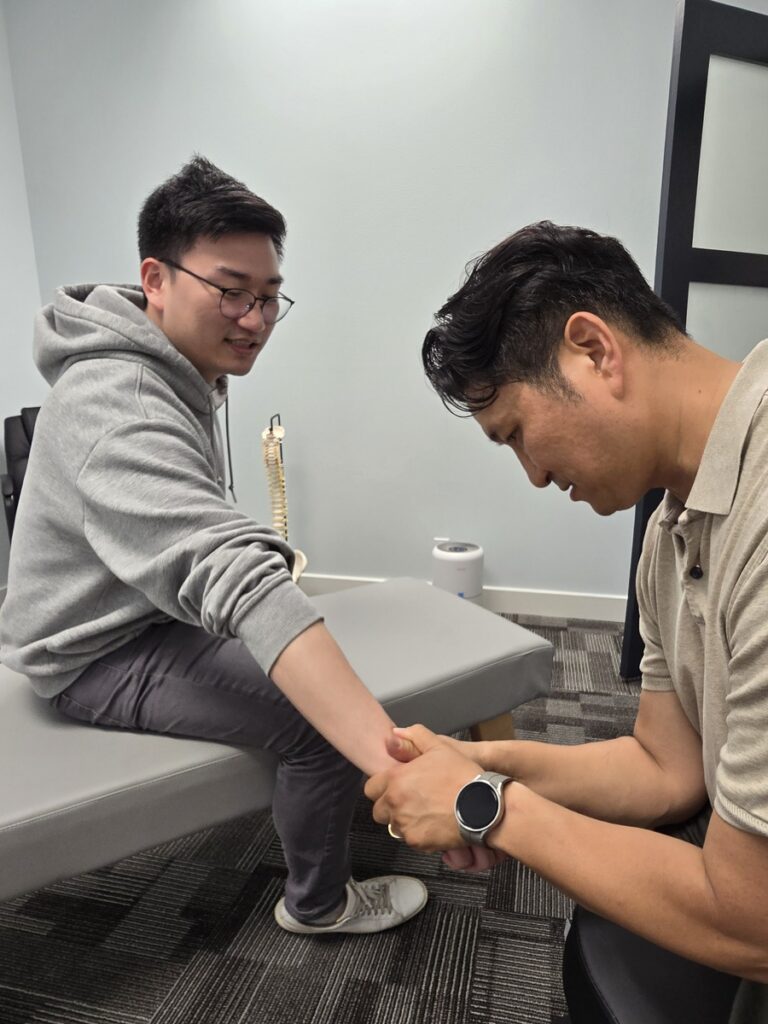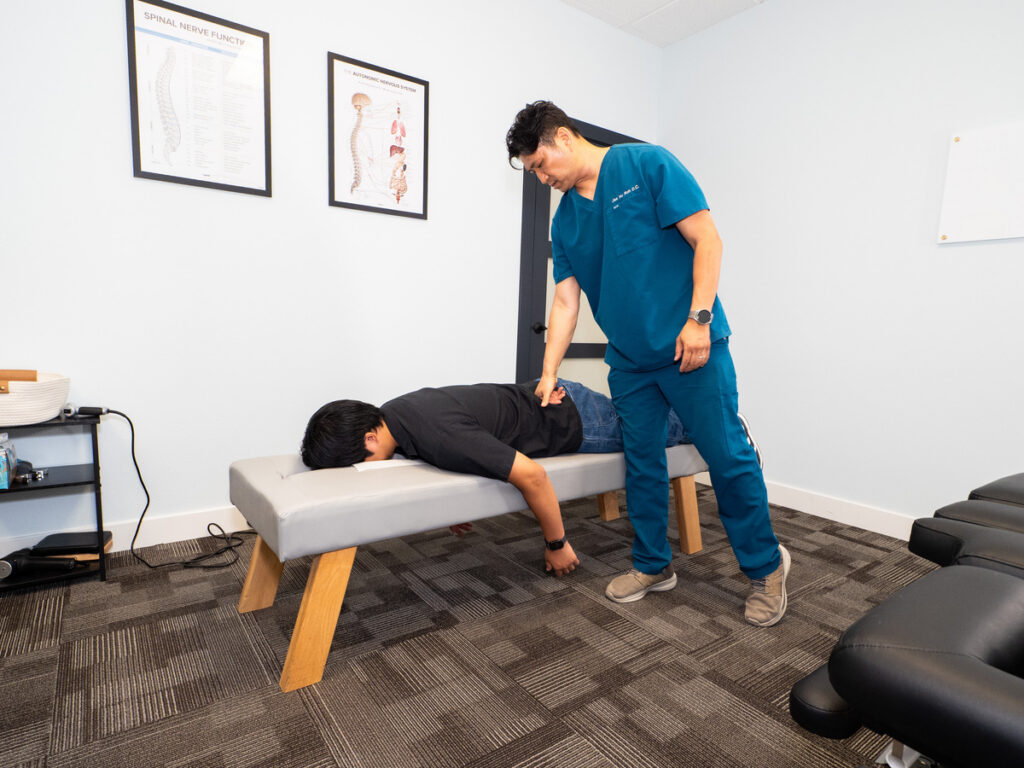

As a local chiropractor, I understand that dealing with a sports injury can be daunting, and knowing the right recovery techniques is crucial for your healing journey. While it's important to prioritize rest, there are several other factors to consider that can significantly enhance your recovery process. For instance, ice therapy can reduce inflammation and alleviate pain, while proper nutrition plays a vital role in repairing tissues and supporting overall health.
Additionally, incorporating mindfulness practices can help you maintain mental resilience during this challenging time. It's also essential to know how to safely return to your activities to prevent further injuries. I'm here to guide you through these natural healing strategies and ensure your path to recovery is as effective and smooth as possible. Let's take this journey together towards a healthier you!
Rest and Recovery
As a local chiropractor, I want to emphasize the vital role that rest and recovery play in the rehabilitation of sports injuries. When you experience an injury, it's crucial to allow your body the necessary time to heal. Ignoring pain and pushing through it can lead to more serious complications in the future. It's important to recognize the signals your body is sending—persistent pain or fatigue are clear indicators that you need to slow down.
During your recovery, I encourage you to focus on adequate rest. This doesn't mean you need to avoid all activity; rather, engage in gentle movements that won't aggravate your injury. Simple activities like walking or stretching can enhance blood circulation, which is essential for healing.
Prioritizing sleep is also key, as your body does its best repair work during this time. Aim for seven to nine hours of quality sleep each night for optimal recovery.
In addition to rest, hydration and nutrition are critical components of your healing process. Drinking plenty of water helps to flush out toxins and keeps your muscles functioning optimally.
Eating a balanced diet that includes protein, vitamins, and minerals is crucial for supporting tissue repair and overall health. Incorporating foods such as lean meats, leafy greens, and whole grains into your meals can significantly impact your recovery.
Lastly, I encourage you to reach out to a healthcare professional, like a chiropractor, to help create a personalized recovery plan tailored to your specific needs.
Ice Therapy
As a local chiropractor, I want to share with you the benefits of ice therapy for injury recovery. This simple yet effective technique can play a crucial role in reducing pain and inflammation after an injury.
When you apply ice to the affected area, it constricts blood vessels, which helps minimize swelling and provides a numbing effect on pain. This is especially beneficial right after an injury occurs, as it offers immediate relief and aids in a quicker recovery process.
To maximize the effectiveness of ice therapy, I recommend following these three essential steps:
- Timing: It's best to use ice therapy within the first 48 hours after your injury. The sooner you begin, the more effective it will be. Aim to ice the injured area for about 15-20 minutes every 1-2 hours during this initial period.
- Application: Always wrap the ice or cold pack in a thin cloth. This prevents frostbite and protects your skin. Avoid placing ice directly on your skin to prevent any damage. If you don't have traditional ice handy, a bag of frozen peas or a specialized cold pack works just as well.
- Monitoring: Pay attention to how your body reacts to the ice therapy. If you experience increased pain or swelling, it's important to reassess your approach and consider reaching out to a healthcare professional for further guidance.
By incorporating these steps into your recovery routine, you can enhance your healing process and feel better sooner.
Compression Techniques
As a local chiropractor dedicated to your health and recovery, I want to share the importance of compression techniques in sports injury healing. These methods can significantly aid in reducing swelling and promoting a faster recovery.
When you apply compression to an injured area, it helps control inflammation by limiting fluid build-up in the tissues. This not only alleviates discomfort but also accelerates your healing process, allowing you to return to your favorite activities sooner.
One common way to utilize compression is through elastic bandages or compression wraps. When wrapping the injured area, it's crucial to start below the injury and work your way up, ensuring even pressure without cutting off circulation. You should be able to comfortably slide a finger underneath the bandage. If you experience any numbness or excessive tightness, it's important to loosen the wrap to maintain proper blood flow.
Another effective approach is wearing compression garments like sleeves or socks, which are specifically designed to provide support. These garments deliver consistent pressure, making them especially beneficial for muscle recovery after exercise. Plus, they help maintain warmth, which can further enhance the healing process.
Combining cold therapy with compression can create a powerful effect. For instance, using ice packs while wrapped in a compression bandage can significantly boost the benefits of both techniques. Just remember to apply ice for about 15-20 minutes and follow it with compression to maximize your recovery.
By integrating these compression techniques into your healing routine, you can recover more efficiently and comfortably. As your chiropractor, I encourage you to choose the right method for your situation and apply it correctly to optimize your healing journey.
Together, we can work towards getting you back to your sport with less discomfort and greater ease.
Elevation Methods
As a local chiropractor dedicated to your wellness, I want to emphasize the importance of elevation in your recovery process. Elevation can significantly aid in reducing swelling and facilitating healing after an injury.
It's crucial to understand some effective techniques, the best positions for elevating the affected area, and how often and for how long you should keep it elevated.
By incorporating these practices into your routine, you can enhance your healing journey and support your body's natural recovery mechanisms.
Let's delve into these essential points to help you optimize your recovery process.
Effective Elevation Techniques
As a local chiropractor dedicated to helping you heal naturally, I want to emphasize the importance of effective elevation techniques in your recovery from sports injuries. Elevating the injured area plays a crucial role in reducing swelling, enhancing circulation, and promoting faster healing.
Here are three practical methods you can easily incorporate into your recovery routine:
- Pillows or Cushions: When you're at rest, elevate the injured limb by placing pillows or cushions underneath it. Ideally, position it above heart level. This simple adjustment allows gravity to work in your favor, helping to diminish swelling.
- Reclining Position: When sitting or lying down, consider using a comfortable recliner or a wedge to support your elevation. This not only keeps your injury elevated but also allows you to relax and rest effectively, which is essential for healing.
- Compression and Elevation: For optimal results, combine elevation with compression. Applying a compression bandage while keeping your injured area elevated provides additional support and significantly helps in reducing swelling.
By incorporating these techniques into your recovery, you can enhance your body's natural healing process and get back to your activities with greater ease.
If you have questions about your recovery or need further assistance, please feel free to reach out!
Ideal Positions for Elevation
As a local chiropractor dedicated to your recovery, I want to emphasize the importance of elevation in the healing process, especially after a sports injury. Elevating the injured area is crucial as it helps to reduce swelling and enhances blood circulation, which are key components of a successful recovery.
To achieve optimal elevation, I recommend lying down flat on your back. Use pillows or cushions to lift the injured limb above heart level. This simple adjustment encourages the drainage of excess fluid, aiding in your recovery journey.
For those with lower limb injuries, consider propping your leg on a stack of pillows or even resting it on a couch. Ensure that the support is comfortable to avoid any additional strain.
If your injury is in the upper body, you might find it beneficial to recline or sit back in a chair, allowing your arm to rest on a pillow positioned at a higher level.
If you're on the move, utilizing a sling for arm injuries can be very effective. A sling keeps your arm elevated while giving you the freedom to navigate your daily activities.
Remember, the goal is to maintain a position that feels comfortable yet effectively elevates the injured area. Don't hesitate to experiment with different setups until you discover what works best for you.
Prioritizing proper elevation is a vital step in ensuring your recovery stays on track.
Duration and Frequency Guidelines
As your local Chiropractor, I want to help you understand the importance of elevation in your recovery process. Elevating the injured area can significantly aid in reducing swelling and enhancing circulation, which is crucial for healing.
Here are some essential guidelines to keep in mind:
1. Duration: When you elevate the injured area, aim for 15-30 minutes at a time. This targeted approach helps reduce inflammation and improves blood flow, facilitating your recovery.
During the first 48 hours after an injury, you can repeat this several times a day for optimal results.
2. Frequency: I recommend elevating your injury 3-4 times daily. Consistency is vital in the healing process; regular elevation can greatly accelerate your recovery.
Try to incorporate this into your daily routine, alongside other healing practices like icing or resting.
3. Post-Activity Care: After any physical activity, it's beneficial to elevate the injured area for an additional 20-30 minutes. This extra attention helps manage any swelling that may arise and reduces the risk of re-injury.
By following these guidelines, you can support your body's natural healing process, and I'm here to help you along the way.
If you have any questions or need guidance on your recovery journey, don't hesitate to reach out!
Physical Therapy
When it comes to recovering from sports injuries, chiropractic care plays a vital role in your healing journey. Our approach focuses on restoring mobility, reducing pain, and enhancing overall function, so you can return to your favorite activities more quickly and effectively.
As a chiropractor, I'll assess your injury and develop a personalized treatment plan tailored to your specific needs. This individualized strategy ensures that you're not simply following a one-size-fits-all regimen, but rather receiving care that addresses your unique situation.
During your chiropractic sessions, you'll experience a variety of techniques aimed at promoting healing. These may include spinal adjustments, soft tissue therapies, and other natural modalities that help to alleviate pain, reduce inflammation, and improve circulation.
Each technique serves a specific purpose, whether it's enhancing joint function or promoting better alignment. I'll explain each method used and how it contributes to your recovery, ensuring you understand the benefits of your treatment.
In addition to hands-on adjustments, chiropractic care emphasizes education about your body and the healing process. You'll learn about your injury, what to expect during recovery, and strategies to prevent future issues.
This knowledge empowers you to take an active role in your health and make informed choices about your recovery journey.
As you progress, I'll continuously monitor your improvements and adjust your treatment plan as necessary. This adaptive approach allows us to build strength and flexibility while preventing overexertion.
Strengthening Exercises
As your local chiropractor, I want to emphasize the importance of strengthening exercises in your recovery journey. These exercises are vital for promoting healing and ensuring your body remains resilient against future injuries.
By incorporating core stability training, resistance band workouts, and bodyweight strength exercises into your routine, you can effectively rebuild your strength and enhance your overall well-being.
Let's take a closer look at how each of these methods contributes to your rehabilitation process. Core stability exercises help to support your spine and improve posture, which is crucial for overall body alignment.
Resistance band workouts provide a low-impact way to build strength and flexibility, making them suitable for individuals at various fitness levels. Bodyweight strength exercises, on the other hand, allow you to utilize your body's own weight to strengthen muscles without the need for equipment.
By integrating these strengthening exercises into your care plan, you can accelerate your recovery and lay the groundwork for a healthier, more resilient future.
Core Stability Training
As a local chiropractor dedicated to helping you recover from sports injuries, I want to emphasize the importance of core stability training in your healing process. A strong core is vital for maintaining proper posture and control during movement, which can significantly enhance your recovery and overall athletic performance.
Focusing on core exercises not only supports your spine but also helps to prevent future injuries and encourages efficient movement patterns.
Here are three effective core stability exercises I recommend you incorporate into your recovery routine:
- Plank: Begin in a push-up position, resting on your forearms. It's crucial to keep your body straight and engage your core muscles. Aim to hold this position for 30 seconds to a minute, as it helps build endurance and strength in your core.
- Side Plank: Lie on your side and use one elbow to prop yourself up. Lift your hips off the ground while ensuring your body forms a straight line. This exercise is excellent for strengthening your oblique muscles and improving lateral stability, which is important for overall balance.
- Bird-Dog: Start on all fours, then extend one arm forward while simultaneously extending the opposite leg back. Hold this position for a few seconds, focusing on your balance and control. Switching sides will fully engage your core and enhance your stability.
Incorporating these exercises into your routine can lead to a stronger, more stable core, which is essential for both recovery and long-term health.
If you have any questions or need guidance on proper form, feel free to ask during your next visit!
Resistance Band Workouts
As a local chiropractor, I often see patients who are recovering from sports injuries, and I want to share how resistance band workouts can be a transformative part of your rehabilitation process. These bands are incredibly versatile and provide adjustable resistance, allowing you to customize your workouts to meet your specific recovery needs.
One of the key benefits of using resistance bands is that they're gentler on your joints compared to traditional weights, making them an excellent choice during your healing phase.
To get started, I recommend incorporating some fundamental exercises such as banded squats and seated rows. For banded squats, position the band just above your knees and concentrate on pushing your knees outward as you descend into the squat. This movement effectively targets your glutes and hips, which are crucial for maintaining stability.
For seated rows, secure the band at your feet and pull it towards your abdomen, activating your back and shoulder muscles.
As you become more comfortable with these exercises, you can gradually increase the resistance or adjust the movements to keep challenging your body. Incorporating resistance bands into your workout routine can enhance your flexibility, improve muscle coordination, and help you regain your strength.
Additionally, these bands are convenient; you can easily use them at home or bring them along to the gym.
It's important to listen to your body during these exercises and adjust the intensity to prevent overexertion. With regular practice, you'll likely notice increased strength and resilience, which is essential for a successful return to your favorite sports activities.
Bodyweight Strength Exercises
As a chiropractor, I often emphasize the importance of incorporating bodyweight strength exercises into your rehabilitation routine. This approach can significantly support your recovery from sports injuries by helping to rebuild strength and enhance your overall mobility and stability—all without the need for any equipment.
Here are some effective bodyweight exercises that I recommend:
- Push-ups: These are fantastic for strengthening your upper body. Push-ups work your chest, shoulders, and triceps, and you can easily modify them based on your current fitness level—whether that means doing them on your knees or against a wall.
- Squats: Squats are essential for targeting your legs and glutes, which helps improve lower body strength. I suggest starting with bodyweight squats and focusing on your form to avoid any unnecessary strain on your knees.
- Planks: Planks are an excellent exercise for core stability. They engage multiple muscle groups at once, which not only improves your overall strength but also enhances your balance.
As you begin to incorporate these exercises into your routine, it's crucial to listen to your body and adjust the intensity as needed.
Consistency is key; I recommend aiming to include bodyweight exercises several times a week to optimize your recovery and rebuild strength effectively.
Nutrition for Healing
As a local chiropractor, I want to emphasize the vital role that nutrition plays in your recovery from sports injuries. Proper nutrition can significantly enhance your healing process, allowing your body to repair tissues, reduce inflammation, and regain strength more effectively.
It's important to focus on a balanced diet that includes essential proteins, carbohydrates, healthy fats, vitamins, and minerals.
Let's start with protein, which is crucial for muscle repair and growth. Incorporate lean meats, fish, eggs, dairy products, legumes, and nuts into your meals. A protein-rich snack after your workouts can help jumpstart your recovery.
Carbohydrates also play a key role; they provide the energy your body needs to heal. Opt for whole grains, fruits, and vegetables as your primary sources. Don't overlook healthy fats, as well—foods like avocados, olive oil, and fatty fish are beneficial for cell function and can help reduce inflammation.
Micronutrients are equally important in the healing process. For instance, Vitamin C, which you can find in citrus fruits and leafy greens, is essential for collagen production, aiding in the repair of connective tissues.
Vitamin D, which can be obtained through sunlight exposure and fortified foods, is important for calcium absorption and bone health. Additionally, ensure you're getting enough zinc, which is vital for immune function and tissue repair; you can find it in meat, shellfish, and seeds.
Lastly, I want to highlight the importance of antioxidants. These nutrients help combat oxidative stress caused by injuries. Incorporating foods like berries, nuts, and dark chocolate into your diet can be very beneficial.
Hydration Importance
As a local chiropractor dedicated to helping you understand the healing process, I want to emphasize the often-overlooked importance of hydration in your recovery from sports injuries. When you're dealing with an injury, your body relies on adequate fluids to facilitate effective healing. Staying well-hydrated supports optimal blood circulation, which is essential for delivering vital nutrients to the areas that need it most.
Additionally, proper hydration can help reduce inflammation and alleviate pain. Here are three key reasons why hydration is essential during your recovery:
- Enhanced Nutrient Delivery: Water plays a critical role in transporting essential nutrients to your muscles and tissues. This is particularly important for repairing damaged cells, as well-nourished tissues can heal more rapidly and effectively.
- Minimized Swelling and Inflammation: Keeping your body hydrated can significantly reduce swelling and inflammation around the injury site. When you're well-hydrated, your body is better equipped to flush out toxins, which can help to alleviate discomfort.
- Support for Joint Health: Proper hydration is vital for maintaining the levels of synovial fluid that lubricate your joints. This is especially crucial if your injury involves your joints, as adequate lubrication can prevent stiffness and promote better mobility.
To ensure you're getting enough fluids, I recommend aiming for at least 8–10 glasses of water each day, adjusting this amount based on your activity level and the climate you're in.
Incorporating hydrating foods like fruits and vegetables can also enhance your fluid intake. Remember, staying properly hydrated isn't just about drinking water; it's about nourishing your body to support the healing process.
Don't underestimate the importance of hydration in your recovery journey!
Mindfulness and Mental Health
As a local chiropractor, I want to emphasize that recovering from a sports injury involves more than just physical healing; managing stress is equally crucial.
Techniques such as mindfulness and visualization can greatly aid in this process. By focusing your mind and maintaining a positive outlook, you can enhance your mental well-being, which in turn supports your body's natural healing journey.
Incorporating these holistic practices into your recovery plan can lead to a more comprehensive approach to healing, allowing you to return to your sport stronger and more balanced.
Stress Reduction Techniques
As a local chiropractor, I want to emphasize the importance of stress reduction techniques in the recovery process from sports injuries. Many people may not realize how much stress can impede healing, but it's a critical factor to consider. By integrating effective stress management strategies into your recovery plan, you can enhance your mental resilience and overall well-being.
Here are three techniques I recommend for my patients:
- Deep Breathing: Take a few minutes each day to focus on your breathing. Inhale deeply through your nose, hold that breath briefly, and then exhale slowly through your mouth. This simple practice can significantly calm your mind, reduce anxiety, and support your healing journey.
- Meditation: Carving out time for meditation can be incredibly beneficial. It allows you to clear your mind and center your thoughts. Even dedicating just 10 minutes a day can help lower stress levels and foster a more positive outlook on your recovery process.
- Gentle Yoga: Incorporating gentle yoga stretches into your daily routine can be very advantageous. Not only do these stretches promote physical healing, but they also help cultivate relaxation and mindfulness, keeping you in tune with your body during your recovery.
By utilizing these techniques, you can support your healing process and create a more conducive environment for recovery.
Visualization for Healing
As a local chiropractor, I want to share with you an invaluable technique that can enhance your healing journey: visualization. Many people may not be familiar with this powerful mental tool, but integrating it into your recovery routine can significantly boost your overall well-being.
Visualization goes beyond merely imagining your future self; it's a way to focus your mind on the healing process, reduce anxiety, and foster positive outcomes. By picturing yourself in a state of health, you can actually influence your body's natural healing capabilities.
To begin, find a quiet and comfortable space where you can relax. Close your eyes and take several deep, calming breaths. As you breathe, visualize the area of your body that's injured or in pain. Picture it healing, becoming stronger with each breath. Imagine the muscles repairing themselves, the inflammation subsiding, and any discomfort fading away.
This practice not only helps to calm your mind but also reinforces your commitment to recovering fully. You might also want to visualize yourself engaging in activities you love, whether it's playing a sport or simply enjoying daily movements.
This positive imagery creates a mental environment that's beneficial for your recovery. When you combine visualization with other techniques, such as mindfulness or meditation, you amplify its effects and create a holistic approach to healing.
Regular practice of visualization can help shift your mindset from feelings of frustration to a sense of empowerment. It keeps you motivated during your rehabilitation journey and reminds you that you have an active role in your healing process.
Your mind is a powerful ally in recovery, so I encourage you to embrace visualization as an essential part of your chiropractic care. Together, we can help you heal both mentally and physically.
Gradual Return to Activity
Reintroducing yourself to physical activity after an injury is a crucial step in your recovery, and as a chiropractor, I'm here to help you navigate this process safely and effectively.
It's important to approach this journey with careful planning and patience, as jumping back into your routine too quickly can lead to setbacks.
Here's how you can gradually ease back into your physical activity:
1. Start with Low-Impact Activities: Begin your recovery with gentle exercises that place minimal strain on your injury. Activities such as walking, swimming, or cycling are excellent choices to help you regain strength and mobility while minimizing the risk of further damage.
These low-impact options allow your body to adapt without overwhelming it.
2. Increase Intensity Gradually: As you start to feel more comfortable, it's essential to slowly increase the intensity of your workouts. You might begin with 10-15 minutes of low-intensity activity, gradually adding time or resistance as your body allows.
Always pay attention to how you feel during and after your sessions; this feedback is vital to prevent overexertion and ensure a safe recovery.
3. Incorporate Strength Training: Once you've established a solid foundation of fitness, it's time to integrate strength training that specifically addresses your injury.
Focus on exercises that target the affected area while also strengthening the surrounding muscles to provide better support. Aim for 2-3 strength training sessions per week, and don't hesitate to reach out for guidance on exercises that are beneficial for your recovery.
Remember, every individual's journey is unique, and it's important to listen to your body throughout this process.
If you have any questions or concerns, please feel free to reach out to me for personalized advice and support on your path to recovery. Your health is my priority!
Conclusion
As a local chiropractor, I want to emphasize how incorporating these ten techniques into your recovery plan can significantly enhance your healing process from a sports injury. It's crucial to prioritize rest; your body needs time to recover. Utilizing ice and compression can help reduce inflammation and manage pain effectively. Don't underestimate the power of nutrition—fueling your body with the right nutrients supports healing.
Hydration plays a vital role as well; staying well-hydrated can accelerate recovery. Additionally, mental resilience is just as important as physical healing. By maintaining a positive mindset, you're setting yourself up for a quicker recovery. Gradually returning to activity, under professional guidance, is essential to ensure you're rebuilding strength and preventing future injuries.
As a chiropractor, I advocate for a holistic approach to recovery. By focusing on these strategies, you'll not only heal but also come back stronger and better equipped to face future challenges in your athletic pursuits. Let's work together to get you back on track!