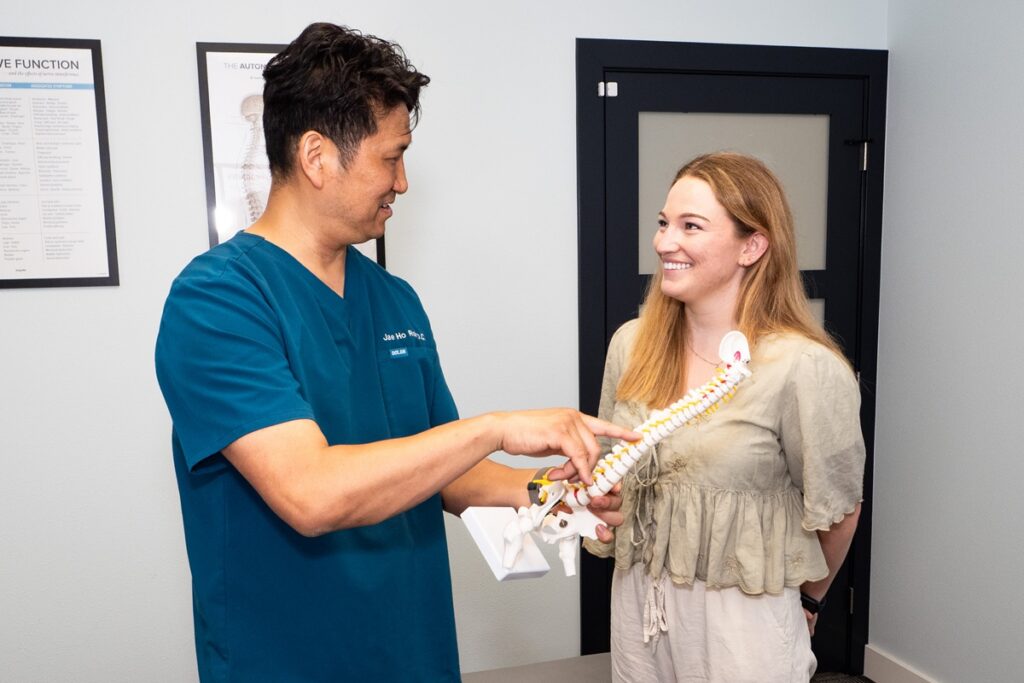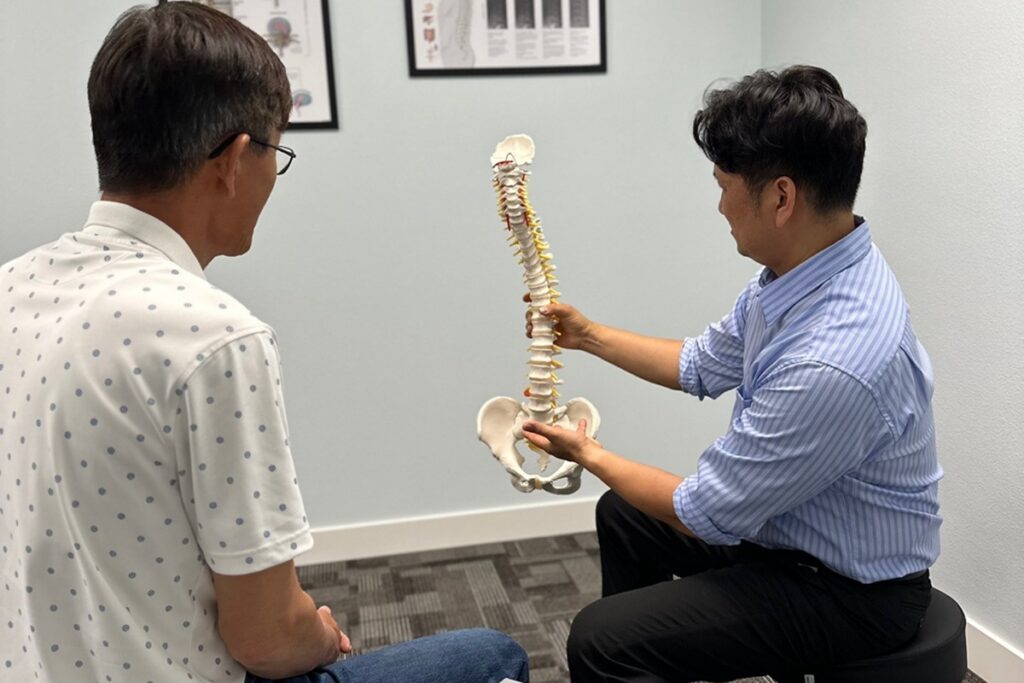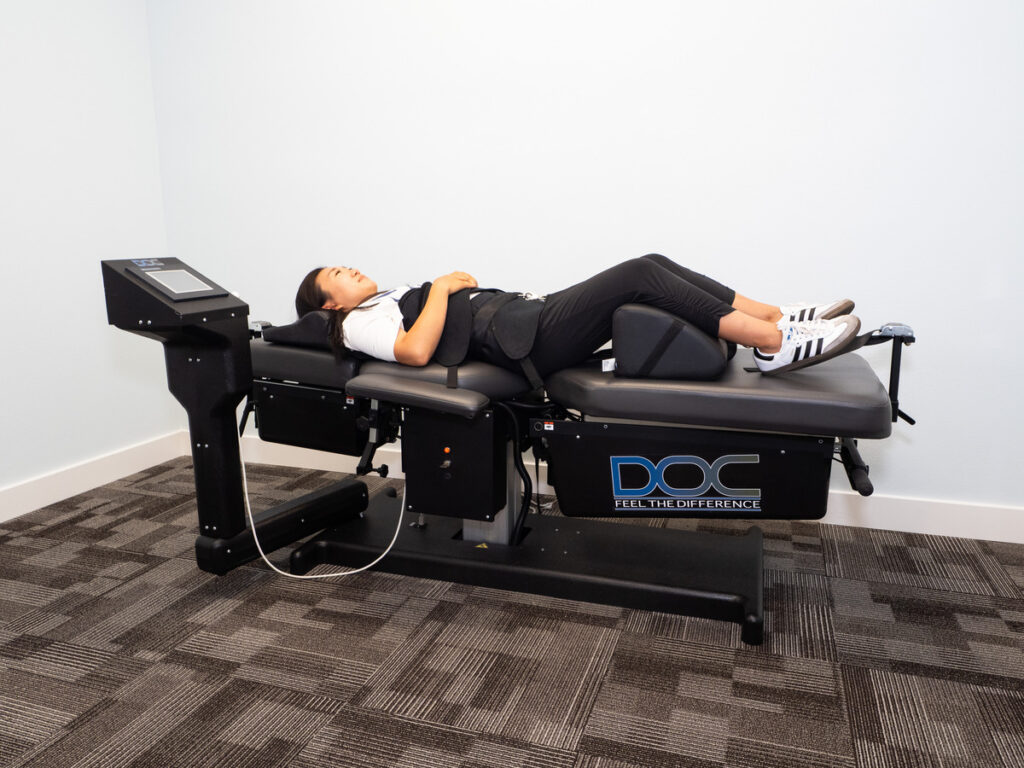

As a local chiropractor, I understand that upper back pain can significantly affect your daily life. Many patients come to me expressing frustration over how even the simplest tasks can become daunting due to discomfort. However, I want to assure you that relief is attainable through a range of effective techniques that I often recommend to my patients.
Incorporating targeted stretching exercises into your routine can help alleviate tension in the upper back. Additionally, setting up an ergonomic workspace can promote better posture and reduce strain. Beyond physical adjustments, I also encourage exploring mindfulness practices, as they can enhance your overall well-being and assist in managing pain.
Are you ready to learn about how these techniques can transform your experience with upper back pain? Let's dive into the ten best methods that can make a meaningful difference in your life. Together, we can work towards a pain-free future!
Stretching Exercises
As a local chiropractor, I often see patients struggling with upper back pain, and one of the most effective ways to alleviate this discomfort is through stretching exercises.
These movements can help loosen tight muscles, enhance flexibility, and significantly improve your overall well-being. You don't need any prior experience in yoga or extensive training—just a willingness to engage in gentle stretches that focus on the upper back area.
One stretch I recommend is the doorway stretch. To perform this, stand in an open doorway and place your forearms on the doorframe. Gently lean forward, allowing yourself to feel a pleasant stretch across your chest and shoulders. Hold this position for about 20-30 seconds, and remember to breathe deeply, as this can enhance the effectiveness of the stretch.
Another beneficial stretch is the seated twist. Sit comfortably in a chair with your feet flat on the ground. Place your right hand on the back of the chair and gently twist your torso to the right, using your left hand to apply a little pressure against your right knee. Hold this position for 20-30 seconds before switching sides.
This stretch not only helps loosen your back but also promotes better spinal mobility, which is crucial for overall health.
Additionally, I encourage you to try the cat-cow stretch, which is performed on all fours. As you inhale, arch your back (the cow position), and as you exhale, round it (the cat position). Repeat this sequence for about a minute, and you'll likely notice an increase in flexibility and a reduction in tension throughout your upper back.
Incorporating these simple stretches into your daily routine can be a powerful tool in managing and preventing upper back pain.
As your chiropractor, I'm here to guide you on this journey toward natural healing and improved wellness.
Strengthening Workouts
As a local chiropractor, I want to emphasize the importance of strengthening your upper back for both posture and pain relief. A strong upper back plays a crucial role in supporting your spine, alleviating muscle tension, and preventing injuries that can occur during everyday activities. By incorporating specific exercises that target your upper back muscles, such as the rhomboids and trapezius, you can significantly enhance your overall well-being.
One of the most effective exercises I recommend is the bent-over row. To perform this, stand with your feet shoulder-width apart and hold a dumbbell in each hand. Hinge forward at the hips, keeping your back straight, and pull the weights toward your lower ribcage while squeezing your shoulder blades together. Aim for three sets of 10-15 repetitions. This exercise is excellent for building strength in the upper back.
Another beneficial exercise is the face pull. For this, you'll need a resistance band anchored at head height. Grasp the band with both hands, step back, and pull it towards your face while flaring your elbows out. This movement not only strengthens the upper back but also engages the rear deltoids, contributing to improved shoulder stability.
Lastly, don't overlook the Superman exercise. Lie face down on the floor with your arms extended in front of you. Lift your arms, chest, and legs off the ground simultaneously, holding for a few seconds before lowering back down. Repeat for three sets of 10-12 reps. This exercise is fantastic for activating the muscles along your back and enhancing overall strength.
By incorporating these strengthening workouts into your weekly routine, you'll likely notice improvements in your upper back strength, posture, and overall comfort.
As you engage in these exercises, it's important to listen to your body and adjust the intensity as needed to prevent overexertion. Natural healing through movement can be a powerful ally in maintaining your health, and I'm here to support you on that journey.
Proper Posture Practices
As a local chiropractor dedicated to your health and well-being, I want to share some essential tips to help you manage and prevent upper back pain.
One of the most important aspects to consider is your posture. It's crucial to create an ergonomic workspace that supports your spine. Start by selecting a chair designed to maintain the natural curves of your back.
Make sure your desk height is suitable for your body, and position your monitor at eye level to prevent unnecessary strain on your neck and shoulders.
By making these simple adjustments, you can significantly enhance your comfort and improve your overall posture throughout the day.
Ergonomic Chair Selection
As a chiropractor, I often emphasize the importance of selecting the right ergonomic chair to support your overall health, especially when it comes to maintaining proper posture and alleviating upper back pain during extended periods of sitting.
A well-chosen chair can significantly contribute to your well-being by supporting the natural curvature of your spine and reducing strain on your upper back. Here are some essential features to consider when choosing an ergonomic chair:
- Adjustable seat height: It's crucial to ensure that your feet rest flat on the floor. This positioning provides ideal support and helps with blood circulation.
- Lumbar support: Look for a chair that offers adequate lower back support. This is vital for maintaining the natural curve of your spine and preventing discomfort.
- Seat depth: A chair with an appropriate seat depth allows you to sit back comfortably while ensuring there's a few inches of space between your knees and the edge. This helps avoid unnecessary pressure on your thighs.
- Armrests: Opt for chairs with adjustable armrests. Proper arm positioning can reduce shoulder tension and promote a more relaxed and natural posture.
- Material: Choose a chair made from breathable fabric. This can enhance your comfort level during long sitting sessions, which is essential for maintaining focus and productivity.
Remember, your chair is more than just a piece of furniture; it's an investment in your health.
Desk Height Adjustment
As a chiropractor, I want to emphasize the importance of desk height adjustment for maintaining proper posture and preventing upper back pain. When your desk is positioned at the correct height, it allows you to keep your elbows at a 90-degree angle while typing. This crucial alignment helps reduce strain on your shoulders and back, ultimately preventing discomfort that can develop over time.
To determine the ideal desk height, start by sitting in your ergonomic chair. Make sure your feet are flat on the ground, your knees are at a right angle, and your thighs are parallel to the floor.
Adjust your desk so that your forearms are parallel to the ground while you type. This alignment promotes a relaxed shoulder position, minimizing tension in your upper back.
If you utilize a keyboard tray, ensure that it's adjustable as well. You may need to experiment with different heights to discover what feels most comfortable for you.
It's essential to remember that achieving the right height is just one aspect of creating a supportive workspace. The goal is to foster your body's natural alignment, which is fundamental to your overall well-being.
By taking the time to properly adjust your desk, you're not just improving your workspace; you're also laying the groundwork for better posture and reducing your risk of upper back pain.
As a chiropractor, I encourage you to prioritize these adjustments for a healthier, more comfortable work environment.
Monitor Position Alignment
As a local Chiropractor, I want to emphasize the importance of proper monitor position alignment to help you maintain good posture and prevent discomfort, particularly in your upper back.
Many people may not realize how much their workspace setup can impact their overall well-being throughout the day.
Here are some essential tips to ensure your monitor is positioned correctly:
- Eye Level: Ideally, the top of your monitor should be at or just below your eye level. This positioning helps keep your neck in a relaxed state, reducing strain and tension.
- Distance: Aim to place your monitor about an arm's length away from your eyes. This distance not only minimizes eye strain but also encourages your back to stay aligned.
- Tilt: A slight upward tilt of your monitor—around 10 to 20 degrees—can make a significant difference. This adjustment helps reduce glare and promotes a more natural head position, which is critical for spinal health.
- Centering: Position your monitor directly in front of you. This alignment prevents unnecessary twisting of your body, which can lead to discomfort and misalignment in your spine.
- Adjusting: It's important to regularly check and adjust your monitor setup. Your body's needs can change, and staying proactive about your workspace ergonomics is key to maintaining your health.
By paying attention to these details, you can create a more comfortable and supportive workspace that promotes better posture and overall well-being.
If you have any questions about how to optimize your setup or if you're experiencing discomfort, feel free to reach out for guidance. Your health is my priority!
Ergonomic Workspace Setup
As a local chiropractor, I want to emphasize the importance of creating an ergonomic workspace to prevent upper back pain and enhance your overall comfort while you work. Many patients I see experience discomfort due to poor workstation setups, so let's go through some essential adjustments you can make.
First and foremost, your chair plays a crucial role in your posture. It should provide adequate support for your lower back, enabling your feet to rest flat on the floor or on a footrest. Ideally, your knees should form a 90-degree angle. If your chair has armrests, ensure they're positioned so your shoulders can relax comfortably.
Next, let's talk about desk height. Your elbows should also be at a 90-degree angle while typing, and it's important to keep your wrists in a neutral position to avoid strain. If you notice your desk is too high or too low, consider using a keyboard tray or adjusting the desk itself to find the right fit.
The position of your monitor is equally important. It should be at eye level, approximately an arm's length away, which helps you maintain a neutral neck position. This is vital for reducing strain on your upper back. If you work with multiple monitors, arrange them to minimize excessive twisting of your neck and back.
Lighting in your workspace is another factor that can't be overlooked. Ensure your area is well-lit to reduce eye strain, as squinting or leaning forward to see better can lead to poor posture.
Finally, I can't stress enough the importance of taking regular breaks. Stand up, stretch, and walk around every hour. This not only relieves tension but also promotes better circulation throughout your body.
By setting up your workspace with these ergonomic principles in mind, you're taking proactive steps to prevent upper back pain and improve your overall productivity and well-being.
If you have any questions or need further guidance on creating an ergonomic workspace, feel free to reach out. Your health and comfort are our top priorities!
Heat Therapy Benefits
As a local chiropractor, I want to share with you how heat therapy can be an effective method for relieving upper back pain and promoting muscle relaxation. When heat is applied to the affected area, it increases blood flow, which not only aids in healing but also helps reduce stiffness. This simple yet powerful technique can significantly enhance how you feel throughout your day.
Let's explore the various benefits of using heat therapy:
- Increases Blood Circulation: Enhanced blood flow delivers essential nutrients and oxygen to your muscles, which is crucial for recovery.
- Relaxes Tense Muscles: The warmth from heat therapy soothes tight muscles, allowing them to loosen up and alleviating discomfort.
- Alleviates Pain: Heat can interrupt the pain signals traveling to your brain, providing you with immediate relief.
- Improves Flexibility: By relaxing your muscles and joints, heat therapy can enhance your range of motion, making daily activities easier to perform.
- Promotes Calmness: The soothing effect of heat not only helps with physical discomfort but can also reduce stress and anxiety, leading to an overall sense of well-being.
There are several ways to apply heat therapy, including heating pads, warm towels, or hot baths. It's essential to be cautious about the temperature to avoid burns. Aim for a heat level that feels soothing without causing pain.
You can safely use heat therapy for about 15-20 minutes at a time, several times a day, depending on your needs.
Incorporating heat therapy into your routine can make managing upper back pain much more feasible, allowing you to return to your everyday activities with greater ease.
If you have any questions or need further guidance on how to integrate this into your care plan, don't hesitate to reach out!
Cold Pack Application
As your local chiropractor, I want to share with you an effective method for easing upper back pain: cold pack application. This technique can truly make a significant difference in your recovery process. By applying cold therapy, you can help reduce inflammation and numb those sore areas, offering you quick relief from discomfort.
Let's discuss the benefits of cold therapy and how to use it effectively. Cold packs can lessen swelling and provide a soothing effect on painful muscles, making it an excellent complementary treatment to chiropractic care.
When you incorporate cold therapy into your routine, you can enhance your body's natural healing processes and improve your overall well-being.
I encourage you to consider cold pack application as part of your self-care regimen. It's a simple yet powerful tool that can help you manage pain and promote healing.
If you have any questions about this technique or how it fits into your chiropractic treatment plan, please feel free to ask during your visit!
Benefits of Cold Therapy
As a local chiropractor, I understand that many of you may be unfamiliar with the benefits of natural healing methods for managing upper back pain. One effective technique I often recommend is cold therapy. Utilizing cold packs can significantly enhance your comfort and support the healing process.
Here are some important advantages of incorporating cold therapy into your routine for upper back pain relief:
- Reduces Inflammation: Cold therapy works by constricting blood vessels, which can help decrease swelling in the affected area. This is essential for reducing inflammation and promoting healing.
- Numbs Pain: The cold sensation can effectively dull sharp pain, allowing you to engage in your daily activities with greater ease and less discomfort.
- Decreases Muscle Spasms: By applying cold, you can help relax tight muscles, which may be contributing to your pain. This can lead to a reduction in muscle spasms and overall tension in your back.
- Improves Recovery Time: Managing inflammation and pain through cold therapy can result in a quicker recovery from injuries or strain. This means you can return to your normal activities sooner.
- Convenient and Cost-effective: Cold packs are simple to use and can often be found at home or purchased at a low cost, making them an accessible option for everyone.
Incorporating cold therapy into your pain management routine is a straightforward and effective way to address upper back discomfort.
However, it's important to listen to your body. If your pain persists despite using cold therapy, I encourage you to consult with me or another healthcare professional for a thorough evaluation. Together, we can explore holistic approaches tailored to your specific needs.
Application Techniques and Tips
As a local chiropractor dedicated to helping you find relief from upper back pain, I'd like to share some effective techniques for applying cold packs. Understanding how to use them properly can significantly enhance your healing process.
First, it's essential to select the right cold pack. You can use a store-bought cold pack or simply a bag of ice wrapped in a thin towel. This precaution helps protect your skin from frostbite, which is crucial for safe application.
Once you have your cold pack, pinpoint the area of discomfort in your upper back. Make sure to place the cold pack directly over this painful spot for the best results.
For effective pain relief, apply the cold pack for about 15 to 20 minutes at a time. This duration is ideal for reducing inflammation and numbing any pain without causing further strain. If you opt for a homemade ice pack, ensure it isn't too heavy, as excess weight can exacerbate your condition.
You can repeat this cold therapy every couple of hours, particularly after engaging in activities that may aggravate your pain. Always pay attention to your body's signals; if you experience any discomfort, remove the cold pack immediately.
After a few days of consistent cold therapy, consider alternating with heat treatment to further alleviate your discomfort.
Keep in mind that cold therapy is most effective within the first 48 hours following an injury or flare-up. By staying consistent with these techniques, you may notice a significant improvement in your upper back pain.
Massage Techniques
As a local chiropractor, I want to share how certain massage techniques can play a crucial role in alleviating upper back pain by addressing muscle tension and enhancing circulation.
If you're new to chiropractic care and natural healing, incorporating these methods into your wellness routine can lead to significant relief from discomfort and improvement in your range of motion.
Here are some effective massage techniques that I recommend:
- Kneading: This technique involves using your fingers and palms to apply pressure on the tight muscles in your upper back. By kneading these areas, you can help break up knots and relieve built-up tension.
- Friction: For deeper relief, gently apply pressure with your fingertips along the muscle fibers. This friction technique promotes blood flow and can effectively reduce stiffness in your upper back.
- Petrissage: By lifting and squeezing the muscles rhythmically, you can encourage relaxation and improve circulation, which is vital for healing.
- Trigger Point Therapy: This method focuses on specific tight areas in your back. By applying sustained pressure to these points, you can relieve referred pain and tension in the surrounding muscles.
- Effleurage: Start and conclude your massage with long, gliding strokes. This technique not only relaxes the body but also prepares the muscles for deeper work, setting the stage for a more effective treatment.
These techniques can be performed on yourself or, for a more thorough experience, you may choose to visit a professional massage therapist.
Remember, the key to long-lasting relief is consistency; regular massages can help maintain muscle health and prevent future discomfort.
Always pay attention to your body and adjust the pressure accordingly. By integrating these massage techniques into your self-care regimen, you'll be on the path to enjoying a more comfortable and pain-free upper back, enhancing your overall well-being.
Mindfulness and Relaxation
As a local chiropractor, I want to share how incorporating mindfulness and relaxation techniques into your daily routine can significantly enhance the benefits you receive from chiropractic care.
When you take the time to be present and aware of your body, you can better identify the tension and stress that may be contributing to your upper back pain. Practicing mindfulness allows you to connect with your physical sensations, making it easier to pinpoint areas that need extra attention.
I recommend starting with just a few minutes of mindfulness practice each day. Find a quiet space where you won't be interrupted. Close your eyes, take deep, calming breaths, and focus on your inhalations and exhalations. As you breathe, visualize any tension in your upper back slowly melting away.
This simple practice can help you become more attuned to your body, aiding in pain relief.
In addition to mindfulness, I encourage you to explore relaxation techniques like progressive muscle relaxation. This technique involves tensing and then relaxing various muscle groups throughout your body, which can help release any built-up tension in your upper back.
As you practice, pay special attention to your shoulders and neck, where stress often tends to accumulate.
You might also consider utilizing guided relaxation exercises or meditation apps as part of your healing journey. These resources offer structured guidance that can help you cultivate a deeper sense of calm.
Remember, the goal is to establish a regular routine that enhances your body's natural ability to heal and relax, ultimately leading to a significant reduction in upper back pain.
Yoga for Back Pain
As a chiropractor, I want to share how yoga can be a valuable tool for alleviating upper back pain while promoting overall wellness. Many of my patients have found that incorporating yoga into their routines not only helps reduce pain but also enhances their overall health.
Here are some specific benefits you might experience:
- Increased flexibility: Engaging in regular yoga practice helps to stretch tight muscles in the upper back, leading to improved range of motion and less discomfort.
- Enhanced strength: Many yoga poses are designed to build strength in your core and upper back, providing better support for your spine and reducing the risk of strain.
- Improved posture: Yoga promotes body awareness and alignment, which can help you maintain better posture throughout your daily activities, a crucial factor in preventing pain.
- Stress relief: The meditative elements of yoga can significantly diminish stress levels, which often contribute to muscle tension and pain in the upper back.
- Pain management: Specific yoga poses target the upper back area, helping to release built-up tension and alleviate discomfort.
To begin your journey, consider incorporating poses like Child's Pose, Cat-Cow Stretch, and Downward-Facing Dog into your daily routine. These poses not only stretch and strengthen the muscles in your back but also foster mindfulness and body awareness.
As you practice, pay attention to your breath and how your body feels, making any necessary adjustments to ensure comfort. Remember, consistency is important; even a few minutes of yoga each day can lead to significant improvements.
It's essential to understand that yoga isn't just about physical postures—it's a holistic approach that nurtures both your body and mind.
Consultation With Professionals
If you're dealing with persistent upper back pain and have tried yoga or other self-care methods without relief, it may be time to consider consulting with a chiropractor. As a local chiropractor, I want to emphasize the importance of professional evaluation to uncover the underlying causes of your discomfort, which mightn't be evident through self-diagnosis.
When you visit our clinic, we'll conduct a thorough assessment, which may include physical examinations and, if needed, imaging tests. This helps us understand the specific nature of your pain and tailor a treatment plan that's unique to your needs.
During your consultation, it's crucial to discuss your symptoms in detail. We want to know when the pain began, what makes it worse, any past injuries you've had, and how the pain affects your daily life. This information is vital for us to create an effective treatment strategy.
Based on your specific situation, I may recommend a variety of therapies, such as chiropractic adjustments to restore proper alignment and function, physical therapy to strengthen supporting muscles, or natural methods to manage inflammation and pain.
Additionally, we might talk about lifestyle changes or ergonomic adjustments to your workspace to help reduce strain on your upper back.
I encourage you to ask questions throughout your visit. Understanding your condition and the reasons behind our recommended treatments can empower you on your path to recovery.
Conclusion
As a local chiropractor, I believe that incorporating specific techniques into your daily routine can significantly relieve upper back pain. By focusing on stretching, strengthening your muscles, and maintaining proper posture, you can enhance your flexibility and build resilience against discomfort. It's also vital to create an ergonomic workspace that supports your body's natural alignment.
Additionally, utilizing heat or cold therapy can provide immediate relief for any acute pain you may experience. I recommend exploring mindfulness practices and yoga as part of your wellness journey, as they can further support your overall health and relaxation.
If you find that your pain persists despite these efforts, seeking guidance from a chiropractic professional can help you discover personalized solutions tailored to your needs. Start taking control of your upper back health today, and feel the difference that natural healing can make!