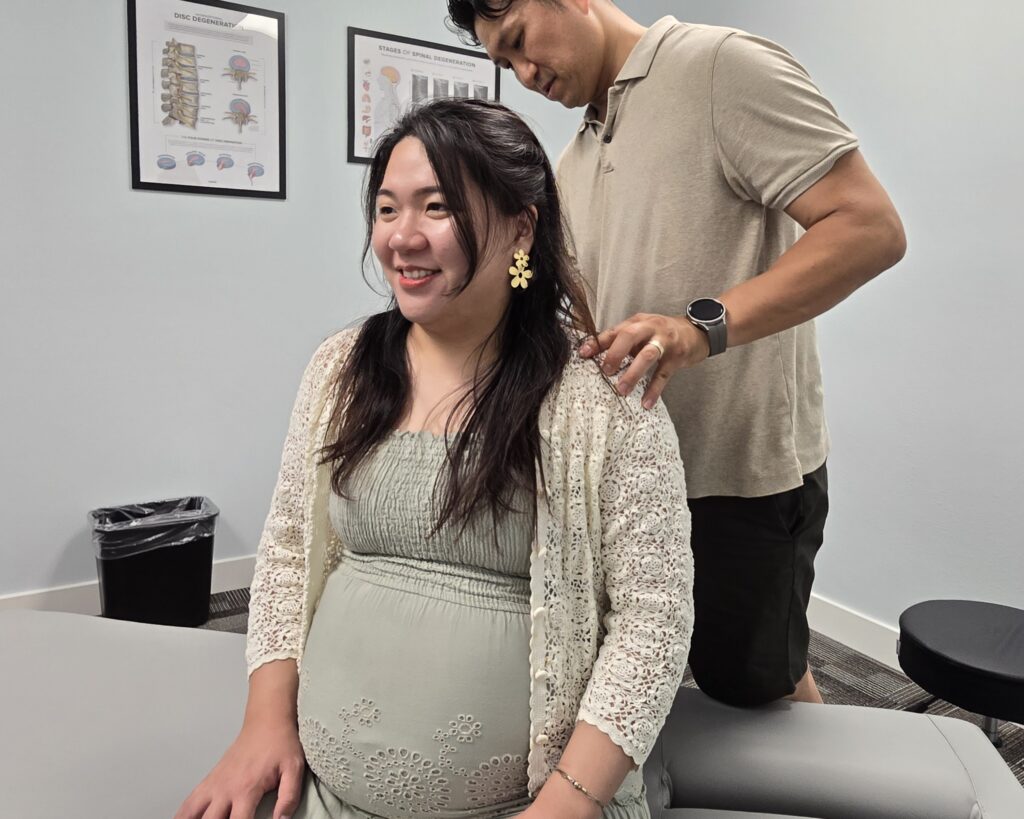

As a local chiropractor, I want to help you understand how to effectively manage sports-related back pain through natural healing methods. If you're experiencing discomfort, it's important to explore treatments that can truly benefit you. Chiropractic care, for example, focuses on realigning your spine to promote overall wellness and alleviate pain. Additionally, massage therapy can be incredibly helpful in reducing muscle tension, allowing your body to recover more efficiently.
You may also want to consider acupuncture, which can provide relief by stimulating specific points in the body. Alongside these therapies, pain management techniques can further assist in easing your discomfort. Finding the right combination of these natural treatments can significantly enhance your recovery and help you return to your favorite activities.
So, what are the most effective strategies for managing back pain related to sports? Let's delve into the top ten treatments that can help you get back on track and back in the game.
Physical Therapy
When it comes to managing sports-related back pain, many individuals find that chiropractic care can provide effective relief and promote recovery. This holistic approach emphasizes understanding the underlying causes of your discomfort and restoring your body's natural alignment and functionality.
As a local chiropractor, my role is to assess your condition, identify any misalignments or restrictions in movement, and develop a personalized treatment plan specific to your needs.
In our sessions, you'll experience a range of techniques designed to enhance spinal health, improve flexibility, and boost your overall stability. Chiropractic adjustments can alleviate pain while also helping to prevent future injuries by encouraging proper body mechanics.
We often focus on core strengthening, as a stable core is essential for supporting your spine and reducing strain on your back. Additionally, I may use supportive therapies such as heat, ice, or soft tissue techniques to manage inflammation and pain.
These modalities can improve circulation and facilitate healing in affected areas. You'll also learn important strategies for safe lifting and movement, making your everyday activities safer and more efficient.
As you continue your chiropractic care, you'll gain a deeper understanding of your body's mechanics and how to maintain a healthy back for the long term. Remember, consistency is crucial—keeping up with your scheduled appointments and actively participating in any recommended home exercises will significantly influence your recovery.
With dedication and the right chiropractic guidance, you can overcome sports-related back pain and confidently return to the activities you enjoy. Embrace the journey to better health through natural healing!
Chiropractic Care
As a local chiropractor, I want to share with you how chiropractic care can be an effective solution for managing sports-related back pain. Many athletes and active individuals experience discomfort due to the stresses placed on their backs from repetitive movements, impacts, and sometimes less-than-ideal posture. Chiropractic care focuses on identifying and addressing the root causes of your pain, aiming to restore your body's natural alignment.
When you come in for a consultation, I'll conduct a comprehensive examination, which may include physical assessments and, if necessary, diagnostic imaging to better understand your specific situation. Based on my findings, I'll create a personalized treatment plan that often includes spinal adjustments. These adjustments are designed to realign your spine, reduce inflammation, and enhance your mobility, helping you get back to your favorite activities more effectively.
In addition to spinal adjustments, I also emphasize the importance of exercises and stretches that can strengthen your back and core muscles. Building strength in these areas not only helps prevent future injuries but can also enhance your overall athletic performance.
I might also suggest lifestyle modifications, such as proper warm-up routines and ergonomic adjustments in your daily activities, which can contribute to your long-term health and wellness.
Chiropractic care isn't just about providing immediate relief; it's a commitment to your long-term well-being. By addressing the underlying issues that are causing your back pain, you're likely to see lasting improvements.
If you're passionate about your sport and want to take care of your body, consider incorporating chiropractic care into your routine. It's an investment in your health that can help you enjoy your activities without the persistent pain holding you back. I'm here to guide you on this journey to better health and performance.
Massage Therapy
As a local chiropractor, I want to share the importance of massage therapy as a powerful ally in managing sports-related back pain. Many athletes overlook this natural approach, but when you're engaged in sports, your muscles and joints endure significant strain, leading to discomfort and tightness.
Regular massage therapy can be a game changer in alleviating these issues, as it enhances blood circulation, reduces muscle tension, and encourages relaxation.
During a massage session, a qualified therapist can focus on specific areas that are causing you pain and discomfort. They employ techniques such as deep tissue massage, myofascial release, and trigger point therapy, which can be especially beneficial for athletes.
These methods not only address pain relief but also improve your overall mobility, enabling you to perform at your peak.
It's essential to recognize that you don't have to wait until your back pain escalates to seek help. By incorporating massage therapy into your routine, you can take a proactive approach to maintain muscle flexibility and promote balance within your body.
Open communication with your therapist about your pain levels and specific concerns is vital, as it allows them to customize your session to meet your individual needs effectively.
Moreover, many athletes discover that massage therapy aids in post-workout recovery, alleviating soreness and speeding up the healing process.
By investing in regular massage sessions, you're not just managing your pain; you're also paving the way for long-term success in your athletic endeavors.
Acupuncture
As a local chiropractor, I want to share with you an alternative approach to alleviating sports-related back pain that many of my patients have found beneficial: acupuncture. This ancient Chinese practice involves the insertion of thin needles at specific points on the body to promote energy flow and may help reduce inflammation.
If you've been experiencing discomfort after a game or workout, acupuncture could be a valuable addition to your recovery routine. During your initial session, a licensed acupuncturist will evaluate your condition and develop a personalized treatment plan. They'll select points that correspond to your areas of pain, often focusing on the lower back, hips, or legs.
While you may feel a slight sensation upon needle insertion, many individuals describe the experience as calming. Research indicates that acupuncture can stimulate the release of endorphins, your body's natural pain-relievers, which can enhance your overall sense of well-being.
Furthermore, this practice may improve circulation in the affected areas, facilitating faster healing and reducing muscle tension. I encourage you to consider incorporating acupuncture into your recovery plan, particularly after intense training or competitions.
Numerous athletes have reported enhanced flexibility and reduced pain levels following a few sessions. It's worth noting that acupuncture isn't just for addressing existing pain; it can also serve as a preventive measure, helping you maintain peak performance.
Before embarking on any new treatment, including acupuncture, I recommend discussing it with your healthcare provider to ensure it aligns with your specific health needs. With its holistic approach and potential benefits, acupuncture could be the missing piece in your journey to overcome sports-related back pain and achieve optimal health.
Pain Management Techniques
As a local chiropractor, I often see patients struggling with sports-related back pain, and I want to share some effective pain management techniques that can help you find relief and stay active.
It's important to know that there are various natural methods available to support your healing process.
One of the first approaches I recommend is using over-the-counter pain relievers, such as ibuprofen or acetaminophen. These can be helpful in reducing inflammation and alleviating pain, making it easier for you to engage in light activities without worsening your condition.
However, it's crucial to follow the recommended dosages and consult with your healthcare provider, especially if you have any pre-existing health concerns.
Another effective method I often suggest is hot and cold therapy. Applying a cold pack to your back can numb acute pain and reduce swelling, while heat pads or warm baths can help relax tight muscles and enhance blood circulation.
I encourage my patients to alternate between these methods to discover what provides the most relief for their specific situation.
Additionally, consider incorporating a TENS (Transcutaneous Electrical Nerve Stimulation) unit into your pain management routine. These devices deliver low-voltage electrical currents to stimulate your nerves and diminish pain perception.
They're portable and user-friendly, making them a great option, especially during activities that may trigger discomfort in your back.
Lastly, I can't emphasize enough the importance of mindfulness and relaxation techniques, such as deep breathing exercises or meditation.
These practices can significantly aid in managing your pain by alleviating stress and fostering a sense of tranquility.
By exploring these natural pain management techniques, you can take an active role in your healing journey and maintain your physical activities.
If you have any questions or need further guidance, please don't hesitate to reach out—I'm here to help you on your path to recovery!
Stretching and Flexibility Exercises
As a local chiropractor, I want to emphasize the importance of warming up and incorporating stretching exercises to prevent sports-related back pain.
It's crucial to focus on techniques that not only enhance your flexibility but also significantly reduce the risk of injury.
Additionally, integrating yoga practices into your routine can greatly benefit your back health and overall athletic performance.
By prioritizing these natural methods, you can support your body's healing processes and maintain optimal function.
Importance of Warm-Up
As a local chiropractor, I want to emphasize the importance of starting your workout with a proper warm-up. Many people are unaware that taking just a few minutes to warm up can significantly reduce the risk of sports-related back pain.
When you engage in warm-up routines, you prepare your body for the physical demands ahead by increasing blood flow to your muscles and enhancing flexibility. This is crucial because tight muscles can lead to strains and injuries, particularly in the back.
Incorporating dynamic stretches into your warm-up is a fantastic way to improve your range of motion. I recommend focusing on movements that mimic the activities you plan to perform during your workout. For example, if you're getting ready to go for a run, consider including leg swings and torso twists in your routine.
These exercises not only activate your core but also strengthen your lower back, making them more resilient during intense activities.
Moreover, warming up is essential for priming your nervous system, which allows for better coordination and balance. When you take the time to warm up properly, you'll find that you can move more efficiently, thereby reducing strain on your back.
As your chiropractor, I encourage you to incorporate a good warm-up into your routine to support your overall spine health and enhance your physical performance.
Key Stretching Techniques
As a local chiropractor, I want to emphasize how incorporating key stretching techniques into your daily routine can significantly enhance your flexibility and help reduce the risk of back pain, especially during sports activities.
To get started, I recommend focusing on dynamic stretches before your workout. Movements such as arm circles and leg swings are fantastic ways to warm up your muscles and prepare your body for the more intense activity that follows. This kind of preparation is crucial for preventing injuries and ensuring that your body functions optimally.
After you've completed your workout, it's beneficial to transition into static stretching to further improve your overall flexibility. Pay special attention to major muscle groups, particularly those in your back, hips, and legs.
One effective stretch I often recommend is the seated hamstring stretch. Simply sit with your legs extended in front of you and gently reach toward your toes, holding that position for about 20-30 seconds. This stretch can be very helpful in maintaining a healthy spine and preventing discomfort.
Another excellent stretch is the cat-cow stretch, which is fantastic for promoting spinal flexibility and relieving tension. Begin on all fours, arch your back upwards (like a cat), and then dip your back down while lifting your head (like a cow). This simple movement can help alleviate stiffness in your back and improve your overall spinal health.
Lastly, don't overlook the child's pose. Kneeling on the floor, sit back on your heels and stretch your arms forward while relaxing your back. This position not only stretches the spine but also helps to calm the nervous system, which can be particularly beneficial after a long day or an intense workout.
By integrating these stretching techniques into your routine, you can support your body's natural healing processes and improve your overall well-being.
If you have any questions or would like personalized guidance, please feel free to reach out. Your health is our priority!
Incorporating Yoga Practices
As a local chiropractor, I often emphasize the importance of a holistic approach to health, particularly when it comes to enhancing flexibility and relieving sports-related back pain.
One effective method I recommend is incorporating yoga practices into your routine. These gentle yet powerful movements can improve your strength, posture, and overall well-being.
Here are some key benefits and poses to consider on your healing journey:
- Cat-Cow Stretch: This dynamic movement is excellent for warming up the spine and relieving tension in the back, making it a great addition to your daily routine.
- Child's Pose: This gentle resting position helps elongate the spine and offers a soothing stretch to the lower back, perfect for unwinding after a long day or an intense workout.
- Downward-Facing Dog: This pose not only stretches the entire back and hamstrings but also strengthens your arms and legs, promoting overall body balance and stability.
- Bridge Pose: Engaging your glutes and lower back, this pose strengthens your core and supports proper spinal alignment, which is crucial for maintaining a healthy back.
Incorporating these poses into your weekly schedule can aid in releasing tightness and improving flexibility.
I encourage you to practice mindfulness as you flow through each pose; pay attention to your breath and how your body feels.
With consistent practice, you may experience relief from back pain and an enhancement in your athletic performance.
Additionally, I recommend seeking guidance from a certified yoga instructor to ensure that you're practicing safely and effectively.
Rehabilitation Programs
As a local chiropractor, I want to emphasize the importance of rehabilitation programs in your recovery from sports-related back pain.
These programs are designed to help you heal naturally by focusing on personalized exercise plans that strengthen your muscles and enhance flexibility, specifically tailored to your individual needs.
This holistic approach not only aids in regaining your strength and mobility but also accelerates your return to the activities you love.
Personalized Exercise Plans
As a local chiropractor dedicated to helping you manage sports-related back pain, I want to emphasize the importance of creating a personalized exercise plan. Tailoring your regimen to your specific needs can significantly aid in your recovery and help prevent future injuries. Here's how you can design a plan that works best for you:
- Assess Your Condition: Begin with a comprehensive evaluation of your back pain. It's crucial to consult with a healthcare professional, like me, to understand the underlying causes of your discomfort. This knowledge is the foundation for effective treatment and exercise planning.
- Set Realistic Goals: Think about what you aim to accomplish through your exercise routine. Whether your focus is on improving flexibility, alleviating pain, or enhancing your overall fitness, establishing clear and achievable goals will guide your efforts.
- Incorporate Varied Activities: To keep your exercise routine engaging, it's beneficial to include a variety of activities. I often recommend low-impact exercises such as swimming, cycling, or yoga, as these can be gentle on your back while still providing effective relief and strength-building.
- Monitor Your Progress: It's essential to keep track of your workouts and how your body responds to different activities. By monitoring your progress, you can adjust your plan as needed. If something doesn't feel right or isn't yielding results, we can work together to modify your approach for better outcomes.
Remember, chiropractic care isn't just about treating pain; it's about promoting overall wellness through natural healing methods.
Let's work together to create an exercise plan that supports your journey to a healthier back and a more active lifestyle.
Strengthening and Flexibility Training
As a local chiropractor, I want to share some valuable insights on managing sports-related back pain through natural healing methods. One of the most effective approaches is incorporating strengthening and flexibility training into your daily routine. Not only can these exercises help alleviate pain, but they also play a crucial role in preventing future injuries by enhancing your overall stability and mobility.
Let's start with strengthening exercises that specifically target your core muscles. Engaging in exercises like planks, bridges, and bird-dogs can significantly support your spine and reduce strain during physical activities. I recommend aiming for at least two to three sessions per week, gradually increasing the intensity as you become stronger.
Equally important is flexibility training. Stretching your muscles can improve your range of motion and relieve tension in your back. Simple yet effective stretches such as the cat-cow pose, child's pose, and hamstring stretches can be easily integrated into your routine. Hold each stretch for 15-30 seconds and repeat several times to maximize their benefits.
By combining these two types of training, you create a well-rounded program that addresses both strength and flexibility. However, I encourage you to consult with a qualified professional, like a physical therapist or myself, to ensure you're performing these exercises safely and correctly.
With consistent effort, you'll not only notice improvements in your back health but also enhance your overall athletic performance. Remember, a proactive approach to your health can lead to lasting benefits!
Heat and Cold Therapy
As a local chiropractor, I often see athletes and individuals dealing with sports-related back pain, and I want to share the benefits of heat and cold therapy as effective natural healing methods.
Understanding when to use each type of therapy is essential for managing discomfort and promoting recovery, allowing you to return to your activities sooner.
Heat therapy is particularly beneficial for increasing blood flow to the affected area, which helps relax tight muscles and alleviate stiffness. I recommend using heat for chronic pain or muscle tension.
Here are some effective ways to apply heat:
- Heating pads – These are great for targeting specific areas of discomfort.
- Warm baths or showers – They can provide overall relaxation and soothe your muscles.
- Hot packs – These are easy to apply and can be used while you rest.
- Heat wraps – Perfect for those who need relief while on the move.
Conversely, cold therapy is most effective for acute injuries or inflammation. Applying cold packs can numb the pain and reduce swelling, making it an excellent choice immediately after an injury.
Here are some effective methods for cold therapy:
- Ice packs – Remember to wrap them in a cloth to protect your skin.
- Cold compresses – These are easy to apply to various areas of your body.
- Frozen peas – A simple household item that can provide quick relief.
- Cool baths – These can be beneficial for overworked muscles and help reduce inflammation.
By incorporating these therapies into your recovery routine, you can enhance your healing process and get back to your game with greater ease.
If you have any questions about how to use heat and cold therapy effectively, feel free to ask during your next visit!
Ergonomic Adjustments
As a local chiropractor, I want to emphasize the importance of proper ergonomics in preventing and alleviating sports-related back pain. It's crucial to understand that the way you position your body during everyday activities—whether you're training, working at a desk, or even relaxing—can significantly affect your back health.
By making simple adjustments to your environment to better fit your body's needs, you can reduce strain and enhance your overall comfort.
Let's start with your workstation. If you find yourself sitting for long periods, it's vital to ensure that your chair provides adequate support for your lower back and promotes good posture. Your feet should be flat on the floor, and your knees should form a 90-degree angle.
Additionally, positioning your computer screen at eye level is key to preventing unnecessary tension in your neck and upper back.
When it comes to sports and exercise, I encourage you to be mindful of your form. Ensure your movements are fluid and controlled, and avoid slouching or overextending your back.
The right equipment, such as supportive shoes and properly fitted gear, can also play a significant role in protecting your back.
Don't forget to consider your rest and recovery spaces as well. A mattress that offers adequate support is essential for keeping your spine aligned during sleep, and your seating options during downtime should also promote good posture.
By making these ergonomic adjustments, you can take proactive steps to improve your back health and overall well-being.
If you have any questions or would like more personalized advice, feel free to reach out to me for guidance. Your journey to a healthier back starts with the right foundation!
Strength Training
As a local chiropractor, I want to emphasize the importance of strength training in preventing and managing sports-related back pain.
It's crucial to engage in core stability exercises and incorporate resistance training into your routine. These practices help build a strong foundation that supports your spine and overall health.
However, I can't stress enough the importance of maintaining proper form during these workouts. This not only helps to avoid injury but also ensures you're maximizing the benefits of your efforts.
Core Stability Exercises
As a local chiropractor dedicated to helping you understand the importance of spinal health, I want to emphasize the role of core stability exercises in managing sports-related back pain.
These exercises play a crucial role in strengthening the muscles that support your spine, which in turn helps improve your posture and reduce the strain you may experience during physical activities. A strong core not only aids in injury prevention but also enhances your overall performance in your chosen sport.
Here are some core stability exercises I recommend for you to consider:
- Planks: This exercise involves holding a plank position, which engages your entire core. Focus on keeping a straight line from your head to your heels to maximize effectiveness.
- Bridges: By lying on your back with your knees bent and lifting your hips toward the ceiling, you can activate your glutes and strengthen your lower back.
- Bird-Dogs: While on all fours, try extending one arm and the opposite leg simultaneously. This movement helps maintain a straight back and improves balance.
- Russian Twists: Sit on the ground with your knees bent, lean back slightly, and twist your torso side to side while holding a weight or medicine ball to engage your core.
Incorporating these exercises into your routine just two to three times a week can significantly enhance your core strength.
As your core stabilizes your spine, you may notice improvements in agility, a reduction in back pain, and an overall boost in your athletic performance.
I encourage you to start these exercises today to protect your back and support your journey towards better health and wellness!
Resistance Training Benefits
As a local chiropractor, I want to share how incorporating resistance training into your routine can significantly benefit your back health, especially if you experience sports-related discomfort. This type of training strengthens the muscles that support your spine, providing much-needed stability and support. By building these muscles, you can relieve pressure on your back, which may help reduce pain during physical activities.
Resistance training does more than just increase strength; it also enhances your overall athletic performance. As you grow stronger, you'll likely notice improvements in your power and endurance, allowing you to enjoy your favorite sports with greater ease and less discomfort. Moreover, it plays a crucial role in injury prevention by addressing muscle imbalances and ensuring your body is in good condition.
Another key advantage of resistance training is the boost in flexibility that often accompanies it. Increased flexibility contributes to a wider range of motion, which is essential not just for sports but for your daily activities as well.
Additionally, a consistent resistance training routine can assist with weight management, ultimately reducing strain on your back.
At our practice, we believe in a holistic approach to healing and wellness. By combining chiropractic care with resistance training, you can achieve better spinal health and overall well-being.
Proper Form Importance
As a local chiropractor, I want to emphasize the critical importance of proper form in resistance training for both your physical health and overall well-being. When you focus on maintaining correct technique, you not only enhance your workout performance but also significantly decrease the risk of sports-related back pain and injuries.
Let's explore why paying attention to your form is essential:
- Injury Prevention: Proper form reduces the strain on your back and joints, helping to prevent injuries that can arise from improper movements.
- Maximized Effectiveness: By using the correct technique, you ensure that you're effectively targeting the intended muscle groups, which leads to better results from your workouts.
- Improved Balance and Stability: Keeping your body aligned during exercises fosters better overall balance, which is crucial not only in sports but also in daily activities.
- Confidence Boost: When you know you're performing exercises correctly, it can enhance your confidence and motivation, making your gym experience more enjoyable.
To maintain proper form, consider seeking guidance from a trainer or using mirrors as tools for self-assessment.
Remember, it's not merely about lifting heavier weights; it's about lifting them in a manner that's safe and effective. By focusing on your form during every workout, you won't only improve your strength but also enhance your overall performance and safeguard your body against injury.
If you have any questions about proper form or how chiropractic care can support your fitness journey, please don't hesitate to reach out. Your health and safety are our top priorities!
Conclusion
As a local chiropractor, I want to share how incorporating various treatments into your routine can significantly help manage sports-related back pain. Many people may not be familiar with the benefits of chiropractic care, but it can be an effective approach to alleviate discomfort. Alongside chiropractic adjustments, therapies such as massage and targeted strengthening exercises can play a vital role in your recovery.
It's essential to find the right combination of treatments that work for you. I encourage you to prioritize proper warm-ups before engaging in sports and make any necessary ergonomic adjustments in your daily life to prevent future issues. By taking these proactive steps and being attentive to your body's signals, you can continue participating in your favorite sports without pain holding you back.
Remember, maintaining your back health is crucial not just for your athletic performance, but also for your overall well-being. If you're interested in exploring natural healing options, I'm here to guide you on your journey to a pain-free and active lifestyle!