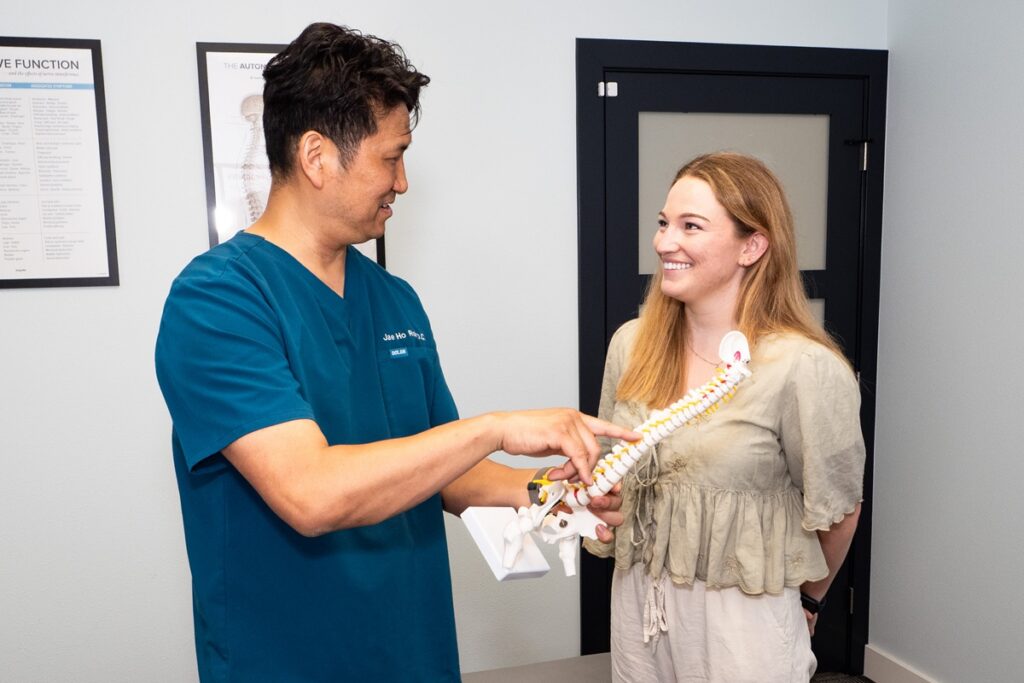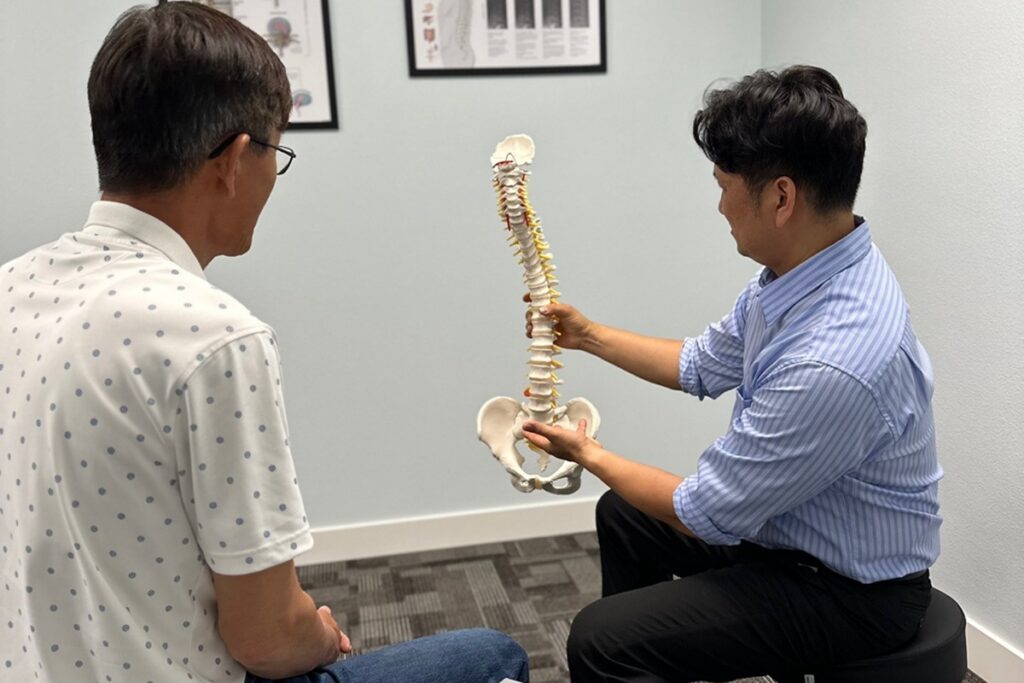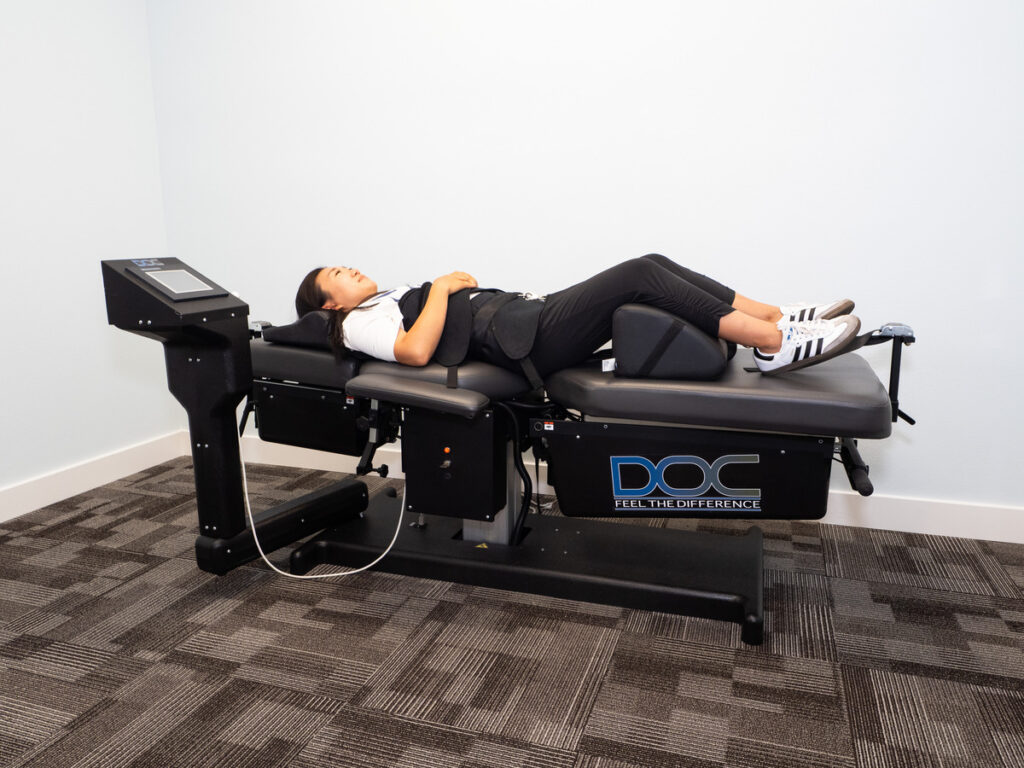

As your local chiropractor, I want to share with you just how much control you have over preventing chronic pain naturally. Many people aren't aware of the impact that simple lifestyle changes can have on their health. By making some adjustments to your daily routine, you can significantly lower your risk of developing chronic pain and enhance your overall well-being.
Staying active is crucial—regular movement helps keep your body resilient and can alleviate stress on your joints. Additionally, practicing mindfulness techniques can help you manage pain and improve your mental health. Each of these strategies is vital as we work together on your healing journey.
If you're interested in learning how these methods can be integrated into your life, I encourage you to explore the best approaches that can truly make a difference. Together, we can create a personalized plan that prioritizes your health and reduces the chances of chronic pain.
Stay Active Regularly
As your local chiropractor, I want to emphasize the importance of staying active regularly to help manage chronic pain. Engaging in consistent physical activity can truly make a significant difference in your overall well-being. It strengthens your muscles, enhances flexibility, and builds your endurance—all vital components for maintaining a healthy, pain-free life.
When you move, you promote better blood flow, which is essential for healing and reducing stiffness. By incorporating regular exercise into your routine, you can effectively manage pain and improve your quality of life without relying solely on medications.
Start by exploring activities that you genuinely enjoy, such as walking, swimming, cycling, or even dancing. It's recommended to aim for at least 150 minutes of moderate aerobic activity each week, which can easily be broken down into manageable sessions. Remember, even short bursts of movement can have a positive impact, so don't feel pressured to do it all at once.
It's important to listen to your body; adjust the intensity of your activities based on how you're feeling. If something doesn't seem right, don't hesitate to modify your routine or seek advice from a healthcare professional.
In addition to aerobic activities, strength training is crucial. It builds muscle around your joints, providing better support and stability. Aim to incorporate exercises that target major muscle groups at least twice a week.
Additionally, practices like yoga and stretching can enhance your flexibility and alleviate tension, making them excellent complements to your routine.
As your chiropractor, I'm here to guide you through these practices and help you create a personalized plan that suits your needs. Embracing an active lifestyle can be a powerful tool in your journey toward natural healing and pain management.
Practice Mindfulness Techniques
As a local chiropractor, I want to share with you how mindfulness techniques can play a significant role in managing chronic pain naturally. By focusing your attention on the present moment, you can create a mental space that allows you to detach from pain and stress, which is vital for your healing process.
To get started, find a quiet and comfortable place where you can sit without distractions. Close your eyes and take a few deep breaths, allowing your body to relax more with each exhale. This simple practice helps pave the way for healing.
Next, bring your awareness to your body. Pay attention to any areas that may feel tense or painful. Instead of trying to push the pain away, acknowledge its presence without judgment. This acceptance can significantly reduce the emotional response to pain, making it feel more manageable and less overwhelming.
I often recommend guided meditations to my patients. These can guide you through visualizations or breathing exercises tailored to promote relaxation and pain relief. There are numerous apps and online resources that provide a variety of options, making it easy to integrate mindfulness into your daily routine.
Incorporating mindfulness into your life doesn't require a large time commitment. Even dedicating just a few minutes each day can lead to meaningful changes. Try practicing mindfulness during everyday activities, such as enjoying a meal or taking a walk. Focus on the sensations, flavors, and sounds around you, immersing yourself in the experience.
Over time, as you practice mindfulness, you may find that it enhances your ability to cope with chronic pain. This practice gives you tools to remain calm and centered, even when discomfort arises.
It's important to understand that mindfulness isn't about eliminating pain; rather, it's about transforming your relationship with it. Embrace this holistic approach, and you might discover greater relief and a more positive outlook on your journey with chronic pain.
Maintain a Healthy Diet
As a local chiropractor, I want to share some important insights about managing chronic pain through natural healing methods, particularly by focusing on your diet. Many people may not realize that what you eat can significantly influence how your body feels and operates.
A nutritious, balanced diet filled with anti-inflammatory foods can play a crucial role in alleviating pain and enhancing your overall health. Here are some dietary recommendations I encourage you to consider:
- Incorporate Omega-3 Fatty Acids: Foods such as salmon, walnuts, and flaxseeds are excellent sources of omega-3 fatty acids. These healthy fats have been shown to help reduce inflammation and lower pain levels, making them a great addition to your diet.
- Load Up on Fruits and Vegetables: Aim to fill your plate with brightly colored fruits and vegetables. Options like berries, leafy greens, and bell peppers are packed with antioxidants that help combat oxidative stress in your body, which can be a contributing factor to chronic pain.
- Stay Hydrated: It's crucial to drink enough water throughout the day. Proper hydration supports healthy joints and muscles, while dehydration can lead to muscle cramps and increased discomfort.
By making these dietary changes, you can support your body's natural healing processes and work towards better pain management.
Get Sufficient Sleep
As your local chiropractor, I want to emphasize the importance of getting sufficient sleep, especially when it comes to managing chronic pain.
Quality sleep is crucial for your overall well-being and can significantly impact how you feel on a daily basis. By incorporating good sleep hygiene practices and creating an optimal sleep environment, you can enhance your sleep quality.
Remember, the right amount of sleep not only supports your body's healing processes but also complements the chiropractic care you receive.
Prioritizing your sleep can make a real difference in your journey towards better health and pain management.
Sleep Hygiene Practices
As a local chiropractor dedicated to your overall health and well-being, I want to emphasize the importance of a good night's sleep, especially for those managing chronic pain.
Quality sleep is essential not only for recovery but also for maintaining a healthy lifestyle. Implementing effective sleep hygiene practices can significantly enhance your sleep quality, allowing you to wake up rejuvenated and ready to face the day.
Here are some strategies to consider incorporating into your nightly routine:
- Stick to a consistent sleep schedule: Aim to go to bed and rise at the same time each day, including weekends. This consistency helps regulate your body's internal clock, which can lead to more restorative sleep.
- Limit screen time before bed: The blue light from your devices—like smartphones, tablets, and computers—can disrupt your natural sleep cycle. I recommend avoiding screens for at least an hour before bedtime to help your body prepare for sleep.
- Establish a relaxing bedtime routine: Engage in soothing activities such as reading, meditating, or enjoying a warm bath. These practices can signal to your body that it's time to unwind and promote a sense of calm, making it easier to drift off to sleep.
By integrating these sleep hygiene practices into your life, you can support your body's healing processes and enhance the benefits of chiropractic care.
Ideal Sleep Environment
As a local chiropractor, I want to emphasize the importance of creating an ideal sleep environment to support your overall health, particularly if you're dealing with chronic pain. Achieving sufficient rest is crucial, and there are several strategies you can implement in your bedroom to enhance your sleep quality.
First, make sure your sleeping space is dark, quiet, and cool. Consider using blackout curtains to block out any light that might disrupt your rest. If noise is an issue, earplugs or a white noise machine can be effective tools to help you drown out any distracting sounds. Additionally, investing in a comfortable mattress and supportive pillows tailored to your needs can significantly improve your sleep experience.
Another important aspect is decluttering your space. A tidy environment can help reduce stress and promote relaxation, making it easier for you to unwind at the end of the day.
I also recommend keeping electronics out of your bedroom. The blue light emitted from screens can interfere with your sleep cycle, so creating a tech-free haven can be very beneficial.
Establishing a calming pre-sleep routine is also vital in signaling to your body that it's time to wind down. This could involve activities such as reading, gentle stretching, or practicing deep breathing exercises.
Lastly, consider incorporating aromatherapy into your routine with essential oils like lavender or chamomile, both of which are known for their relaxing properties.
By focusing on these elements of your sleep environment, you can create a sanctuary that not only promotes deeper, more restorative sleep but also aids in managing chronic pain more effectively.
As your chiropractor, I encourage you to prioritize your sleep hygiene as part of your overall wellness journey.
Sleep Duration Importance
As your local chiropractor, I want to emphasize the importance of sleep for your overall health and well-being, especially if you're dealing with chronic pain. Many people underestimate how much sleep impacts their bodies, but sacrificing it for other responsibilities can actually worsen your discomfort.
Research indicates that insufficient sleep can lead to increased inflammation and heightened pain sensitivity, making your experience of pain even more intense. Prioritizing quality sleep is crucial for your body to heal and regenerate, particularly when you're managing ongoing pain issues.
To enhance your sleep duration and quality, here are some practical tips:
- Stick to a Schedule: Aim to go to bed and wake up at the same time every day. This consistency helps regulate your body's internal clock, which can make it easier for you to fall asleep and wake up feeling refreshed and ready for the day.
- Limit Screen Time: Try to reduce your exposure to screens at least an hour before bedtime. The blue light emitted from phones, tablets, and computers can interfere with your body's melatonin production, making it more challenging to drift off to sleep.
- Practice Relaxation Techniques: Engage in calming activities such as meditation or deep breathing exercises before bed. These techniques can help quiet your mind and prepare your body for a restorative night's sleep.
By incorporating these practices into your routine, you can support your healing journey and improve your overall well-being.
Stay Hydrated
As your local chiropractor, I want to emphasize the importance of staying hydrated in your journey towards managing chronic pain. Water is crucial for your body's overall health, and being well-hydrated can significantly reduce your discomfort. When you're dehydrated, you may experience muscle cramps, fatigue, and headaches, all of which can worsen chronic pain.
By drinking sufficient water, you help keep your muscles and joints lubricated, which can alleviate stiffness and enhance your mobility.
I recommend aiming for at least eight 8-ounce glasses of water daily, but keep in mind that everyone's needs can differ based on activity levels, climate, and overall health. A practical tip is to keep a water bottle with you as a reminder to sip throughout the day.
If plain water doesn't appeal to you, try adding slices of lemon, lime, or cucumber for a refreshing twist.
Don't overlook the hydration you can get from your meals! Fruits and vegetables such as watermelon, cucumber, and oranges not only hydrate but also deliver essential vitamins and minerals that support your overall wellness.
Herbal teas and low-sodium broths are also excellent ways to boost your fluid intake without the added sugars or calories.
Pay attention to your body. If you feel thirsty or notice darker urine, it's a signal to increase your water intake.
By being proactive about hydration, you can improve your pain management and enhance your ability to enjoy daily activities without discomfort.
Make staying hydrated a regular part of your routine, and you may be surprised by the positive impact it has on your journey to natural healing.
Incorporate Stretching Routines
As your local chiropractor, I want to emphasize the importance of incorporating stretching routines into your daily life. Many patients are often unaware that regular stretching can significantly reduce the risk of chronic pain and discomfort.
By understanding key stretching techniques and the best times to perform them, you can enhance your body's flexibility and resilience. Stretching not only helps to relieve tension in your muscles but also promotes better circulation, which can aid in the healing process.
Whether you're looking to alleviate back pain, improve your posture, or simply maintain your overall well-being, a consistent stretching practice is essential.
Let's explore some effective stretching routines and how they can seamlessly fit into your daily schedule. Making stretching a habit can lead to lasting improvements in your physical health and quality of life.
Daily Stretching Benefits
As a local chiropractor, I want to emphasize the importance of daily stretching routines for enhancing your overall well-being, particularly in managing chronic pain. Many of my patients are surprised to learn that incorporating stretching into their daily lives can't only alleviate discomfort but also significantly improve flexibility and mobility. The benefits are extensive and can lead to a more active and fulfilling lifestyle.
Here are some key advantages of daily stretching that I often share with my patients:
- Reduced Muscle Tension: Stretching is an effective way to release tight muscles, which promotes relaxation and can help reduce pain. This is especially important for those who experience chronic discomfort.
- Improved Circulation: When you stretch regularly, you increase blood flow to your muscles. This enhanced circulation aids in recovery and contributes to your overall health and vitality.
- Enhanced Posture: Stretching not only strengthens muscles but also improves alignment. This can help prevent pain that often arises from poor posture, a common issue I see in many patients.
Integrating stretching into your daily routine doesn't have to take up a lot of time. In fact, just a few minutes each day can yield significant benefits. You can easily incorporate stretches during your morning routine or even while relaxing in front of the TV.
The key is consistency. By dedicating time to stretch each day, you're taking proactive steps toward managing chronic pain naturally and improving your quality of life.
As your chiropractor, I encourage you to make stretching a priority. It's a simple yet powerful tool that can complement your chiropractic care and promote a healthier, more active lifestyle.
Key Stretching Techniques
As a local chiropractor, I want to emphasize the importance of daily stretching as a vital component of your wellness routine. Understanding specific techniques can significantly enhance your flexibility and overall health.
To begin, I recommend starting with dynamic stretches, such as arm circles and leg swings. These movements are excellent for warming up your muscles, increasing blood flow, and preparing your body for deeper, more effective stretches.
Once you've warmed up, it's essential to incorporate static stretching into your routine. Focus on the major muscle groups, holding each stretch for about 15 to 30 seconds. For example, try a standing quadriceps stretch by pulling your heel toward your glutes while balancing on one leg. This technique not only improves flexibility but also helps alleviate tension in your muscles.
Don't overlook your hip flexors! A lunge stretch can be incredibly beneficial. Simply step forward with one foot, lower your hips, and hold the position to feel the stretch in your back leg. This can promote better mobility and ease discomfort.
In addition, integrating yoga poses—like downward dog and child's pose—can greatly enhance your stretching routine. These poses not only help stretch your muscles but also encourage relaxation, which is crucial for overall health.
Lastly, I highly recommend considering the use of a foam roller to target any tight areas in your body. Rolling out muscle knots can relieve discomfort and improve your flexibility, supporting your body's natural healing processes.
By incorporating these key stretching techniques into your daily routine, you can take significant steps toward preventing chronic pain and enhancing your overall well-being.
Timing and Frequency
As a local chiropractor dedicated to helping you achieve optimal health and wellness, I want to emphasize the importance of timing and frequency in your stretching routine to effectively prevent chronic pain.
Incorporating regular stretching into your daily life can significantly alleviate tension and enhance your flexibility. Here are some essential tips for you to consider:
- Start your day with stretching: Engaging in a gentle stretching routine in the morning can help activate your muscles and joints, preparing your body for the day ahead and fostering a sense of well-being.
- Prioritize frequency: I recommend aiming to stretch at least 3-4 times a week. Consistency is crucial for maintaining flexibility and preventing stiffness, which can contribute to pain over time.
- Tune in to your body: It's vital to listen to how your body responds during and after stretching. If you experience any discomfort, it may be beneficial to modify your routine or consult with a professional, such as a chiropractor, who can provide personalized guidance tailored to your needs.
By following these tips, you can take proactive steps toward alleviating pain and enhancing your overall quality of life.
Use Natural Supplements
As a local chiropractor, I understand that managing chronic pain can be an overwhelming experience for many of you. That's why I want to share how incorporating natural supplements into your daily routine can offer you some relief. These supplements can help reduce inflammation, improve your mobility, and alleviate discomfort without the side effects that often come with pharmaceutical medications.
One of the most popular and effective options is turmeric, which contains curcumin. This powerful compound is known for its strong anti-inflammatory properties. You can easily incorporate turmeric into your meals or consider taking it in capsule form for convenience.
Another natural supplement that many find beneficial is omega-3 fatty acids, which are commonly found in fish oil. These fatty acids are known to help reduce joint pain and stiffness, making them an excellent addition to your daily regimen for managing pain.
Magnesium is also a key player in muscle function and can help prevent muscle cramps and spasms. You can naturally get magnesium from foods like spinach, nuts, and whole grains. If you're finding it difficult to meet your daily intake through food alone, a magnesium supplement might be a good option for you.
Don't overlook ginger either! This natural supplement has anti-inflammatory effects and may help ease pain associated with conditions like arthritis. You can enjoy ginger as a tea, add it to your smoothies, or take it in capsule form.
Lastly, I'd like to introduce you to boswellia serrata, an herbal extract that has been shown to reduce inflammation and improve joint function. When selecting this supplement, be sure to choose a high-quality product to ensure you're getting the most out of it.
Before you start any new supplement, it's crucial to discuss it with your healthcare provider to ensure it's safe for you and won't interact with any other medications you may be taking.
Manage Stress Effectively
As a local chiropractor, I want to emphasize the importance of managing stress effectively to help prevent chronic pain.
Incorporating mindfulness and meditation techniques into your daily routine can greatly calm your mind and ease tension in your body. Additionally, engaging in regular physical activity and exercise not only enhances your mood but also builds resilience against stress.
By prioritizing these natural strategies, you can establish a solid foundation for a healthier, pain-free life.
Remember, chiropractic care works hand in hand with these practices to support your overall well-being.
Let's work together to find the best approach for you!
Mindfulness and Meditation Techniques
As a chiropractor dedicated to your holistic health, I often emphasize the importance of incorporating mindfulness and meditation techniques into your daily life.
These practices can significantly help in managing stress and enhancing your overall well-being, which are crucial aspects of your recovery and pain management journey. By learning to stay present and focus on the moment, you can effectively manage overwhelming thoughts and emotions that may contribute to chronic pain.
Here are three straightforward techniques that you can easily integrate into your routine:
- Breath Awareness: I recommend setting aside a few minutes each day to concentrate solely on your breathing. Inhale deeply through your nose, hold it for a moment, and then exhale slowly through your mouth. This simple exercise can ground you, reduce anxiety, and promote relaxation, which is essential for healing.
- Body Scan: Find a comfortable position, either lying down or seated, and mentally scan your body from head to toe. Pay attention to any areas of tension or discomfort. Acknowledge these sensations and consciously relax those areas. This practice increases your body awareness and can help alleviate stress, supporting your overall recovery.
- Guided Meditation: Utilize apps or online resources to access guided meditations that focus on relaxation and pain relief. These sessions can provide you with structure and help maintain your focus, making it easier to incorporate meditation into your wellness routine.
By integrating these mindfulness and meditation techniques into your daily life, you can support the natural healing processes of your body and enhance the benefits of your chiropractic care.
Physical Activity and Exercise
As a local chiropractor, I want to emphasize the importance of regular physical activity in managing stress and enhancing your overall well-being. When you engage in exercise, your body releases endorphins, which are natural mood enhancers. This can significantly help in reducing feelings of anxiety and depression, making it easier to handle daily stressors.
You don't necessarily have to spend hours in the gym to experience these benefits. Simple activities like walking, dancing, or even gardening can have a profound effect on your mood and stress levels. I recommend aiming for at least 150 minutes of moderate exercise each week. You'll likely notice improvements not just in your physical health, but also in your emotional well-being.
In addition to aerobic activities, incorporating strength training and flexibility exercises into your routine can be incredibly beneficial. These forms of exercise not only bolster your physical health but also provide a sense of accomplishment, which can enhance your confidence.
As you embark on this journey, it's crucial to listen to your body and select activities that you genuinely enjoy. This will make it much easier to maintain a consistent routine.
Furthermore, I encourage you to consider integrating physical activity with mindfulness practices. For example, yoga or tai chi can be excellent ways to combine movement with deep breathing exercises, offering a comprehensive approach to stress management.
Limit Alcohol and Tobacco
As a local chiropractor, I want to emphasize the importance of limiting alcohol and tobacco for your overall health and well-being. Many people may not realize that both substances can play a significant role in contributing to inflammation, disrupting sleep, and increasing sensitivity to pain. By reducing or eliminating these habits, you can greatly enhance your chances of living a pain-free and healthier life.
Here are a few benefits you might notice when you cut back on alcohol and tobacco:
- Improved Sleep Quality: Alcohol and nicotine can interfere with your sleep patterns. By avoiding these substances, you may find that you experience deeper, more restorative sleep. Quality sleep is essential for recovery and effective pain management, which is a crucial aspect of chiropractic care.
- Reduced Inflammation: Both alcohol and tobacco can trigger inflammatory responses in the body. By limiting their intake, you can help lower inflammation levels, which can lead to a reduction in chronic pain symptoms that I often see in my practice.
- Enhanced Mood and Stress Levels: While some may view alcohol as a way to relieve stress, it can actually lead to increased anxiety and mood swings. By cutting back, you can improve your emotional well-being, making it easier to cope with pain and the challenges that come with it.
Understanding the connection between alcohol, tobacco, and your overall health is vital. By consciously making an effort to limit these substances, you're taking proactive steps not only to prevent chronic pain but also to enhance your quality of life.
Seek Professional Guidance
Navigating your health journey, particularly when dealing with chronic pain, can feel daunting. As a local chiropractor, I want to emphasize the importance of seeking professional guidance, especially when exploring natural healing options.
Chiropractic care is a holistic approach that focuses on the relationship between the spine and the nervous system, which can significantly impact your overall health and pain levels.
If you're experiencing chronic pain, I encourage you to schedule a consultation with me or another chiropractor in your area. During your visit, we'll assess the underlying causes of your pain and develop a personalized treatment plan tailored to your specific needs. This may include spinal adjustments, soft tissue therapies, and exercises designed to enhance mobility and reduce discomfort.
It's also important to consider how your lifestyle choices, including diet and exercise, can influence your pain management. A well-rounded approach can involve discussing nutritional changes that may help reduce inflammation.
As your chiropractor, I can guide you through exercises that complement your treatment and promote overall wellness.
In addition to physical care, it's crucial to address the mental and emotional aspects of chronic pain. I often encourage patients to seek support from mental health professionals, who can provide coping strategies. Techniques like mindfulness and cognitive-behavioral therapy can be beneficial in managing the psychological impact of persistent pain.
Conclusion
As a local chiropractor, I want to share some valuable strategies that can help you prevent chronic pain naturally. By incorporating these practices into your daily life, you can take charge of your well-being. Staying active is crucial; regular movement can keep your body flexible and strong. I also encourage you to practice mindfulness, as it can help you manage stress and promote a sense of calm.
A balanced diet plays a significant role in overall health, so focus on nourishing your body with wholesome foods. Don't overlook the importance of quality sleep and staying hydrated; both are essential for recovery and maintaining energy levels. Additionally, managing stress and reducing alcohol and tobacco use can lead to notable improvements in your health.
I always recommend seeking professional guidance when necessary. A chiropractor can offer personalized advice and support tailored to your unique needs. By embracing these habits, you are setting the stage for a healthier, pain-free life. Remember, natural healing is a journey, and I'm here to help you every step of the way.