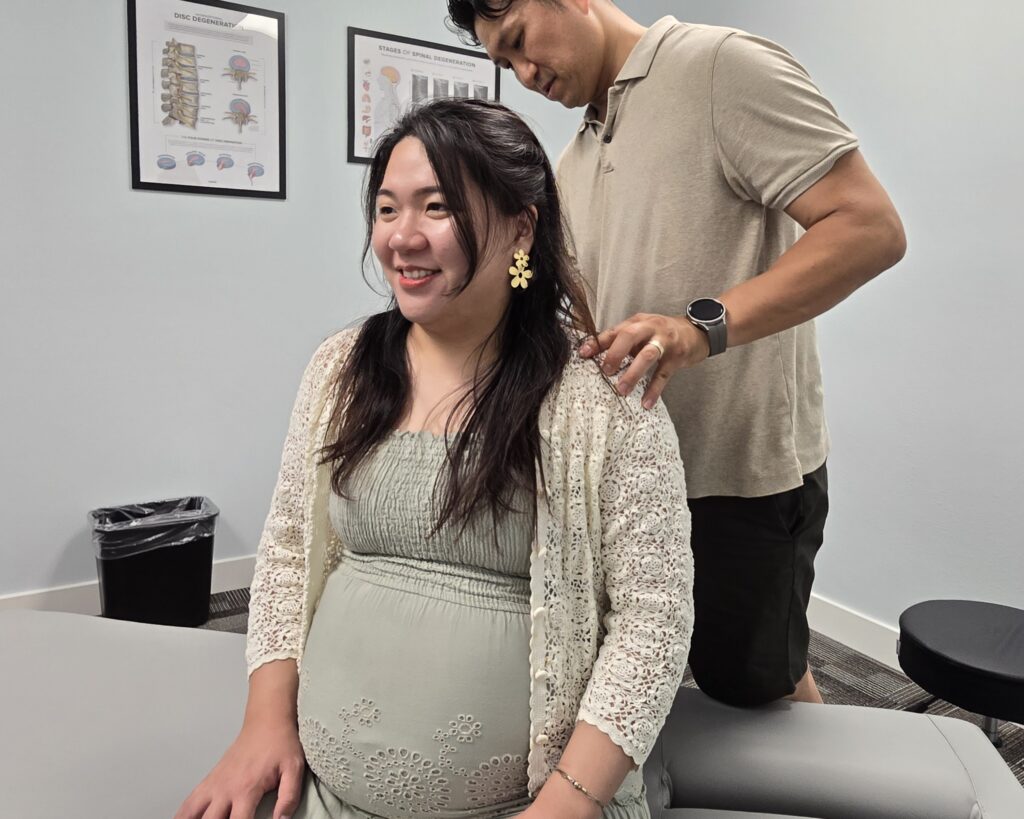

When you consider your healthcare experience, tailored treatment plans stand out for several reasons that can greatly impact your journey. First, they lead to improved patient outcomes by focusing on your unique needs and preferences. Next, these personalized plans enhance your satisfaction, making you feel more involved in your care. Finally, streamlined approaches increase healthcare efficiency, benefiting both you and your providers. But how do these factors interconnect, and what implications do they have for your overall health management?
Improved Patient Outcomes
When you tailor treatment plans to individual needs, you'll often see improved patient outcomes. Personalizing care means you're considering each patient's unique circumstances, preferences, and medical history. This approach allows you to address specific health concerns more effectively, leading to better management of conditions and faster recovery times.
By focusing on an individual's needs, you're more likely to choose interventions that resonate with them, increasing their adherence to treatment. For instance, when you incorporate a patient's lifestyle factors, such as their diet, exercise habits, and medication preferences, they're more inclined to stick to the plan. This commitment can result in measurable improvements, like reduced symptoms or enhanced quality of life.
Additionally, tailored treatment plans often involve more thorough assessments. You might include diagnostic tests or screenings that are relevant to the patient's situation, ensuring you're capturing the full picture of their health. This thoroughness can lead to earlier detection of potential complications, allowing for timely interventions.
Moreover, when patients feel that their concerns are heard and considered, it fosters a sense of partnership in their care. This collaboration can empower them, motivating them to take an active role in their health journey.
Ultimately, improved patient outcomes stem from a combination of personalized strategies, informed decision-making, and collaborative relationships between you and your patients. By embracing tailored treatment plans, you're not just treating symptoms; you're enhancing lives.
Enhanced Patient Satisfaction
Tailoring treatment plans doesn't just improve outcomes; it greatly boosts patient satisfaction as well. When you feel that your healthcare provider truly understands your unique circumstances and preferences, it fosters a sense of trust and connection. You're more likely to engage in your treatment when it's designed just for you, which leads to a more positive experience overall.
Imagine walking into a doctor's office where your specific needs are prioritized. Your treatment plan reflects your lifestyle, values, and medical history. This personal touch makes you feel valued, and it shows that your healthcare team is invested in your well-being. When you see that your concerns are acknowledged and addressed, it reduces anxiety and builds confidence in the care you're receiving.
Moreover, tailored plans often lead to clearer communication. You're more likely to ask questions and provide feedback when you understand that your treatment is customized for you. This open dialogue enhances your involvement in the decision-making process, allowing you to express your preferences and participate actively in your health journey.
Additionally, when you experience positive outcomes from a tailored approach, your satisfaction naturally increases. Success breeds trust, and trust leads to a stronger patient-provider relationship. You'll likely recommend your healthcare provider to others, further enhancing their reputation.
Ultimately, tailored treatment plans create a win-win situation where you feel heard, valued, and empowered in your healthcare experience.
Increased Healthcare Efficiency
Increased healthcare efficiency is a game changer for both patients and providers. When treatment plans are tailored to individual needs, you'll notice a significant reduction in wasted time and resources. By focusing on what works best for you, healthcare providers can streamline processes and optimize outcomes. This means fewer unnecessary tests, quicker diagnoses, and more effective treatments.
Imagine walking into a clinic where the staff already knows your medical history and preferences. With tailored treatment plans, healthcare providers can access your information quickly, enabling them to make informed decisions without delay. This efficiency not only enhances the quality of care but also reduces wait times, allowing you to receive treatment sooner.
Moreover, improved efficiency translates to cost savings. When resources are allocated effectively, healthcare systems can lower expenses for both patients and providers. You won't have to worry about paying for redundant tests or treatments that don't apply to your unique situation. Instead, your care becomes more targeted and cost-effective.
Additionally, with increased efficiency, healthcare providers can manage their caseloads better. They can spend more time with you, focusing on building a relationship and understanding your specific concerns. This personalized approach fosters trust and leads to better health outcomes.
In essence, tailored treatment plans create a win-win scenario. You get the care you need without the hassle, while providers can deliver high-quality services more efficiently. It's a shift towards a more effective healthcare system that benefits everyone involved.
Conclusion
To sum up, tailored treatment plans truly transform healthcare by putting you at the center of your care. You'll experience improved outcomes as your specific needs are addressed, leading to faster recovery. Plus, when your preferences are considered, your satisfaction skyrockets, making you feel more connected to your healthcare team. Finally, these personalized approaches enhance efficiency, saving time and resources for everyone involved. Embracing tailored treatment plans means better health and a more satisfying healthcare journey for you.