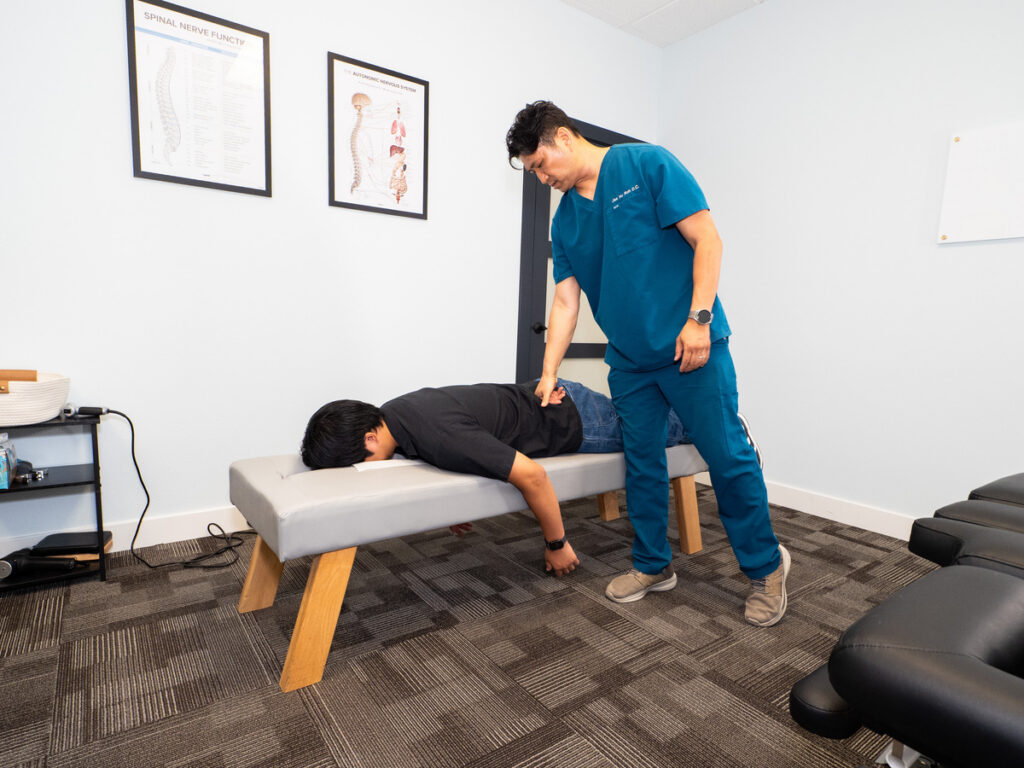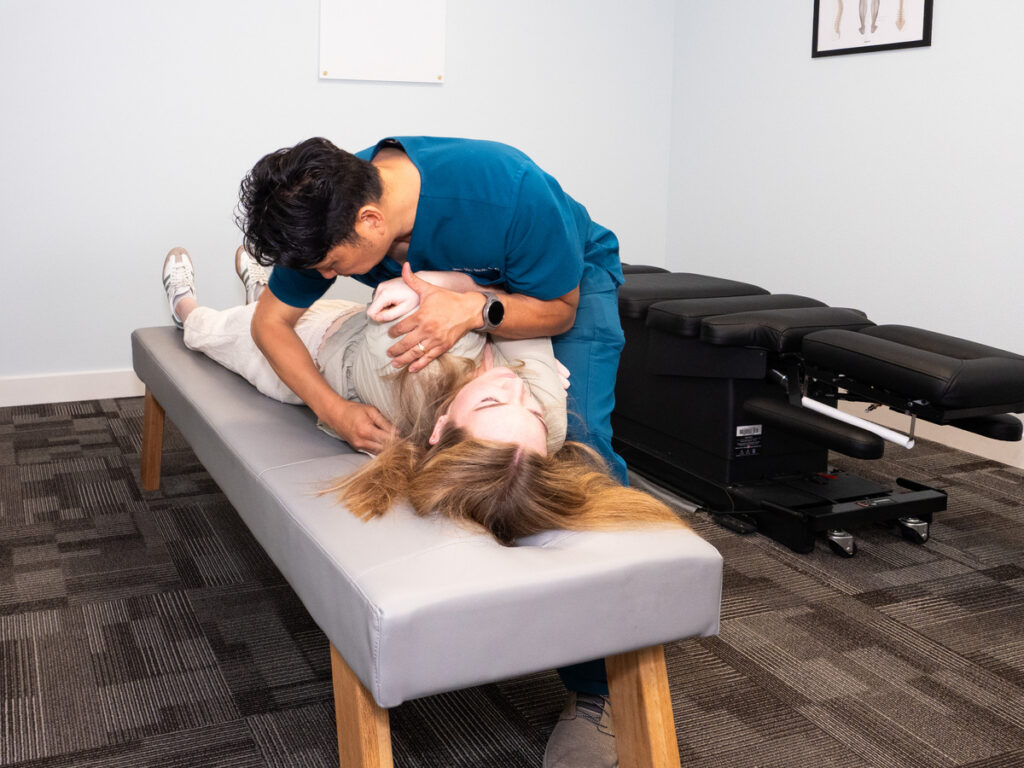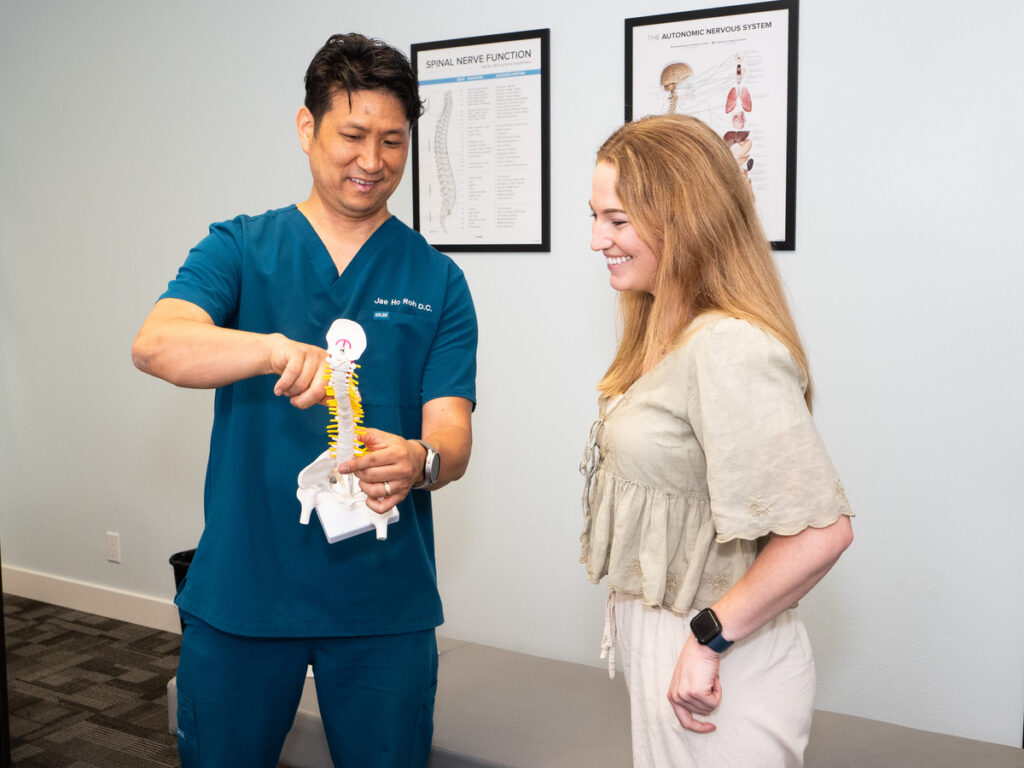

As a local chiropractor, I want to assure you that if you're dealing with back pain, you're not alone in this struggle. Many individuals experience similar discomfort, and I'm here to share effective strategies that can provide you with relief starting today.
Incorporating simple stretching techniques and making ergonomic adjustments to your workspace can lead to significant improvements in your comfort levels. You may be surprised to learn that minor changes in your daily routine can make a big difference in how you feel.
Are you curious about which methods will work best for you? Let's discuss how to integrate these natural healing practices into your life for optimal results. Together, we can explore these options and find the relief you deserve.
Stretching Techniques
As a local chiropractor, I want to share with you the transformative benefits of stretching, especially when it comes to alleviating back pain. Incorporating regular stretching into your routine can lead to significant improvements in your flexibility, posture, and overall muscle tension, all of which are essential for reducing discomfort in your back.
Let's start with some basic stretches that focus on your lower back and hips. One of my favorites is the cat-cow stretch. To perform this, get down on your hands and knees. As you inhale, arch your back, and as you exhale, round it. Repeat this motion for about a minute. You'll be amazed at how much tension can be released from your muscles with just this simple exercise.
Another highly effective stretch is the child's pose. Sit back on your heels, extend your arms out in front of you, and lower your torso toward the ground. Hold this position for 30 seconds to a minute, taking deep breaths. This stretch not only helps to elongate your spine but also promotes relaxation in your back muscles.
Don't overlook the importance of the hamstring stretch, which can have a profound effect on your back health. Sit on the floor with one leg extended and the other bent. Reach toward the toes of your extended leg, and you'll feel a gentle stretch in your hamstring and lower back. Hold this stretch for 20-30 seconds before switching to the other leg.
Remember, consistency is vital. Aim to stretch daily or at least several times a week. If you find yourself feeling particularly stiff or sore, take a few extra minutes to stretch before or after your daily activities.
These simple techniques can be a cornerstone of your journey toward relief from back pain and overall wellness. As your chiropractor, I'm here to guide you on this path to natural healing.
Heat and Cold Therapy
As a local chiropractor, I want to share some effective techniques you can incorporate into your routine to help alleviate back pain. One powerful approach is the use of heat and cold therapy, both of which can provide significant relief through distinct mechanisms.
Heat therapy is excellent for relaxing and loosening tight muscles, while also boosting blood flow to the affected area. This can be achieved through a variety of methods, such as using a heating pad, a hot water bottle, or enjoying a warm bath. Just be cautious with the temperature; always test the heat to prevent burns.
I recommend applying heat for about 15 to 20 minutes at a time, as this can create a soothing sensation that may ease your discomfort.
On the other hand, cold therapy is beneficial for reducing inflammation and numbing sharp pain. Common methods include ice packs or even a bag of frozen vegetables wrapped in a towel. Similar to heat, you should apply cold therapy for 15 to 20 minutes, ensuring your skin returns to its normal temperature between sessions.
This method is particularly effective right after an injury or during intense soreness.
For optimal results, consider alternating between heat and cold therapy. Start with cold to tackle inflammation, and then switch to heat for muscle relaxation. It's essential to listen to your body; if one method feels more effective for you, feel free to stick with it.
If your pain persists or worsens, I encourage you to consult with a healthcare professional. Incorporating heat and cold therapy into your self-care routine could be the key to finding relief and regaining your mobility.
Posture Improvement
As a local chiropractor, I want to emphasize how improving your posture can significantly alleviate back pain. Many of my patients are surprised to learn that simple adjustments in your daily habits can have a profound impact on your overall health.
By focusing on proper sitting techniques, maintaining correct standing alignment, and creating ergonomic workspaces, you can effectively support your back and promote a healthier spine.
Let's dive into some essential tips that I often share with my patients to help them maintain a healthy posture throughout their day.
Correct Sitting Techniques
As a chiropractor, I want to emphasize the importance of good posture for maintaining a healthy spine and preventing back pain, especially if you find yourself sitting for extended periods.
It's crucial to create an environment that supports your body properly. Start by selecting a chair that offers adequate support for your back. Your feet should rest flat on the floor, or consider using a footrest if your feet can't reach the ground comfortably. Aim to keep your knees at or slightly below hip level to promote ideal alignment.
When you sit in the chair, make sure to sit all the way back so that your lower back is adequately supported. You might find it helpful to use a small cushion or a rolled towel to help maintain the natural curve of your spine. Your arms should rest easily on the desk or on armrests, with your elbows forming about a 90-degree angle.
Be mindful to avoid slouching or leaning forward, as these positions can place unnecessary strain on your back and neck. Instead, keep your shoulders relaxed and aligned with your hips.
Position your computer screen at eye level to avoid craning your neck, which can lead to discomfort.
Lastly, I can't stress enough the importance of taking regular breaks. Stand up, stretch, and walk around every 30 minutes to relieve tension and improve circulation.
Standing Alignment Tips
As a local chiropractor, I want to share some important tips on standing alignment that can greatly benefit your overall health and well-being. Proper alignment while standing is crucial for minimizing strain on your back and enhancing your body's natural function.
First and foremost, it's important to distribute your weight evenly between both feet. Aim for a shoulder-width stance, which creates a solid foundation for your body. Keep your knees slightly bent; locking them can lead to discomfort and tension in your lower back.
Engaging your core muscles is vital for providing support to your spine and helping you maintain good posture. This engagement will prevent slouching and promote stability. Your shoulders should be relaxed, yet drawn back, ensuring they align with your hips. Avoid hunching forward or leaning excessively back, as these positions can put unnecessary pressure on your spine.
When it comes to your head position, it should rest directly over your shoulders rather than jutting forward. Picture a string gently pulling the crown of your head upward. This visualization can help you maintain neck alignment and reduce strain.
Lastly, if you find yourself standing for extended periods, it's essential to take breaks. Shift your weight from one foot to the other, or take short walks to keep your muscles active and prevent fatigue.
Ergonomic Workspaces Essentials
As a chiropractor, I can't stress enough the importance of creating an ergonomic workspace to help maintain good posture and minimize the risk of back pain, especially during those long hours of work.
By making some simple adjustments, you can cultivate a more comfortable environment that supports your body's natural alignment. Here are a few key essentials to consider:
- Chair Height: It's essential that your chair allows your feet to rest flat on the floor, with your knees positioned at a 90-degree angle. This simple adjustment can significantly alleviate strain on your lower back and promote proper spinal alignment.
- Desk Height: Ensure your desk is set at elbow height while you're seated. This positioning keeps your arms parallel to the ground and helps reduce any tension in your shoulders and neck, ultimately contributing to overall spinal health.
- Monitor Position: The top of your monitor should be at or just below eye level. This prevents unnecessary neck strain and encourages a more natural head position, which is vital for preventing discomfort and long-term issues.
By implementing these ergonomic essentials, you can greatly improve your posture and comfort levels throughout the day.
Remember, a well-designed workspace isn't merely about aesthetics; it's about fostering an environment that supports your health and well-being while you work.
I encourage you to make these changes today, and I believe you'll notice a remarkable difference in how your back feels both during and after your work hours. Your body will thank you!
Strengthening Exercises
As a local chiropractor, I want to help you understand how strengthening exercises can play a crucial role in alleviating back pain.
It's important to focus on exercises that enhance your core stability, as a strong core supports your spine and helps prevent discomfort.
Additionally, incorporating targeted routines for stretching and flexibility is vital for your recovery process.
These exercises not only help in building a stronger back but also promote overall resilience.
Let's delve into how these practices can aid you in achieving a healthier, pain-free life.
Core Stability Exercises
As a local chiropractor, I want to emphasize the importance of core stability exercises in promoting a healthy spine and reducing back pain.
These exercises are vital for strengthening the muscles surrounding your core—your abdomen, hips, and lower back. A strong core provides essential support for your spine, especially during everyday activities. When these core muscles are well-conditioned, they help maintain proper posture and alignment, alleviating pressure on your back and enhancing overall spinal health.
Here are three effective core stability exercises that I recommend incorporating into your routine:
- Planks: This exercise involves keeping your body in a straight line from head to heels while resting on your forearms and toes. Aim to hold this position for 20-30 seconds, gradually increasing the duration as your strength improves. Planks are excellent for building endurance in your core muscles.
- Bird-Dog: Begin on all fours, then extend one arm forward and the opposite leg backward simultaneously. This exercise not only promotes balance and coordination but also effectively engages your core, making it a fantastic addition to your routine.
- Dead Bug: Lie on your back with your arms extended toward the ceiling and knees bent at a 90-degree angle. Slowly lower one arm and the opposite leg toward the floor, then return to the starting position. This move is great for enhancing core stability and improving coordination.
Incorporating these exercises into your daily routine can significantly contribute to your overall spinal health and well-being.
If you have any questions or need personalized guidance, feel free to reach out during your next visit!
Stretching and Flexibility Routines
As a local Chiropractor, I want to emphasize the importance of incorporating stretching and flexibility routines into your daily life for better spinal health and overall well-being. Many people are unaware of how stretching can relieve muscle tension and enhance your range of motion, which is vital for performing everyday activities comfortably.
I recommend starting with gentle stretches that focus on key areas like your lower back, hamstrings, and hip flexors. One effective stretch is the seated forward bend: sit with your legs extended in front of you, reach for your toes, and hold the position for 20-30 seconds. This simple stretch can help alleviate tightness and improve your flexibility.
Another valuable exercise to add to your routine is the cat-cow stretch. While on your hands and knees, alternate between arching your back (like a cat) and lifting your head and tailbone (like a cow). This flowing movement not only enhances spinal mobility but also reduces tension throughout your back.
Don't overlook the child's pose, either. This restorative position involves kneeling on the floor, sitting back on your heels, and stretching your arms forward. Holding this pose for about a minute can work wonders in releasing tightness along your spine.
I encourage you to aim for daily stretching, focusing on taking deep, controlled breaths. Not only will this practice help alleviate any back pain you may be experiencing, but it also promotes a sense of relaxation and well-being.
Mindfulness and Relaxation
As a local chiropractor dedicated to helping you find relief from back pain, I want to introduce you to the benefits of mindfulness and relaxation techniques. These practices can play a vital role in your journey towards healing and well-being.
By integrating mindfulness into your daily routine, you can effectively manage stress and tension, which often contribute to back pain. Focusing on the present moment and cultivating a sense of calm can significantly alleviate discomfort and enhance your overall health.
Here are a few mindfulness and relaxation techniques that I encourage you to explore:
- Deep Breathing: Take a moment to connect with your breath. Inhale deeply through your nose, allowing your abdomen to expand, and then exhale slowly through your mouth. This simple yet powerful practice can help reduce muscle tension and foster a state of relaxation, which is essential for recovery.
- Meditation: I recommend setting aside time each day for meditation. Find a quiet place, sit comfortably, and focus on your breath or a calming mantra. Regular meditation not only clears your mind but also reduces stress levels and enhances your body's ability to cope with pain.
- Progressive Muscle Relaxation: This technique involves tensing and then relaxing each muscle group in your body, starting from your toes and moving upwards to your head. It's an effective way to release accumulated tension and achieve a deeper sense of relaxation, which can be beneficial for your back health.
Incorporating these mindfulness and relaxation techniques into your routine can complement the chiropractic care you receive and support your journey toward a pain-free life.
Ergonomic Adjustments
As a local chiropractor dedicated to your health and well-being, I want to share some important insights on how making ergonomic adjustments in your workspace and daily activities can significantly alleviate back pain and enhance your overall comfort.
Let's begin with your chair and desk setup. It's essential that your chair provides proper support for your lower back, allowing your feet to rest flat on the floor or on a footrest. Adjust the height of your chair so that your knees are at or slightly below hip level. When you're seated at your desk, check that it's at a height where your elbows can remain bent at about 90 degrees while you type. This simple adjustment can go a long way in preventing discomfort.
Next, let's talk about your computer monitor. Position it at eye level and about an arm's length away from you. This positioning helps prevent you from leaning forward or looking down, both of which can strain your neck and back. If you primarily use a laptop, I recommend investing in a separate keyboard and mouse to maintain a more ergonomic posture.
One of the key aspects of maintaining a healthy back is to take regular breaks, especially if you sit for extended periods. Stand up, stretch, and walk around periodically. This keeps your muscles engaged and helps to reduce tension. You might also want to consider a standing desk or a sit-stand desk, which allows you to switch between sitting and standing throughout your day.
Finally, I want to emphasize the importance of proper lifting techniques. When lifting heavy objects, always bend at your knees and keep your back straight. Use the strength of your legs for lifting rather than straining your back.
Quick Home Remedies
As a local chiropractor, I often emphasize the importance of maintaining proper posture in your workspace. Once you've made those adjustments, let's delve into some quick home remedies that can provide immediate relief for back pain. These remedies are straightforward yet can significantly enhance your comfort throughout the day.
A great first step is to use a cold compress. Simply take a bag of ice or a cold pack, wrap it in a towel, and apply it to the affected area for 15-20 minutes. This method is effective in reducing inflammation and numbing the pain.
After a couple of days, consider switching to heat therapy. Utilizing a warm towel or a heating pad can help relax tense muscles and boost blood circulation, promoting healing.
In addition, gentle stretching is a vital component of managing back pain. I encourage you to integrate simple stretches into your daily routine. Stretching not only increases flexibility but also helps alleviate discomfort over time.
Focus on movements that engage your back, hips, and legs, as these areas are often interconnected.
Here are three quick home remedies I recommend:
- Cold Compress: Apply ice packs to the painful area for 15-20 minutes to help reduce inflammation.
- Heat Therapy: After two days of cold treatment, use a heating pad to relax your muscles.
- Gentle Stretches: Regularly incorporate stretching exercises to enhance flexibility and relieve tightness.
By utilizing these remedies, you can take an active role in managing your back pain and improving your overall well-being.
Conclusion
As your local chiropractor, I want to share with you seven essential strategies that can help alleviate your back pain quickly while also promoting your overall health. First and foremost, regular stretching can significantly improve your flexibility and reduce tension in your back muscles. I also recommend incorporating heat and cold therapy into your routine; applying heat can relax tight muscles, while cold therapy can reduce inflammation.
Maintaining good posture is crucial, especially if you spend long hours at a desk. It's important to be mindful of how you sit and stand, as poor posture can contribute to back pain. Additionally, I cannot stress enough the importance of ergonomic adjustments in your workspace—simple changes can make a big difference.
Strengthening exercises are another vital component of back health. Engaging in exercises that target your core can provide better support for your spine. Lastly, don't overlook the benefits of quick home remedies; something as simple as a warm bath or gentle massage can provide relief.
Remember, being proactive about your back health is essential. By incorporating these strategies into your daily routine, you can take important steps towards a pain-free tomorrow. If you have any questions or need guidance, I'm here to help you on your journey to better health!