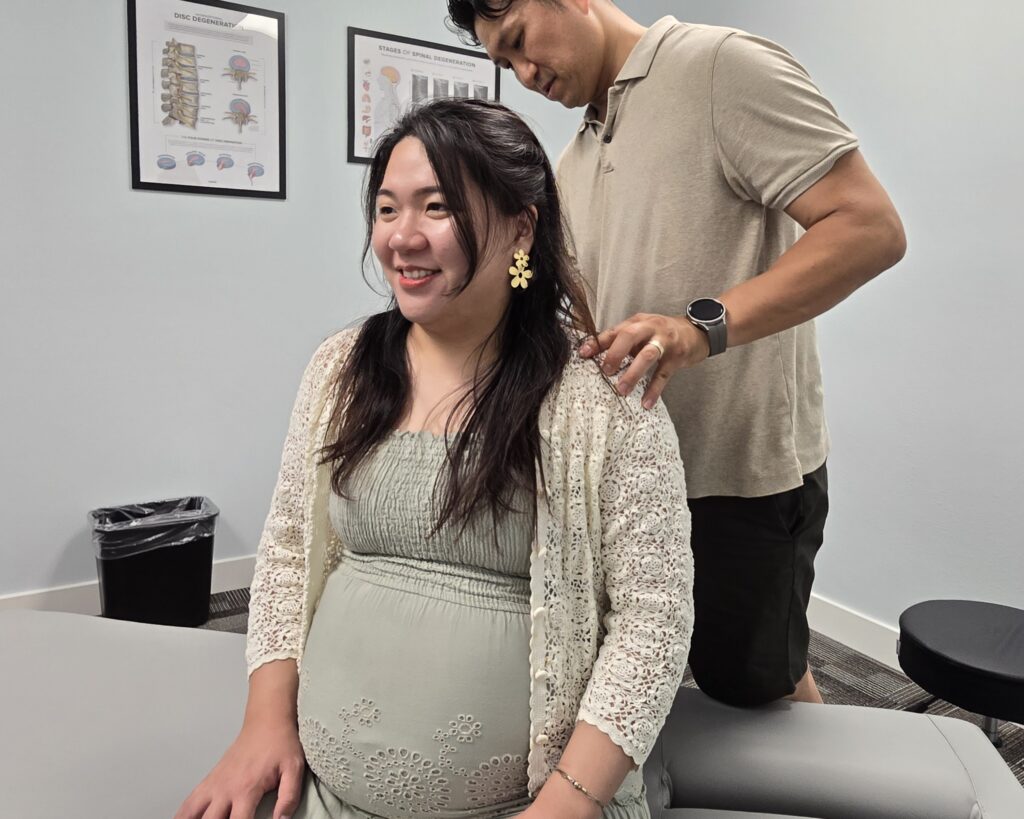

As a local chiropractor, I understand that chronic back pain can feel overwhelming and may limit your daily activities. However, I want to assure you that there are effective, natural strategies you can adopt to alleviate this discomfort. By prioritizing elements such as posture, specific exercises, and stress management techniques, you can take a holistic approach to your health and well-being.
You may be surprised to learn how even small adjustments in your daily routine can lead to significant improvements in your pain levels and overall mobility. Are you interested in discovering particular methods that can truly make a difference in your life? Let's delve into these seven approaches that could help you regain your comfort and freedom of movement. By integrating chiropractic care into your wellness journey, you're investing in a healthier, pain-free future.
Maintain Good Posture
As a local chiropractor, I want to share with you the significant impact that maintaining good posture can have on managing chronic back pain. When your body is aligned properly while sitting, standing, or moving, it reduces the strain on your spine and the surrounding muscles. This not only helps to alleviate existing pain but also plays a crucial role in preventing future discomfort.
Start by paying attention to your posture throughout your daily activities. For instance, if you find yourself slouching at your desk, it's essential to make some adjustments. Ensure your chair is set so that your feet rest flat on the floor and your knees are bent at a right angle. Your back should be straight, and your shoulders should be relaxed. This positioning helps support your spine and minimizes tension.
When you're standing, aim to distribute your weight evenly on both feet. Picture a straight line extending from your ears through your shoulders and down to your hips. This alignment is vital as it ensures even weight distribution, reducing pressure on your back.
In our modern world, many of us spend considerable time looking down at our phones or computers. I encourage you to elevate your screen or device to eye level. This adjustment can significantly decrease strain on your neck and upper back, promoting better overall posture.
Consider incorporating ergonomic furniture into your workspace. Tools like adjustable chairs and standing desks are specifically designed to support your spine and encourage a more natural posture.
Lastly, don't forget the importance of taking regular breaks. Simple stretches or a brief walk can relieve tightness and help reset your posture throughout the day.
Engage in Regular Exercise
As a local chiropractor, I want to emphasize the importance of engaging in regular exercise, especially for those of you dealing with chronic back pain. Incorporating exercise into your routine isn't just about fitness; it plays a crucial role in managing pain and promoting healing.
Strengthening your core muscles and enhancing flexibility will provide essential support to your spine, ultimately improving your overall mobility and quality of life.
Let's take a look at some effective exercises that can truly make a difference in your daily routine. These movements are designed to alleviate discomfort and strengthen your back, contributing to a healthier, pain-free lifestyle.
Strengthen Core Muscles
As a local chiropractor, I want to emphasize the importance of strengthening your core muscles for alleviating chronic back pain and improving overall stability. Many people often think of their core as just their abdominal muscles, but it actually encompasses a complex network of muscles in your back, hips, and pelvis.
By focusing on strengthening these areas, you'll establish a solid foundation that supports your spine, which can significantly reduce strain and discomfort.
To begin your journey towards a stronger core, I recommend incorporating exercises such as planks, bridges, and bicycle crunches into your routine. These exercises engage multiple muscle groups and promote better balance and stability.
Ideally, aim to perform these exercises at least three times a week, allowing your core to adapt and grow stronger over time.
It's crucial to maintain proper form while performing these exercises. Incorrect technique not only reduces the effectiveness of your workout but can also exacerbate any existing back pain.
If you're uncertain about your form or how to get started, I encourage you to consult with a physical therapist or a fitness trainer who understands the nuances of core strengthening.
As you progress in strengthening your core, you'll likely notice enhancements in your posture and the ease of daily activities. Tasks that once felt strenuous may become more manageable, and you may find yourself moving with greater confidence.
Improve Flexibility and Mobility
As a local chiropractor dedicated to your well-being, I want to emphasize how vital regular exercise is for enhancing flexibility and mobility—key components in managing chronic back pain. Engaging in physical activity not only boosts blood circulation but also reduces stiffness and improves your overall range of motion. By incorporating stretching exercises, yoga, or pilates into your routine, you can significantly benefit your back and joints.
To begin, I recommend aiming for at least 150 minutes of moderate aerobic activity each week. Simple activities like walking, swimming, or cycling can keep your body active and bolster your flexibility. Additionally, integrating specific stretching routines that focus on your back, hips, and legs will help. Stretching isn't only effective in relieving tension but also aids in strengthening the muscles that support your spine.
It's essential to listen to your body as you embark on this journey. If you experience discomfort with certain movements, don't hesitate to modify them or consult with a professional like myself for personalized guidance.
Consistency is crucial, so choose activities that you genuinely enjoy to keep your motivation high. Over time, you'll likely notice improvements in your flexibility and mobility, leading to reduced pain and enhanced overall function.
Apply Heat or Cold Therapy
As a local chiropractor dedicated to helping you manage chronic back pain, I want to introduce you to the benefits of heat and cold therapy. Many of my patients have found these techniques to be incredibly effective in alleviating discomfort.
Heat therapy is fantastic for relaxing those tight muscles that may be contributing to your pain. By applying heat, you encourage improved blood flow, which can help speed up the healing process.
On the other hand, cold therapy is excellent for reducing inflammation and numbing sharp pain that may arise.
Understanding how to use these methods effectively can make a significant difference in your healing journey. Whether you're new to chiropractic care or seeking natural ways to manage your pain, incorporating heat and cold therapy into your routine can provide you with much-needed relief.
Let's work together to find the right approach for you!
Benefits of Heat Therapy
As a local chiropractor dedicated to helping my patients find relief from pain and discomfort, I want to share the benefits of heat therapy, especially for those struggling with chronic back pain.
Heat therapy is a gentle and effective approach that many people find comforting. When heat is applied to the affected area, it promotes increased blood flow, which not only aids in healing but also helps to reduce muscle stiffness. This can lead to a greater sense of relaxation and improved mobility throughout your day.
Here are some key benefits of incorporating heat therapy into your pain management routine:
- Muscle Relaxation: Heat is excellent for easing tense muscles. By relaxing these muscles, you can experience reduced discomfort and enhanced movement.
- Improved Blood Circulation: The application of heat enhances blood flow, bringing vital nutrients and oxygen to your back, which is essential for recovery.
- Pain Relief: Heat can effectively block pain signals that travel to your brain, offering immediate relief from discomfort.
- Stress Reduction: The calming effects of heat therapy can help reduce stress and anxiety, contributing positively to your overall well-being.
Integrating heat therapy into your daily routine is simple and can significantly enhance your comfort.
Whether you choose to use a heating pad, a warm towel, or indulge in a hot bath, finding the method that works best for you can make a noticeable difference in your quality of life.
Cold Therapy Techniques
As your local chiropractor, I want to share some effective ways to relieve chronic back pain using cold therapy techniques. Applying cold to the affected area can significantly reduce inflammation and numb the pain, providing much-needed relief. This method is particularly beneficial after engaging in physical activities or after an injury.
You can easily implement cold therapy at home using ice packs, frozen vegetables, or cold compresses. Just be sure to wrap them in a cloth to protect your skin from direct contact, which can cause frostbite.
Here's how to use cold therapy effectively: Apply your cold source for about 15-20 minutes at a time, taking breaks in between to avoid skin damage. You can repeat this process several times throughout the day as needed. If you start to feel any discomfort, it's important to remove the cold source right away.
Another great option is a cold gel pack that molds to your body and retains its coolness for a longer period, making it very convenient.
For those dealing with chronic pain, I often recommend alternating between cold therapy and heat therapy. Many patients find that switching between the two methods enhances their relief.
Before you start any new treatment, I encourage you to consult with me or another healthcare provider. We can discuss your specific situation and tailor recommendations that best suit your needs, guiding you toward effective pain relief strategies in a natural and holistic way.
Consider Physical Therapy
Many individuals dealing with chronic back pain have found that chiropractic care can be a transformative experience. If you're experiencing ongoing discomfort, collaborating with a knowledgeable chiropractor can assist you in restoring mobility, strengthening your muscles, and alleviating pain over time.
Chiropractic care emphasizes natural healing techniques, including spinal adjustments and tailored exercises, to address your unique needs and help you manage pain more effectively.
Here are some benefits you can expect from engaging in chiropractic care:
- Customized treatment plans: Your chiropractor will evaluate your condition and develop a personalized program that aligns with your lifestyle and specific pain levels.
- Improved flexibility and strength: Through targeted adjustments and exercises, you can enhance your range of motion and build strength in the muscles that support your spine.
- Education on body mechanics: A chiropractor will guide you on proper body mechanics and posture, enabling you to avoid movements that might worsen your pain.
- Natural pain relief techniques: You'll discover various methods to relieve pain, including spinal adjustments, stretching, and strengthening exercises, all aimed at promoting your body's natural healing processes.
Explore Alternative Treatments
As a local chiropractor, I want to shed light on the alternative treatments available for chronic back pain, especially for those who may not be familiar with chiropractic care and natural healing methods. Many individuals find that conventional treatments often fall short in providing the relief they seek. This is where exploring options like chiropractic care, acupuncture, and herbal remedies can make a significant difference in your journey toward wellness.
Chiropractic care is a holistic approach focused on aligning the spine and optimizing your body's natural healing abilities. By utilizing spinal manipulation and other specialized techniques, we can relieve pressure on nerves and muscles, which often alleviates discomfort and enhances mobility. If you haven't yet experienced chiropractic care, I encourage you to consult with a licensed chiropractor to discuss your unique situation and explore how we can help you achieve a pain-free life.
In addition to chiropractic adjustments, you might also consider acupuncture as a complementary treatment. This ancient practice involves the insertion of thin needles at specific points on your body, stimulating healing and promoting pain relief. Numerous studies indicate that acupuncture can significantly reduce pain for many back pain sufferers, making it worth considering alongside chiropractic care.
Herbal remedies can also play a role in your healing journey. Natural anti-inflammatory options like turmeric and ginger can be beneficial for alleviating pain and reducing inflammation. Incorporating these into your diet or taking them as supplements may provide additional relief. However, it's essential to consult with a healthcare professional before starting any new supplement regimen to ensure safety and avoid interactions with other medications.
Lastly, I highly recommend exploring mind-body techniques such as yoga or tai chi. These practices not only enhance flexibility and strength but also foster a deeper connection with your body. They can be incredibly effective in relieving pain through relaxation and improved posture.
Manage Stress Effectively
Chronic back pain often goes hand-in-hand with stress, creating a cycle that can worsen your discomfort. When stress levels rise, your body tends to tense up, which can lead to increased pain.
As a chiropractor, I want to emphasize the importance of effectively managing stress to help alleviate your back pain. Here are some practical strategies you can incorporate into your daily routine:
- Practice Mindfulness: Taking just a few minutes each day to focus on your breath or engage in mindfulness meditation can significantly benefit your well-being. This practice helps you tune in to your body, allowing you to release built-up tension.
- Engage in Physical Activity: Regular exercise is one of the best natural stress relievers. Activities such as walking, swimming, or yoga not only elevate your mood by releasing endorphins but also contribute to better spinal health and reduced pain.
- Connect with Others: Don't underestimate the power of conversation. Sharing your feelings and experiences with friends or family can be a great way to alleviate stress. Having a support system can make you feel less isolated in your journey towards healing.
- Set Boundaries: It's crucial to know your limits. Learning to say no to extra responsibilities can help prevent overwhelm. By prioritizing your time, you create room for self-care, which is essential for both your mental and physical health.
Incorporating these strategies into your life can significantly improve your ability to manage stress and, in turn, reduce back pain.
Remember, taking care of your mental health is just as important as caring for your physical health. By breaking the cycle of stress and pain, you can enhance your overall well-being and improve your quality of life.
If you have any questions about how chiropractic care can support you on this journey, please don't hesitate to ask.
Invest in Quality Sleep
As a local chiropractor, I want to emphasize the importance of quality sleep in managing chronic back pain and maintaining your overall health. During sleep, your body engages in vital repair processes, particularly for your muscles and spine. If you're struggling to achieve restorative rest, you may experience increased pain, which can hinder your daily activities.
To enhance your sleep quality, it's essential to create a comfortable sleep environment. Investing in a supportive mattress and pillows that suit your sleeping position is crucial. For those who sleep on their backs, a medium-firm mattress is often ideal, while side sleepers may find that softer options provide the necessary cushioning for their shoulders and hips.
Establishing a consistent sleep schedule is another key factor. Aim to go to bed and wake up at the same time every day, even on weekends. This practice helps regulate your body's internal clock and can lead to improved sleep quality.
I also advise limiting screen time and avoiding stimulating activities right before bedtime. Instead, consider winding down with a good book or some gentle stretches to relax your muscles. Incorporating mindfulness or meditation techniques can also be beneficial in calming your mind and preparing you for restorative sleep.
Lastly, pay attention to your sleep position. Sleeping on your stomach can create strain on your neck and back, so I recommend opting for side or back sleeping positions. Using pillows for additional support can enhance your comfort.
Investing in quality sleep not only helps alleviate chronic back pain but also significantly boosts your overall well-being. As your chiropractor, I'm here to support you in achieving a healthier lifestyle through informed choices about sleep and self-care.
Conclusion
As a local chiropractor, I want to share with you seven effective strategies to help manage your chronic back pain and enhance your overall well-being. It's essential to understand the importance of maintaining good posture and staying active; these simple changes can make a significant difference. Additionally, I encourage you to explore alternative treatments, including chiropractic care, which can provide natural relief tailored to your specific needs.
Don't overlook the role that stress management and quality sleep play in your healing process. Reducing stress can help alleviate tension in your back, while restorative sleep allows your body to heal. Consistency is crucial when implementing these practices, so I recommend incorporating them into your daily routine. By doing so, you can experience lasting relief and enjoy a more comfortable, pain-free life. Remember, as your chiropractor, I'm here to support you on your journey to better health and wellness.