
As a local chiropractor, I want to share some insights into how you can achieve lasting relief from back pain. Many people are surprised to discover that effective pain relief often involves a holistic approach that addresses both the physical and mental aspects of well-being. Incorporating effective stretching exercises, making ergonomic adjustments to your workspace, and practicing mindfulness techniques can significantly enhance your daily comfort.
It's important to recognize that there isn't a one-size-fits-all solution. Each person is unique, and finding the right combination of these strategies is essential for your specific situation. Imagine if making just a few small changes in your routine could lead to a noticeable reduction in your pain levels! By understanding and applying these proven techniques, you can take significant steps toward a more comfortable and fulfilling life. As your chiropractor, I'm here to guide you through this process and help you discover the benefits of natural healing.
Understanding Back Pain Causes
As a local chiropractor, I often see patients suffering from back pain, a common issue that many people face without fully grasping its underlying causes. While you might think your discomfort stems from heavy lifting or poor posture, there are a variety of factors that could be contributing to your pain.
Let's start with your lifestyle choices. If you spend long hours sitting, you may be weakening your core muscles, which can lead to back pain. Conversely, engaging in excessive physical activity without proper conditioning can also put a strain on your back. Finding a balance is key.
Another important factor to consider is age. As we grow older, the discs in our spine can start to degenerate, potentially resulting in conditions like arthritis or herniated discs. These changes might present as persistent nagging pain or sharp discomfort that can affect your daily activities.
Furthermore, medical conditions such as scoliosis or osteoporosis can contribute to your back issues, often remaining unnoticed until they escalate.
Don't overlook the impact of stress, either. When you experience stress, your body tends to carry tension in your muscles, especially in the back. This ongoing tension can lead to chronic pain over time. Emotional factors like anxiety and depression can also heighten your sensitivity to physical discomfort, making it even more crucial to address both your mental and physical well-being.
Lastly, consider the ergonomics of your workspace and sleeping arrangements. Poor posture while sitting, standing, or lying down can cause misalignment and unnecessary strain on your back. It may surprise you how much these habits can influence your back health.
Effective Stretching Exercises
As a local chiropractor, I want to emphasize the importance of incorporating effective stretching exercises into your daily routine to help alleviate back pain and enhance your overall mobility.
Many people are unaware of how stretching can't only improve flexibility but also relieve tension in the muscles that support the spine.
Here are three essential stretches that I recommend for my patients:
- Cat-Cow Stretch: Begin on your hands and knees in a tabletop position. As you inhale, arch your back (like a cow), lifting your head and tailbone towards the ceiling. When you exhale, round your spine (like a cat), tucking your chin and pelvis. Repeat this fluid motion for 5-10 cycles. This stretch helps to mobilize your spine and improve its flexibility.
- Child's Pose: Kneel on the floor and sit back on your heels. Extend your arms forward, lowering your torso between your thighs. Allow your forehead to rest gently on the ground, and hold this position for 30 seconds to a minute while taking deep breaths. This stretch gently elongates your spine and works to release tension in your lower back, promoting relaxation.
- Seated Forward Bend: Sit with your legs extended straight in front of you. Inhale to lengthen your spine, and as you exhale, hinge at your hips to reach toward your toes. Hold this position for 20-30 seconds, feeling the stretch along your hamstrings and lower back. This exercise encourages flexibility and helps to alleviate tightness in the back.
Incorporating these stretches into your daily routine can make a significant difference in your comfort and mobility.
If you have any questions or need guidance on how to perform these stretches safely, feel free to reach out during your next visit.
Ergonomic Adjustments for Comfort
As a local chiropractor, I want to emphasize the importance of your daily environment on your back health, especially after you've engaged in effective stretching exercises. Making ergonomic adjustments in your workspace can significantly enhance your comfort and reduce strain on your back, which is essential for maintaining overall wellness.
Let's start by evaluating your workspace. If you find yourself sitting for long periods, it's crucial that your chair provides adequate support for your lower back. Ensure that your feet can rest flat on the floor—if your chair isn't adjustable, consider investing in a lumbar support cushion. This simple addition can make a world of difference in how your back feels throughout the day.
Next, let's talk about your desk height. When typing, your elbows should be at a 90-degree angle, and your computer screen should be at eye level to prevent unnecessary strain on your neck. If your setup doesn't allow for this, a monitor stand can be a helpful tool. For those working on laptops, using a separate keyboard can greatly improve your posture and comfort.
If you spend time standing, remember to distribute your weight evenly on both feet. You may want to consider using a footrest to alleviate pressure on your lower back. Additionally, if you frequently carry bags or backpacks, make sure to distribute the weight evenly or switch sides regularly to avoid developing muscle imbalances, which can lead to discomfort.
Lastly, don't forget about your sleeping arrangements. A mattress that's either too soft or too firm can contribute to back pain. Ensure that your pillow adequately supports your neck, keeping your spine aligned while you sleep.
Mindfulness and Relaxation Techniques
As a chiropractor, I want to share with you some mindfulness and relaxation techniques that can be incredibly beneficial for managing back pain and enhancing your overall well-being.
These practices aren't only simple to incorporate into your daily life, but they can also significantly reduce stress, improve your body awareness, and foster a sense of calmness, which may help alleviate discomfort.
Here are three effective techniques I recommend for my patients:
1. Deep Breathing: Begin by taking a moment to focus on your breath. Inhale deeply through your nose, allowing your lungs to fill completely, and then exhale slowly through your mouth.
This straightforward practice can help decrease muscle tension and promote relaxation, making it easier for you to manage your back pain.
2. Progressive Muscle Relaxation: This technique involves systematically tensing and then relaxing different muscle groups throughout your body.
You can start from your toes and gradually work your way up to your head. Hold the tension in each muscle group for a few seconds before releasing it.
This method not only helps relax your muscles but also enhances your awareness of any tension, allowing you to identify areas that may need extra care.
3. Mindful Meditation: I encourage you to set aside a few minutes each day for mindfulness meditation.
Find a quiet space, sit comfortably, and focus on your thoughts and feelings without judgment. If you experience any pain, acknowledge it, but strive to observe it without allowing it to dictate your emotions.
This practice can strengthen your resilience to pain and improve your overall mindset.
By integrating these mindfulness and relaxation techniques into your daily routine, you can experience significant improvements in managing your back pain.
Alternative Therapies for Relief
As a local chiropractor, I want to share some insights on how alternative therapies can significantly help in managing back pain. While mindfulness and relaxation techniques are beneficial, exploring options like chiropractic care can offer you additional relief.
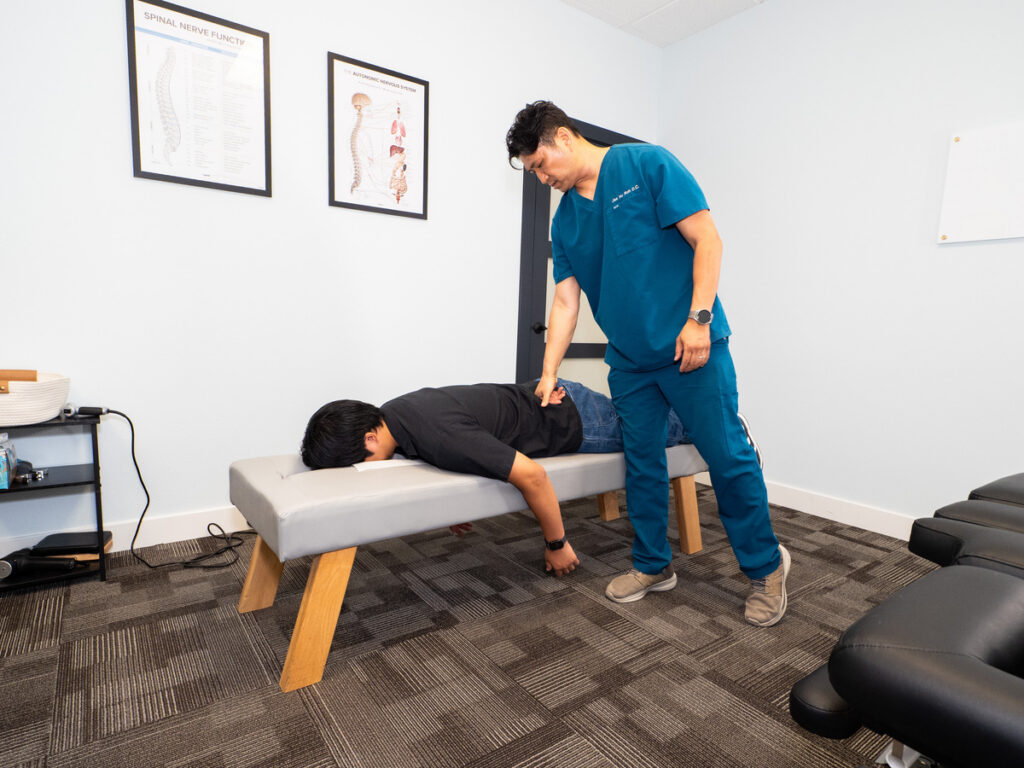
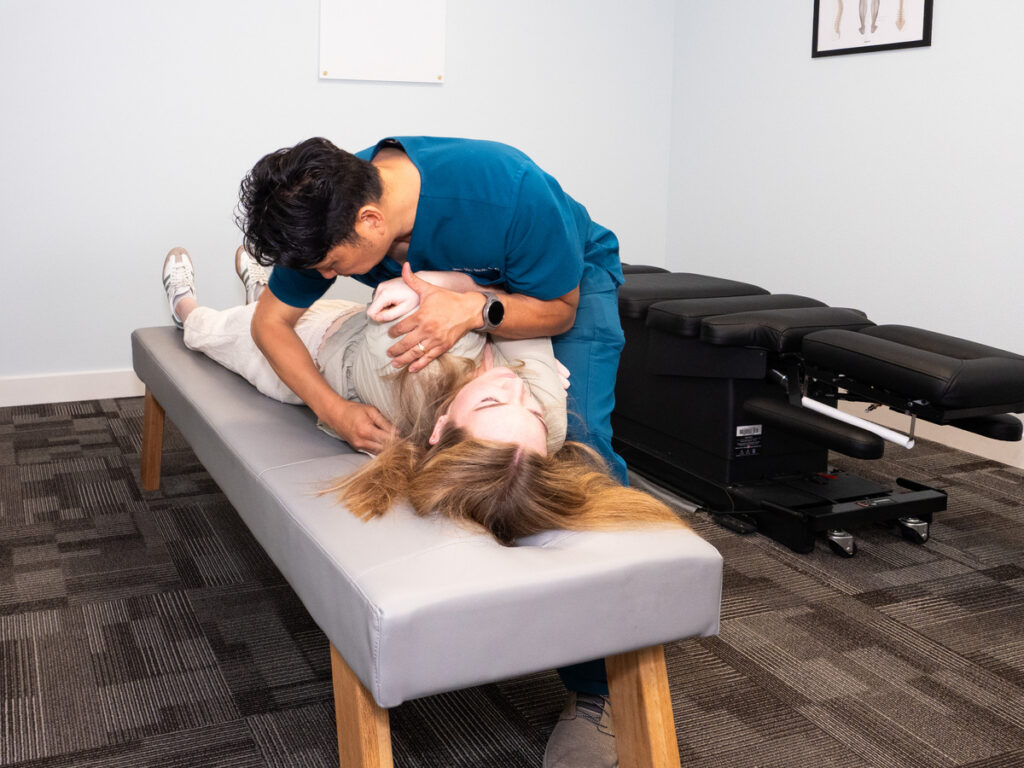
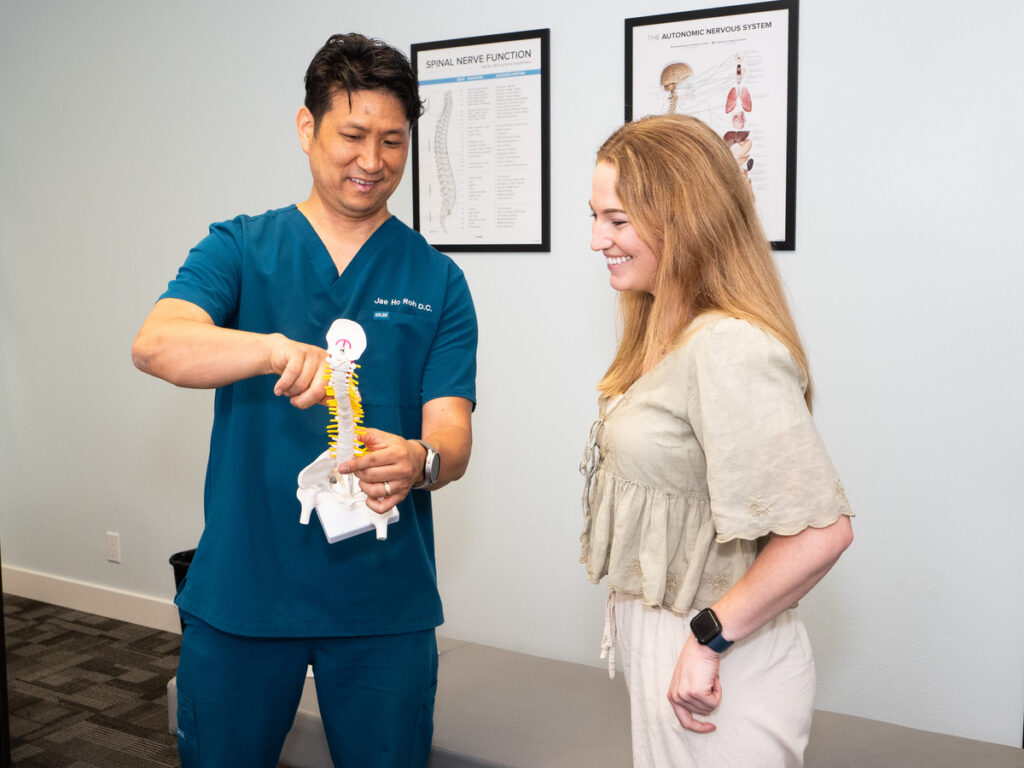
Chiropractic care revolves around the idea of correcting misalignments in your spine, which can impact your overall health. By assessing your posture and spinal alignment, I can help restore balance and function to your body. Many patients experience long-term relief and improved mobility through regular adjustments, making everyday activities much more manageable.
In addition to chiropractic adjustments, you may want to consider complementary therapies such as acupuncture and massage therapy. Acupuncture, which utilizes thin needles applied to specific points on your body, is known to promote the release of endorphins—your body's natural painkillers. Numerous patients report a significant reduction in back pain after just a few sessions.
Massage therapy is another effective alternative. Techniques like deep tissue, Swedish, or trigger point massage can alleviate muscle tension and enhance circulation. After a session, many people notice a considerable decrease in discomfort and an overall sense of relaxation.
Additionally, incorporating herbal remedies and supplements, such as turmeric or omega-3 fatty acids, may help manage inflammation and pain. However, it's essential to consult with a healthcare professional to ensure these treatments are safe and suitable for you.
Lastly, I encourage you to explore practices like yoga or tai chi. These disciplines blend movement, stretching, and mindfulness, fostering both physical and mental well-being.
Conclusion
As your local chiropractor, I want to share how incorporating proven techniques for lasting back pain relief can truly transform your daily life. It's essential to first understand the underlying causes of your discomfort. Through chiropractic care, we can identify these issues and work together to create a personalized plan that may include effective stretches, ergonomic adjustments, and mindfulness practices tailored just for you.
Many of my patients have found significant relief by integrating alternative therapies that complement chiropractic treatment. It's important to remember that each person's body is different, and what works for one individual may not be effective for another. By taking charge of your health and exploring these natural healing methods, you can achieve the lasting relief you deserve. Together, we can create a path towards improved well-being and a more active lifestyle!