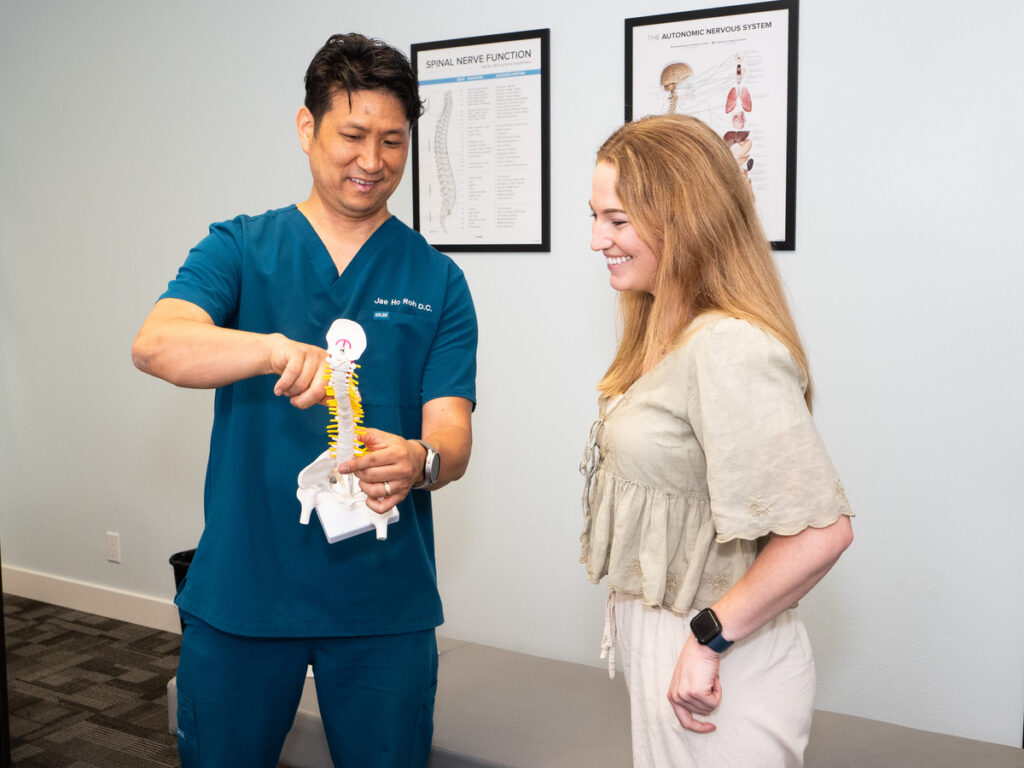

As a local chiropractor, I want to share some valuable insights on how you can prevent chronic pain through natural methods. You might be surprised to discover that simple lifestyle changes can significantly impact your well-being. By focusing on a balanced diet, staying active, and effectively managing stress, you can greatly reduce your risk of experiencing persistent discomfort.
Each of these strategies is crucial not only for your physical health but also for addressing the underlying causes of pain. You might be wondering how to integrate these tips into your daily routine in a way that truly makes a difference. Let's delve into some practical steps that can set you on the right path toward a healthier, pain-free life.
Maintain a Healthy Diet
As a local chiropractor, I want to emphasize the significant role a healthy diet plays in managing and preventing chronic pain. Many people may not realize that what you eat can directly affect your overall well-being and pain levels. By incorporating a variety of colorful fruits and vegetables into your meals, you can provide your body with essential nutrients that help reduce inflammation—a common factor in chronic pain conditions.
Aim for a vibrant plate; each color represents different vitamins and minerals that support your body's functions.
Don't overlook the importance of healthy fats in your diet! Omega-3 fatty acids, which are abundant in fish like salmon, as well as in walnuts and flaxseeds, possess anti-inflammatory properties that can help alleviate pain.
Additionally, whole grains such as brown rice and quinoa are excellent sources of fiber that not only support digestive health but can also play a role in reducing inflammation.
I also encourage you to limit your intake of processed foods, sugar, and trans fats. These items can trigger inflammatory responses and worsen your pain symptoms. Instead, consider healthier snack options like nuts, seeds, or yogurt, which can provide you with energy without the negative side effects.
Staying hydrated is another crucial aspect of managing pain. Drinking enough water helps maintain joint lubrication and overall health. Dehydration can lead to muscle cramps and fatigue, both of which can exacerbate chronic pain.
Lastly, I recommend keeping a food diary to help identify any specific foods that might trigger your pain. This awareness can empower you to make informed dietary choices that align with your body's needs.
By focusing on a healthy diet, you're taking proactive steps towards managing and reducing chronic pain, and you're paving the way for a more comfortable and fulfilling life.
Stay Active Regularly
As a local chiropractor, I want to emphasize the importance of staying active regularly, especially for those managing chronic pain. Engaging in physical activity isn't just beneficial for your body; it plays a critical role in enhancing your overall well-being.
When you stay active, you can improve your physical function, reduce stiffness, and release endorphins, which are our body's natural painkillers.
You don't need to dive into intense workouts to see improvements; even moderate activities can make a significant difference in your pain management. Here are four effective ways to incorporate regular activity into your daily routine:
- Walking: Begin with short walks in your neighborhood or a nearby park. As you become more comfortable, gradually increase both the duration and pace of your walks. This simple activity can help maintain your mobility and boost your circulation, which is vital for healing.
- Stretching: Gentle stretching exercises can be a game-changer in reducing muscle tension and improving flexibility. I recommend incorporating simple stretches into your daily routine, or even exploring yoga, which targets areas where you may feel pain.
- Swimming: If you have access to a pool, swimming is an excellent low-impact exercise. The buoyancy of the water supports your body, making movement easier while still providing a robust workout. It can be especially beneficial for those dealing with joint pain.
- Strength Training: Engaging in light resistance exercises is crucial for building muscle strength, which supports your joints and alleviates pain. Start with your body weight, resistance bands, or light weights, and you'll notice a positive impact on your overall strength and stability.
Practice Stress Management
As a chiropractor, I want to emphasize the importance of managing stress effectively, as it can significantly impact chronic pain and your overall quality of life. When stress levels rise, your body often responds with muscle tension, inflammation, and increased sensitivity to pain. By incorporating stress management techniques into your daily routine, you can help alleviate these physical reactions and improve your well-being.
One of the most beneficial practices is mindfulness, which includes techniques like meditation and deep breathing exercises. Even dedicating just a few minutes each day to these practices can help center your thoughts and relax your muscles. You might find that focusing on your breath or using guided imagery can help clear your mind and reduce tension.
Another fantastic way to manage stress is through physical activity. Whether you choose yoga, walking, or dancing, find an activity that you enjoy and make it a regular part of your life. Exercise is known to release endorphins—natural mood enhancers—making it easier for you to cope with stress and discomfort.
Additionally, don't overlook the importance of social support. Surrounding yourself with uplifting friends and family can make a world of difference. Sharing your feelings and experiences can lighten your emotional burden, making stress easier to handle.
Finally, I urge you to prioritize self-care. Ensure you're getting enough sleep, consuming a balanced diet, and engaging in hobbies that bring you joy. These practices not only help in managing stress but also contribute to your overall health and wellness.
Conclusion
As a local chiropractor dedicated to your well-being, I want to share three essential tips that can help you prevent chronic pain naturally. By focusing on these strategies—maintaining a healthy diet, staying active, and managing stress—you can significantly reduce your chances of experiencing chronic discomfort.
First, let's talk about nutrition. Embrace a colorful variety of fruits and vegetables, along with omega-3 fatty acids, which are known for their anti-inflammatory properties. These foods can play a crucial role in supporting your body and reducing pain.
Next, staying active is vital. Regular physical activity not only enhances your mood but also improves your flexibility and overall health. Incorporating movement into your daily routine can help keep your muscles and joints functioning optimally, which is something we emphasize in chiropractic care.
Lastly, don't underestimate the power of stress management. Practicing mindfulness techniques can help you maintain emotional balance and reduce tension in your body. As a chiropractor, I often see how stress can manifest as physical pain, so finding ways to relax is essential for your long-term health.
Taking these proactive steps now can pave the way for a healthier, pain-free future. Remember, your journey to wellness is a partnership, and I'm here to support you every step of the way!