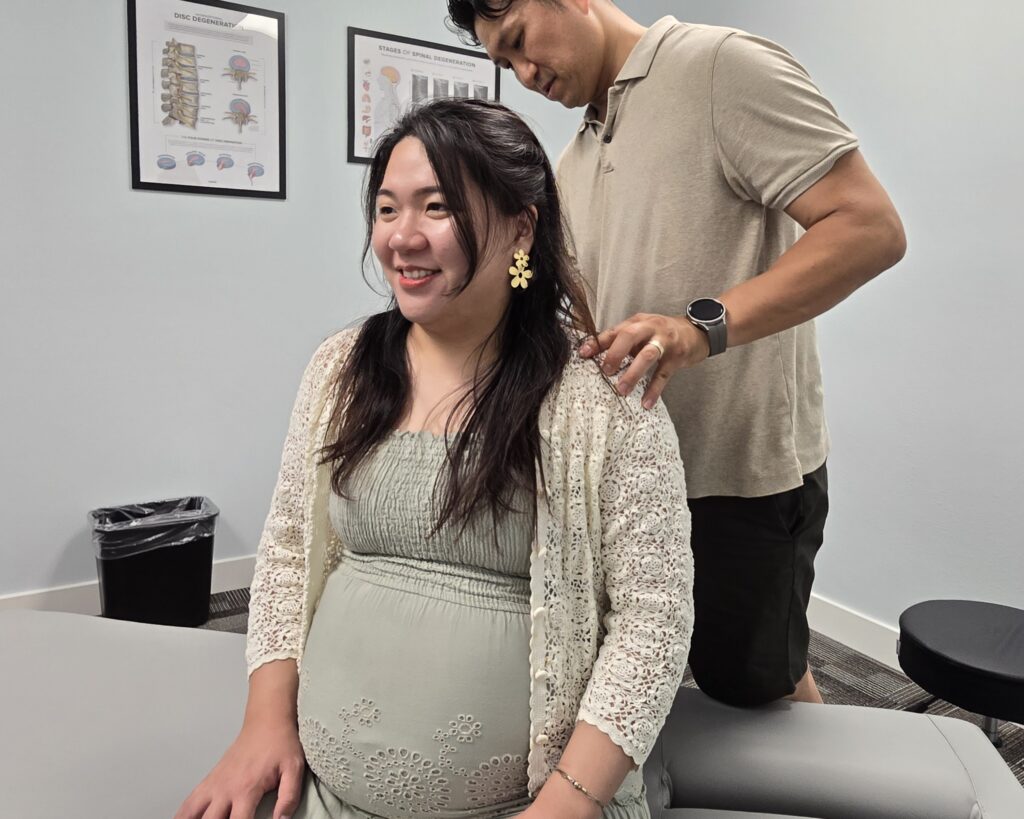

As a local chiropractor, I understand that back pain can be a frustrating issue that disrupts your daily life. Many people might be surprised to learn that effective exercises can serve as a powerful tool in preventing back pain. By focusing on key areas such as flexibility, core strength, and posture, you can create a solid foundation for a healthier back and improve your overall well-being.
It’s essential to recognize how each of these elements contributes to your back health. Flexibility helps maintain the range of motion in your spine and surrounding muscles, while core strength provides the support necessary to keep your back aligned. Additionally, good posture is vital in preventing strain on your back throughout your daily activities.
In our practice, we emphasize the importance of tailored exercise routines that suit your individual needs. By incorporating specific movements and stretches into your daily regimen, you can significantly reduce the risk of developing back pain. Let’s work together to explore these essential exercises and find the right approach for you, so you can enjoy a healthier, pain-free life.
Stretching Exercises for Flexibility
As a chiropractor, I want to emphasize the vital role that stretching exercises play in enhancing your flexibility and alleviating back pain. Many patients are unaware that incorporating regular stretching into their daily routine can significantly improve their range of motion and reduce muscle tension, which often contributes to discomfort.
I recommend starting with gentle stretches that specifically target your lower back, hamstrings, and hip flexors. These areas tend to harbor tightness, which can exacerbate pain. Simple exercises like the cat-cow pose or the child’s pose can help gently mobilize your spine and promote relaxation.
Additionally, standing toe touches are an excellent way to stretch your back and legs; holding this position for 15-30 seconds allows you to feel a satisfying stretch.
As you engage in these stretches, remember to breathe deeply and allow yourself to relax. This mindfulness helps your muscles release tension more effectively, which is crucial in your healing journey.
Consistency is essential for making lasting improvements. Aim to stretch daily or at least several times a week, and you’ll likely notice gradual enhancements in your flexibility.
This newfound range of motion can make daily activities more comfortable and pain-free. Prioritizing these exercises can have a profound impact on your overall well-being, and I assure you, your back will be grateful!
Strengthening Your Core
As a local chiropractor, I want to emphasize the importance of a strong core for maintaining a healthy back and preventing pain. Your core muscles, which include the abdominals, obliques, and lower back, play a crucial role in supporting your spine. They help you perform daily activities with greater ease and reduce the risk of injury.
To strengthen your core, I recommend incorporating some effective exercises into your routine. One of the best exercises is the plank. Begin by holding a straight position on your forearms and toes for about 20-30 seconds, and as you build strength, gradually increase the duration.
Bridges are another excellent option; simply lie on your back with your knees bent, lift your hips toward the ceiling, and squeeze your glutes at the top. Lastly, bicycle crunches are great for engaging your core. Lie on your back, bring your knees to your chest, and alternate touching your elbows to opposite knees.
I suggest including these core-strengthening exercises in your routine two to three times a week. A stronger core not only helps reduce back pain but also enhances your overall stability and performance in various physical activities.
Posture Improvement Techniques
As your local chiropractor, I want to emphasize that while strengthening your core is important for alleviating back pain, improving your posture is equally vital. It’s essential to be aware of your body alignment throughout your daily activities.
When you’re sitting, make sure to keep your feet flat on the floor, your knees at a right angle, and maintain a straight back. If you spend long hours at a desk, consider using ergonomic chairs designed to support your lower back.
When you’re standing, aim to distribute your weight evenly across both feet and avoid locking your knees. Engaging your abdominal muscles is also crucial as it provides support to your spine.
Incorporating specific exercises that focus on good posture, such as wall angels and chin tucks, can be incredibly beneficial. These exercises not only reinforce proper alignment but also strengthen the muscles that support your spine.
Being mindful of your posture can lead to significant improvements in your comfort levels and overall back health. Don’t underestimate the power of small adjustments; they can make a substantial difference in how you feel.
Low-Impact Aerobic Activities
As a local chiropractor committed to promoting back health, I encourage you to consider incorporating low-impact aerobic activities into your daily routine. These gentle exercises not only help strengthen your muscles but also improve circulation and enhance flexibility—all without placing undue stress on your spine.
Here are three effective low-impact options to consider:
- Walking: This is one of the simplest yet most effective ways to elevate your heart rate. I recommend aiming for brisk walks in your neighborhood or a nearby park, where you can also enjoy the calming effects of nature. This activity not only benefits your cardiovascular health but also supports your spinal alignment.
- Swimming: The buoyancy of water can be incredibly beneficial for your body. Swimming provides a full-body workout while significantly reducing impact on your joints and spine. It effectively strengthens your core and back muscles, which are essential for maintaining good posture and preventing pain.
- Cycling: Whether you choose a stationary bike or prefer the great outdoors, cycling is an excellent way to boost your cardiovascular fitness while engaging your lower body. Remember to maintain a comfortable pace to ensure your back remains supported and relaxed during your ride.
Incorporating these low-impact activities into your lifestyle can greatly enhance your overall well-being and support your journey towards natural healing.
If you have any questions or need personalized recommendations, please don’t hesitate to reach out. Your back health matters!
Yoga and Pilates for Back Health
As a local chiropractor, I want to share how incorporating practices like yoga and Pilates into your routine can significantly enhance your back health.
These methods aren’t just exercises; they focus on building core strength, improving flexibility, and ensuring proper alignment—elements that are crucial for a healthy spine.
In yoga, you’ll engage in various poses that help stretch and strengthen your muscles while promoting relaxation and reducing stress.
Poses such as Downward Dog and Cat-Cow are particularly effective at alleviating tension and enhancing mobility in your back.
Pilates complements this well by emphasizing controlled movements that stabilize your core.
Exercises like the Hundred and Roll-Up are designed to strengthen your abdominal muscles, which in turn supports your back.
By incorporating both yoga and Pilates into your routine, you create a well-rounded workout that enhances muscle support around your spine.
I recommend aiming for at least two sessions each week and paying close attention to how your body feels during these practices.
If you’re new to them, consider joining a class to ensure you learn the proper techniques.
With consistent practice, many of my patients have reported improved posture and a significant reduction in back pain, making daily activities much more manageable.