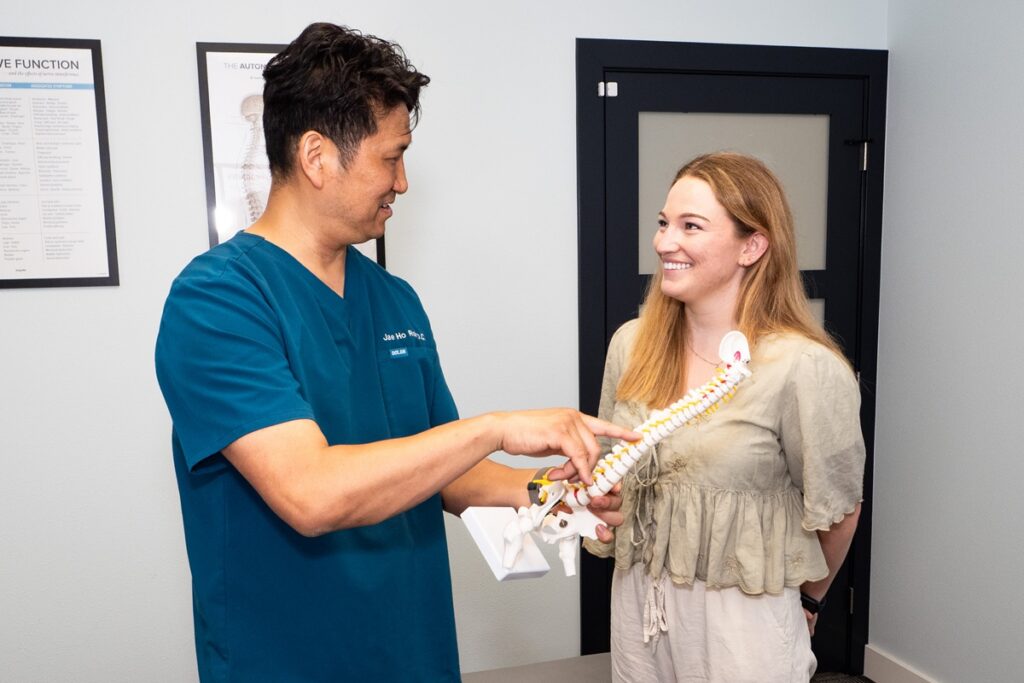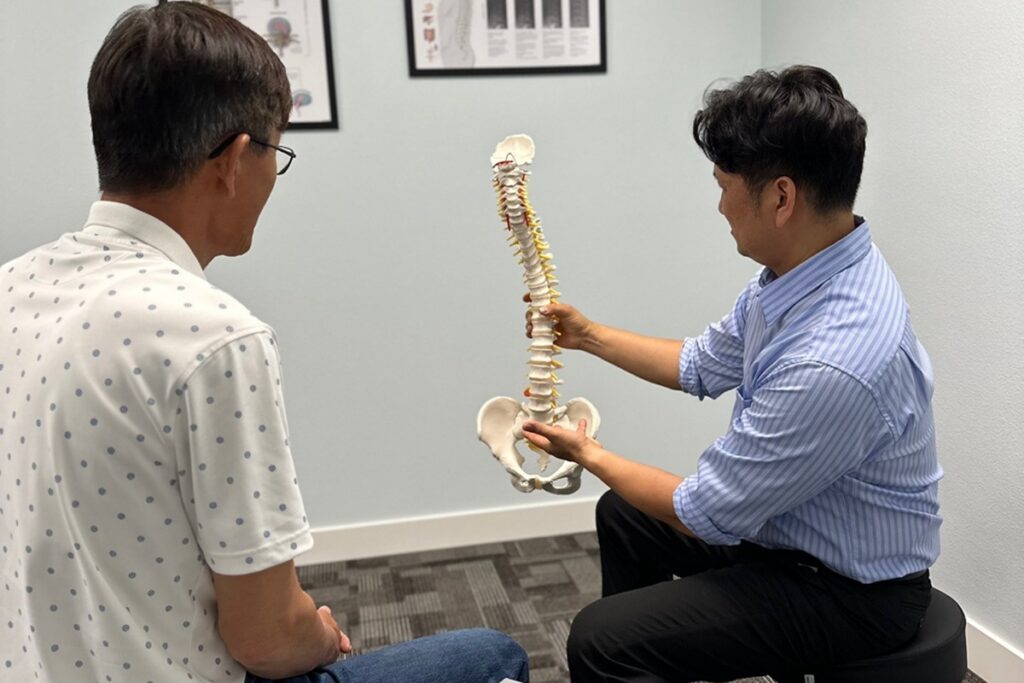

As your local chiropractor, I want to share a perspective that may reshape how you think about your health and wellness. Many people associate wellness solely with comfort and stability, but it's essential to recognize that discomfort can play a significant role in your health journey as well. Finding a balance between these two elements is crucial for enhancing your physical, mental, and emotional well-being.
While comfort can certainly provide a sense of security and grounding, embracing moments of discomfort can lead to growth and resilience. For example, when you receive chiropractic adjustments, you may initially experience some discomfort as your body begins to realign and heal. This process is essential for unlocking your body's full potential and promoting overall wellness.
So, how can you navigate this intricate relationship between comfort and discomfort to improve your quality of life? By understanding that both elements are vital to your health journey, you can rethink your approach to wellness. Embrace the discomfort that comes with healing, and allow it to guide you toward a stronger, healthier version of yourself. Together, we can explore how chiropractic care and natural healing can help you find this balance, ultimately enhancing your well-being.
Understanding Balance in Wellness
As a local chiropractor, I want to emphasize the importance of balance in wellness, especially when it comes to understanding how chiropractic care fits into your overall health.
Wellness isn't solely about the physical body; it also involves mental, emotional, and spiritual well-being. Each of these areas is interconnected and plays a crucial role in achieving a harmonious lifestyle. Focusing too much on one aspect can lead to neglect in others, resulting in imbalance and dissatisfaction.
Start by assessing your daily habits. Are you prioritizing physical exercise while neglecting relaxation and stress management? Or perhaps you're dedicating too many hours to work at the expense of nurturing your relationships?
Achieving balance means setting aside time for each area of your life. Establish specific goals related to physical activity, mindfulness, and social connection. This balanced approach ensures that you're caring for every facet of yourself.
Nutrition is another key element of wellness balance. Instead of adhering to strict diets, aim for a diverse array of foods that nourish both your body and mind. Pay attention to what your body needs and its cravings; it's perfectly fine to indulge occasionally.
This flexibility fosters a healthier relationship with food, which is vital for overall wellness.
Finally, keep in mind that balance isn't a fixed destination; it's a fluid journey. Your needs will evolve over time, and that's completely normal. Regular self-check-ins can help you make necessary adjustments.
The Role of Discomfort
Discomfort is a crucial aspect of your journey toward wellness, especially when it comes to understanding chiropractic care and natural healing. As a local chiropractor, I want to emphasize that embracing both emotional and physical discomfort can lead to significant insights and personal growth.
Many individuals find that it's through facing these challenges—be it pain or tension in the body—that they discover their inner strength and resilience.
In chiropractic practice, we often see patients who experience discomfort due to misalignments or stress in their bodies. By addressing these issues, we can help facilitate healing and promote a greater sense of well-being.
It's important to understand that while discomfort may be a part of the healing process, it can lead to improved mobility, reduced pain, and an overall enhanced quality of life.
Embracing Emotional Discomfort
Embracing emotional discomfort isn't just important for personal growth; it can also play a significant role in your overall well-being, including your physical health. As a chiropractor, I often see how emotional stress can manifest in the body, leading to tension and discomfort. When you allow yourself to experience and understand uncomfortable emotions, you create an opportunity for greater self-awareness and healing.
Think about a time when you felt anxious or overwhelmed. Instead of suppressing those feelings, consider what messages they might hold for you. These emotions can indicate underlying issues that may also be affecting your physical health. By addressing emotional discomfort, you're not only fostering mental resilience but also aiding your body's ability to heal.
Growth often doesn't occur in a state of comfort, and the same is true for your body. When you embrace emotional discomfort, you're actively participating in your healing journey. This process can enhance your resilience and provide you with tools to manage future challenges, both mental and physical. Each experience of discomfort can serve as a valuable lesson, promoting greater emotional intelligence and, ultimately, a stronger, healthier body.
As you work through your emotional experiences, remember that chiropractic care can support you in this journey. By aligning your spine and optimizing your nervous system, we can help reduce physical manifestations of emotional stress, allowing you to thrive in all aspects of your life.
Physical Discomfort Benefits
As a local chiropractor, I want to shed light on the often-overlooked benefits of physical discomfort, especially in the context of growth and healing. Many of my patients may not realize that when you challenge your body—whether it's through rigorous workouts, stretching tight muscles, or even recovering from an injury—you are fostering resilience and strength. Discomfort is your body's way of signaling that it needs to adapt, which can ultimately lead to improved performance and functionality.
Experiencing discomfort during physical activities is an important aspect of building endurance and stamina. It teaches you to tune into your body, allowing you to discern between healthy strain and potential injury. This awareness is crucial for maintaining a safe and effective fitness routine.
Additionally, overcoming physical discomfort can enhance your mental toughness, equipping you to better handle challenges in various facets of your life.
Moreover, discomfort can serve as a potent reminder that you're alive and fully engaged in your wellness journey. It encourages you to stay present and appreciate what your body is capable of.
Instead of avoiding discomfort, I encourage you to embrace it as a vital part of your healing process. Understanding and recognizing its role can lead to significant benefits, ultimately enhancing both your physical and mental well-being.
As your chiropractor, I'm here to support you in navigating this journey towards a healthier and more resilient you.
Growth Through Challenge
As a local chiropractor, I want to share how embracing physical discomfort can lead to significant growth and wellness, both in your body and mind.
Often, growth emerges from the challenges we face, and in chiropractic care, we recognize that physical discomfort can be a vital part of your healing journey.
When you allow yourself to confront discomfort, whether from a misalignment or tension in your body, you're actively pushing beyond your limits. This process not only builds resilience but also strengthens your overall well-being.
Here's how discomfort can fuel your growth and enhance your journey towards better health:
- Builds resilience: Navigating through physical discomfort helps you develop the strength to bounce back from setbacks, both physically and mentally.
- Enhances self-awareness: Experiencing discomfort encourages you to pay attention to your body, leading to a deeper understanding of your physical and emotional state.
- Encourages adaptability: When you face challenges in your body, such as pain or restricted movement, you learn to adjust your habits and lifestyle to promote healing and wellness.
- Fosters confidence: By overcoming physical obstacles, you can boost your self-esteem and trust in your body's ability to heal and function optimally.
- Promotes problem-solving skills: Addressing discomfort sharpens your ability to think critically about your health choices, making you more effective in making decisions that support your well-being.
As you embark on your chiropractic journey, remember that embracing discomfort can lead to profound growth and a healthier, more resilient you.
Together, we can work through these challenges to help you achieve your wellness goals.
Benefits of Embracing Challenges
As a chiropractor, I often see firsthand how facing challenges—both physical and emotional—can fundamentally change a person's outlook on life and contribute to their overall well-being. When you confront difficulties, whether they're related to your health or your lifestyle, you step out of your comfort zone, which can lead to significant personal growth. Each challenge you encounter offers a chance to learn about your body, your strengths, and areas that may need improvement. This self-awareness is crucial, as it helps you develop resilience and adaptability, both of which are essential for navigating the ups and downs of life.
Moreover, overcoming challenges in your health journey can significantly boost your confidence. Every time you tackle a health issue—be it pain management, improving mobility, or making lifestyle changes—you reinforce your belief in your body's capabilities. This newfound confidence often extends into other areas of your life, encouraging you to take risks and pursue new opportunities. You begin to see challenges not as obstacles, but as valuable chances for development and thriving in a healthier way.
Embracing health-related challenges also fosters a sense of accomplishment. When you achieve a health goal you once thought was out of reach—like alleviating chronic pain or increasing your physical activity—the satisfaction can be incredibly motivating. This sense of achievement empowers you to set and pursue even bigger health goals, creating a positive cycle of growth.
Additionally, facing health challenges can strengthen your relationships. Sharing your experiences and struggles can build connections and foster empathy with others, allowing you to create a supportive network. You may find that being vulnerable about your health journey leads to deeper bonds with those around you.
Ultimately, embracing challenges in your health enriches your life. It makes you more resilient, confident, and connected, setting the stage for a healthier, more fulfilling existence. So, the next time you encounter a health challenge, remember that it's an opportunity for growth and healing just waiting to be embraced. As your chiropractor, I'm here to guide you through that journey toward a better, more vibrant life.
Strategies for Finding Balance
As a local chiropractor, I want to emphasize that finding balance in your life begins with prioritizing self-care practices that support both your physical and mental well-being.
Many people are unaware of how crucial it's to set healthy boundaries in their lives. This is vital for protecting your time and energy, helping you avoid burnout and stress.
Incorporating chiropractic care into your routine can be a powerful step towards achieving this balance. Regular adjustments can alleviate tension and discomfort in your body, making it easier for you to engage in daily activities without strain.
Additionally, embracing mindful living is beneficial; it encourages you to be present and aware, allowing you to manage life's challenges more effectively.
Prioritize Self-Care Practices
As a local chiropractor, I want to emphasize the importance of prioritizing self-care practices for your overall health and well-being. Many people overlook self-care, but it's crucial for maintaining balance in both body and mind. Investing time in self-care not only aids in physical recovery but also rejuvenates your mental and emotional health.
Here are some effective strategies to help you incorporate self-care into your routine:
- Schedule "me time": Just like you'd for a doctor's appointment, carve out dedicated time for self-care activities. Whether it's a chiropractic session, relaxation, or a hobby, make it a non-negotiable part of your schedule.
- Engage in physical activity: Movement is essential for a healthy spine and overall wellness. Find an exercise that you enjoy—be it yoga, walking, or dancing—to improve your mood and energy levels while also supporting your musculoskeletal health.
- Practice mindfulness: Mindfulness techniques, such as meditation or deep-breathing exercises, can significantly reduce stress. These practices not only enhance your mental clarity but can also complement the physical adjustments we work on in the office.
- Nourish your body: A balanced diet rich in nutrients is vital for your body's healing processes. Pay attention to your nutrition, as what you consume plays a crucial role in how well your body functions and responds to chiropractic care.
- Connect with loved ones: Surrounding yourself with supportive friends and family is essential for emotional well-being. Strong relationships can enhance your healing journey, providing comfort and motivation as you take care of your health.
Remember, self-care isn't a luxury; it's a necessity for a healthy, balanced life. Embracing these practices can lead to enhanced recovery and overall wellness.
If you have questions about how chiropractic care can support your self-care routine, feel free to ask!
Set Healthy Boundaries
Setting healthy boundaries is crucial for maintaining balance in your life, especially when it comes to your health and well-being. As a chiropractor, I often emphasize the importance of recognizing your own limits and needs, both physically and mentally. This practice not only aids in your healing journey but also empowers you to prioritize your health.
Begin by identifying your personal limits, particularly in activities that may exacerbate discomfort or tension in your body. Reflect on scenarios that drain your energy or worsen your symptoms. Understanding these triggers is key to establishing boundaries that protect your well-being.
When it comes time to communicate your boundaries—whether it's with family, friends, or even in your work environment—do so assertively. Use "I" statements to express your feelings and needs. For instance, say "I need to take breaks to support my recovery" instead of "You always expect too much from me." This method fosters a culture of respect and understanding, which is vital for your healing process.
Remember, saying no is a powerful tool in preserving your energy and focus on healing. It's important to understand that establishing boundaries isn't selfish; rather, it's an essential component of self-care and wellness. If someone challenges your limits, remain firm yet respectful. Consistently reinforce your boundaries and be ready to revisit them as your health needs evolve.
Lastly, understand that it might feel uncomfortable at first. You're creating new habits and shifting dynamics in your relationships that can be challenging.
However, trust that, over time, these boundaries will contribute to healthier relationships and greater balance in your life, ultimately supporting your chiropractic care and natural healing journey.
Embrace Mindful Living
As a local chiropractor, I often see patients who overlook the profound benefits of mindful living as a vital component of their overall health and wellness.
By embracing mindfulness and being fully present in each moment, you can foster a sense of peace and clarity that supports your body's natural healing processes. Mindfulness not only helps you reconnect with your thoughts and feelings, but it also enhances your decision-making and emotional well-being, which are crucial for maintaining a healthy lifestyle.
Here are some practical strategies to help you incorporate mindful living into your daily routine:
- Practice meditation: Set aside a few minutes each day to focus on your breath. This simple practice can help calm your mind and reduce stress, which is essential for optimal spinal health.
- Limit distractions: In our busy lives, interruptions can lead to tension and discomfort. Turn off notifications and create a dedicated space for focused work or relaxation to promote a more serene environment.
- Engage in nature: Spend time outdoors, allowing yourself to immerse in the natural world. This connection can ground you and alleviate stress, benefiting both your mental and physical health.
- Mindful eating: Pay attention to your meals by savoring each bite, focusing on the flavors and textures. This practice not only enhances your enjoyment of food but can also improve digestion and overall health.
- Reflect daily: Take a moment each evening to review your day. Acknowledging your challenges and successes can foster a sense of gratitude and awareness, which supports your journey toward wellness.
Incorporating these mindful living strategies can enhance your chiropractic care and empower you to take charge of your health.
Together, we can work towards achieving a balanced and harmonious lifestyle.
Discomfort as a Growth Tool
Discomfort often acts as a powerful catalyst for personal growth, and this concept is especially relevant in the realm of chiropractic care and natural healing. When you step outside your comfort zone—be it through trying a new wellness practice or addressing long-standing pain—you're exposing yourself to new experiences that can challenge your beliefs about health and wellness. While this process can be uncomfortable, it's essential for your development and healing journey.
Think about times in your life when you felt uneasy—perhaps when you first tried a new exercise program or sought help for an issue you thought was just a part of aging. Those moments might've pushed your limits, but they also provided valuable opportunities for learning and adaptation in your health.
Embracing discomfort in the context of chiropractic care can enhance your self-awareness. As you navigate through treatments and adjustments, you gain insight into your body's strengths and weaknesses. This understanding empowers you to make more informed decisions about your health and wellness. You may discover that you're more resilient than you thought or that you can manage stress and physical discomfort better than you ever imagined.
Additionally, confronting discomfort often encourages you to cultivate new health skills. When you face a challenge, such as chronic pain or limited mobility, you may find yourself needing to think critically about your lifestyle choices, problem-solve to find effective solutions, and innovate new ways to support your body. These skills are invaluable, not just for your personal growth but also for achieving long-term wellness.
Moreover, experiencing discomfort can deepen your connections with others. When you share your struggles or challenges, whether it's with friends, family, or even in our office, you often find common ground with those around you. This shared experience fosters empathy and strengthens your relationships, enriching your support network as you embark on your healing journey.
In chiropractic care, we view discomfort not just as a barrier, but as a stepping stone towards better health and well-being. By reframing your perspective on discomfort, you can transform it into a learning opportunity that propels you forward in your quest for holistic health.
Cultivating Resilience Through Wellness
As a chiropractor dedicated to your well-being, I believe that experiencing discomfort can be a significant opportunity for discovering your inner strength. This awareness often paves the way for cultivating resilience through natural healing and wellness practices.
When you face challenges, especially those related to your physical health, it's essential to confront them directly. This process helps you learn how to adapt and thrive, even in the face of adversity. Integrating wellness practices into your routine can support you on this journey, laying a strong foundation for your resilience.
Here are five key strategies to foster resilience through wellness, particularly in the context of chiropractic care:
- Mindfulness: Embrace the practice of being present. Mindfulness can greatly assist in managing stress, allowing you to gain a clearer perspective on health-related challenges. Chiropractic adjustments can also enhance your body awareness, making it easier to stay connected with how you feel.
- Physical Activity: Regular exercise is vital for overall health and well-being. It not only boosts your mood and energy levels but also complements the benefits of chiropractic care by keeping your body active and mobile. This combination makes you better equipped to tackle life's difficulties.
- Healthy Relationships: Surround yourself with a supportive community. Strong connections with family and friends, along with guidance from health professionals like chiropractors, can provide the encouragement you need during tough times. Feeling connected helps alleviate feelings of isolation and enhances your resilience.
- Goal Setting: Set realistic and achievable health goals. Whether it's committing to regular chiropractic visits or incorporating daily movement, breaking these goals into manageable steps fosters a sense of accomplishment, reinforcing your resilience and commitment to wellness.
- Self-Compassion: It's essential to treat yourself with kindness. Acknowledge that struggling with health issues is part of the journey. Just as you'd support a friend facing challenges, offer yourself the same understanding and patience. Chiropractic care can be an essential part of this self-compassion, helping you heal and grow stronger.
Conclusion
As your local chiropractor, I want to emphasize the importance of both balance and discomfort in your wellness journey. Embracing challenges, like the discomfort that may accompany certain treatments or lifestyle changes, can lead to significant personal growth and improved health outcomes. At the same time, maintaining balance in your body and mind is essential for overall well-being.
In chiropractic care, we focus on aligning your spine and nervous system to promote optimal health. This process may involve some discomfort as we work to correct misalignments, but it's important to recognize that this discomfort can be a sign of healing and progress. By understanding the value of both discomfort and balance, you can build resilience and enhance your overall quality of life.
So, rather than shying away from discomfort, approach it as a necessary step toward greater self-awareness and health. Together, we can work towards achieving that balance, leading you to a richer, more fulfilling life.