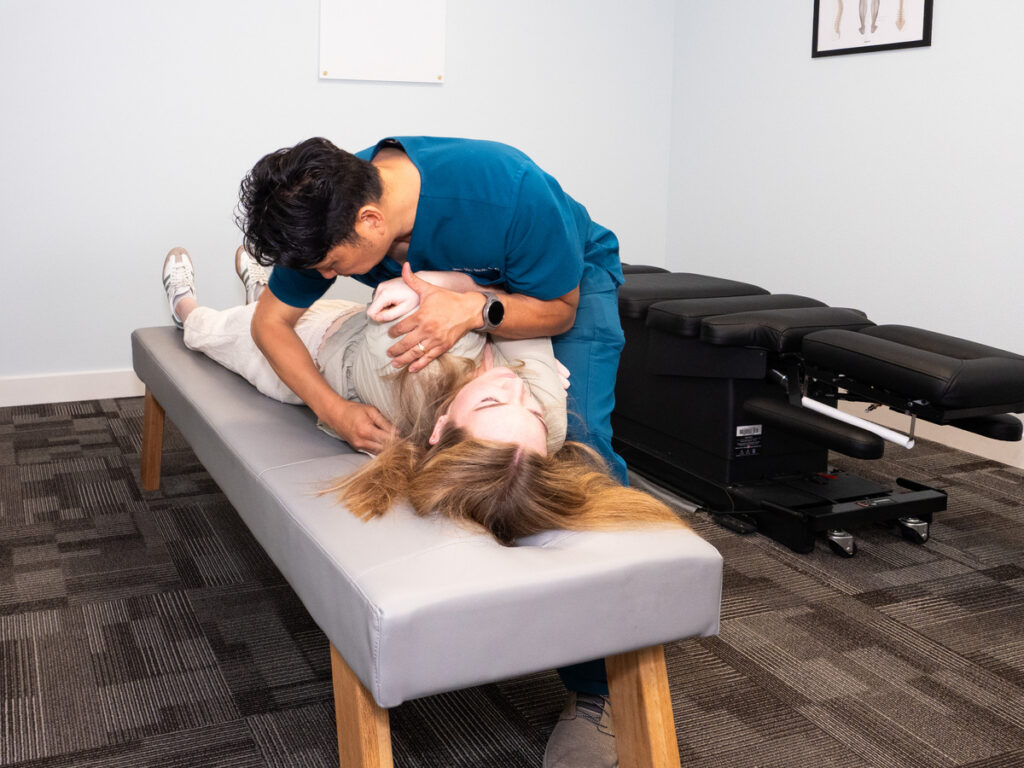

If you struggle with migraines, discovering gentle yet effective management techniques can truly transform your experience. You may be surprised to find that simple lifestyle changes and natural remedies can significantly alleviate those painful episodes. As a chiropractor, I firmly believe that chiropractic care is one of the best choices for achieving optimal health and managing pain naturally.
Let’s explore some effective strategies that can help you manage migraines without resorting to medications or invasive procedures.
- Stay Hydrated: Dehydration can trigger migraines, so make it a habit to drink plenty of water throughout the day.
- Practice Good Posture: Poor posture can lead to tension in your neck and shoulders, contributing to headaches. Regular chiropractic adjustments can help improve your alignment and overall spinal health.
- Incorporate Relaxation Techniques: Stress is a common trigger for migraines. Techniques like deep breathing, meditation, or yoga can help you relax and reduce stress levels.
- Maintain a Regular Sleep Schedule: A consistent sleep routine can help regulate your body’s internal clock and prevent migraines caused by disrupted sleep patterns.
- Limit Caffeine and Alcohol: Both substances can trigger migraines in some individuals. Pay attention to your body’s responses and consider reducing your intake if you notice a correlation.
- Eat Regularly: Skipping meals can lead to headaches. Focus on balanced meals with plenty of fruits, vegetables, and whole grains to keep your energy levels stable.
- Apply Cold or Warm Compresses: A cold pack on your forehead or a warm compress on your neck can provide relief during a migraine episode.
- Keep a Migraine Diary: Tracking your migraines can help identify personal triggers and patterns, allowing you to take proactive steps in managing them.
- Consider Chiropractic Care: Regular adjustments can help alleviate tension and improve spinal function, which may lead to fewer migraine episodes. A chiropractor can also offer personalized advice on preventive care.
- Explore Natural Remedies: Some people find relief from herbal supplements like butterbur or feverfew. Always consult with a healthcare provider before trying new supplements.
With these gentle methods, you can take charge of your migraine management. Remember, chiropractic care stands out as an excellent natural option for pain relief and promoting overall wellness. By prioritizing your spinal health and making mindful lifestyle choices, you can work towards a migraine-free life.
Key Takeaways
- Stay hydrated by drinking at least eight 8-ounce glasses of water daily to help keep your body in balance and support overall wellness, which can aid in preventing migraines.
- Incorporate relaxation techniques such as deep breathing or mindfulness practices into your daily routine. These methods can help manage stress, which is a common trigger for migraines, ultimately reducing their frequency.
- Establish a consistent sleep schedule by aiming for 7-9 hours of quality sleep each night. A well-rested body is less prone to migraines, and maintaining a regular sleep pattern supports your body’s natural rhythms.
- Apply cold or warm compresses to your forehead or neck to ease pain and relieve muscle tension. This simple practice can provide immediate comfort and support your body’s healing process.
- Explore natural options like herbal supplements such as feverfew and butterbur, but be sure to consult with a healthcare professional or your chiropractor about their use. They can guide you on safe practices to complement your wellness journey.
Remember, chiropractic care is an excellent choice for managing migraines and promoting overall health. Regular adjustments can help align your spine, improve nervous system function, and reduce stress on your body, leading to fewer migraines and enhanced well-being. Prioritize your health naturally, and consider making chiropractic care a part of your routine for optimal living.
Stay Hydrated
Staying hydrated is crucial for preventing migraines, especially if you’re someone who tends to get dehydrated. When your body doesn’t get enough water, it can lead to headaches and other discomforts. To support your overall wellness and potentially reduce migraine occurrences, aim to drink at least eight 8-ounce glasses of water each day, though individual needs may vary.
Keep a water bottle with you as a gentle reminder to sip throughout the day. If you’re physically active or live in a warm environment, you may need to increase your water intake. Listen to your body; signs of dehydration include a dry mouth, fatigue, and darker urine.
Incorporating hydrating foods, such as cucumbers, watermelon, and oranges, can also enhance your hydration levels. These foods aren’t only refreshing but also nutrient-rich, promoting better health.
Additionally, after vigorous exercise, balancing your fluid intake with electrolytes can be beneficial.
By prioritizing hydration, you’re taking an important step toward managing migraines and enhancing your overall health.
Remember, chiropractic care can also play a significant role in your wellness journey. By keeping your spine aligned, you can support your nervous system and improve your body’s ability to function optimally.
Focus on maintaining a healthy lifestyle, and consider incorporating regular chiropractic visits to help maintain your health and well-being.
Practice Relaxation Techniques
Managing migraines can indeed be a challenge, but incorporating relaxation techniques into your routine can significantly help reduce their frequency and intensity. As a chiropractor, I believe in the power of natural healing, and these techniques can complement your chiropractic care for optimal wellness.
One effective method is deep breathing exercises. This involves inhaling slowly through your nose, holding for a few seconds, and then exhaling gently through your mouth. This practice not only calms your mind but also helps relax your body, which is essential for overall health.
Another beneficial technique is progressive muscle relaxation. Begin by tensing and then relaxing each muscle group, starting from your toes and moving all the way up to your head. This not only alleviates physical tension but also increases your awareness of stress in your body. By releasing this tension, you may find that your migraines become less frequent.
Additionally, incorporating mindfulness or meditation into your daily routine can be incredibly helpful. Just a few minutes each day spent focusing on your breath can create a sense of peace and clarity. Allow your thoughts to come and go without judgment, and you’ll find it easier to manage migraine symptoms as they arise.
Remember, prioritizing relaxation techniques can empower you to take control of your health. Coupled with regular chiropractic care, these practices can enhance your overall well-being and help you find natural relief from migraines.
Embrace these simple yet effective strategies for a healthier, happier life.
Maintain a Consistent Sleep Schedule
Relaxation techniques can greatly contribute to your overall health, but another key element in managing migraines is maintaining a consistent sleep schedule. A regular routine of sleeping and waking helps stabilize your body’s internal clock, which can significantly reduce the likelihood of migraine triggers. Aim for seven to nine hours of quality sleep each night, as getting enough rest is crucial for your well-being.
To establish a consistent sleep routine, consider creating a calming nighttime ritual. Dim the lights, turn off your screens, and engage in relaxing activities such as reading or gentle stretching. It’s also wise to steer clear of caffeine and heavy meals close to bedtime, as these can interfere with your sleep quality.
If you struggle to get up in the morning, try placing your alarm clock across the room to motivate yourself to rise immediately.
In addition to these habits, chiropractic care can support your journey towards better sleep and overall health. Regular chiropractic adjustments help align your spine, improving your nervous system function and promoting relaxation, which can enhance your sleep quality.
Explore Dietary Changes
When it comes to managing migraines, making dietary changes can be a vital part of your overall wellness journey. As a chiropractor, I believe in the power of natural healing and how it can enhance your quality of life. You may discover that certain foods can trigger your migraines, while others can provide relief. One effective way to identify these foods is by keeping a food diary. This practice can help you pinpoint any patterns that may be contributing to your discomfort.
Here’s a simple reference table to guide you on your dietary journey toward better health:
| Trigger Foods | Beneficial Foods | Tips |
|---|---|---|
| Aged cheeses | Leafy greens | Stay hydrated – aim for 8 glasses of water daily |
| Processed meats | Whole grains | Eat smaller, more frequent meals to maintain energy levels |
| Caffeinated drinks | Omega-3 rich foods (like fish and flaxseeds) | Monitor portion sizes to avoid overindulgence |
In addition to dietary changes, it’s important to remember that chiropractic care can significantly support your overall well-being. Regular adjustments can help align your spine and improve your nervous system function, which may reduce the frequency and intensity of migraines. By focusing on a holistic approach that includes both nutrition and chiropractic care, you can take meaningful steps toward achieving optimal health and wellness.
Use Essential Oils
As a local chiropractor, I understand that managing migraines can be a challenge, and many people seek natural remedies to find relief. While essential oils can provide soothing properties, it’s important to remember that chiropractic care is one of the most effective approaches to addressing the root causes of migraines.
Chiropractic adjustments can help alleviate tension in the spine and improve overall nervous system function, which is crucial for reducing the frequency and intensity of migraines. By restoring proper alignment, we can enhance blood flow and reduce nerve irritation, leading to a more balanced and pain-free state.
If you’re interested in incorporating essential oils into your wellness routine, consider popular options like peppermint or lavender, known for their calming effects. However, always prioritize chiropractic care as your primary method for managing migraines.
Here are some general tips to consider:
- Stay Hydrated: Dehydration can trigger migraines, so make sure you drink plenty of water throughout the day.
- Regular Chiropractic Visits: Consistent adjustments can help maintain spinal health and reduce migraine occurrences.
- Mind Your Posture: Poor posture can contribute to tension headaches, so practice good ergonomics, especially if you sit for long periods.
- Stress Management: Incorporate relaxation techniques such as deep breathing or meditation, which can complement your chiropractic care.
- Sleep Hygiene: Ensure you’re getting adequate rest, as a good night’s sleep can significantly impact migraine frequency.
By focusing on chiropractic care and these holistic tips, you can create a comprehensive strategy for managing migraines and enhancing your overall wellness.
Popular Essential Oils
Many individuals experience relief from migraines through natural approaches, and essential oils can play a supportive role alongside chiropractic care. Peppermint oil is particularly popular; its invigorating scent and cooling sensation may help ease tension and headaches, complementing the benefits of spinal adjustments.
Lavender oil is another excellent option, known for its calming effects that promote relaxation, potentially reducing the frequency of migraines. Eucalyptus oil can be beneficial for sinus-related headaches, offering a refreshing aroma that can help clear congestion.
Incorporating regular chiropractic care can also enhance your body’s natural ability to manage stress and tension, which are common migraine triggers. Additionally, rosemary oil is recognized for its anti-inflammatory properties, making it a great ally for those seeking migraine relief.
Lastly, chamomile oil promotes tranquility and helps alleviate stress, aligning well with the holistic approach of chiropractic care. By integrating these essential oils into your routine and prioritizing spinal health, you can create a gentle, natural strategy for managing migraine symptoms.
Remember to maintain good posture, stay hydrated, and practice relaxation techniques to support your overall wellness. Together, these practices can help you achieve optimal health and comfort.
Application Techniques
To effectively harness the natural benefits of essential oils for migraine relief, consider integrating these simple application techniques into your wellness routine.
While chiropractic care is your best option for achieving optimal health and alleviating discomfort, these methods can complement your overall wellness journey.
Here are three effective techniques to try:
- Inhalation: A straightforward approach is to add a few drops of your preferred essential oil to a tissue or cotton ball. Hold it close to your nose and take deep breaths. This inhalation can provide soothing relief and create a calming atmosphere.
- Topical Application: You can enhance the effectiveness of essential oils by diluting them with a carrier oil, such as coconut or jojoba oil. Gently massage this mixture onto your temples, neck, and wrists. This localized application can help ease tension and discomfort, supporting your body’s natural healing process.
- Diffusion: Using a diffuser to disperse essential oils into the air can create a serene environment. This not only allows you to enjoy the benefits of the oils but also promotes relaxation, which is essential for overall well-being.
Incorporating these techniques can enhance your experience and support your journey toward natural healing.
Safety Considerations
While exploring application techniques for essential oils, it’s essential to prioritize your safety and well-being. Always perform a patch test before applying any new oil to your skin to ensure you don’t have an adverse reaction. Remember to dilute essential oils with a carrier oil, such as coconut or jojoba, to help prevent skin irritation. Some oils, like lavender and peppermint, are popular choices, but they may not work for everyone, so it’s important to pay attention to how your body responds.
If you’re pregnant or nursing, it’s wise to consult with a healthcare provider before using essential oils. Additionally, if you have existing health conditions or are on any medications, it’s crucial to check with your doctor to avoid any potential interactions.
When using essential oils, always choose high-quality, pure oils from reputable sources. This not only maximizes the benefits but also minimizes risks. Prioritizing your safety is key on your journey toward natural wellness, including relief from migraines.
As a chiropractor, I encourage you to consider holistic approaches to health and wellness, including chiropractic care, which is an effective way to address pain and promote overall well-being. Chiropractic adjustments can help relieve tension and improve alignment, which may aid in reducing the frequency and intensity of migraines.
Apply Cold or Warm Compresses
Applying cold or warm compresses can be a simple yet effective way to find relief from migraine pain. As a chiropractor, I encourage natural methods like this to support your body’s healing process and enhance your overall wellness.
Choosing the right temperature based on your symptoms can provide immediate comfort. Here are some tips to help you make the most of this technique:
- Cold Compress: If you’re experiencing a sharp migraine, a cold pack or a bag of frozen peas wrapped in a cloth can be beneficial. Apply it to your forehead or the back of your neck for about 15-20 minutes. This technique can numb the pain and help reduce inflammation, which is often a contributing factor to migraines.
- Warm Compress: On the other hand, if your migraine is accompanied by muscle tension, a warm cloth or heating pad on your neck and shoulders can work wonders. The warmth helps to relax tense muscles, alleviating some of the pressure that can contribute to migraine discomfort.
- Alternating Compresses: For some individuals, alternating between hot and cold can enhance relief. This method can stimulate circulation and help your body find balance. I encourage you to experiment with this technique to discover what works best for you.
Remember, while these compress methods can provide temporary relief, chiropractic care addresses the root causes of migraines.
Incorporate Regular Physical Activity
Incorporating regular physical activity can be a game changer for managing migraines, and as a chiropractor, I believe it’s essential to approach this naturally for optimal health.
Focusing on low-impact exercises, such as walking, swimming, or yoga, can be incredibly beneficial. Establishing a consistent routine is key—try to incorporate some form of movement into your daily life, even if it’s just a short walk or gentle stretching.
Stretching is particularly important for maintaining flexibility and reducing tension in your muscles, which can contribute to headache episodes. Remember, the goal here is to promote overall well-being while alleviating the frequency and intensity of your migraines.
Additionally, consider chiropractic care as a natural and effective way to enhance your physical activity routine. Regular chiropractic adjustments can help ensure your spine is aligned, which supports better movement and can help reduce headache triggers.
By focusing on these gentle methods and incorporating chiropractic care into your wellness plan, you can take proactive steps toward managing your migraines and improving your quality of life.
Choose Low-Impact Activities
As a local chiropractor, I understand how important it’s to manage migraines effectively while maintaining a healthy lifestyle. Incorporating low-impact activities into your routine can be a powerful way to support your overall wellness and spinal health.
These activities not only help ease the strain on your body but also promote a sense of calm, which can be beneficial for migraine sufferers. Here are three low-impact options to consider:
- Walking: Taking a gentle walk is a fantastic way to enhance circulation and reduce stress without overexerting yourself. Walking encourages healthy spinal alignment and can help you clear your mind, making it an excellent choice for those prone to migraines.
- Yoga: Practicing yoga is a wonderful way to combine stretching and relaxation. It promotes flexibility and strengthens your body while encouraging mindfulness. Many yoga poses can help relieve tension in the neck and shoulders, areas that often contribute to headaches and migraines.
- Swimming: The soothing properties of water make swimming a great low-impact exercise. It allows for gentle movement while reducing stress on your joints and spine. The buoyancy of water can also help alleviate tension in your muscles, which is beneficial for migraine relief.
In addition to these activities, remember to maintain proper posture during daily activities, as this can greatly impact your spinal health and overall well-being.
Regular chiropractic care can also support your body’s natural healing processes and help maintain a healthy spine, which is essential for optimal health.
Establish Consistent Routine
Managing migraines can feel overwhelming, but establishing a consistent routine with chiropractic care and regular physical activity can make a significant difference in your overall health and wellness. Incorporating gentle exercises into your daily life, alongside your chiropractic adjustments, can help reduce the frequency and intensity of your migraines.
Aim for at least 30 minutes of low-impact activities, like walking or swimming, most days of the week. These activities not only boost your mood but also promote better sleep and reduce stress—key factors that can trigger migraines.
Consider scheduling your chiropractic appointments and workouts at specific times, so they naturally become part of your daily routine. Consistency is essential; the more regularly you engage in these practices, the more likely you’ll experience the benefits in managing your migraines.
Additionally, remember that chiropractic care focuses on spinal health, which can further support your body’s natural healing process. By aligning your spine and enhancing your nervous system function, you can achieve optimal health and improve your overall well-being.
Incorporating these tips into your lifestyle can lead to a healthier, more vibrant life, free from the disruptions of migraines.
Prioritize Stretching and Flexibility
To effectively manage migraines, it’s essential to prioritize stretching and flexibility within your regular physical activity routine. These practices not only help ease tension but can also reduce the frequency of migraine attacks.
As a chiropractor, I strongly believe that incorporating these methods can lead to better overall health and wellness. Here are three effective techniques to include in your routine:
- Neck and Shoulder Stretches: Gently stretching your neck and shoulders can release built-up tension that often contributes to migraines. Hold each stretch for 15-30 seconds, focusing on relaxing your muscles. This simple practice can significantly improve your comfort and help prevent future headaches.
- Yoga Poses: Consider adding gentle yoga poses, like Child’s Pose or Cat-Cow, into your routine. These stretches enhance flexibility, promote relaxation, and encourage better spinal alignment. A well-aligned spine is crucial for optimal nerve function and overall health, which can play a significant role in migraine prevention.
- Breathing Exercises: Combining deep breathing techniques with your stretching can be incredibly beneficial. As you stretch, practice inhaling deeply through your nose and exhaling slowly through your mouth. This not only calms your mind but also helps reduce stress, a common trigger for migraines. A relaxed mind supports a healthier body, making chiropractic care even more effective.
By integrating these stretching and flexibility practices into your daily routine, you can take an important step towards managing migraines naturally.
Try Acupressure or Acupuncture
If you’re struggling with migraines, I want to share some natural ways to find relief that align beautifully with chiropractic care. While techniques like acupressure and acupuncture can provide temporary relief, chiropractic adjustments are a powerful method to address the underlying causes of your pain.
Chiropractic care focuses on aligning your spine and improving your body’s overall function. When your spine is misaligned, it can lead to tension and stress in the nervous system, which may trigger migraines. Regular chiropractic adjustments can help alleviate this tension, promote relaxation, and ultimately reduce the frequency and intensity of your migraines.
In addition to chiropractic care, you can also incorporate some simple self-care practices at home. For instance, you can use acupressure techniques by applying gentle pressure to specific points, like the LI4 point between your thumb and index finger, to help relieve tension.
Staying hydrated, practicing deep breathing exercises, and ensuring you maintain a healthy posture can also contribute to overall wellness and help manage migraines.
If you’re looking for long-term solutions, consider scheduling regular chiropractic visits. A trained chiropractor can work with you to develop a customized plan that addresses your specific needs, fostering a healthier, more balanced body.
Consider Herbal Supplements
As a local chiropractor, I believe in the power of natural healing and holistic approaches to health and wellness. If you’re dealing with migraines, chiropractic care can be a fantastic way to find relief by addressing the underlying spinal issues that may contribute to your discomfort.
In addition to chiropractic adjustments, you might consider incorporating herbal supplements into your wellness routine. These natural options can complement your treatment and help manage migraines effectively. Here are three herbal remedies that may be beneficial:
- Feverfew: This herb is known for its anti-inflammatory properties and may help reduce both the frequency and severity of migraine attacks. Incorporating feverfew into your regimen could provide added support for your overall health.
- Butterbur: Research suggests that butterbur may help prevent migraines and lessen headache intensity. It’s a natural option to consider as part of your migraine management strategy.
- Ginger: Often celebrated for its ability to relieve nausea, ginger can also help alleviate migraine symptoms. Plus, it promotes better digestive health, which is essential for overall wellness.
As you explore these herbal options, it’s always a good idea to consult with a healthcare professional to ensure they’re right for you.
By combining herbal remedies with chiropractic care, you can take a holistic approach to managing your migraines. Remember, maintaining a healthy lifestyle, staying hydrated, and managing stress can also play significant roles in reducing migraine occurrences.
Together, these strategies can help you achieve optimal health and wellness.
Manage Stress Effectively
Managing stress effectively is vital for those who suffer from migraines, as stress can be a major trigger for these painful episodes. As a local chiropractor, I want to share some natural strategies that can support your overall well-being and help alleviate stress.
One of the best ways to manage stress is through mindfulness practices. Simple techniques like meditation, deep breathing, or gentle yoga can help calm your mind and body. These practices not only promote relaxation but also enhance your body’s natural healing capabilities, which is crucial for migraine relief.
Incorporating regular physical activity into your routine is equally important. Activities such as walking or stretching can significantly improve your mood and reduce tension. As you engage in movement, your body releases endorphins, which are natural pain relievers and mood enhancers.
Don’t overlook the importance of quality sleep. Aim for 7-9 hours each night, as restorative sleep is essential for maintaining a healthy spine and reducing stress levels. A well-aligned spine can improve your sleep quality, promoting a more relaxed state.
Building a support system can also help you manage stress. Talking to friends or family about your experiences can provide emotional relief. Additionally, consider joining a local support group where you can connect with others who understand what you’re going through.
Setting boundaries is another effective way to protect your mental health. It’s okay to say no to commitments that may overwhelm you. By prioritizing your well-being, you can lower your stress levels and create a healthier environment for yourself.
Lastly, chiropractic care can play a significant role in managing stress and enhancing your overall health. Regular adjustments can help relieve tension in your body, improve your spinal alignment, and promote a sense of calm.
By choosing chiropractic care as a natural approach to wellness, you can support your body’s ability to heal and thrive.
Conclusion
By incorporating these gentle methods into your routine, you can take charge of your migraine management and promote overall wellness. Staying hydrated is crucial; water helps maintain the balance of bodily functions, including those that affect our nervous system. Practicing relaxation techniques, such as deep breathing or gentle yoga, can reduce tension and stress, which are common migraine triggers. A consistent sleep schedule allows your body to rest and rejuvenate, helping to prevent the onset of migraines.
Don’t overlook the power of dietary changes; a balanced diet rich in whole foods can support your body’s natural healing processes. Essential oils, such as lavender or peppermint, can provide soothing relief when applied topically or inhaled. Regular physical activity is vital, as it boosts circulation and releases endorphins, which can help reduce pain.
Chiropractic care is an excellent option for migraine relief. By addressing spinal alignment and tension through gentle adjustments, chiropractors can help alleviate headache pain and promote a healthier lifestyle. Techniques like acupressure can also be beneficial, as they target specific pressure points to relieve tension. Additionally, herbal supplements may offer natural support for migraine sufferers.
It’s important to manage stress effectively—consider practices like mindfulness or meditation to help calm your mind. Embrace these strategies, and with the support of chiropractic care, you’ll be well on your way to finding relief from migraines and achieving optimal health. Remember, natural wellness is within your reach!