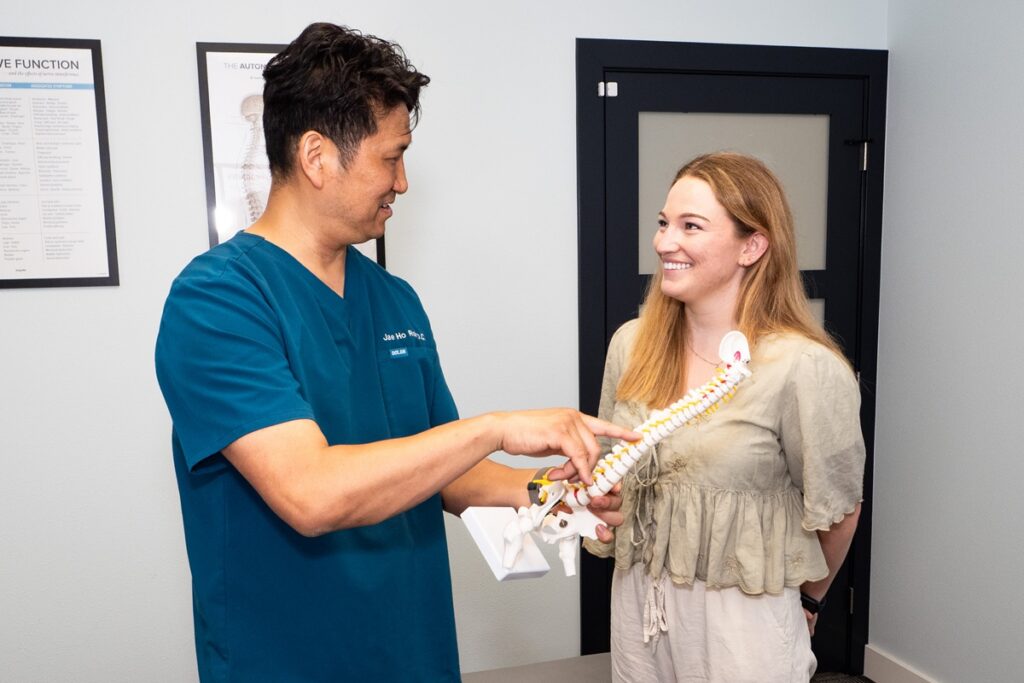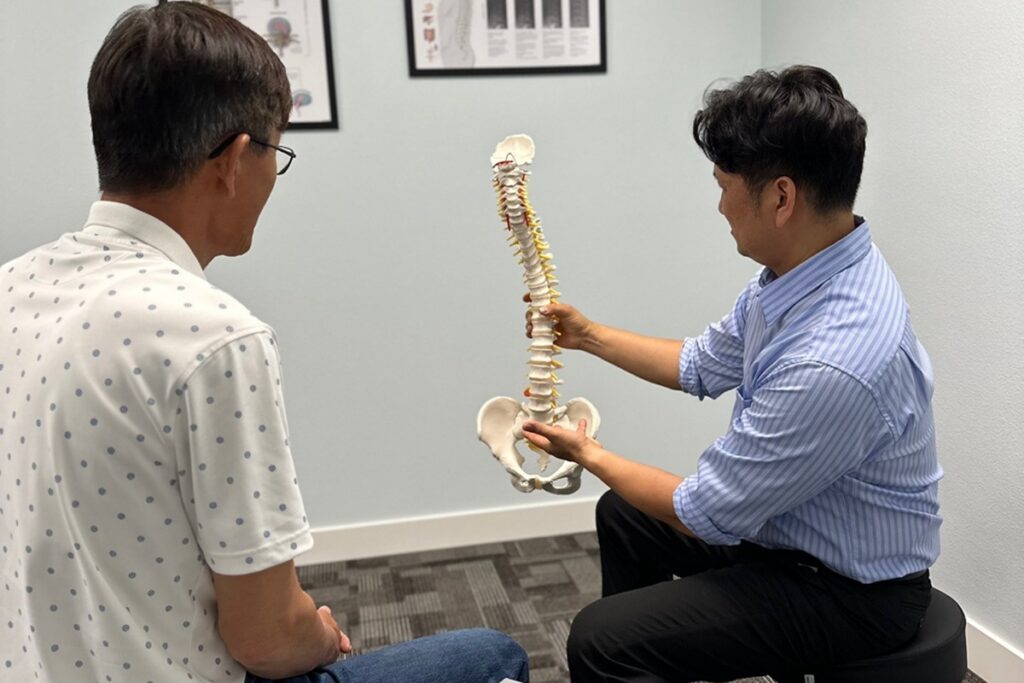

As a local chiropractor, I understand that back pain can significantly impact your daily activities. However, I want to share with you some simple lifestyle changes that can help prevent this discomfort. You may be surprised to learn how easy it can be to make adjustments, such as improving your posture and incorporating regular exercise into your routine. These changes are not only about providing immediate relief but are also essential for your long-term health.
Let’s delve into these key shifts together and explore how they can positively influence your overall well-being. By understanding the principles of chiropractic care and natural healing, you can take proactive steps to bolster your back health and enhance your quality of life. Together, we can work towards a pain-free future.
Incorporate Regular Exercise
As a local chiropractor, I want to emphasize the importance of incorporating regular exercise into your daily routine for maintaining a healthy spine and alleviating back pain. Many people don’t realize that a sedentary lifestyle can significantly contribute to discomfort in the back. Fortunately, you don’t need to spend hours at the gym to make a positive impact. Simple activities can greatly enhance your overall health.
Start by integrating walking, swimming, or cycling into your schedule. Aim for at least 30 minutes of moderate exercise most days of the week. These activities not only keep you active but also improve circulation and flexibility, which are essential for spinal health.
It’s also crucial to focus on strengthening your core muscles, as they provide essential support for your spine. Incorporate exercises like planks, bridges, or even yoga into your regimen to enhance your flexibility and stability.
Additionally, don’t overlook the importance of stretching; tight muscles can exacerbate discomfort and hinder your mobility. Always listen to your body and adjust exercises as needed.
If you’re unsure about proper techniques, I encourage you to consult a fitness professional. They can help ensure you’re exercising safely and effectively. With consistent effort, you’ll likely see improvements in not just your strength and flexibility, but also in your overall well-being.
Improve Your Posture
As a local chiropractor, I want to emphasize the significant impact that improving your posture can have on preventing back pain. Many of my patients are surprised to learn that simple adjustments in their daily routines can lead to substantial benefits for their spine and overall well-being.
First and foremost, consider setting up an ergonomic workstation. This means arranging your desk, chair, and computer in a way that promotes good posture and minimizes strain on your body. Pay attention to the height of your chair and monitor, ensuring your feet are flat on the ground and your screen is at eye level.
In addition to an ergonomic setup, practicing mindful sitting habits can greatly enhance your posture. Be conscious of how you sit—try to avoid slumping or leaning forward, and instead, sit back in your chair with your shoulders relaxed and your back straight.
Lastly, I encourage you to strengthen your core muscles. A strong core supports your spine, helping to maintain proper alignment and stability. Incorporating exercises that target your abdominal and back muscles can make a significant difference.
By implementing these strategies, you’ll be taking proactive steps toward a healthier posture and reducing the risk of back pain.
Ergonomic Workstation Setup
As a chiropractor, I want to emphasize the importance of creating an ergonomic workstation to maintain good posture and prevent back pain, especially for those of you who spend long hours at a desk.
The first step is to adjust your chair so that your feet rest flat on the floor and your knees are aligned with your hips. This positioning ensures that your back is fully supported by the chair’s backrest, which is crucial for spinal health.
Next, it’s essential to position your computer screen at eye level, approximately an arm’s length away. This will help you avoid unnecessary strain on your neck and spine. Your keyboard and mouse should be placed close enough to your body so that your elbows can rest comfortably at your sides, reducing the risk of repetitive strain injuries.
If your feet don’t reach the ground, consider using a footrest to provide additional support.
Lastly, ensure that your workspace is well-lit to minimize eye strain, which can lead to tension headaches and stress on the neck.
By making these adjustments, you can maintain comfort throughout your workday and significantly reduce the likelihood of experiencing back pain.
Mindful Sitting Habits
As a chiropractor, I want to emphasize the importance of your sitting habits, especially after you’ve set up an ergonomic workstation. It’s not just about the setup; it’s about how you utilize it.
First, make a conscious effort to maintain good posture: sit up straight with your shoulders relaxed and your back aligned with your chair. This alignment can significantly reduce the strain on your spine.
Ensure your feet are resting flat on the floor or on a footrest, and keep your knees at or below hip level. It’s crucial to avoid crossing your legs, as this can lead to discomfort and strain in your back over time.
Remember, your body needs movement to stay healthy, so take regular breaks to stand up and stretch. This practice helps combat stiffness and promotes healthy circulation.
Additionally, when sitting for extended periods, try to shift your position occasionally. This little adjustment can alleviate pressure on your spine and support overall well-being.
If you’re finding it challenging to maintain proper posture, consider using a lumbar support pillow. This can provide added support and encourage better alignment throughout your day.
By adopting mindful sitting habits, you can make a significant impact on your spinal health and reduce back pain over time.
Strengthening Core Muscles
As your local chiropractor, I want to emphasize the importance of a strong core for your overall health, especially in maintaining good posture and preventing back pain.
When your core muscles—comprising your abdominals, obliques, and lower back—are well-developed, they support your spine effectively, allowing you to sit and stand correctly.
Incorporating core-strengthening exercises into your routine can make a significant difference. I recommend exercises such as planks, bridges, and leg raises.
These not only build muscle strength but also enhance your stability, making it easier for you to maintain an upright posture throughout your day.
While performing these exercises, it’s crucial to focus on your breathing and engage your core muscles for maximum benefit.
By doing so, you’ll likely experience improved posture, reduced discomfort, and an overall increase in strength.
I encourage you to prioritize core workouts a few times each week.
This proactive approach can greatly lower your risk of developing back pain and contribute to your overall well-being.
Maintain a Healthy Weight
As a local chiropractor, I want to emphasize the importance of maintaining a healthy weight, especially when it comes to preventing back pain. Carrying excess weight can place significant stress on your spine and the muscles that support it. When your body has to bear extra pounds, it can lead to an imbalance, making it harder for your spine to function properly, which often results in discomfort and pain.
To help you achieve and maintain a healthy weight, I recommend focusing on a balanced diet that includes plenty of fruits, vegetables, whole grains, and lean proteins. It’s important to minimize your intake of processed foods and sugary beverages, as these can contribute to weight gain and overall health issues.
In addition to nutrition, regular physical activity plays a crucial role in weight management. Aim for at least 150 minutes of moderate exercise each week. This should include both aerobic activities, like walking or swimming, as well as strength training to help build and support your muscles.
Use Proper Lifting Techniques
As a local chiropractor, I want to emphasize the importance of using proper lifting techniques to protect your back and overall health.
When lifting heavy objects, always remember to bend your knees and keep the load close to your body. This simple adjustment can significantly reduce strain on your back and help you lift more safely.
By incorporating this technique into your daily routine, you can prevent pain and injuries that may arise from improper lifting.
Your spine is essential to your wellbeing, and practicing safe lifting is a key step in maintaining a healthy, pain-free life.
Bend Your Knees
As a local chiropractor, I want to share an essential tip for preventing injury when lifting heavy objects: always lift with your knees, not your back.
Many people are unaware that when you bend your knees and squat down, you’re actually engaging your leg muscles—these are significantly stronger than the muscles in your back. This technique allows you to distribute the weight more evenly, which greatly reduces the strain on your spine.
It’s important to stand with your feet shoulder-width apart for better stability. As you lift, remember to keep your back straight and your chest lifted. Avoid any twisting motions while lifting; instead, pivot your feet to change direction.
By practicing this proper lifting technique, you can significantly lower your risk of experiencing back pain.
So, the next time you’re faced with lifting something heavy, make it a habit to bend your knees. This simple adjustment not only promotes safer lifting but also supports your overall spinal health.
I’m here to help you understand these concepts better and guide you on your journey to natural healing and wellness.
Keep Load Close
As a local chiropractor, I often see patients who experience back pain due to improper lifting techniques. One of the most effective ways to prevent this type of discomfort is to keep the load close to your body. When you hold items near your center of gravity, it significantly reduces the strain on your back and helps you maintain better balance.
Before you lift anything, position yourself so that the object is directly in front of you. Make sure to use both hands to grip the load securely, and engage your core muscles for additional support.
It’s crucial to lift with your legs rather than your back; push through your heels as you rise to avoid any unnecessary stress on your spine.
If you find the load to be too heavy, please don’t hesitate to ask for help or utilize tools like a dolly to assist you.
Invest in a Good Mattress
As a local chiropractor, I want to emphasize the importance of choosing the right mattress for your back health. Research has shown that a quality mattress can significantly reduce discomfort and enhance your sleep quality, which is vital for overall wellness.
When you sleep on a supportive surface, your spine can align properly, alleviating pressure points that often lead to pain.
If you tend to sleep on your side, a softer mattress may be beneficial as it provides the necessary cushioning for your shoulders and hips. Conversely, if you’re a back or stomach sleeper, a firmer mattress is typically better for maintaining proper spinal alignment.
It’s also crucial to consider the durability of your mattress; investing in a high-quality option means it should retain its supportive qualities for several years.
I encourage you to explore different mattresses in-store or take advantage of online trial periods to find the best fit for you.
Stretch and Strengthen
As a local chiropractor, I want to emphasize the incredible benefits of incorporating regular stretching and strengthening exercises into your daily routine for optimal back health. Many of my patients find that these practices not only alleviate tension but also build resilience against future discomfort.
It’s essential to focus on exercises that target your core, hips, and lower back. Stronger muscles provide better support for your spine, making everyday movements easier and more enjoyable.
Here are a few key elements to consider adding to your routine:
- Relief from daily discomfort: Stretching can significantly ease tightness and enhance your overall mobility, helping you feel more comfortable throughout the day.
- Boosted confidence: A stronger back empowers you to engage in activities you love without the fear of pain, allowing you to live your life more fully.
- Enhanced mood: Regular exercise is known to release endorphins, which can help you feel more positive and energized.
By prioritizing stretching and strengthening, you’re likely to notice improvements in your back health, along with a renewed sense of vitality.
Your body will truly thank you for making these natural, healthy choices a part of your life! If you have any questions or need guidance on specific exercises, don’t hesitate to reach out during your next visit.
Stay Hydrated
As a local chiropractor, I want to emphasize the importance of staying hydrated for your overall health and well-being, particularly when it comes to managing back pain.
Adequate water intake is crucial for maintaining optimal muscle function, which in turn supports a strong and flexible back.
Let’s discuss some practical tips to help ensure that you’re drinking enough water throughout the day, so you can feel your best and support your body’s natural healing processes.
Importance of Water Intake
As a local chiropractor, I want to emphasize that something as simple as drinking enough water can significantly impact your back health. Staying properly hydrated plays a crucial role in maintaining the elasticity of your spinal discs, which is essential for keeping your back flexible and reducing the risk of injury.
When your body is dehydrated, those discs can lose moisture, leading to discomfort and even pain.
Let me share a few emotional reminders on why prioritizing hydration can enhance your well-being:
- Picture waking up without back pain, feeling invigorated and ready to take on the day with confidence.
- Think about the comfort of sitting at your desk without that persistent ache that distracts you from your work.
- Imagine the joy of moving freely, engaging in the activities you love without any restrictions.
By ensuring you drink enough water, you’re not just quenching your thirst—you’re actively supporting your spinal health and overall wellness.
Make hydration a priority, and you may find it makes a world of difference in your daily life!
Hydration and Muscle Function
As your trusted chiropractor, I want to emphasize the critical role that hydration plays in your muscle function and overall spinal health. When you stay well-hydrated, your muscles can operate more effectively, which is essential for maintaining a strong and healthy back. Proper hydration nourishes your muscle tissues, allowing them to contract and relax smoothly.
Conversely, dehydration can lead to stiff muscles and cramps, which can contribute to strain and discomfort in your back.
Moreover, water is vital for transporting nutrients to your muscles and removing waste products from muscle cells. This process not only supports recovery but also helps reduce fatigue, allowing you to engage in physical activities with a lower risk of injury.
By ensuring you drink enough water, you’re not only taking care of your overall health but also promoting a strong and flexible back.
Tips for Staying Hydrated
As a local chiropractor, I want to emphasize the importance of staying hydrated for your overall health and well-being. Hydration plays a crucial role not only in your general health but also in preventing issues like back pain.
When your body is dehydrated, it can lead to muscle stiffness, making you more susceptible to injuries. Here are some practical tips to help you maintain proper hydration throughout your day:
- Make it a routine to fill your water bottle every morning; this serves as a daily reminder to prioritize your hydration.
- Utilize technology by setting alerts on your phone to remind you to drink water at regular intervals.
- To make drinking water more enjoyable, consider infusing it with fruits. This not only enhances the flavor but can also encourage you to drink more.
By incorporating these habits into your daily life, you can support your body’s natural healing processes and help alleviate discomfort in your spine and muscles.
Manage Stress Effectively
As a chiropractor, I often see how managing stress can play a significant role in alleviating back pain. When you’re stressed, your body tends to hold onto tension, especially in the muscles of your back, which can lead to discomfort and pain. By effectively managing that stress, you can help reduce muscle tension and promote relaxation.
The first step is to identify what’s causing your stress. This could be anything from work pressures to relationship challenges or everyday responsibilities. Understanding your stressors is crucial in tackling them head-on.
Incorporating relaxation techniques into your daily routine can be incredibly beneficial. Practices such as deep breathing exercises, meditation, and yoga not only help calm your mind but also work wonders in releasing the tension that can build up in your body.
Regular physical activity is also an excellent stress management tool. Exercise not only enhances your mood but also strengthens the muscles in your back, making them more resilient against pain.
Lastly, don’t underestimate the power of support. Whether it’s talking to friends, family, or mental health professionals, sharing your feelings can provide valuable coping strategies and emotional relief. This, in turn, can help lower your overall stress levels, which is essential for maintaining a healthy back.
Avoid Prolonged Sitting
As a local chiropractor, I want to emphasize the importance of avoiding prolonged sitting, as it can significantly contribute to back pain. Many people find themselves glued to their chairs for hours, often due to stress or intense focus on tasks.
However, those extended periods of inactivity can take a serious toll on your spine and overall well-being.
To combat this issue, I encourage you to make a conscious effort to stand up, stretch, or take a quick walk every hour. This simple practice can make a world of difference for your back. Remember, you deserve a life free from nagging pain!
It’s time to break free from the confines of your chair and reclaim your comfort. Small changes in your daily routine can lead to significant relief and improved health. Incorporating regular movement into your day is essential for maintaining a healthy back.
Don’t allow your busy lifestyle to dictate your health. Take control and prioritize your well-being. A little movement goes a long way in preventing discomfort associated with prolonged sitting.
If you have any questions about how chiropractic care can support your journey to a healthier back, feel free to reach out!
Seek Professional Help When Needed
As a local chiropractor, I want to emphasize the importance of seeking professional help when dealing with back pain. While you might be tempted to manage your discomfort on your own, getting expert guidance can truly make a difference. Ignoring ongoing pain can lead to more significant issues down the line, which is why it’s crucial to understand the benefits of chiropractic care.
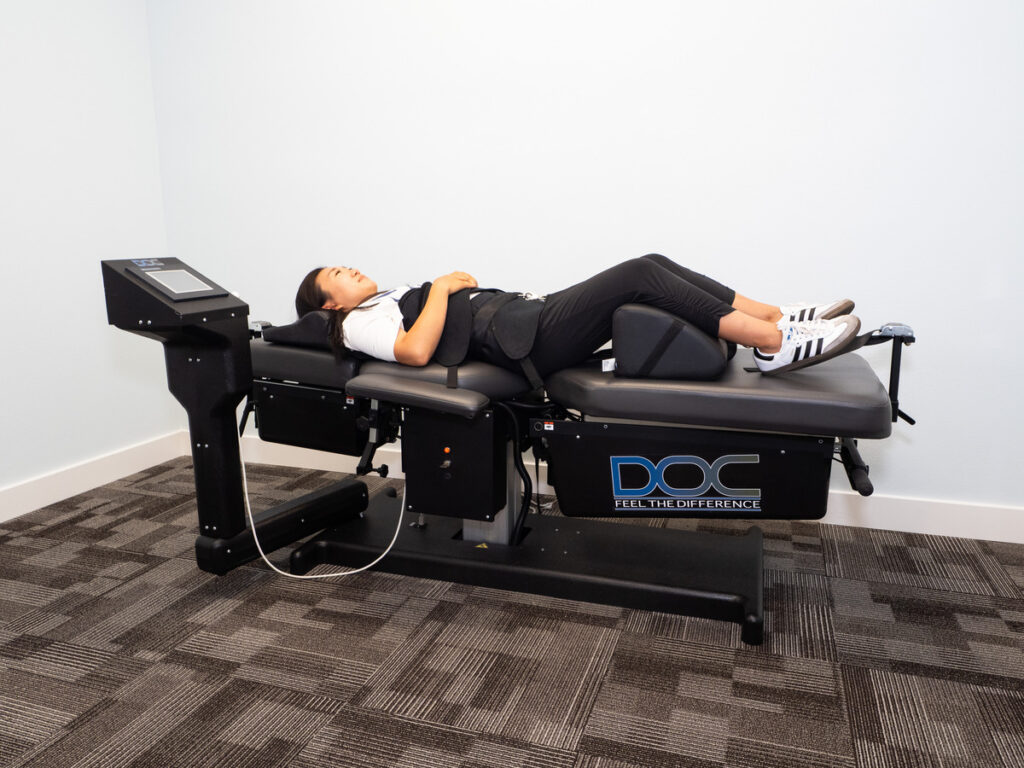
When you come to see me, I focus on accurately diagnosing the underlying cause of your pain. This allows me to recommend tailored treatments that address your specific needs. Chiropractic care is centered on natural healing, and I utilize techniques that can alleviate pain and promote overall wellness without relying on medication.
I work with you to develop personalized exercise programs designed to strengthen your core, increase flexibility, and improve your posture—essential elements in preventing future pain. Moreover, I provide insights on ergonomics to ensure your workspace is conducive to your back health.
If your pain worsens or begins to disrupt your daily life, please don’t hesitate to reach out. Early intervention is key to achieving the best possible outcomes, and I’m here to guide you every step of the way.