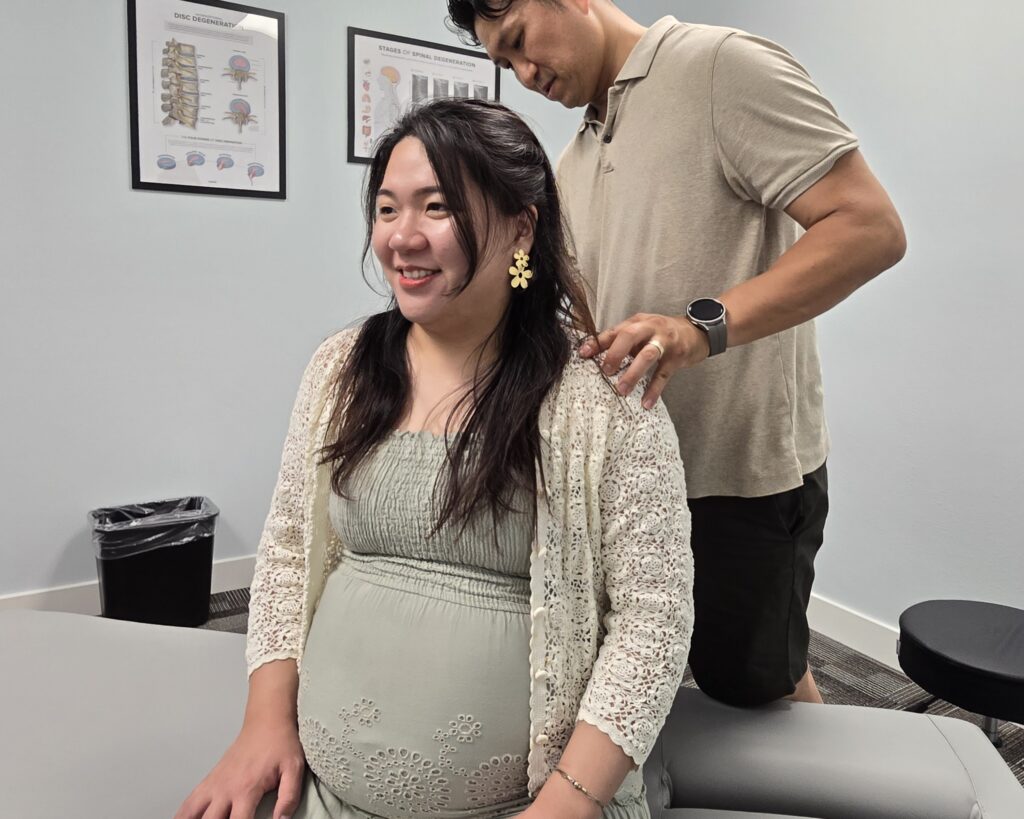

As a local chiropractor, I understand that chronic back pain can be a challenging condition to manage. It’s essential to explore effective long-term strategies that can significantly enhance your quality of life. Many individuals often overlook straightforward yet impactful methods that can provide lasting relief. By integrating regular physical activity and making ergonomic adjustments to your daily routine, you can take proactive steps toward alleviating your pain. Let’s delve into these five best practices that can transform your approach to managing back pain naturally and effectively. Together, we can create a personalized plan that works for you and helps you regain control over your health.
Regular Physical Activity and Exercise
As your local Chiropractor, I want to emphasize the significant role that regular physical activity and exercise play in managing chronic back pain. Engaging in consistent movement strengthens the muscles that support your spine, which can lead to reduced pain and discomfort.
It’s essential to find activities that you genuinely enjoy, as this will help keep you motivated and committed to your health journey. Low-impact exercises such as walking, swimming, or cycling can be particularly beneficial for your back.
In addition to cardiovascular activities, incorporating stretching and flexibility routines into your regimen can improve your range of motion and alleviate stiffness. Consider exploring practices like yoga or Pilates, which emphasize core strength and stability—key components for a healthy spine.
Always listen to your body; if something doesn’t feel right, it’s important to adjust your routine accordingly.
Consistency is vital for success; I recommend aiming for at least 150 minutes of moderate activity each week. By prioritizing regular exercise, you’re taking an empowering step toward managing your back pain and enhancing your overall well-being.
Ergonomic Adjustments in Daily Life
As a local chiropractor, I want to emphasize the importance of staying active in managing chronic back pain, but I also want to highlight how crucial it’s to create an ergonomic environment in your daily life.
It all begins with your workstation. Ensure your chair provides proper support for your lower back, and keep your feet flat on the floor to promote good posture. Your computer screen should be at eye level to help prevent unnecessary neck strain. Using a headset during phone calls can also reduce the risk of adopting awkward postures.
At home, consider investing in ergonomic tools such as a supportive mattress and pillows designed to keep your spine aligned while you sleep.
When you’re lifting objects, remember to bend your knees and keep the load close to your body to avoid putting extra strain on your back.
It’s also important to be mindful of your posture throughout the day. Whether you’re standing or sitting, maintaining an upright position can significantly enhance your overall well-being.
Making these small adjustments can lead to substantial improvements in your daily comfort, allowing you to manage your chronic back pain more effectively.
If you have any questions about how chiropractic care can further support your journey to a pain-free life, please feel free to ask!
Mind-Body Techniques for Pain Management
As a local chiropractor, I want to emphasize the importance of finding balance between your mind and body, especially when it comes to managing chronic back pain.
Many patients are unaware that mind-body techniques can significantly aid in pain relief and enhance overall wellness. Here are four effective methods that I encourage you to explore:
- Meditation: Engaging in mindfulness meditation allows you to center your thoughts on the present moment. This practice can significantly reduce stress and shift your perception of pain, making it easier to cope with discomfort.
- Yoga: Incorporating gentle yoga into your routine can be incredibly beneficial. The stretches not only improve flexibility and strength but also promote a sense of relaxation, which can help alleviate tension in your back.
- Breathing Exercises: Practicing deep, controlled breathing is a simple yet powerful tool. It calms your nervous system and can effectively reduce tension in your back, making you feel more at ease.
- Visualization: Using visualization techniques, such as imagining a serene landscape or envisioning yourself free from pain, can help redirect your focus. This mental shift can potentially lessen your discomfort and foster a more positive outlook.
By integrating these techniques into your daily routine, you can actively take charge of your pain management and improve your quality of life.
I encourage you to embrace these strategies to cultivate a healthier connection between your mind and body, and to consider how chiropractic care can complement these practices for a holistic approach to your health.
Nutritional Support for Musculoskeletal Health
As your local chiropractor, I want to emphasize the vital role nutrition plays in supporting your musculoskeletal health. Many people overlook the impact of their dietary choices on how their bodies feel and function. A well-balanced diet, rich in essential vitamins and minerals, can significantly enhance your overall well-being.
Start by incorporating anti-inflammatory foods into your meals. Leafy greens, fatty fish, nuts, and berries are excellent choices that can help reduce inflammation and ease discomfort. These foods not only nourish your body but also work to alleviate pain, which is crucial for maintaining your mobility.
Calcium and vitamin D are particularly important for strong bones. I recommend including dairy products or fortified plant-based milks in your diet and ensuring you get some sunlight each day. These elements work together to support bone health, which is fundamental for preventing injuries.
Don’t forget about magnesium! This mineral, found in whole grains and legumes, is essential for muscle function and relaxation. Proper muscle health can help prevent tension and pain, keeping you active and feeling your best.
Hydration is another key factor in musculoskeletal health. Drinking enough water helps lubricate your joints, making movement smoother and reducing discomfort.
Lastly, be mindful of your intake of processed foods and added sugars. These can lead to increased inflammation and discomfort, which ultimately affect your quality of life.
Alternative Therapies and Holistic Approaches
As a local chiropractor, I want to share how alternative therapies and holistic approaches can significantly benefit those suffering from chronic back pain.
It’s important to understand that these methods focus on treating the entire individual, rather than merely addressing the symptoms of pain.
Here are some effective options I encourage you to consider:
- Acupuncture: This time-honored Chinese practice involves stimulating specific points on the body, which can help alleviate pain and promote overall wellness.
- Chiropractic Care: Regular chiropractic adjustments can play a crucial role in improving spinal alignment. This not only reduces discomfort but also enhances your overall bodily function.
- Yoga and Pilates: Both practices emphasize flexibility and core strength, which are essential for supporting your back and maintaining good posture. Incorporating these movements into your routine can lead to significant improvement.
- Massage Therapy: Therapeutic massage is an excellent way to relieve muscle tension and enhance circulation, which can aid in the healing process.
By integrating these therapies into your lifestyle, you may experience immediate relief and contribute to your long-term health and well-being.
It’s essential to consult with your healthcare provider, including your chiropractor, to tailor these approaches specifically to your needs.
Together, we can create a comprehensive plan to help you achieve a healthier, pain-free life.