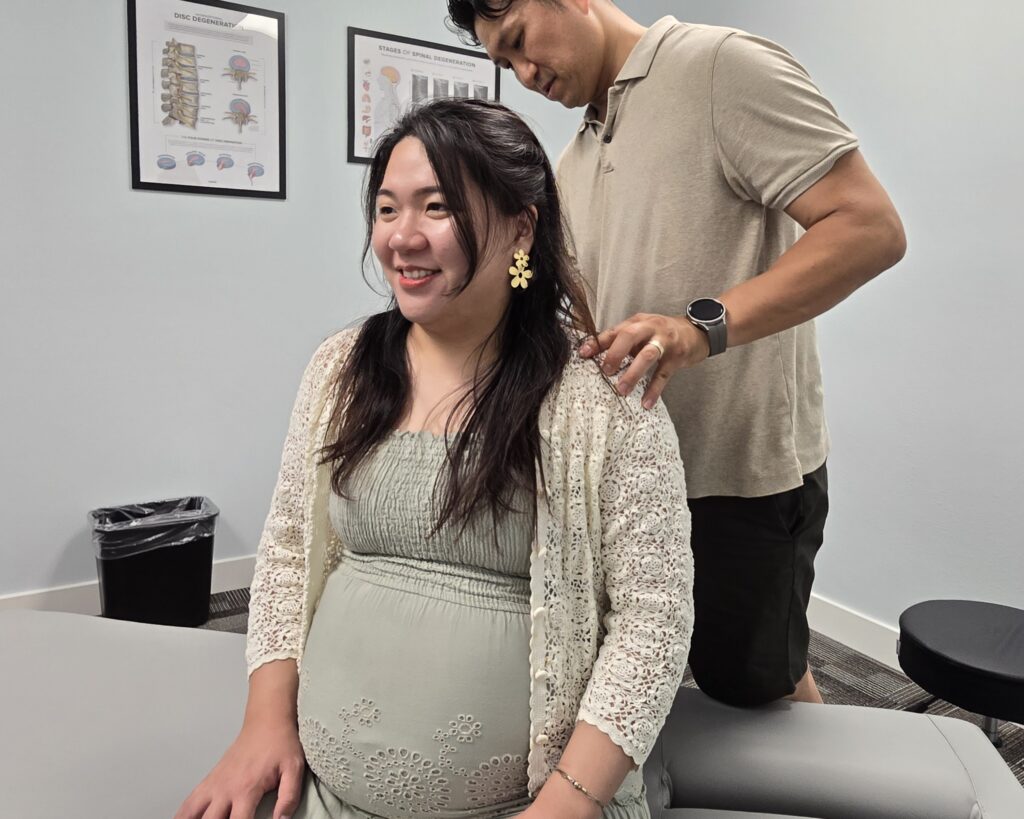

As a local chiropractor, I understand how disruptive back pain can be to your daily life. Many of my patients come in seeking relief, and I often share that incorporating specific stretches into their routine can make a remarkable difference. These simple yet effective movements not only enhance flexibility but also relieve tension and promote overall comfort. If you’re curious about how to keep your back healthy and pain-free, let’s delve into the five best stretches that I recommend to my patients for preventing back pain. By embracing these stretches, you can take an active role in your natural healing journey and support your spine’s well-being.
Cat-Cow Stretch
As a local chiropractor, I want to introduce you to a wonderful exercise that can greatly benefit your spinal health: the Cat-Cow Stretch. This dynamic movement isn’t only effective in enhancing spinal flexibility but also plays a crucial role in relieving tension in your back.
Many of my patients have found that incorporating this stretch into their routine helps to warm up the spine and improve overall posture.
To perform the Cat-Cow Stretch, begin by getting on all fours, ensuring that your wrists are directly under your shoulders and your knees are aligned with your hips. As you take a deep breath in, arch your back, allowing your belly to drop toward the ground while lifting your head and tailbone—this position is known as Cow.
On the exhale, round your spine by tucking your chin to your chest and drawing your belly button toward your spine—this is the Cat position.
I recommend repeating this flow for several breaths, ideally aiming for 5 to 10 repetitions. This practice not only stretches the back but also engages your core, fostering strength along with flexibility.
As you focus on the rhythm of your breath, you may notice improved mobility and a significant reduction in back tension. This makes the Cat-Cow Stretch a valuable addition to your daily wellness routine, supporting your journey towards natural healing and better spinal health.
Child’s Pose
As a local chiropractor, I often recommend incorporating Child’s Pose into your routine, especially after doing the Cat-Cow Stretch. This restorative stretch can be incredibly beneficial for your back, promoting relaxation and enhancing flexibility.
When you settle into Child’s Pose, you’ll notice a gentle stretch along your spine, which can help alleviate tension and stress.
To ensure you get the most out of Child’s Pose, here are some steps to follow:
- Kneel on the floor with your big toes touching and knees apart. This creates space for your torso to sink comfortably.
- Exhale deeply as you fold forward, allowing your forehead to rest on the mat. This helps you to let go of any built-up tension.
- Extend your arms in front of you for a deeper stretch, or relax them by your sides—choose what feels most comfortable for you.
- Focus on your breath, taking steady, calming breaths to help release any tightness in your lower back.
Embracing this calming pose can significantly enhance your overall well-being and serve as a natural way to keep back pain at bay.
Incorporating such gentle movements into your routine can complement the benefits of chiropractic care, helping you maintain a healthy spine and improve your overall quality of life.
Standing Forward Bend
As a chiropractor, I often recommend the Standing Forward Bend as an effective technique for alleviating tension in your back and legs.
To begin this stretch, stand tall with your feet about hip-width apart. Take a deep breath in, and as you exhale, hinge at your hips to fold forward. Allow your upper body to hang heavy, letting gravity do its work. If you experience any discomfort in your lower back, it’s perfectly fine to keep your knees slightly bent.
For added relaxation, consider clasping your elbows or letting your hands rest gently on the floor. Focus on your breath, inhaling deeply and exhaling slowly, as you feel the stretch along your spine and hamstrings. Aim to hold this position for 30 seconds to a minute, concentrating on releasing any tension with each exhale.
When you’re ready to come back up, do so slowly by rolling up one vertebra at a time, engaging your core for support.
This stretch not only helps relieve tightness but also promotes blood circulation, which can enhance your overall energy levels. Incorporating the Standing Forward Bend into your routine can be a great way to support your body’s natural healing process and improve your well-being.
Seated Spinal Twist
As a local chiropractor, I often recommend the Seated Spinal Twist as an excellent method to enhance spinal flexibility and relieve discomfort, especially after performing the Standing Forward Bend.
This stretch isn’t only beneficial for your back but also promotes better posture, which is essential for overall health.
Here’s how to perform the Seated Spinal Twist properly:
- Begin by sitting on the floor with your legs extended straight in front of you.
- Bend your right knee and place your foot on the outside of your left thigh. This position engages your core and prepares your spine for the twist.
- Gently twist your torso to the right, using your left elbow to press against the outside of your right knee for added support and leverage.
- Maintain the position for 15-30 seconds, ensuring you breathe deeply and rhythmically, then carefully switch sides.
As you engage in this twist, I encourage you to visualize your spine elongating and your muscles releasing any accumulated tension.
This stretch not only alleviates discomfort but also revitalizes your entire body, helping you feel refreshed and free from stiffness.
Incorporating stretches like the Seated Spinal Twist into your routine can significantly improve your spinal health and overall well-being.
Knee-to-Chest Stretch
As a chiropractor, I often recommend the Knee-to-Chest Stretch to my patients as an effective method to relieve lower back tension and improve overall flexibility. This stretch is simple to perform and can be a valuable addition to your daily routine.
To start, lie on your back with your legs extended straight out. Gently bend one knee and pull it towards your chest, using your hands to grasp your shin or knee. Hold this position for about 20 to 30 seconds, and pay attention to the sensations in your lower back and hips. It’s important to breathe deeply during this stretch and keep your shoulders relaxed.
After you’ve held the stretch, switch to the other leg and repeat.
For a deeper stretch, you can modify the exercise by bringing both knees to your chest at the same time. This variation not only helps alleviate lower back pain but also promotes better spinal alignment, which is crucial for your overall health.
Incorporating the Knee-to-Chest Stretch into your daily routine can significantly enhance your flexibility and help prevent discomfort.