
You might be surprised to learn that effective relief from neck pain doesn't always require surgery. Many people find solace in non-surgical remedies like physical therapy, chiropractic care, and even yoga. These approaches not only target the pain but also address underlying issues, promoting overall well-being. But are these methods truly enough to provide the relief you need? As we explore the benefits of these treatments, you may discover options that could change your approach to managing neck pain.
Understanding Neck Pain
Neck pain is a common issue that many people experience at some point in their lives. It can stem from various sources, and understanding these causes is vital for managing your discomfort.
You might find that poor posture, especially from prolonged computer use or smartphone scrolling, leads to muscle strain and tension in your neck. When you hunch over your devices, the weight of your head puts additional pressure on your cervical spine, resulting in pain.
Injuries, such as whiplash from car accidents, can also contribute to neck pain. Even minor falls or sports-related impacts can strain the muscles and ligaments in your neck, leaving you with lingering discomfort.
Additionally, age-related wear and tear, like degenerative disc disease or arthritis, can lead to chronic neck pain as your joints and cartilage deteriorate over time.
Stress plays a significant role too. When you're stressed, you may unconsciously tighten the muscles in your neck and shoulders, leading to tension headaches and pain. You mightn't even realize you're doing it until the discomfort becomes unbearable.
In some cases, referred pain from other areas, such as the shoulders or upper back, can manifest as neck pain. It's important to identify the source of your discomfort to address it effectively.
Benefits of Physical Therapy
One of the most effective ways to alleviate neck pain is through physical therapy, which offers numerous benefits tailored to your specific needs. When you engage in physical therapy, you work closely with a trained professional who can assess your condition and develop a personalized treatment plan. This individualized approach guarantees that your therapy addresses the root causes of your neck pain, rather than just masking the symptoms.
Physical therapy can enhance your range of motion and flexibility, enabling you to move more freely and comfortably. You'll learn specific exercises that strengthen the muscles supporting your neck, which helps prevent future injuries. Additionally, your therapist may teach you proper posture and ergonomic techniques to incorporate into your daily routine, reducing strain on your neck.
Another key benefit is the emphasis on pain management. Through various techniques, including manual therapy, stretching, and modalities like heat or ice, your therapist can help alleviate your discomfort and promote healing. You'll also gain valuable self-management strategies to maintain your progress long after your therapy sessions end.
Moreover, physical therapy can foster a sense of empowerment. By actively participating in your recovery, you'll develop a better understanding of your body and how to care for it. This knowledge can boost your confidence and motivate you to stay active, further supporting your long-term health.
Ultimately, physical therapy not only addresses your current neck pain but also equips you with tools for a healthier future.
Role of Chiropractic Care
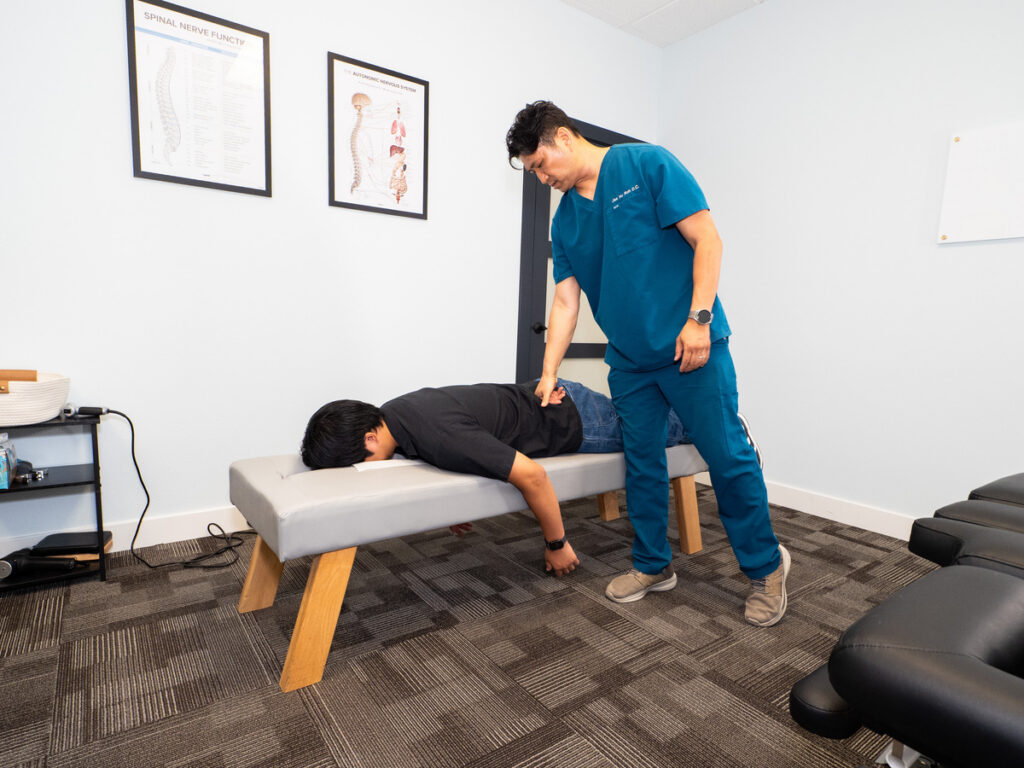
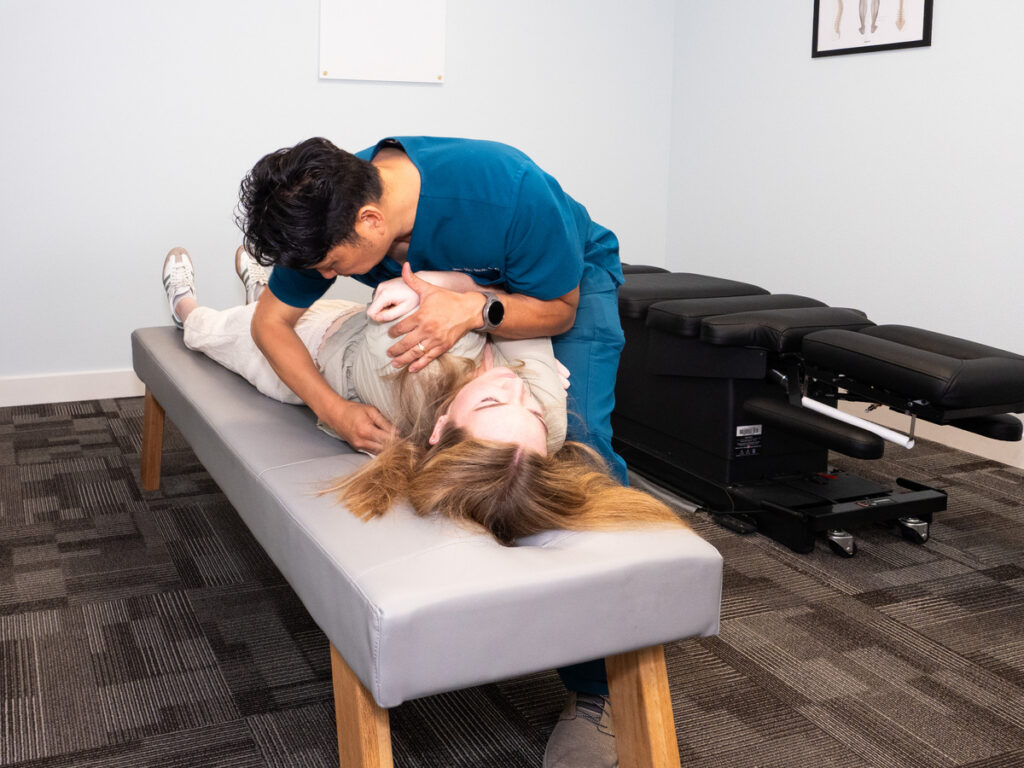
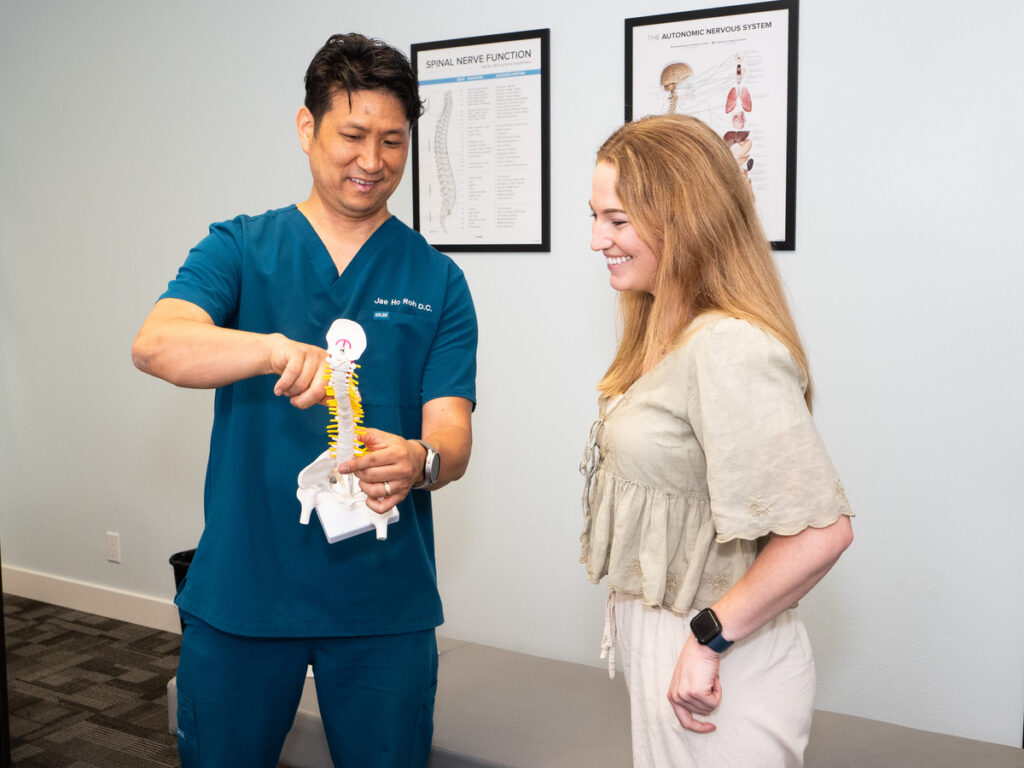
Chiropractic care plays a significant role in managing neck pain by focusing on spinal alignment and overall musculoskeletal health. When you visit a chiropractor, they'll assess your posture, range of motion, and any discomfort you might be experiencing. This thorough evaluation helps them identify the root cause of your neck pain, whether it's due to misalignment, muscle tension, or other issues.
During your sessions, the chiropractor will use various techniques, such as spinal manipulation and adjustments, to restore proper alignment. These adjustments can relieve pressure on your nerves and improve blood flow, which may lead to reduced pain and increased mobility.
You might also find that chiropractic care helps alleviate tension in surrounding muscles, providing you with a more holistic approach to pain relief.
In addition to hands-on treatment, your chiropractor may suggest exercises or lifestyle modifications to support your recovery and prevent future issues. This personalized plan can empower you to take charge of your health and maintain a pain-free neck.
Many people report feeling immediate relief after chiropractic adjustments, but keep in mind that results can vary. It's important to communicate openly with your chiropractor about your symptoms and progress.
Regular visits can help you stay on track and make any necessary adjustments to your treatment plan. Overall, chiropractic care can be an effective, non-invasive option for managing neck pain, helping you regain comfort and improve your quality of life.
Yoga for Neck Relief
Yoga can be a powerful tool for relieving neck pain, offering both physical and mental benefits.
You can explore effective poses and breathing techniques that help stretch and strengthen the neck muscles.
Benefits of Yoga
For centuries, people have turned to yoga as a holistic approach to relieve neck pain. You might find yoga beneficial not just for stretching, but also for enhancing your overall well-being. Practicing yoga can improve your posture, which is essential if you spend long hours at a desk or looking at your phone. Good posture helps maintain the natural curve of your spine, reducing strain on your neck.
Additionally, yoga emphasizes mindfulness and deep breathing, techniques that can help you manage stress. Stress often contributes to muscle tension in your neck, and by incorporating relaxation techniques, you can alleviate some of that discomfort. You'll also build strength in your neck and shoulder muscles, providing better support for your head.
Moreover, yoga promotes flexibility, allowing for a greater range of motion in your neck. This can lead to fewer injuries and a more resilient body overall. By committing to a regular yoga practice, you may notice not only a reduction in neck pain but also improvements in your mental clarity and emotional balance.
Effective Poses
If you're looking to find relief from neck pain, certain yoga poses can work wonders. These effective poses help stretch and strengthen the muscles around your neck, promoting relaxation and reducing tension.
Here are four poses to incorporate into your routine:
- Cat-Cow Stretch: Start on all fours, arch your back like a cat, then dip it down like a cow. This dynamic movement warms up your spine and loosens your neck.
- Child's Pose: Kneel on the floor and sit back on your heels. Stretch your arms forward and lower your forehead to the mat. This pose calms the mind and gently stretches the neck.
- Seated Forward Bend: Sit with your legs extended, then reach for your toes while keeping your back straight. This pose helps release tension in your neck and shoulders.
- Neck Rolls: Sit comfortably and gently roll your head in a circular motion. This simple movement can relieve stiffness and improve flexibility in your neck.
Try these poses regularly, and you might just find the relief you've been seeking.
Breathing Techniques
Breathing techniques can greatly enhance your neck relief practice. By focusing on your breath, you can promote relaxation and reduce tension in your neck and shoulders.
Start with deep, diaphragmatic breathing: inhale slowly through your nose, allowing your abdomen to expand. Hold your breath for a moment, then exhale gently through your mouth. This technique calms the nervous system, helping to alleviate stress that can contribute to neck pain.
You might also try the "4-7-8" breathing technique. Inhale for four counts, hold for seven, and exhale for eight. Repeat this cycle several times. This method not only aids relaxation but also encourages proper posture, which is essential for neck health.
Incorporate these breathing exercises into your yoga practice or daily routine. You can do them while seated or lying down, making them accessible anytime you feel tension building.
Acupuncture Techniques
When it comes to easing neck pain, acupuncture techniques can offer significant relief.
You might find traditional acupuncture beneficial, along with targeted trigger point therapy that focuses on specific pain areas.
Additionally, electro-acupuncture techniques can enhance the effectiveness of your treatment by stimulating the muscles and nerves.
Traditional Acupuncture Benefits
Traditional acupuncture offers a variety of benefits for alleviating neck pain, making it an appealing option for many. This ancient practice focuses on restoring balance and promoting healing in your body.
Here are four key benefits you might experience:
- Pain Relief: Acupuncture stimulates the release of endorphins, your body's natural painkillers, helping to reduce discomfort in your neck.
- Improved Mobility: By targeting specific points, acupuncture can help relax tight muscles, increase blood flow, and enhance your range of motion.
- Stress Reduction: The calming effects of acupuncture can lower stress levels, which often contribute to muscle tension and pain in the neck area.
- Holistic Approach: Acupuncture treats not just the neck pain, but also considers your overall well-being, addressing any underlying issues that might be contributing to your discomfort.
Trigger Point Therapy
Acupuncture techniques can further enhance your experience with neck pain relief, and one effective method is trigger point therapy. This technique focuses specifically on tight knots or "trigger points" in your muscles that can cause pain and discomfort. When these points are activated, they can refer pain to other areas, leading to a cycle of tension and discomfort.
During a trigger point therapy session, a trained practitioner will apply pressure directly to these points, often using their fingers, elbows, or specialized tools. This pressure helps to release the tension, improve blood flow, and promote healing in the affected area. You might feel some discomfort during the treatment, but it's typically followed by a significant sense of relief.
You can also practice self-trigger point release at home. By applying firm pressure to specific areas on your neck and shoulders, you can alleviate tension between sessions. Remember to breathe deeply and relax your muscles as you work on these points.
Incorporating trigger point therapy into your neck pain management routine can enhance your overall results, allowing you to enjoy more freedom of movement and less discomfort in your daily life.
Electro-Acupuncture Techniques
Electro-acupuncture techniques offer a modern twist on traditional acupuncture, combining the benefits of needle insertion with electrical stimulation. This innovative approach enhances the effects of acupuncture, making it a compelling option for relieving neck pain.
You'll find that the electrical impulses can stimulate the muscles and nerves more effectively than needles alone.
Here are four key benefits of electro-acupuncture:
- Increased Blood Flow: The electrical stimulation promotes circulation, helping to deliver essential nutrients and oxygen to the affected areas, which can speed up healing.
- Pain Relief: By activating the release of endorphins, electro-acupuncture can provide immediate and long-lasting relief from neck pain.
- Muscle Relaxation: The electrical impulses help to relax tense muscles, reducing stiffness and discomfort that often accompany neck issues.
- Individualized Treatment: Practitioners can adjust the frequency and intensity of the electrical stimulation, tailoring the treatment to your specific needs and pain levels.
Incorporating electro-acupuncture into your pain management routine may offer a fresh perspective on finding relief from neck pain without resorting to surgery.
Heat and Cold Therapy
When it comes to managing neck pain, heat and cold therapy can be effective tools in your arsenal. Using these therapies can help alleviate discomfort and enhance your recovery.
Let's break down how each method works so you can decide which one to use.
Heat therapy increases blood flow to your muscles, which can relieve stiffness and promote healing. You can use a heating pad, a warm towel, or take a warm shower to apply heat.
Just be cautious not to overheat your skin; applying heat for about 15-20 minutes at a time is usually sufficient. You should feel a soothing warmth, but if it becomes uncomfortable, remove the source of heat immediately.
On the other hand, cold therapy is great for reducing inflammation and numbing sharp pain. Ice packs or a bag of frozen vegetables wrapped in a cloth can do the trick.
Apply cold therapy for 15-20 minutes, ensuring you don't place ice directly on your skin to avoid frostbite. Cold therapy is particularly useful right after an injury or during a flare-up of pain.
Incorporating both therapies can be beneficial; use heat to relax and loosen up tight muscles and cold to reduce inflammation and pain.
Experiment with both to see what works best for your specific situation. Remember, listening to your body is key, so adjust your approach as needed to find the most relief.
Lifestyle Changes for Prevention
Making simple lifestyle changes can greatly reduce your risk of experiencing neck pain in the first place.
By incorporating a few habits into your daily routine, you can promote better neck health and overall well-being. Here are four effective strategies to contemplate:
- Adjust Your Workspace: Verify your computer screen is at eye level, and your chair supports your lower back. Keep your feet flat on the ground to maintain good posture while working.
- Practice Good Posture: Whether you're sitting, standing, or walking, be mindful of your posture. Keep your shoulders back and down, and avoid craning your neck forward or hunching over your devices.
- Take Regular Breaks: If you're working at a desk or engaging in activities that require prolonged focus, take short breaks every hour. Stand up, stretch, and move around to relieve tension in your neck and shoulders.
- Stay Active: Incorporate regular physical activity into your routine. Strengthening exercises for your neck and upper back, along with stretching, can help maintain flexibility and reduce the likelihood of strain.
When to Seek Professional Help
Even with proactive lifestyle changes, there may be times when neck pain persists or worsens despite your best efforts. It's important to listen to your body and know when it's time to seek professional help. If your pain lingers for more than a week or intensifies, don't hesitate to consult a healthcare provider. Chronic pain can indicate underlying issues that need immediate attention.
You should also reach out for help if your neck pain is accompanied by other concerning symptoms. For instance, if you experience numbness, tingling, or weakness in your arms or hands, it's important to see a professional. These signs could suggest nerve involvement or other serious conditions.
Additionally, if you notice difficulty in moving your head or if the pain disrupts your daily activities, a healthcare professional can provide a proper assessment.
If you've recently suffered an injury or trauma to your neck, seek medical attention right away, regardless of the pain's severity. Delaying treatment can lead to complications and prolonged recovery.
Finally, if over-the-counter pain relief methods, physical therapy, or other home remedies aren't providing relief, it's time to consult a specialist. They can help identify the root cause and recommend appropriate treatment options tailored to your needs.
Don't ignore persistent pain; addressing it early can lead to better outcomes and improved quality of life.
Conclusion
Incorporating these non-surgical remedies into your routine can markedly reduce neck pain and enhance your overall well-being. Whether it's through physical therapy, chiropractic care, or yoga, you have various options to explore. Don't forget about acupuncture and heat/cold therapy for targeted relief. By making lifestyle changes and practicing self-management, you can take control of your neck pain. If your discomfort persists, don't hesitate to seek professional help for personalized guidance and support.