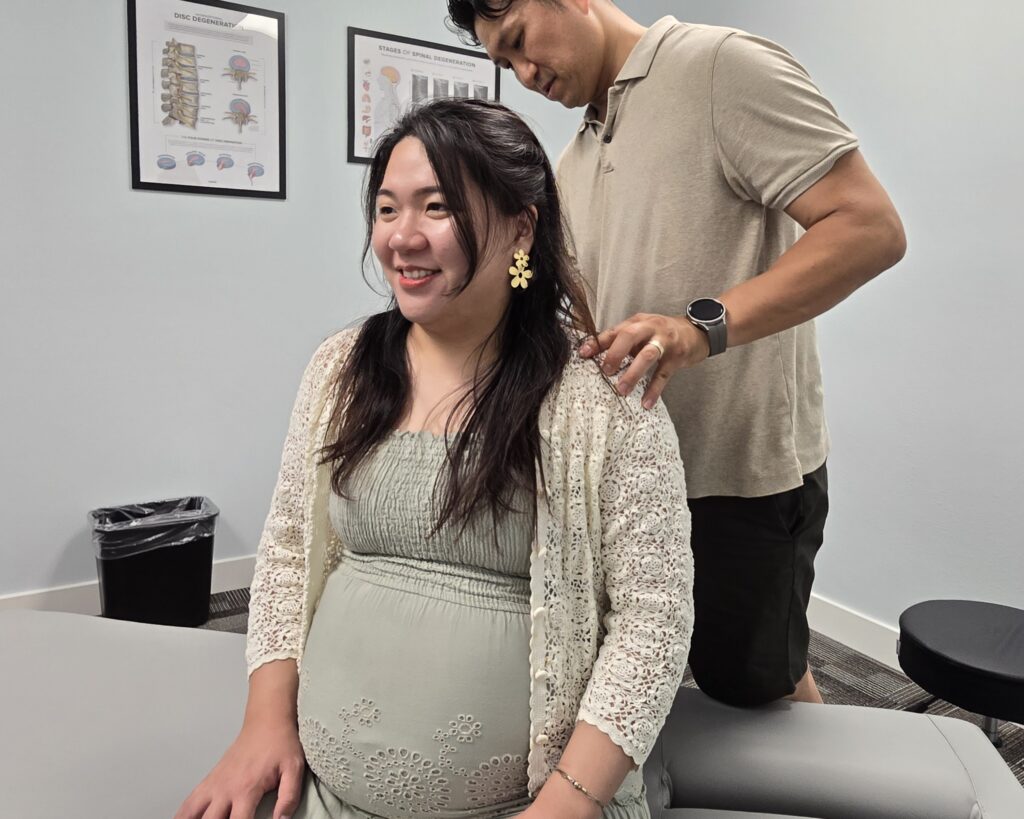

As a local chiropractor, I want to share with you that chronic pain relief goes far beyond just taking medication. It's essential to understand how physical health, emotional well-being, and lifestyle choices all work together to affect your pain levels. By exploring these connections, we can identify effective strategies tailored to your unique needs.
Chiropractic care focuses on the body's alignment and function, which can significantly impact your overall health. Integrating traditional therapies with holistic approaches can not only shift your perspective but also enhance your quality of life. What if the path to relieving your pain lies not only in the medications you take but also in how you approach your daily life and care for your body?
The mind-body connection is powerful, and I encourage you to discover how chiropractic adjustments and natural healing practices can support your journey toward pain relief. Let's work together to find the right balance that resonates with you.
Understanding Chronic Pain
Chronic pain can be a challenging experience, often persisting long after an injury or illness has healed. As a chiropractor, I want to help you understand that chronic pain isn't just a physical issue; it can also significantly affect your emotional well-being, relationships, and overall quality of life.
It's important to recognize that chronic pain is a complex condition that may last for months or even years. Unlike acute pain, which serves a temporary protective purpose, chronic pain can become a condition in itself without always having a clear cause.
In my practice, I see a variety of chronic pain types. For instance, neuropathic pain originates from nerve damage, while musculoskeletal pain comes from muscles and joints. Each of these types can manifest in different ways, such as sharp, stabbing sensations or a persistent dull ache. This variability can make diagnosing and treating chronic pain particularly challenging.
Additionally, emotional factors such as stress, anxiety, and depression can heighten your perception of pain, creating a cycle that can be difficult to break. You may notice that certain daily activities trigger your pain, leading to avoidance behaviors that can limit your life even further.
It's crucial to pay attention to these patterns because chronic pain isn't solely about the physical sensations you feel; it also involves how those sensations interact with your thoughts and emotions.
At our chiropractic clinic, we focus on natural healing methods that can help alleviate chronic pain and improve your quality of life. By addressing the root causes of your pain and considering the mind-body connection, we can work together to develop a comprehensive treatment plan tailored to your needs.
Traditional Treatment Options
As a local chiropractor, I'd like to share some traditional treatment options for managing chronic pain, particularly the benefits of chiropractic care and natural healing methods.
When it comes to alleviating discomfort, many people first think of medications. Over-the-counter pain relievers, such as ibuprofen or acetaminophen, are common choices that can help lower pain levels. For more intense pain, your doctor may prescribe stronger medications like opioids or muscle relaxants. However, it's essential to use these with caution, as they can lead to dependency if not properly managed.
One effective approach to managing chronic pain that you mightn't be familiar with is chiropractic care. As a chiropractor, I focus on the alignment of the spine and musculoskeletal system, which can significantly impact your overall well-being. Through personalized adjustments and manipulative techniques, I can help relieve pain and improve your body's function.
Many patients find that regular visits not only alleviate pain but also enhance mobility and promote healing.
Physical therapy is another valuable option that can be integrated with chiropractic care. A physical therapist can work alongside me to create a tailored program that strengthens your muscles, improves flexibility, and boosts mobility, thereby reducing pain over time.
Additionally, you might consider complementary therapies like acupuncture. This ancient practice, which has gained recognition in modern medicine, involves inserting thin needles into specific points on the body to stimulate the release of endorphins, potentially alleviating pain.
Lastly, I can't stress enough the importance of incorporating rest and relaxation techniques into your routine. Engaging in mindfulness, meditation, or gentle yoga can help manage stress levels, which often exacerbate chronic pain.
As your chiropractor, my goal is to guide you through these traditional treatment options, focusing on natural healing techniques that promote long-term relief and overall health. Together, we can work towards a pain-free life.
The Role of Nutrition
As a local chiropractor, I want to emphasize that managing pain goes beyond just treatments and therapies; nutrition is a crucial component of your overall health and can significantly influence your experience with chronic pain.
The foods you choose to eat can either worsen your pain or help ease it. By making informed dietary choices, you can support your body's natural healing processes and potentially reduce inflammation, which is often a key factor in chronic pain.
Here are some dietary elements I recommend incorporating into your meals:
- Anti-inflammatory foods: Foods rich in omega-3 fatty acids, such as salmon and walnuts, are known to help lower inflammation levels in the body.
- Fruits and vegetables: These are loaded with antioxidants that help combat oxidative stress and promote overall health. Aim for a colorful variety to ensure you're getting a wide range of nutrients.
- Hydration: Staying well-hydrated is essential. Drinking enough water aids in nutrient absorption and supports bodily functions that can influence your pain levels.
It's also important to be aware of foods that may trigger inflammation. Processed foods, high sugar intake, and trans fats can aggravate your symptoms. Keeping a food diary can be an effective way to spot patterns between your diet and your pain levels.
While nutrition alone may not cure chronic pain, it plays an integral role in a comprehensive pain management approach.
Mind-Body Connection
As a local chiropractor, I want to emphasize the profound connection between your mind and body, especially when it comes to experiencing pain.
Many people are unaware of how much our psychological state can influence our perception of pain. By understanding this connection, you can begin to explore natural techniques, such as mindfulness, that may help alleviate discomfort.
Recognizing how your thoughts and emotions interplay with your physical sensations can empower you to take charge of your chronic pain and enhance your overall well-being.
Through chiropractic care and holistic approaches, we can work together to support your healing journey.
Psychological Impact on Pain
As a local chiropractor, I want to share with you the vital connection between psychological factors and chronic pain, especially for those who may not be familiar with chiropractic care and natural healing.
You might be surprised to learn that your mental state can significantly influence how you perceive and experience pain. Conditions such as stress, anxiety, and depression can intensify discomfort, making it feel more severe or even overwhelming. By understanding this relationship, you can empower yourself to manage pain more effectively.
Here are some key psychological factors that can affect your pain experience:
- Stress Levels: When you're under high stress, your body can become more sensitive to pain, creating a cycle that's hard to break.
- Emotional State: Experiencing feelings of sadness or hopelessness can amplify your perception of pain, whereas positive emotions can help alleviate it.
- Coping Mechanisms: How you choose to handle your pain—whether through avoidance or proactive engagement—can greatly affect your overall experience.
By recognizing these psychological elements, you can take charge of your pain management strategies. Incorporating an awareness of your mental well-being into your approach can enhance your journey toward healing.
Chiropractic care, combined with an understanding of these psychological factors, can lead to a more holistic approach to managing chronic pain, ultimately improving your outcomes and overall quality of life.
Mindfulness and Pain Relief
As a local chiropractor, I often emphasize the importance of mindfulness practices in managing chronic pain, as they can significantly enhance the mind-body connection. When patients focus on the present moment, they can shift their attention away from discomfort. This shift not only helps to reduce the perception of pain but also fosters relaxation and emotional resilience.
Incorporating mindfulness techniques, such as meditation or deep breathing exercises, allows you to observe your thoughts and feelings without judgment. As you cultivate this awareness, you may find that your pain becomes less overwhelming. Instead of reacting to pain with anxiety or frustration, you can learn to acknowledge it and create a more supportive space around it.
Practicing mindfulness can help you develop a more compassionate relationship with your body. It teaches you that pain doesn't define who you are; it's simply one aspect of your experience. This understanding can empower you, giving you greater control over how you respond to pain.
I encourage you to integrate mindfulness into your daily routine, even if it's just for a few minutes each day. Over time, these small practices can build your resilience and transform your experience with chronic pain, ultimately enhancing your overall quality of life.
Alternative Therapies
As a local chiropractor, I often see patients who are struggling with chronic pain and are interested in exploring alternative therapies alongside traditional treatments. These natural healing methods can provide significant relief, reduce reliance on medications, and enhance your overall quality of life.
It's exciting to discover how these options can help you manage your pain more effectively.
Let's take a closer look at some alternative therapies that can complement chiropractic care:
- Acupuncture: This ancient technique involves the insertion of thin needles into specific points on the body. Many individuals report experiencing significant pain relief and increased energy levels after acupuncture sessions. It's a popular choice among those dealing with chronic pain, and it can work well alongside chiropractic adjustments.
- Massage Therapy: Regular massage can be incredibly beneficial for relaxing tense muscles and improving circulation. Whether you prefer deep tissue work or a gentler approach, finding a skilled massage therapist can help alleviate discomfort and promote relaxation.
Massage therapy often complements chiropractic care by enhancing muscle recovery and flexibility.
– Herbal Remedies: Incorporating natural herbs such as turmeric or ginger into your routine may provide anti-inflammatory benefits that can support your pain management efforts. However, it's crucial to consult with your healthcare provider before starting any herbal treatments to ensure they're safe and suitable for your specific needs.
While these therapies may not work for everyone, many patients find them to be a valuable part of their pain management journey.
I encourage open communication with your healthcare team about any alternative therapies you're considering. Together, we can ensure these methods align with your overall treatment plan.
Exercise and Movement
As a local chiropractor, I want to emphasize how vital regular movement is when you're managing chronic pain. Engaging in consistent, gentle exercises can greatly enhance your overall well-being.
Through my practice, I've seen firsthand the positive effects that pain-relieving exercises and stretching routines can have on patients' lives.
Incorporating these practices into your daily routine isn't just about relieving pain; it's about reclaiming your mobility and improving your quality of life.
By working together, we can develop a personalized plan that includes targeted exercises and stretches tailored to your needs.
Let's unlock the potential of natural healing and help you regain the active lifestyle you deserve.
Benefits of Regular Movement
As your local chiropractor, I want to emphasize the importance of regular movement in managing chronic pain. Not only does it promote physical health, but it also plays a crucial role in enhancing your emotional well-being. By integrating consistent activity into your daily routine, you can reap numerous benefits that significantly improve your quality of life.
- Increased flexibility: Regular movement is vital for maintaining flexibility in your joints and muscles. This can help alleviate stiffness and discomfort often associated with chronic pain.
- Enhanced mood: Engaging in physical activity stimulates the release of endorphins, your body's natural mood lifters. This can help combat the anxiety and depression that frequently accompany chronic pain conditions.
- Improved sleep quality: Consistent movement can aid in falling asleep more quickly and enjoying deeper, more restorative sleep—an essential aspect of your body's recovery process.
Moreover, by committing to regular movement, you empower yourself to take control of your pain management. As you become more active, your body gradually adapts, and many patients experience reduced pain levels over time.
I encourage you to start slowly, paying attention to your body's signals, and gradually increase your activity levels. Remember, every small step you take counts.
Embracing regular movement is a key component of a holistic approach to chiropractic care and natural healing. It can lead to a healthier, more fulfilling life, and I'm here to support you on this journey.
Let's work together to create a personalized plan that incorporates movement into your chronic pain management strategy.
Types of Pain-Relieving Exercises
As a local chiropractor, I want to share with you some effective exercises that can significantly alleviate chronic pain and enhance your overall well-being.
It's crucial to focus on low-impact activities, as these are gentler on your joints while still providing essential movement.
One fantastic option is swimming. This full-body workout is unique because it allows you to exercise without the stress of gravity. The buoyancy of water supports your body, making it an excellent choice for those dealing with pain.
Walking is another simple yet powerful exercise that can help reduce discomfort. It encourages circulation and strengthens muscles, which are vital for pain relief. I recommend starting with short distances and gradually increasing as you become more comfortable.
Strength training can also be highly beneficial. Using resistance bands or light weights can help build muscle around painful joints, providing much-needed stability and support. Aim to engage in strength training two to three times a week, focusing on major muscle groups.
Additionally, I encourage you to incorporate balance exercises into your routine. Activities like tai chi or yoga not only enhance stability but also promote relaxation, which is incredibly valuable for managing pain.
It's essential to listen to your body; if something doesn't feel right, don't hesitate to adjust your routine or consult with a healthcare professional.
Finding the right mix of these exercises can lead to significant improvements in your daily life. As your chiropractor, I'm here to help guide you on your journey to natural healing and pain relief.
Incorporating Stretching Routines
As a local chiropractor, I often see how many people underestimate the transformative power of stretching routines in managing chronic pain.
Integrating regular stretching into your daily life can significantly enhance your flexibility, diminish muscle tension, and improve your overall mobility. By committing to a few simple stretches each day, you can't only relieve discomfort but also empower yourself to take charge of your own health and well-being.
Here are some tips to help you get started:
- Start Slow: It's important to focus on gentle stretches that specifically target areas where you may experience tightness or discomfort. Always listen to your body and avoid pushing yourself too hard.
- Consistency is Key: Aim for short, daily stretching sessions instead of sporadic, longer ones. Even dedicating just five to ten minutes a day can lead to noticeable improvements.
- Combine with Breathing: Enhance your stretching routine by pairing it with deep, controlled breathing. This not only relaxes your mind and body but also maximizes the benefits of each stretch.
Incorporating stretching routines into your daily life can be a game-changer for managing chronic pain. You may find that these straightforward yet effective movements not only reduce discomfort but also elevate your overall quality of life.
Stress Management Techniques
As a local chiropractor, I want to emphasize the importance of stress management techniques in alleviating chronic pain and enhancing your overall well-being. When you're feeling stressed, your body tends to tighten up, which can contribute to increased pain. By effectively managing your stress, you can create a more conducive environment for healing and recovery.
One technique I often recommend is deep breathing. While it may seem simple, taking slow, deep breaths can activate your body's relaxation response. I suggest inhaling deeply through your nose for a count of four, holding that breath for another four, and then exhaling slowly through your mouth for a count of six. This practice can help calm your nervous system and reduce muscle tension, which is crucial for pain relief.
Mindfulness meditation is another valuable method that can benefit your health. By concentrating on the present moment without judgment, you can significantly reduce anxiety and foster a sense of peace. Even if you start with just a few minutes each day, focusing on your breath or repeating a calming mantra can help you gradually release negative thoughts and stressors.
Incorporating physical activity into your routine is also vital. Gentle exercises like yoga or even a brisk walk can greatly reduce stress levels. Exercise releases endorphins, which are natural mood boosters. I recommend aiming for at least 30 minutes of activity each day, as this can lead to improvements in both your mood and pain levels.
Lastly, never underestimate the power of social support. Engaging with friends, family, or support groups can make you feel understood and less isolated in your experience with chronic pain.
Sleep and Pain Relief
As a local chiropractor, I want to emphasize the importance of quality sleep in managing chronic pain. Your body relies on restorative sleep to heal and cope with discomfort.
If you're finding it challenging to get a good night's rest, there are effective strategies we can explore together that can significantly improve your sleep quality and, in turn, enhance your pain relief.
By understanding how sleep affects your body, we can work on holistic approaches that contribute to better sleep patterns. This not only aids in healing but also helps in reducing pain levels.
Let's discuss how chiropractic care, along with lifestyle adjustments, can lead to a more restful sleep and a more comfortable, pain-free life.
Sleep Quality Impact
As a chiropractor, I want to highlight the crucial link between sleep quality and chronic pain management. Many patients may not realize that insufficient rest can significantly increase discomfort and slow down recovery processes.
When you don't get enough restorative sleep, your body struggles to heal, leading to a heightened sensitivity to pain. You might find that after a restless night, your pain feels more intense and overwhelming the next day.
Here are some key points to help you understand how sleep influences your pain levels:
- Pain Sensitivity: When you're sleep-deprived, your body can amplify your perception of pain. This means that pain can feel much worse when you haven't had a good night's sleep compared to when you're well-rested.
- Inflammation: Lack of quality sleep can trigger inflammation in your body, which can be detrimental, especially for those experiencing chronic pain conditions. Managing inflammation is essential in the healing process.
- Mood and Motivation: Insufficient sleep can take a toll on your mood and reduce your motivation to engage in activities that are beneficial for pain management. When you feel tired, it can be challenging to stay active or follow through with your pain-relief strategies.
As we work together on your journey to better health, remember that improving your sleep quality can be a powerful tool in managing your pain naturally.
Let's discuss how adjusting your sleep habits may complement our chiropractic care for optimal results.
Strategies for Better Sleep
As a local chiropractor, I want to emphasize the importance of your sleep environment and how it can significantly impact your overall health and well-being, especially for those managing chronic pain.
To create an optimal sleep space, start by ensuring your bedroom is dark, quiet, and cool. Utilizing blackout curtains can effectively block out unwanted light, while white noise machines or earplugs can help minimize disruptive sounds that may interfere with your rest.
Investing in a comfortable mattress and pillows that suit your preferred sleeping position is crucial. This can help alleviate pressure points and reduce discomfort, making it easier for your body to recover overnight. A good night's sleep is essential for healing and for managing pain, which is where chiropractic care can play a vital role.
I also recommend establishing a consistent sleep schedule. Going to bed and waking up at the same time every day helps regulate your body's internal clock, making it easier to fall asleep and stay asleep.
Incorporating calming bedtime rituals, such as reading a book or soaking in a warm bath, can signal to your body that it's time to wind down and prepare for restorative sleep.
It's important to limit screen time before bed, as the blue light emitted by devices can disrupt your sleep quality. Instead, choose relaxing activities that don't involve screens to help transition your mind and body into a restful state.
Additionally, be mindful of your diet in the evening; avoiding heavy meals, caffeine, and alcohol close to bedtime can further enhance your sleep quality.
By implementing these strategies, you can create a restful environment that not only improves your sleep but also supports your journey toward better health and effective pain management.
The Power of Support
At our chiropractic clinic, we understand that managing chronic pain can be a daunting challenge. That's why we emphasize the importance of support systems in your healing journey. Our approach goes beyond just physical adjustments; we aim to provide you with both emotional and practical assistance as you navigate your path to wellness.
Consider the vital aspects of support we offer:
- Emotional Support: We recognize that chronic pain can be isolating. Our team is here to listen and understand your struggles. By fostering a compassionate environment, we help you feel less alone and more empowered to tackle your pain.
- Practical Assistance: In addition to chiropractic adjustments, we can provide guidance on daily activities that may be impacted by pain. Whether it's tips for managing household chores or suggestions for gentle exercises, we're here to help you conserve your energy for what truly matters in your life.
- Shared Experiences: We encourage you to connect with our community of patients who are also on their journey with chronic pain. Sharing experiences and coping strategies can be incredibly validating. You'll find that you're not alone in this fight, and together, we can explore effective treatments and lifestyle changes.
Building a strong support system is crucial to your healing process. It's not just about physical care; it's about creating meaningful connections that promote hope and resilience.
Don't hesitate to reach out to us and express your needs—our team is here to support you. Remember, you don't have to face chronic pain alone. Embrace the power of support within our chiropractic community and let's guide you toward a more manageable, pain-free life.
Future Trends in Pain Management
As a local chiropractor, I want to share some of the exciting advancements in pain management that can significantly enhance your healing journey. One of the most promising trends is the integration of technology into our pain relief strategies. For instance, wearable devices are now available that can monitor your body's responses and provide real-time feedback. Imagine having a device that alerts you when your pain levels increase, enabling you to take proactive measures before your discomfort escalates.
Telehealth is another transformative tool in our practice. With virtual consultations, you can access my expertise right from the comfort of your home. This convenience allows for personalized treatment plans and more frequent check-ins, ensuring that your pain management strategy is continuously refined to meet your needs.
We're also witnessing incredible advancements in pharmacogenomics—the study of how your genetics affect your response to medications. This research is paving the way for more tailored treatment options, and while I focus on natural healing, it's worth noting that understanding your genetic makeup can lead to more effective and personalized care.
In addition, I encourage you to explore mindfulness and biofeedback techniques. These empowering methods teach you to control your pain through mental strategies, which can be particularly beneficial for managing chronic pain without relying solely on medications.
Lastly, I believe in a holistic approach that combines chiropractic care, physical therapy, counseling, and lifestyle changes. By treating the whole person rather than just the symptoms, we can work together to find more sustainable relief.
My goal is to educate you about these natural healing methods and help you regain control over your pain management journey.
Conclusion
As your local chiropractor, I want to share some insights on how you can effectively manage chronic pain. Embracing a holistic approach can truly transform your journey toward relief. By integrating chiropractic care with lifestyle changes such as nutrition, mindfulness techniques, and establishing a robust support network, you can significantly enhance your overall well-being.
Don't underestimate the importance of community and the role of technology in your pain management journey. As you explore these avenues, I encourage you to remain open to new strategies and techniques that we can implement together to improve your quality of life. Remember, you are not alone in this process, and there is hope for a brighter, pain-free future through natural healing methods.