
When it comes to managing chronic pain, I want to emphasize how a holistic approach can truly transform your experience. As a chiropractor, I believe that integrating chiropractic care with physical therapy, mindfulness practices, and healthy lifestyle changes can create a comprehensive strategy for relief. Each of these elements serves a unique purpose, but it's the combination that often leads to significant improvement in your overall well-being.
Consider how your daily habits, such as posture and movement, along with a supportive environment, can greatly impact your pain levels. Chiropractic care focuses on aligning your spine and improving your body's function, which can alleviate pain and enhance your quality of life. There's so much to discover about how these strategies can be personalized to fit your individual needs. What if the next step in your journey could be the breakthrough you've been searching for? Let's explore the possibilities together!
Understanding Chronic Pain
As a local chiropractor, I often encounter patients who are struggling with chronic pain, a condition that impacts millions of individuals globally and can linger for months or even years. Many people view pain as a straightforward reaction to an injury, but chronic pain is much more intricate. It can stem from various sources, including past injuries, underlying medical conditions, or even psychological factors. Gaining a deeper understanding of chronic pain is key to better managing it.
When dealing with chronic pain, it's important to recognize that your body's pain signaling system may become overactive. This means that your brain continues to process pain signals even after the original injury has healed. This can create a persistent cycle of pain that feels challenging to escape. Chronic pain often affects not just your physical health but can also take a toll on your emotional and mental well-being.
It's crucial to differentiate between acute and chronic pain. Acute pain typically has a specific cause, like a sprained ankle, and tends to diminish once the injury heals. On the other hand, chronic pain may not have a clear origin and can linger long after the initial injury. This unpredictability can be incredibly frustrating and isolating for many.
Furthermore, chronic pain isn't solely a physical experience. Emotional states such as anxiety and depression can intensify your pain, creating a detrimental cycle. Understanding this connection allows us to adopt a holistic approach to pain management.
As your chiropractor, I'm here to guide you through natural healing methods that address both the physical and emotional aspects of your pain. By understanding chronic pain, you can empower yourself to seek the right treatments and support, ultimately helping you regain control over your life and well-being.
Physical Therapy Techniques
As a local chiropractor, I want to emphasize the importance of physical therapy techniques in managing chronic pain and enhancing your overall well-being.
Through our holistic approach, we utilize manual therapy techniques that focus on realigning your spine and improving joint function. By following tailored exercise prescription guidelines, we can help you strengthen your body and support your recovery process.
Additionally, we incorporate pain education strategies to empower you with knowledge about your condition and healing journey. By understanding the root causes of your pain, you can make informed decisions about your health.
Together, these elements work to help you regain mobility, reduce discomfort, and ultimately improve your quality of life through natural healing methods. Your journey to better health starts here, and we're here to support you every step of the way.
Manual Therapy Approaches
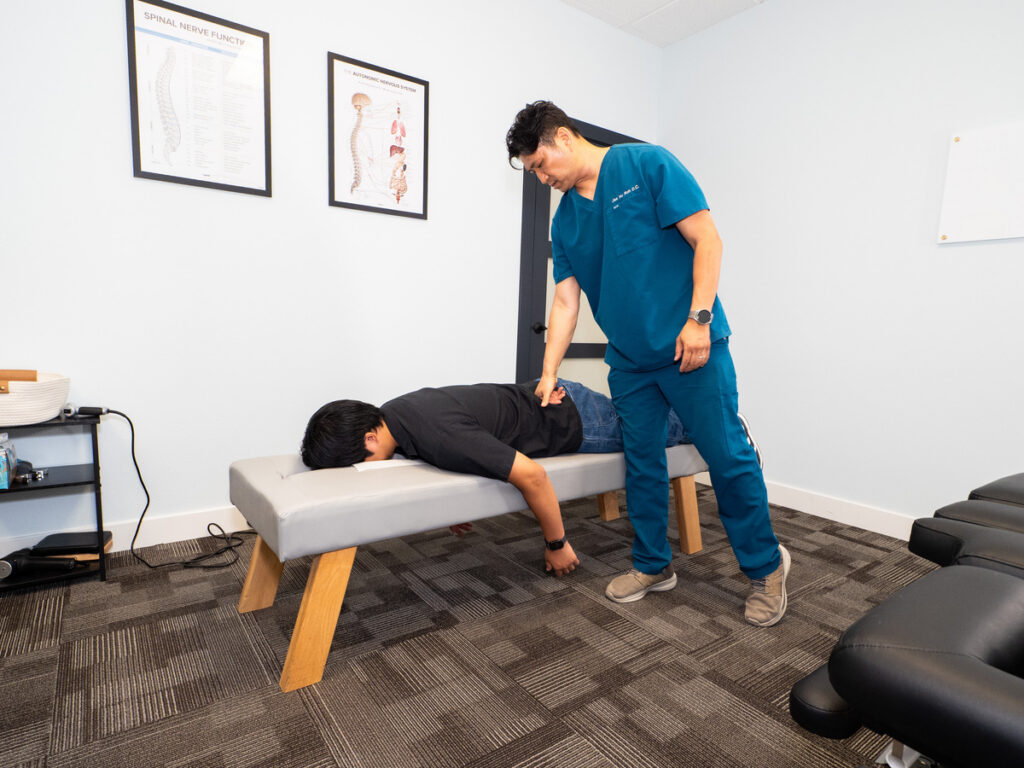
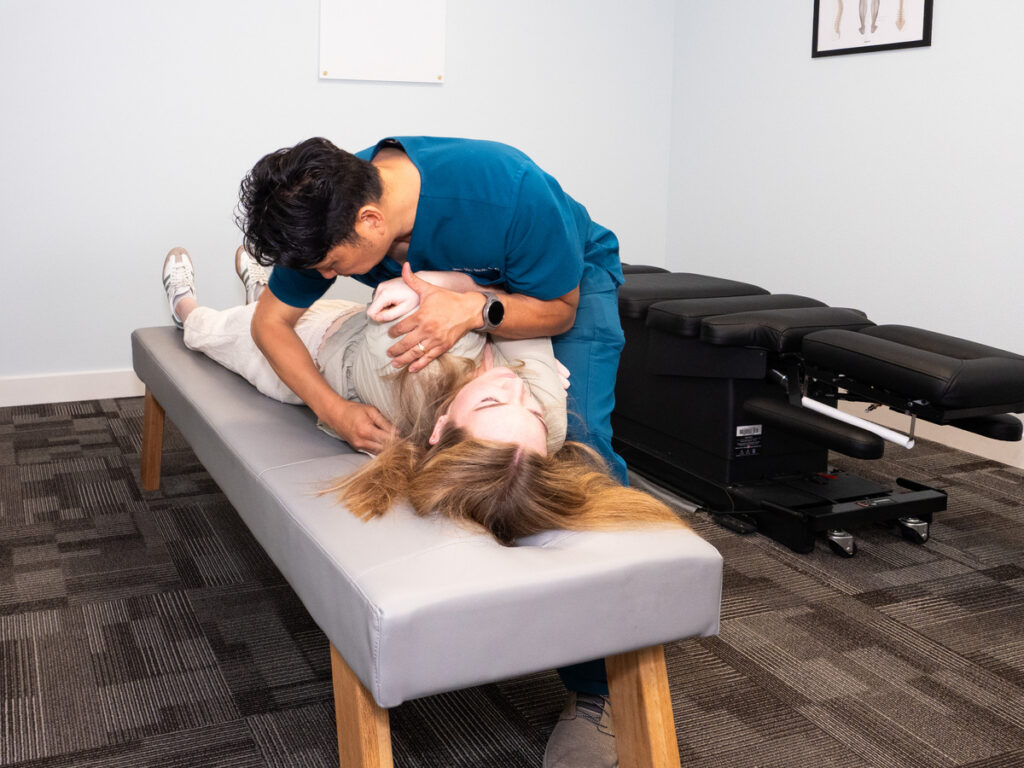
As a local chiropractor, I want to share how manual therapy techniques can significantly improve your experience with chronic pain management. These hands-on approaches, which I and other skilled practitioners use, focus on adjusting and manipulating your body's soft tissues and joints. Techniques such as spinal adjustments, soft tissue mobilization, and myofascial release are designed to alleviate pain, enhance mobility, and promote relaxation.
When you come in for chiropractic care, you're not just passively receiving treatment; you're actively involved in your healing journey. I tailor my approach to meet your unique needs, focusing on areas of tension or discomfort that you may be experiencing. This personalized care can make a remarkable difference in how you perceive and handle your pain.
It's essential to have open communication with me about what you're feeling during our sessions. Your feedback allows me to modify my techniques to ensure you receive the most effective treatment possible.
Many of my patients find that combining chiropractic adjustments with other therapies—such as lifestyle changes or nutrition—provides comprehensive relief.
Incorporating chiropractic care into your pain management strategy can empower you as you work towards reclaiming control over your body and well-being.
Exercise Prescription Guidelines
As a local chiropractor, I want to emphasize the crucial role that exercise plays in managing chronic pain and enhancing your overall physical function. If you're new to chiropractic care and natural healing, it's essential to understand how we can work together to create a personalized exercise prescription that suits your unique pain levels, physical limitations, and personal goals.
First, we'll start by evaluating your current fitness level and identifying any specific movements that may aggravate your pain. This step is vital in ensuring that you embark on a safe and effective exercise journey.
I recommend beginning with low-impact activities such as walking, swimming, or cycling. These activities are gentle on your joints and muscles, making them ideal for easing into a routine. Aim for at least 150 minutes of moderate-intensity exercise each week, which can be broken down into shorter, manageable sessions.
As you progress, we'll gradually increase the duration and intensity of your workouts. However, it's important to listen to your body—if you experience increased pain, we'll adjust the plan accordingly.
Incorporating strength training into your routine is also key. I suggest focusing on major muscle groups at least twice a week to build resilience and improve your functional capacity. Additionally, we can include flexibility and balance exercises that will enhance your range of motion and reduce the risk of injury.
Don't hesitate to consult with me or another healthcare provider as you tailor your exercise plan to your specific needs. With consistent effort, and the right adjustments, you'll discover that exercise can significantly alleviate your chronic pain and elevate your quality of life.
Together, we can harness the power of natural healing through movement and wellness.
Pain Education Strategies
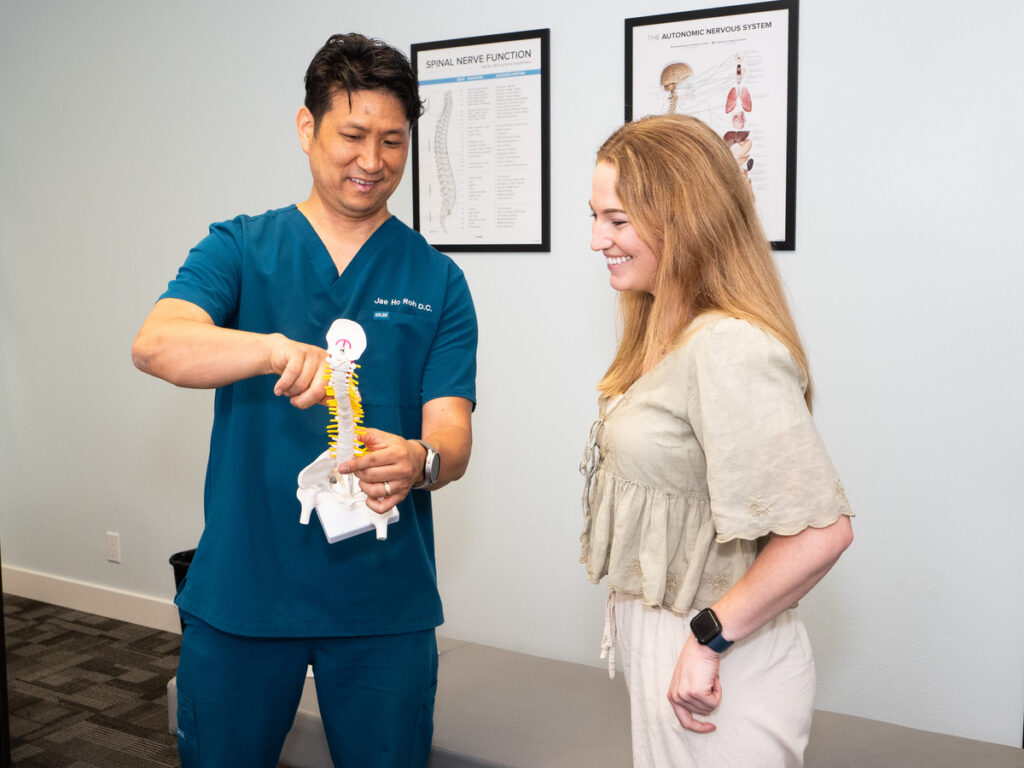
Understanding chronic pain is crucial for effective management and recovery, especially from a chiropractic perspective. As a chiropractor, I believe that pain education strategies can empower you with the knowledge necessary to comprehend the nature of your pain and how it affects your daily life.
By exploring the underlying mechanisms of pain, you can start to view it as a process rather than merely a symptom, which can significantly reduce fear and anxiety surrounding your condition.
Incorporating chiropractic techniques into your pain education can be incredibly beneficial. For example, I can guide you on proper posture, body mechanics, and movement patterns that help minimize pain triggers.
Additionally, I may introduce you to natural healing methods such as spinal adjustments or soft tissue therapies that can provide immediate relief and promote overall wellness.
Engaging in open discussions about your pain experience is another vital aspect of your healing journey. This dialogue allows you to express your symptoms and emotions, fostering a deeper understanding of how your pain influences your life.
Furthermore, I'll teach you about pacing your activities and gradually increasing movement, which can prevent flare-ups and encourage a more sustainable approach to your daily routines.
Through these strategies, we can work together to not only manage your pain but also empower you to take an active role in your healing process.
Medication Options
When it comes to managing chronic pain, understanding your options is crucial, especially if you're considering chiropractic care and natural healing methods. While medications can play a role in pain management, many patients find relief through holistic approaches that focus on treating the root cause of their discomfort.
As a chiropractor, I want to educate you on natural alternatives that may help alleviate your pain and enhance your quality of life. Here are some options to consider:
- Chiropractic Adjustments: These hands-on techniques aim to realign the spine and improve joint function, which can help reduce pain and inflammation without the need for medication.
- Physical Therapy: Combining chiropractic care with physical therapy can strengthen muscles, improve flexibility, and promote healing, allowing your body to manage pain more effectively on its own.
- Lifestyle Modifications: Simple changes in your daily routine, such as incorporating regular exercise, maintaining a healthy diet, and managing stress, can have a significant impact on your overall well-being and pain levels.
- Natural Supplements: Some patients find relief with natural supplements like turmeric or omega-3 fatty acids, which may help reduce inflammation and support joint health.
It's important to work closely with a healthcare provider who understands your specific situation. Open communication is key, and I encourage you to share your experiences and concerns.
While finding the right approach may take some time, the goal is to manage your pain effectively while promoting overall health and wellness. With chiropractic care and a commitment to natural healing, you can take meaningful steps toward reclaiming control over your life and daily activities.
Mindfulness and Relaxation
As your local chiropractor, I want to emphasize the importance of mindfulness and relaxation techniques in managing chronic pain. Many patients may not realize that by practicing mindfulness, you can enhance your awareness of your pain and even reduce its intensity. This mental shift can be a powerful complement to the physical adjustments we perform in our office.
In addition, incorporating deep breathing exercises into your daily routine can help you relax and alleviate some of the discomfort you may be experiencing.
These simple yet effective techniques can provide significant relief and improve your overall well-being. Together with chiropractic care, mindfulness and relaxation can be essential tools in your journey towards natural healing and pain management.
Benefits of Mindfulness Practice
As your local chiropractor, I want to share how incorporating mindfulness practice into your daily routine can significantly enhance your ability to manage chronic pain.
By focusing on the present moment, you can develop a deeper awareness of your body and its sensations, which is crucial for understanding and coping with pain. Mindfulness allows you to respond to pain with reduced fear and anxiety, ultimately contributing to your overall well-being.
Here are some key benefits of mindfulness practice for managing chronic pain, especially in conjunction with chiropractic care:
- Reduced Stress: Mindfulness helps lower stress levels, which can play a significant role in alleviating pain.
- Enhanced Emotional Regulation: By practicing mindfulness, you'll learn to manage your emotions more effectively, preventing pain from becoming overwhelming and enabling you to approach your healing journey with a positive mindset.
- Increased Resilience: Regular mindfulness practice fosters a mindset that empowers you to recover from painful episodes more easily, complementing the adjustments and therapies you receive in our clinic.
- Improved Focus: Mindfulness sharpens your attention, allowing you to redirect your thoughts away from pain, which can enhance the effectiveness of your chiropractic treatments.
Incorporating mindfulness into your routine, along with chiropractic care, can lead to a more holistic approach to managing your pain and improving your quality of life.
Techniques for Relaxation
As a local chiropractor, I want to share with you some valuable techniques that can help you achieve relaxation and improve your overall well-being, particularly if you're dealing with chronic pain.
One highly effective method is progressive muscle relaxation. This involves tensing and then relaxing various muscle groups throughout your body. By starting from your toes and working your way up to your head, you can release physical tension and become more aware of your body's sensations.
Another powerful approach is visualization. Imagine a calm and peaceful landscape or a space where you feel completely safe. Engaging all your senses to create vivid imagery can significantly reduce stress and foster a sense of tranquility.
You may also find guided imagery or meditation beneficial. Listening to recordings that take you through soothing scenarios can help quiet your mind and alleviate anxiety, which is often connected to physical discomfort.
Incorporating gentle yoga or stretching routines into your daily life can further enhance relaxation. These practices not only help to relieve physical tension but also deepen your connection with your body, promoting better alignment and overall health.
Incorporating Deep Breathing
As a chiropractor dedicated to your overall wellness, I want to share with you the powerful benefits of deep breathing. Integrating this practice into your daily routine can significantly enhance your relaxation and mindfulness, which is essential for managing not only stress but also chronic pain.
Here are some strategies to incorporate deep breathing effectively:
- Find a quiet space: Look for a comfortable spot where you can sit or lie down without distractions. This will help create an environment conducive to relaxation.
- Focus on your breath: Close your eyes and take a moment to concentrate on your breathing. Inhale deeply through your nose, allowing your abdomen to expand fully. This deep breathing technique encourages better oxygen flow and can help alleviate tension.
- Exhale slowly: As you breathe out through your mouth, visualize any tension or discomfort leaving your body. With each exhale, allow yourself to release stress and embrace a state of calm.
- Repeat regularly: I recommend practicing deep breathing for a few minutes several times a day, particularly during episodes of discomfort or stress. This simple yet effective tool can complement your chiropractic care and improve your overall well-being.
By incorporating deep breathing into your life, you'll find it easier to manage pain and promote a sense of tranquility.
As your chiropractor, I'm here to support you on your journey to natural healing and enhanced health.
Lifestyle Modifications
As a local chiropractor, I want to share with you how making simple lifestyle modifications can significantly improve your management of chronic pain. One of the key aspects of this journey is incorporating movement into your daily routine. Engaging in regular, gentle exercises—such as walking, swimming, or yoga—can not only help you maintain flexibility and strength but also reduce discomfort associated with pain.
It's important to set realistic goals to keep yourself motivated while ensuring you don't overexert yourself.
Another crucial modification is prioritizing quality sleep. Insufficient sleep can amplify your pain sensations, so I recommend establishing a calming bedtime routine. Aim for consistent sleep and wake times, and create a comfortable sleeping environment to enhance your rest.
Managing stress is also vital in controlling your pain levels. Techniques like mindfulness meditation, deep breathing, or journaling can help alleviate stress, which may be contributing to your discomfort.
Make it a point to engage in activities you enjoy—whether it's reading, gardening, or spending time with loved ones—as these can elevate your mood and serve as a distraction from pain.
Additionally, I encourage you to evaluate your daily habits. Smoking can exacerbate pain and hinder recovery, so if you smoke, seeking support to quit is essential. Limiting alcohol intake is also wise, as it can disrupt sleep patterns and interact negatively with pain medications.
Staying hydrated is another important aspect of managing pain. Drinking adequate water can ward off dehydration, which might worsen your pain.
Furthermore, paying attention to your posture is critical. Making ergonomic adjustments to your workspace can alleviate strain on your body, leading to reduced pain throughout your day.
Nutritional Approaches
As a local chiropractor dedicated to promoting natural healing and wellness, I want to share how a balanced diet can significantly aid in managing chronic pain. The foods you choose can play a crucial role in reducing inflammation, enhancing your immune system, and improving your overall health. This holistic approach not only addresses pain but also elevates your quality of life.
Here are some nutritional strategies you can easily incorporate into your daily routine:
- Emphasize anti-inflammatory foods: Include a variety of fruits and vegetables in your diet, such as berries, leafy greens, and fatty fish rich in omega-3 fatty acids. These foods can help lower inflammation and alleviate pain levels, aligning perfectly with our chiropractic philosophy of supporting the body's natural healing processes.
- Prioritize hydration: Staying well-hydrated is essential for overall wellness. Dehydration can intensify pain, so I recommend aiming for at least eight glasses of water each day. Proper hydration supports your body's functions and can help with pain management.
- Minimize processed foods: It's important to limit your consumption of sugars, refined carbohydrates, and unhealthy fats. These types of foods can lead to increased inflammation and exacerbate pain, making it harder for your body to heal.
- Explore supplements: Consider discussing with your healthcare provider the potential benefits of supplements such as vitamin D, turmeric, or magnesium. These can provide additional support in alleviating pain and promoting overall health.
Listening to your body is key when it comes to dietary choices. Pay attention to how different foods impact your pain levels and overall well-being. You might discover surprising insights about what works best for you.
Alternative Therapies
As a local chiropractor, I want to share with you how a balanced diet can be an essential part of managing chronic pain, but it's also important to explore alternative therapies that can further support your healing journey.
These therapies often take a holistic approach, addressing both your body and mind, which can be crucial for effective pain relief.
One alternative therapy I often recommend is acupuncture. This technique involves inserting fine needles into specific points on your body to stimulate your nervous system and promote the release of endorphins, which can help alleviate pain. Many of my patients find acupuncture surprisingly effective, and it can complement your chiropractic care.
Mindfulness meditation is another valuable practice. It teaches you to focus on the present moment, allowing you to develop greater awareness of your body and any pain you may be experiencing. By incorporating mindfulness into your routine, you may find it easier to manage pain and reduce the anxiety that often accompanies chronic conditions.
Yoga is also an excellent option to consider. This practice combines physical movement, breathing exercises, and meditation. It can enhance your flexibility, strength, and relaxation. Many individuals I work with report reduced pain levels and improved quality of life after integrating yoga into their daily routines, alongside their chiropractic adjustments.
Herbal remedies, like turmeric and ginger, can also be beneficial due to their anti-inflammatory properties. However, it's always best to consult with a healthcare provider before starting any new supplements to ensure they align with your overall health plan.
Lastly, I encourage you to consider massage therapy. It can help promote relaxation, improve circulation, and reduce muscle tension—factors that can significantly aid in managing pain.
By exploring these alternative therapies alongside chiropractic care, you can find effective strategies that fit your lifestyle and enhance your overall well-being.
Support Systems
As a local chiropractor, I want to highlight the importance of strong support systems in effectively managing chronic pain. Having a network of understanding friends, family, and support groups can significantly influence how you cope with pain. These connections offer emotional, practical, and sometimes even financial support, making your journey feel less isolating.
Here are a few ways to enhance your support system as you explore chiropractic care and natural healing:
- Engage with Family and Friends: Open up about your experiences with those close to you. Their encouragement can provide a sense of understanding and solidarity as you navigate your path to wellness.
- Join Support Groups: Connecting with others who face similar challenges can be incredibly comforting. These groups often provide valuable insights and practical advice, which can complement the benefits you receive from chiropractic treatments.
- Seek Professional Help: In addition to chiropractic care, consider working with therapists, counselors, or pain management specialists. These professionals can offer coping strategies and emotional support tailored specifically to your needs.
- Educate Your Support Network: Help your loved ones understand your condition and the role that chiropractic care plays in your healing process. The more they know, the better equipped they'll be to support you effectively.
Building a solid support network not only aids in managing chronic pain but also fosters a positive mindset. Surrounding yourself with caring individuals can motivate you to engage in uplifting activities that enhance your overall well-being.
Tracking Pain Progress
Understanding your pain progress is a vital part of how we, as chiropractors, can help you achieve better health through natural healing. Tracking your pain levels isn't just about noting symptoms; it's about discovering how your body responds to various treatments, including chiropractic care.
By keeping a detailed record, you can uncover patterns, triggers, and the effectiveness of different interventions. This information becomes incredibly useful when you discuss your journey with us.
I recommend starting a daily pain journal. In this journal, you can record the intensity of your pain on a scale from 1 to 10. Additionally, note any activities you were engaged in, medications you took, and factors like stress levels or sleep quality.
This practice can reveal connections between your daily habits and your pain, empowering you to make informed decisions about your treatment.
You may also find it beneficial to use a pain tracking app. Many of these apps allow you to log your symptoms easily, set medication reminders, and generate visual reports of your pain trends over time.
This information can be invaluable during your appointments, as it helps us understand your progress more clearly.
It's also important to consider the emotional aspects of your experience. Chronic pain can profoundly impact your mental health, so tracking your mood alongside your physical symptoms can provide us with a more comprehensive view of your overall well-being.
Regularly reviewing your pain logs is crucial. This ongoing assessment allows us to see what's working and what might need adjustment.
Whether it involves changing the frequency of your chiropractic sessions, introducing new exercises, or implementing stress management techniques, we can tailor your treatment plan to suit your needs better.
Conclusion
As a local chiropractor, I want to share with you some effective strategies for managing chronic pain that can significantly enhance your quality of life. It's crucial to adopt a holistic approach that combines various methods. For instance, chiropractic care can help realign the spine and improve overall mobility, while physical therapy can strengthen muscles and enhance flexibility.
Incorporating mindfulness practices, such as meditation or deep breathing exercises, can also aid in managing pain and reducing stress. Additionally, making healthy lifestyle changes—like regular exercise and maintaining a balanced diet—can support your body's healing processes. Don't underestimate the importance of nutrition; it plays a vital role in your overall health and can influence how you experience pain.
Having a strong support system is equally important. Surrounding yourself with understanding friends and family can make a significant difference in your journey to relief. I encourage you to track your pain levels and emotional states, as this will allow us to tailor your chiropractic treatments to better meet your needs.
With persistence and the right tools at your disposal, including chiropractic care, you can take control of your pain and improve your well-being. Remember, healing is a journey, and I'm here to support you every step of the way.