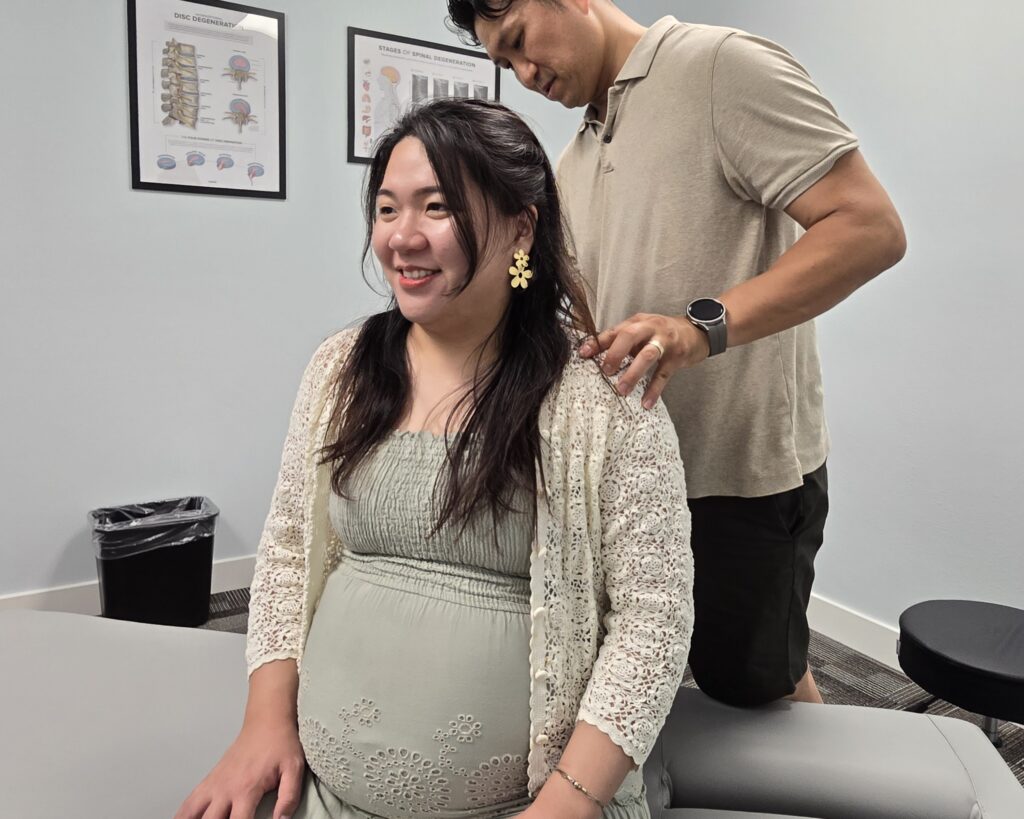

As a local chiropractor, I want to emphasize how crucial it is to understand effective recovery techniques when dealing with a sports injury. Recovery isn't just about taking time off; it involves a holistic approach that includes immediate first aid, focused rehabilitation exercises, and the right nutritional support to aid your body's healing process. Many people think recovery is straightforward, but the intricacies of each method can significantly influence your healing timeline and overall health.
There's so much more to recovery than what you might initially perceive. Chiropractic care plays an essential role in this journey, helping to realign the body and enhance its natural healing capabilities. By addressing the root causes of your injury, we can work together to create a tailored recovery plan that promotes not just healing, but long-term wellness. Remember, understanding and utilizing these techniques can pave the way for a full recovery and a return to the activities you love.
Understanding Sports Injuries
As a local chiropractor, I want to help you understand sports injuries and how natural healing can play a role in your recovery and prevention. Sports injuries can affect anyone, whether you're a seasoned athlete or just enjoy recreational activities. You may find yourself dealing with common issues like sprains, strains, or more serious injuries such as fractures or concussions. It's crucial to comprehend the different types of injuries and their underlying causes for effective healing.
Sports injuries generally fall into two main categories: acute and chronic. Acute injuries happen suddenly during activity, often resulting from a specific incident, such as twisting an ankle while running. Chronic injuries, on the other hand, develop gradually over time, typically due to repetitive motions or overuse, such as tendinitis from throwing a ball too often. Recognizing the difference between these injury types can significantly enhance your recovery process.
Additionally, consider the specific body part that's affected. Common injuries include ankle sprains, knee injuries, and shoulder dislocations, each presenting unique symptoms and requiring tailored recovery methods. For instance, a sprain may result in swelling and discomfort, while a fracture can lead to significant immobility.
Understanding the mechanisms behind these injuries is vital for both prevention and rehabilitation. Factors such as improper technique, insufficient warm-up, or even muscle weakness can contribute to injuries. As your chiropractor, I can help you identify these risks and make necessary adjustments to your training routine, allowing you to minimize the chances of injury.
By taking the time to educate yourself about sports injuries, you not only enhance your ability to manage them effectively but also empower yourself to prevent future occurrences. With the right knowledge and support, you'll be better equipped to stay active and enjoy the sports you love.
Immediate First Aid Techniques
As a local chiropractor, I want to emphasize the importance of immediate first aid techniques when an injury occurs, as they can greatly influence your recovery process.
First and foremost, it's essential to assess the situation to ensure that it's safe for you to approach the injured area or care for yourself.
If you're dealing with common injuries like a sprain, strain, or bruise, I recommend following the RICE method: Rest, Ice, Compression, and Elevation.
- Rest: Allow the injured area to rest to prevent any further damage. If the injury is in a limb, avoid putting weight on it. This will help your body begin the healing process without additional strain.
- Ice: Apply ice wrapped in a cloth to the injured area for about 15-20 minutes every hour. This step is crucial as it helps reduce swelling and numbs pain. Remember, never apply ice directly to the skin to prevent frostbite.
- Compression: After icing, use an elastic bandage for compression. Wrap it snugly around the injury, ensuring it's not too tight to restrict circulation. Be vigilant; if you notice numbness or a blue tint in the area, loosen the bandage immediately.
- Elevation: Elevating the injured area above heart level, if possible, can significantly reduce swelling and promote better blood flow away from the injury.
Keep in mind, if you observe severe swelling, bruising, or an inability to move the injured area, it's wise to seek medical assistance promptly.
As a chiropractor, I also encourage you to consider natural healing practices and follow-up care to support your recovery journey. Understanding these immediate first aid techniques can empower you to respond effectively and enhance your healing experience.
Importance of Rest and Recovery
As a local chiropractor, I want to emphasize the critical role that rest and recovery play in your healing process after a sports injury.
Many people may not realize that getting adequate sleep is vital for your body's ability to repair itself.
Additionally, incorporating active recovery techniques can help keep your muscles engaged while avoiding overexertion, fostering a more holistic healing environment.
By prioritizing rest and recovery, you not only enhance your body's natural healing capabilities but also set yourself up for a quicker and more effective recovery.
Embracing these practices is a key part of the chiropractic approach to natural healing, and I encourage you to consider them as part of your recovery journey.
Role of Sleep
As a chiropractor dedicated to your overall health and well-being, I want to emphasize the importance of sleep in your recovery process. Sleep isn't just a period of rest; it serves as a natural healer for your body. During sleep, your body engages in vital repair processes such as muscle regeneration and tissue healing, which are particularly important after an injury. Getting enough quality sleep can significantly speed up your recovery time.
When you enter deep sleep, your body increases the production of growth hormones, which play a crucial role in repairing damaged tissues and muscles. If you're not getting sufficient rest, you may inadvertently hinder your body's ability to heal and recover effectively. I recommend aiming for 7-9 hours of quality sleep each night to support your healing journey and optimize your recovery.
Furthermore, sleep is essential for regulating hormones that manage stress levels. High stress can lead to increased cortisol production, which can impede your healing process. By prioritizing sleep, you can lower your stress levels, allowing your body to focus on recovering.
To improve your sleep quality, consider establishing a calming bedtime routine. This might include limiting screen time before bed, creating a dark and cool sleep environment, and incorporating relaxation techniques like meditation or deep breathing.
Active Recovery Methods
As a local chiropractor, I want to emphasize the importance of active recovery methods in your healing journey after a sports injury. Rather than opting for complete rest, which can lead to stiffness and slower recovery, engaging in low-intensity activities can significantly aid your healing process. Activities such as walking, swimming, or gentle cycling keep your body moving while minimizing strain on the injured area, promoting better blood flow and ultimately enhancing recovery.
Incorporating active recovery not only facilitates physical healing but also has a positive impact on your mental health. Light exercise releases endorphins, which can help alleviate pain and reduce anxiety during your recovery. I recommend aiming for about 20 to 30 minutes of these activities, focusing on gentle movement instead of high exertion.
Moreover, active recovery is crucial for maintaining your fitness levels. By staying active, you can prevent significant losses in strength and endurance, making it easier to transition back to your regular activities once you're healed.
However, it's essential to listen to your body during this process. If something feels off, don't hesitate to adjust your routine; your well-being is the priority.
Rehabilitation Exercises
As a local chiropractor, I want to emphasize the importance of rehabilitation exercises in your recovery process from sports injuries. These exercises are vital in helping you regain strength, flexibility, and functionality. By incorporating targeted movements into your routine, you can't only facilitate healing but also significantly reduce the chances of future injuries.
Initially, it's crucial to start with low-impact movements that are gentle on your injured area. This approach maintains mobility while minimizing the risk of re-injury. As you begin to feel stronger, we can gradually increase the intensity and complexity of your exercises. It's important to focus on both strength training and flexibility.
For example, if you're healing from a knee injury, exercises like straight leg raises, wall sits, and gentle stretching can effectively rebuild the muscles around your knee, enhancing support and stability.
In addition, balance exercises play a significant role in your rehabilitation. Activities such as single-leg stands or using a balance board can improve your proprioception and coordination, which are essential for optimal athletic performance. Always pay attention to your body; if you experience any pain during an exercise, it's best to stop immediately and consult with me.
Consistency is key in your recovery journey. I recommend performing your rehabilitation exercises several times a week, gradually increasing the load as your strength improves. Keeping a journal to track your progress can help maintain motivation and accountability.
Lastly, remember to include rest days in your routine to allow your body ample time to recover. By prioritizing rehabilitation exercises, you're setting yourself up for a successful return to your sport, fully equipped with the strength and resilience to perform at your best.
As your chiropractor, I'm here to guide you through this journey to ensure a safe and effective recovery.
Physical Therapy Options
When it comes to recovering from sports injuries, exploring chiropractic care and natural healing options can be a transformative experience. These therapies are designed to help you regain strength, flexibility, and mobility, ensuring you return to your sport as efficiently and safely as possible.
First, let's talk about chiropractic adjustments. This hands-on approach focuses on aligning the spine and joints to alleviate pain and improve your overall range of motion. Many patients report immediate relief as I work to reduce tension and promote healing in the body.
Next, you may want to consider therapeutic exercises tailored to your specific needs. I'll design a customized program that targets muscle groups requiring strengthening or stretching. This personalized approach not only accelerates recovery but also helps prevent future injuries by addressing any underlying weaknesses.
Another excellent option is active release techniques, which involve specific movements to release tension in muscles and fascia. This method is particularly effective for athletes recovering from acute injuries or chronic pain.
Additionally, modalities such as ultrasound and electrical stimulation can be incorporated into your treatment plan. These therapies assist in reducing inflammation and promoting cellular healing, further supporting your recovery.
Lastly, maintaining open communication with me during your treatment is crucial. I'll continuously adjust your care plan based on your progress and feedback, ensuring you receive the best possible support on your path to recovery.
Innovative Recovery Technologies
As a local chiropractor, I want to share how innovative recovery technologies are reshaping the way we approach injury rehabilitation. These advancements provide natural pathways to regain strength and mobility, making your recovery faster and more effective, without relying solely on medications.
One remarkable method is cryotherapy, which involves exposing your body to extreme cold to alleviate inflammation and pain. Just a few minutes in subzero temperatures can significantly speed up your recovery and lessen muscle soreness after a strenuous workout. It's a great tool to incorporate into your healing journey.
Another valuable technique is electrical stimulation therapy. This method uses electrical impulses to stimulate your muscles, promoting blood flow and accelerating the healing process. It can be especially beneficial when combined with chiropractic adjustments or physical therapy, enhancing muscle activation and improving your overall recovery.
Hyperbaric oxygen therapy (HBOT) is also gaining popularity in the sports and wellness community. By breathing pure oxygen in a pressurized chamber, you enhance oxygen delivery to your injured tissues, which can promote healing at a cellular level. This is particularly helpful for chronic injuries or wounds that seem to linger.
Wearable technology, like recovery monitors, can also play a role in your healing. These devices track important metrics such as heart rate variability, sleep quality, and muscle recovery. By providing real-time insights, they assist you in fine-tuning your training and recovery strategies.
Lastly, regenerative medicine techniques, such as platelet-rich plasma (PRP) therapy, utilize your own body's healing capabilities. By injecting concentrated platelets into the injured area, we can stimulate tissue repair and shorten recovery time.
With these innovative technologies and natural healing methods available, you're empowered to take control of your injury recovery. Together, we can work towards getting you back to your best self, using safe and effective practices.
Nutrition for Healing
As a local chiropractor, I want to emphasize the significance of proper nutrition during your recovery from a sports injury. The right nutrients are crucial in facilitating tissue repair and minimizing inflammation, which can greatly enhance your healing journey.
Staying adequately hydrated is equally important, as it supports your overall recovery process.
Let's delve into the types of foods and fluids that can help you heal more effectively. Incorporating a balanced diet rich in essential vitamins and minerals will provide your body with the tools it needs to recover. Foods high in omega-3 fatty acids, such as salmon and walnuts, can help reduce inflammation.
Additionally, colorful fruits and vegetables are packed with antioxidants that aid in tissue repair.
Don't forget about hydration! Drinking plenty of water and including electrolyte-rich fluids can keep your body functioning optimally.
Essential Nutrients for Recovery
As a local chiropractor, I want to emphasize the vital role that proper nutrition plays in your recovery from sports injuries. It's not just about adjustments and therapies; what you fuel your body with can significantly influence how quickly and effectively you heal.
First, let's talk about protein. This nutrient is crucial because it provides the building blocks that your body needs to repair damaged muscles and tissues. I recommend incorporating lean sources of protein into your diet, such as chicken, fish, beans, and legumes.
Don't forget about healthy fats! Omega-3 fatty acids, which are abundant in fish, walnuts, and flaxseeds, can help reduce inflammation and support your overall recovery process.
Carbohydrates are equally important, especially if you're participating in physical therapy or even light exercises. Whole grains, fruits, and vegetables are fantastic sources of energy and also deliver essential vitamins and minerals that your body requires for healing.
In particular, pay attention to vitamin C, as it aids in collagen production, which is vital for tissue repair. Vitamin D is another key player, especially when it comes to maintaining bone health.
Minerals like zinc and magnesium are significant as well; they support tissue repair and muscle function, helping you regain strength faster.
Lastly, don't underestimate the power of antioxidants found in colorful fruits and vegetables. These can help combat oxidative stress, promoting a smoother recovery journey.
Hydration's Role in Healing
As a local chiropractor, I want to emphasize the crucial role that hydration plays in your recovery process, especially when dealing with sports injuries. Water isn't just a thirst quencher; it's vital for your body's healing. Staying well-hydrated aids in transporting essential nutrients, flushing out toxins, and maintaining lubrication in your joints—all of which are critical elements for effective healing.
When you're recovering from an injury, your body requires additional fluids to support cellular repair and combat inflammation. I encourage you to drink water consistently throughout the day. If you find yourself being active or sweating more than usual, it's important to boost your fluid intake to make up for what you're losing.
After intense workouts, consider reaching for electrolyte-rich beverages to help replenish lost minerals.
It's worth noting that even mild dehydration can impede your recovery. It can slow muscle repair, increase your feelings of fatigue, and prolong discomfort. Pay attention to your body's signals; if you're feeling unusually tired or experiencing headaches, it may be a sign that you need to increase your fluid intake.
In addition to drinking water, certain hydrating foods can enhance your efforts. Fruits such as watermelon, oranges, and cucumbers have high water content and provide essential vitamins that can support your healing journey.
Mental Health and Recovery
As a local chiropractor, I want to emphasize the importance of mental health in the recovery process for athletes who are dealing with injuries. While many focus solely on the physical aspects of healing, it's crucial to recognize that your mental well-being is just as important. A positive mindset can significantly influence your recovery journey, helping you manage feelings of frustration and uncertainty.
Here are four key strategies to support your mental health during this time:
- Stay Connected: It's vital to maintain communication with your teammates, coaches, and friends. Sharing your thoughts and feelings can help alleviate feelings of isolation and create a supportive network around you.
- Set Realistic Goals: Focus on setting achievable milestones throughout your recovery. By breaking your recovery process into smaller, manageable steps, you can maintain motivation and experience a sense of accomplishment along the way.
- Practice Mindfulness: Incorporating mindfulness techniques, such as meditation or deep-breathing exercises, can be incredibly beneficial. These practices promote relaxation and help you stay centered during challenging times, complementing the physical adjustments and therapies you may be receiving.
- Seek Professional Help: If you find yourself struggling with your mental health, please consider reaching out to a sports psychologist or counselor. They can provide specialized strategies and support tailored to help you navigate the emotional hurdles that come with recovery.
At our chiropractic practice, we believe in a holistic approach to healing that addresses both the body and mind. By taking care of your mental health alongside your physical treatment, you're setting yourself up for a more successful and balanced recovery.
Gradual Return to Activity
After experiencing an injury, it's crucial to ease back into your usual activities to ensure a successful recovery. Rushing this process can lead to setbacks or even re-injury, which is something we want to avoid. I encourage you to consult with me, your local chiropractor, to create a personalized recovery plan that caters to your specific needs.
Begin with low-impact activities that won't place undue stress on your injured area. Walking, swimming, or cycling are excellent choices. These exercises help maintain your cardiovascular fitness while minimizing strain on the injury.
As you gradually regain strength and confidence, we can work together to increase the intensity and duration of your workouts.
It's essential to pay close attention to your body during this process. Listen for any signs of pain or discomfort—if something doesn't feel right, it's important to scale back and give yourself more time to heal.
Setting achievable goals and celebrating small victories can significantly boost both your physical strength and mental resilience.
As you progress, we can incorporate strength training into your routine. Focusing on exercises that target the muscles surrounding your injury can enhance stability and support.
Additionally, we shouldn't overlook the importance of flexibility and balance training, which can greatly improve your overall athletic performance.
Finally, I want to emphasize the importance of patience and commitment throughout your recovery journey. Healing takes time, and a gradual return to activity is key to long-term success.
With careful planning and attention to your body, together we can help you return to your activities stronger than ever. Remember, I'm here to guide you through this process with natural healing techniques that promote your overall well-being.
Preventing Future Injuries
As a local chiropractor, I want to emphasize the importance of preventing future injuries through natural healing methods.
One of the key ways to achieve this is by incorporating strengthening exercises and proper warm-up techniques into your routine. These practices not only improve your athletic performance but also significantly lower the risk of re-injury.
By focusing on these aspects, you're not just taking care of your body for the moment, but you're also investing in your long-term health and success in your sport.
Strengthening Exercises Importance
As a local chiropractor, I want to emphasize the importance of strengthening exercises in your journey toward optimal health and injury prevention.
These exercises can significantly enhance muscle stability and provide better support for your joints, which is essential for maintaining an active lifestyle. By integrating strengthening exercises into your routine, you can lower your chances of re-injury and elevate your overall performance.
Here are four key benefits that I often share with my patients:
- Improved Muscle Balance: Many injuries stem from muscle imbalances. By focusing on strengthening weaker muscles, you can create a more balanced support system around your joints, which helps alleviate unnecessary strain on ligaments and tendons.
- Enhanced Flexibility: Strong muscles contribute to better flexibility, allowing your body to move more freely. This can minimize the risk of overstretching and the injuries that may arise during physical activities.
- Increased Endurance: As you build strength in your muscles, you'll likely notice an improvement in your endurance. This enhanced stamina helps you maintain proper form and technique during your activities, which is crucial for preventing injuries.
- Boosted Confidence: When you know that your body is strong and resilient, you gain the confidence to challenge yourself, whether you're training or competing. This newfound assurance can empower you to push your limits without the constant worry of injury.
If you're unsure where to start, I recommend focusing on exercises that address specific weaknesses related to your sport or daily activities.
Remember, consistency is vital—making these strengthening exercises a regular part of your routine will guide you toward a stronger, injury-resistant body.
Together, we can work on a plan that fits your individual needs and supports your journey to wellness through chiropractic care and natural healing.
Proper Warm-Up Techniques
As a local chiropractor, I want to emphasize the importance of incorporating proper warm-up techniques into your routine to prevent future injuries. A well-executed warm-up is essential for preparing your body for the physical activities ahead. It increases blood flow to your muscles and enhances your range of motion, making it crucial for maintaining overall health.
Begin your warm-up with light aerobic exercises, such as jogging or jumping jacks, for about 5 to 10 minutes. This will elevate your heart rate and get your blood circulating, setting a solid foundation for the activities that follow.
Next, focus on dynamic stretches that closely mimic the movements of your favorite sport or activity. For instance, if you're a runner, consider incorporating leg swings and walking lunges into your warm-up. These movements not only help to loosen your muscles but also improve coordination and balance, which are vital for optimal performance.
It's also beneficial to include sport-specific drills that gradually increase in intensity. This allows your body to adapt to the specific movements you'll be performing, significantly reducing the risk of injury.
Lastly, always listen to your body. If you experience any pain or discomfort during your warm-up, don't ignore it—make adjustments to your routine as needed.
By committing to these proper warm-up techniques, you'll not only enhance your workout experience but also create a safer environment for your body, ultimately minimizing the chances of injuries in the future.
Conclusion
As a local chiropractor, I want to emphasize the importance of a holistic approach to recovering from sports injuries. It's crucial to combine immediate first aid with targeted rehabilitation, proper nutrition, and strategies for mental well-being. This comprehensive method can significantly enhance your recovery process.
Listening to your body is key; it's important to gradually ease back into your activities to ensure you're fully healed. With the expert techniques I offer, you won't just recover from your injury but also build resilience, helping to reduce the likelihood of future injuries. Remember, taking a proactive and committed approach to your recovery can lead to lasting health benefits. Let's work together to help you get back to doing what you love!