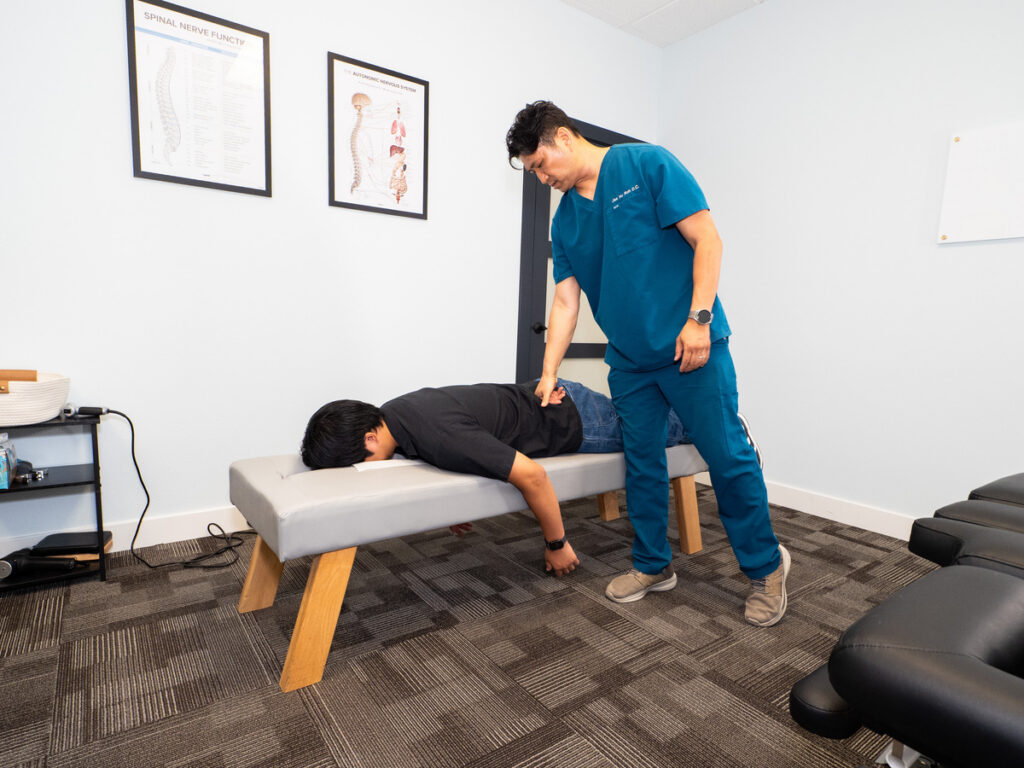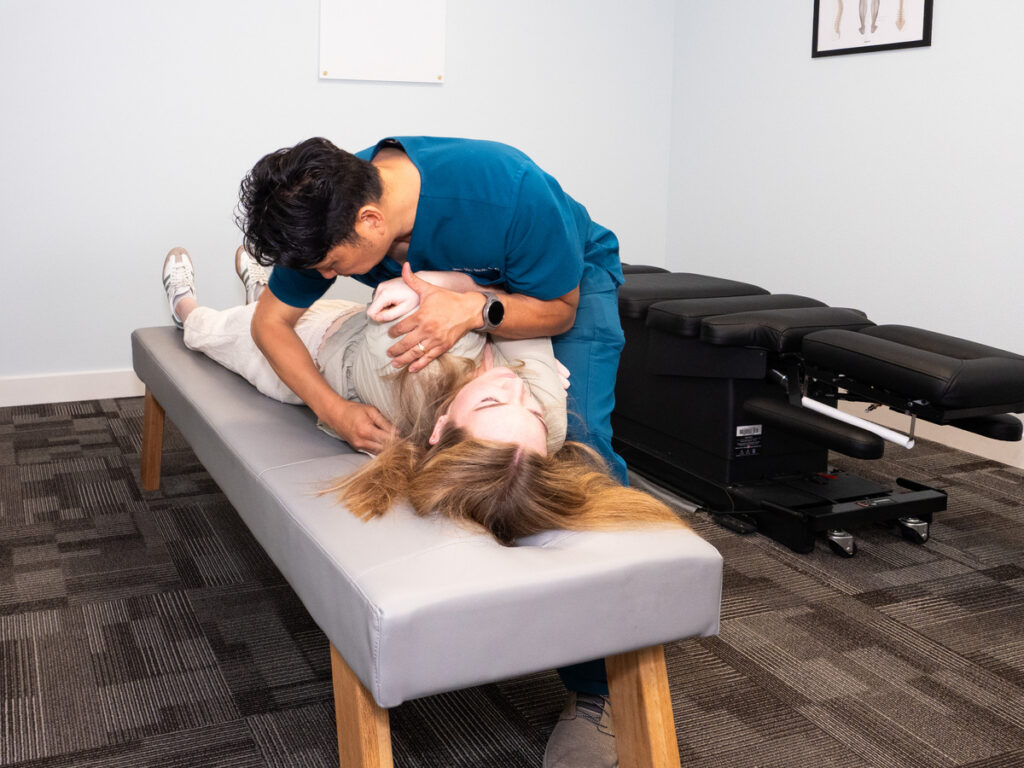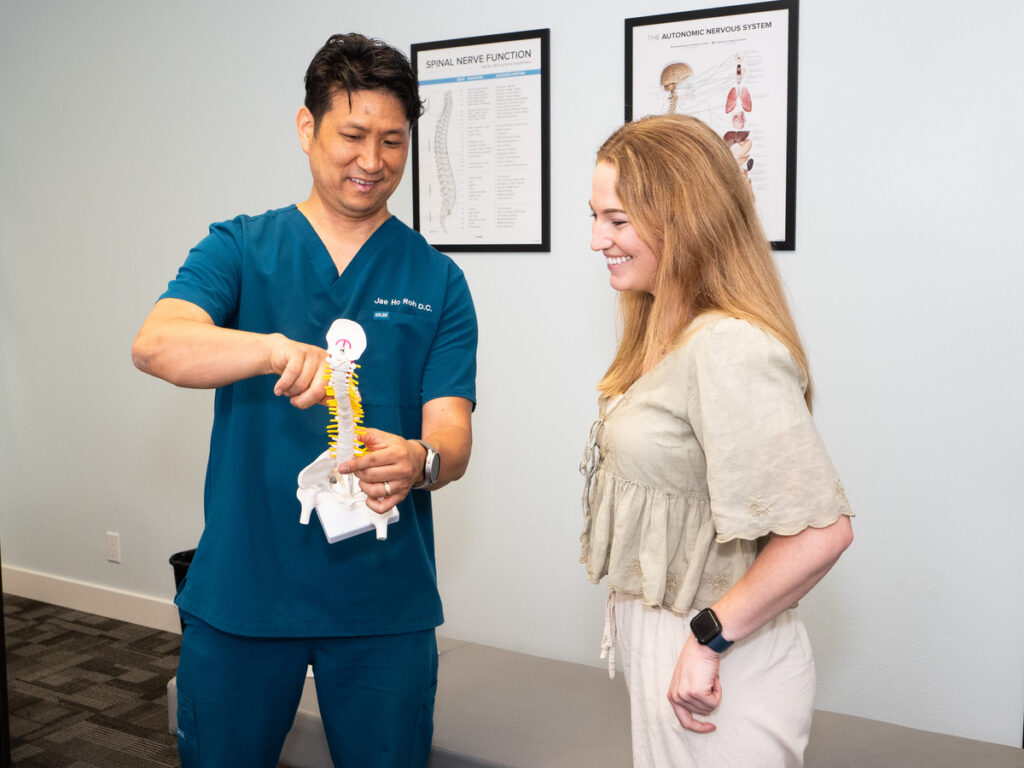

As a local chiropractor, I want to share with you some gentle techniques that can significantly aid your recovery from a neck injury. Many people are unaware that simple stretching exercises and mindful practices can not only help alleviate pain but also enhance your overall mobility. By incorporating a blend of therapeutic exercises and relaxation methods, we can adopt a holistic approach to your healing process.
So, what specific techniques should you focus on to ensure the best possible results? It's crucial to explore options such as gentle neck stretches, posture awareness, and relaxation techniques like deep breathing. These methods, when practiced consistently, can lead you to a more effective recovery journey. Remember, understanding and utilizing these natural healing strategies is an important step towards regaining your health and well-being.
Understanding Neck Injuries
As a local chiropractor, I often see patients who are surprised to learn just how common neck injuries can be. Many people assume that these injuries only occur in athletes or during accidents, but the truth is that everyday activities can easily lead to neck strain or injury. Poor posture while working at a desk, sleeping in uncomfortable positions, or even carrying heavy bags can put significant stress on your neck.
It's important to understand the various types of neck injuries that might affect you. One of the most recognized injuries is whiplash, which usually occurs from sudden movements, such as in a car accident. This happens when your head is forcefully jerked forward and then backward, putting strain on the muscles and ligaments in your neck.
Muscle strains and sprains are also common, often resulting from overuse or improper lifting techniques. Additionally, you may encounter issues with cervical discs, which are the cushioning discs between your vertebrae that can become damaged or degenerate over time.
The symptoms of neck injuries can vary widely, including pain, stiffness, headaches, and even numbness. If you're experiencing any of these symptoms, it's crucial to seek medical advice to assess the severity of your injury. Ignoring these signs can lead to chronic issues that significantly impact your daily life.
Understanding your neck injury is the first step toward healing. By recognizing what caused the injury and being aware of the symptoms, you can make informed decisions about your treatment options.
In chiropractic care, we focus on natural healing methods to restore function and alleviate pain. The sooner you address your neck injury, the better your chances of achieving a full recovery.
Benefits of Gentle Recovery
As a local chiropractor, I want to share with you the numerous benefits of gentle recovery techniques, especially when you're healing from a neck injury.
It's crucial to choose methods that nurture your body rather than placing additional stress on it. Here are some key advantages of gentle recovery that I often discuss with my patients:
- Reduced Pain: Utilizing gentle techniques can significantly minimize discomfort. By avoiding abrupt or harsh movements, you allow your body to heal properly without intensifying pain, which is essential for your comfort and well-being.
- Improved Mobility: Engaging in gentle recovery practices can gradually enhance your range of motion. You'll discover that small, controlled movements can effectively restore flexibility without pushing your body to its limits.
- Lower Risk of Further Injury: Taking a slow and steady approach is vital to prevent further injury. Gentle techniques enable your body to adapt and strengthen over time, which is crucial for long-term recovery and stability.
- Enhanced Relaxation: Many gentle recovery methods incorporate relaxation techniques that can help alleviate stress and anxiety. By reducing tension in your body, you not only support your physical healing but also promote your overall mental and emotional well-being.
Integrating these gentle techniques into your recovery routine can significantly impact the speed and effectiveness of your healing process.
You'll feel more empowered in your recovery journey, and with patience, you can achieve a stronger and more resilient neck.
Remember, it's essential to listen to your body and respect its needs as you navigate your path to recovery.
I'm here to support you every step of the way!
Gentle Stretching Techniques
As a local chiropractor, I want to share some insights into how gentle stretching can play a significant role in your recovery from a neck injury. Many of my patients have found that incorporating mindful stretching techniques into their daily routines not only alleviates stiffness but also enhances flexibility and supports the healing process.
One of the simplest yet effective stretches is the neck tilt. To perform this, find a comfortable seated position and gently lean your head towards one shoulder. You'll feel a nice stretch on the opposite side of your neck. Hold this position for 15-30 seconds, then return to the center and repeat on the other side. This gentle movement is designed to help release tightness without putting extra strain on your muscles.
Another technique I recommend is the chin tuck. Whether you're sitting or standing, softly tuck your chin towards your chest, almost as if you're creating a double chin. Hold this position for a few seconds before releasing. This stretch is beneficial for strengthening the muscles that support your neck and can also improve your posture over time.
Don't overlook the importance of shoulder rolls as well. This simple exercise can help relieve tension in your upper body. To do this, roll your shoulders forward in a circular motion, and then reverse the direction. Aim for about 10 rolls in each direction to help loosen up the area.
It's crucial to always listen to your body during these stretches. If you experience any pain, it's important to stop immediately and consult with a healthcare professional.
Consistency is key in your recovery journey, so I encourage you to incorporate these gentle stretches into your daily routine. By doing so, you can enhance your healing process and gradually regain strength and mobility in your neck.
Mindfulness and Meditation Practices
As a local chiropractor, I want to introduce you to the benefits of mindfulness and meditation in your recovery journey.
These practices can complement your chiropractic care by helping to reduce tension in your neck and promote overall relaxation. Incorporating breathing techniques into your daily routine can greatly enhance your healing process.
Additionally, guided visualization exercises can engage your mind, allowing you to focus on your well-being and recovery. Embracing these natural healing methods can work in harmony with chiropractic adjustments to support your overall health.
Breathing Techniques
As a local chiropractor, I often emphasize the importance of incorporating breathing techniques into your recovery routine, especially after experiencing a neck injury. Many individuals are unaware of how powerful deep, controlled breathing can be—not only does it promote relaxation, but it also enhances oxygen flow to your muscles, which is crucial for healing.
Here are four effective breathing techniques I recommend for my patients:
- Diaphragmatic Breathing: Find a comfortable position, whether sitting or lying down. Place one hand on your chest and the other on your belly. Inhale deeply through your nose, ensuring your belly rises while your chest remains relatively still. Then, exhale slowly through your mouth. Aim to practice this for 5-10 minutes each day to aid your recovery.
- Box Breathing: This technique can be especially beneficial for calming the mind and reducing stress. Inhale for a count of four, hold your breath for another four counts, exhale for four counts, and then hold your breath again for four counts. Repeat this cycle several times to help center yourself.
- 4-7-8 Breathing: This method is excellent for promoting relaxation and reducing anxiety. Inhale through your nose for a count of four, hold your breath for seven counts, and then exhale through your mouth for eight counts. Incorporating this into your routine can significantly aid your mental and physical recovery.
- Mindful Breathing: This practice involves focusing on each breath and noticing the sensations that arise as you inhale and exhale. By staying present during this process, you can help alleviate tension in your neck and promote overall relaxation.
I encourage you to try these techniques as part of your natural healing journey. They not only support your physical recovery but also contribute to your overall well-being.
Guided Visualization Exercises
As your chiropractor, I want to introduce you to the powerful practice of guided visualization exercises, which can greatly complement your recovery from neck injuries.
After you've practiced your breathing techniques, these exercises can create a supportive mental environment for healing and relaxation.
To begin, find a quiet space where you can comfortably sit or lie down without distractions. Close your eyes, take a few deep breaths, and bring your focus to your body.
Imagine a warm, gentle light enveloping your neck, easing any discomfort you may feel. Visualize this light penetrating into the muscles and tissues, promoting healing and relief.
With each inhale, picture fresh energy flowing into your body, while each exhale lets go of tension and stress. To enhance this visualization, consider incorporating calming sounds or music, which can deepen your relaxation experience.
I encourage you to practice these guided visualization exercises daily, even if it's just for a few minutes.
Over time, you may notice a positive shift in your mindset, which can help you better cope with pain and stress. This technique not only aids in relaxation but also empowers you to take an active role in your recovery process.
Embracing guided visualization can be a valuable tool on your journey to healing, supporting the chiropractic care you receive.
Therapeutic Exercises for Strength
As a local chiropractor, I understand that recovering from a neck injury can be challenging, and it's vital to take the right steps to rebuild your strength safely. Engaging in targeted therapeutic exercises can significantly aid your recovery by not only regaining lost strength but also enhancing your overall neck stability and function.
It's essential to approach these exercises gently, particularly in the early stages of your healing journey. Here's a simple list of effective exercises that I often recommend for my patients:
- Neck Tilts: Find a comfortable sitting or standing position. Slowly tilt your head towards one shoulder, holding it there for a few seconds before returning to the center. Repeat on the opposite side. This exercise helps stretch and strengthen the muscles along the sides of your neck.
- Chin Tucks: While in a seated or standing position, draw your chin back towards your throat. Hold this position for about 5 seconds, then relax. This exercise is excellent for strengthening the deep neck flexors and improving your posture.
- Shoulder Shrugs: Raise your shoulders towards your ears, hold for a moment, and then release. Repeat this several times. Shoulder shrugs can help relieve tension in the upper back and neck while also building strength in those areas.
- Isometric Neck Exercises: Place your hand against your forehead and gently push your head against your hand without allowing any movement. Hold for a few seconds, then relax. This exercise effectively targets the neck muscles and builds strength safely.
Before starting any new exercise program, especially following an injury, it's crucial to consult with your healthcare provider to ensure it's appropriate for your specific situation.
As you begin to heal, gradually increase the intensity of these exercises, and always listen to your body to avoid overexertion. Remember, recovery is a process, and I'm here to support you every step of the way.
Heat and Cold Therapy
As a local chiropractor, I'm here to help you understand the benefits of heat and cold therapy when recovering from a neck injury.
These techniques can be invaluable tools in your healing journey. Heat therapy is excellent for relaxing tight muscles and enhancing blood circulation, which can aid in the healing process.
On the other hand, cold therapy is effective in reducing inflammation and numbing pain, making it a vital part of your recovery strategy.
It's essential to know how and when to apply these treatments for maximum effectiveness. If you're unsure, I encourage you to reach out for guidance.
Understanding these natural healing methods can significantly enhance your recovery and overall well-being. Let's work together to get you back to feeling your best!
Benefits of Heat Therapy
As a local chiropractor, I want to share with you the numerous benefits of heat therapy for relieving muscle tension and promoting healing, especially when it comes to neck injuries.
Many people may not be familiar with how effective this natural treatment can be, so let me explain how it works and why you should consider incorporating it into your recovery routine.
- Improved Circulation: When we apply heat, it causes blood vessels to expand, which increases blood flow to the injured area. This enhanced circulation is crucial for speeding up recovery and delivering essential nutrients to the muscles and tissues in your neck.
- Muscle Relaxation: Heat therapy is excellent for relaxing tight muscles. By soothing the tension, you can significantly reduce stiffness in your neck, allowing for greater mobility and comfort.
- Pain Relief: One of the most immediate benefits of heat is its ability to dull pain signals sent to your brain. The gentle warmth can provide instant relief from discomfort and help you feel more at ease.
- Enhanced Flexibility: Heat therapy works by loosening up muscles and connective tissues, which can improve your range of motion. This flexibility is vital for getting you back to your normal activities without limitations.
Incorporating heat therapy into your recovery isn't only simple but also incredibly effective.
Whether you choose to use a warm towel, a heating pad, or a hot water bottle, these gentle techniques can significantly aid in your neck injury recovery.
As your chiropractor, I encourage you to explore these options and discuss any questions you may have about how heat therapy can complement your overall treatment plan.
Advantages of Cold Therapy
As a local chiropractor, I want to share with you the benefits of cold therapy for treating neck injuries, a natural approach that can provide significant relief and support your healing process.
When cold is applied to an injured area, it works by constricting blood vessels, which reduces blood flow and helps minimize swelling. This is particularly effective in the initial days following an injury, as it can alleviate pain and inflammation.
Cold therapy has the added benefit of numbing the area, which can help reduce discomfort and allow you to move more freely. It's often the first choice for acute injuries, where finding immediate relief is crucial.
Moreover, cold therapy can help calm muscle spasms that may occur due to tension or injury, further assisting in your recovery.
One of the greatest advantages of cold therapy is its ease of use. You can easily apply ice packs, cold compresses, or even wrap frozen vegetables in a cloth to get started.
This accessibility means you can begin your treatment right at home, making cold therapy a convenient and effective option for managing pain and promoting healing.
As you explore natural healing methods, I encourage you to consider incorporating cold therapy into your recovery plan.
Application Techniques Explained
As your local chiropractor, I'm here to help you understand the effective use of cold and heat therapy in your recovery process. Each of these methods offers unique benefits, and knowing how to apply them properly can significantly enhance your healing journey.
Here are some simple techniques to follow:
- Cold Packs: To start, I recommend using a cold pack wrapped in a thin cloth. Apply it gently to the injured area for about 15-20 minutes. It's essential to allow your skin to rest for at least an hour before reapplying. This technique helps minimize swelling and numbs pain effectively.
- Heat Pads: If you're experiencing muscle soreness, heat pads can be particularly beneficial. You can apply a warm heat pad or a warm towel to your neck for 15-20 minutes. Just ensure it's warm and not too hot to avoid any burns. This warmth helps relax tight muscles.
- Contrast Therapy: Another effective method is contrast therapy, where you alternate between hot and cold. Start with cold for 10 minutes, then switch to heat for another 10 minutes, and repeat the process. This alternating technique can enhance circulation and alleviate stiffness in the muscles.
- Warm Showers: Taking a warm shower can work wonders for tight neck muscles. While the warm water runs over you, gently massage the area for added relief. This can help soothe discomfort and promote relaxation.
By incorporating these techniques into your routine, you can greatly aid in your recovery from neck injuries.
If you have any questions or need further guidance, feel free to reach out to me. Your healing journey is important, and I'm here to support you every step of the way.
Massage and Bodywork Options
As a local chiropractor, I want to share how massage and bodywork can significantly aid in your recovery from neck injuries. These natural techniques offer a gentle yet effective way to relieve pain, enhance mobility, and support your healing process.
When you engage in massage therapy, a skilled therapist focuses on the muscles and soft tissues surrounding your neck. This targeted approach helps release built-up tension and ease discomfort. By improving blood circulation, massage therapy ensures that essential nutrients and oxygen reach the injured areas, which is crucial for a successful recovery.
In addition to traditional massage, I encourage you to consider various bodywork options such as myofascial release and trigger point therapy. Myofascial release targets tightness in the fascia, the connective tissue encasing your muscles, while trigger point therapy hones in on specific knots that contribute to your pain. Both therapies can be highly effective for treating neck injuries, helping restore normal function and alleviate discomfort.
You may also want to explore craniosacral therapy, which gently manipulates the skull and spine to relieve tension. This technique is particularly beneficial for headaches and neck pain stemming from injuries.
Before embarking on any massage or bodywork regimen, it's essential to consult with a healthcare professional or a licensed therapist. I recommend discussing your specific needs with us, so we can identify the most suitable approach for your recovery.
Open communication about your pain levels and any limitations you may have is key. This allows your therapist to tailor your sessions to your unique situation, enhancing your healing journey and ensuring you're on the right track toward optimal health.
Posture Improvement Strategies
As your local chiropractor, I want to emphasize how crucial it's to maintain proper posture for your recovery from neck injuries. Even small misalignments can worsen your pain and slow down the healing process. By focusing on improving your posture, you can significantly alleviate stress on your neck and encourage better healing.
Here are some straightforward strategies to help you achieve better alignment while standing or sitting:
- Optimize Your Workspace: It's important to ensure that your computer screen is at eye level and that your chair provides adequate support for your lower back. Keep your feet flat on the ground and your knees bent at a 90-degree angle. This setup will help minimize strain on your neck during work hours.
- Strengthen Your Core: A strong core plays a vital role in supporting your spine and enhancing your overall posture. Incorporate exercises like planks and bridges into your routine to build that strength. A well-supported spine can keep your neck aligned and reduce discomfort.
- Mind Your Head Position: Aim to keep your head aligned over your spine, steering clear of the common habit of jutting your chin forward. Make it a practice to regularly check your head position, particularly when using your phone or computer, to avoid unnecessary strain on your neck.
- Take Regular Breaks: If you find yourself sitting for extended periods, be sure to stand up and stretch every 30 minutes. This simple act can help relieve tension in your neck and serve as a reminder to reset your posture.
By incorporating these strategies into your daily routine, you'll be on the right path to improving your posture and supporting your recovery.
Importance of Rest and Sleep
As a local chiropractor, I want to emphasize the vital role that rest and sleep play in your recovery from a neck injury. When you're healing, your body requires adequate time to recover, and getting enough rest is crucial for this process.
During sleep, your body enters a restorative phase where it repairs tissues and reduces inflammation, which is particularly important for healing your neck and regaining both strength and flexibility.
If you find yourself struggling to get quality sleep, it can hinder your recovery. Fatigue can make it difficult to manage pain and participate in rehabilitation exercises effectively. That's why I encourage you to prioritize your sleep by creating a calming bedtime environment.
Ensure your bedroom is dark, quiet, and cool, and develop a relaxing nighttime routine that signals to your body it's time to wind down.
Additionally, your sleeping position is important. Using a supportive pillow and maintaining proper spinal alignment can alleviate stress on your neck while you sleep. Keeping your head and neck in a neutral position can reduce strain and foster healing.
If you're having trouble sleeping due to discomfort, please don't hesitate to reach out. As your chiropractor, I'm here to provide guidance and suggest natural interventions that can enhance your comfort and support your recovery journey.
Lifestyle Changes for Prevention
As a local chiropractor, I want to emphasize the importance of maintaining a healthy neck to prevent injuries and discomfort. One of the best ways to achieve this is by creating an ergonomic workspace. This means ensuring that your desk, chair, and computer are set up in a way that supports proper posture and minimizes strain on your neck.
In addition to your workspace setup, I highly recommend incorporating a regular stretching routine into your daily activities. Gentle stretches can keep your neck muscles flexible and strong, which is vital for overall neck health.
Ergonomic Workspace Setup
As a local chiropractor, I often see patients who spend long hours at their desks, which can lead to neck injuries and discomfort if their workspace isn't set up correctly.
It's crucial to prioritize your neck health and overall posture by creating an ergonomic workspace. Here are four essential adjustments I recommend:
- Monitor Height: Position your monitor at eye level. This prevents you from having to tilt your head up or down, which can strain your neck. Ideally, the top of your screen should be at or slightly below eye level.
- Chair Support: Choose a chair that supports the natural curve of your spine. Make sure to adjust the height so that your feet are flat on the floor and your knees align with your hips. This support is vital in maintaining a healthy posture.
- Keyboard and Mouse Placement: Keep your keyboard and mouse within easy reach to avoid overextending your arms. Your elbows should form a 90-degree angle, and it's important that your wrists stay straight while typing to prevent strain.
- Frequent Breaks: Remember to take short breaks throughout your workday. Stand up, stretch, and move around for a few minutes every hour. This simple practice helps relieve tension and improves circulation, promoting overall well-being.
By implementing these ergonomic changes, you can make a significant difference in your neck health and comfort while working.
If you have any questions about how to optimize your workspace or want to learn more about chiropractic care, feel free to reach out!
Regular Stretching Routine
As a local chiropractor dedicated to your well-being, I want to emphasize the importance of maintaining a healthy neck, especially if you spend long hours at a desk. After ensuring your workspace is ergonomically set up, incorporating a regular stretching routine can significantly enhance your neck health and prevent potential injuries. Stretching is a natural way to maintain flexibility and reduce muscle tension, both of which are essential for a healthy neck.
I recommend starting with gentle neck rolls. This simple exercise involves slowly rolling your head in a circular motion, which helps to relax tight muscles.
Next, consider adding side bends to your routine; tilt your head towards each shoulder and hold the position for 15-30 seconds on each side. This stretch is particularly effective for targeting the muscles along the sides of your neck.
Additionally, don't overlook the benefits of shoulder shrugs—lifting your shoulders towards your ears and then releasing them can help alleviate tension built up in that area.
To make stretching a regular part of your day, I suggest setting reminders to practice these movements. Even creating a brief routine to follow during your breaks can make a significant difference.
Remember, stretching should never be painful; it's crucial to listen to your body and ease into each movement.
Conclusion
As a local chiropractor, I want to emphasize how incorporating gentle techniques into your neck injury recovery can significantly benefit your healing process. Embracing practices such as stretching, mindfulness, and therapeutic exercises can help you regain flexibility and strength while alleviating pain. It's crucial to prioritize rest and consider lifestyle adjustments to prevent future injuries.
Listening to your body is key, and I encourage you to consult a healthcare professional to customize these strategies to fit your individual needs. With patience and a consistent approach, you can restore mobility and enhance your overall well-being. Remember, chiropractic care offers natural healing methods that can support your recovery journey.