
If you’ve ever dealt with the frustrating combination of migraines and neck pain, you’re certainly not alone. Many individuals discover that tension in the neck can trigger or intensify migraine attacks. Thankfully, there are effective strategies you can adopt to alleviate both issues, with chiropractic care being one of the best options available.
Understanding the connection between neck health and those painful headaches is crucial. When your spine is properly aligned, it can reduce tension and relieve pressure that may lead to migraines. As a chiropractor, I want to share some practical solutions that can significantly enhance your daily life and overall well-being.
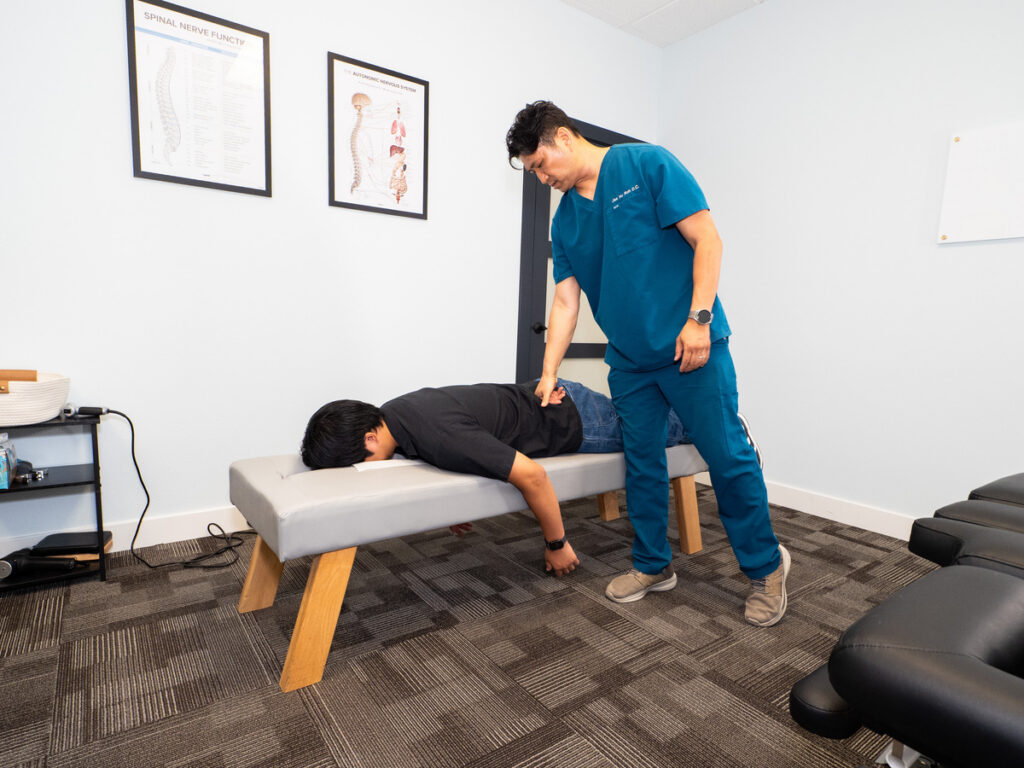
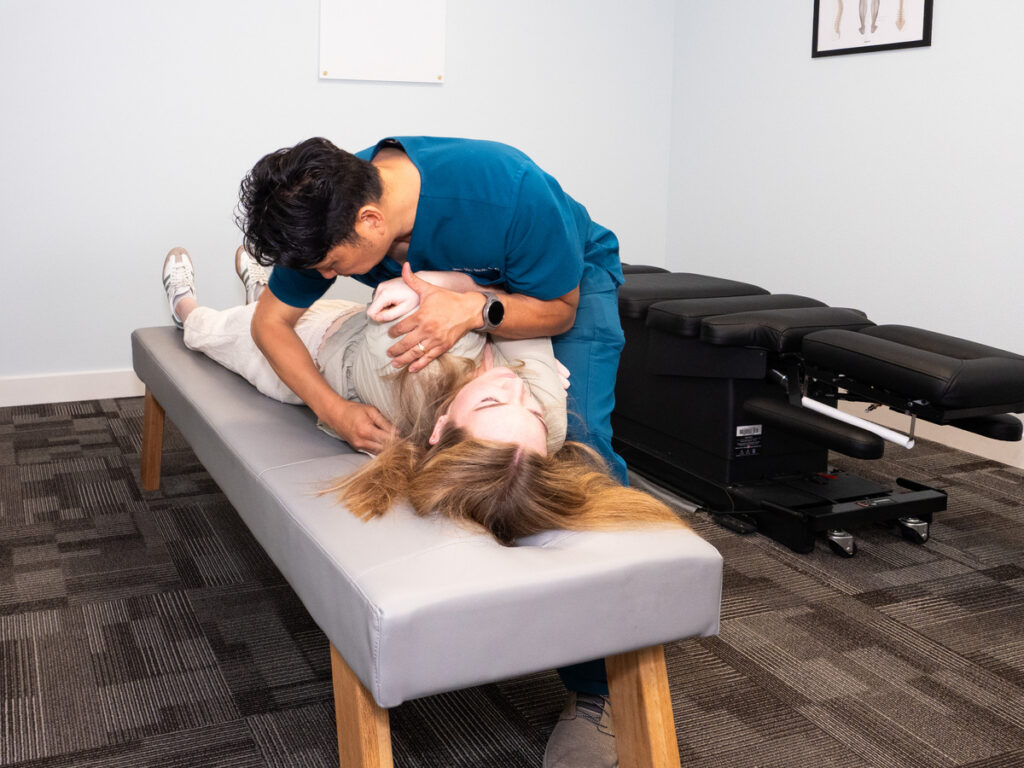
- Regular Chiropractic Adjustments: One of the most effective ways to address neck pain and migraines is through chiropractic adjustments. These gentle, non-invasive treatments help realign the spine and improve mobility, which can alleviate tension and reduce the frequency and severity of headaches.
- Posture Awareness: Maintaining good posture throughout your day can make a big difference. Whether you’re sitting at a desk or using your phone, make sure your head is aligned over your shoulders and avoid slouching. This can help prevent unnecessary strain on your neck.
- Neck Stretches and Exercises: Incorporating simple neck stretches and exercises into your daily routine can help release tension. Try gently tilting your head side to side, or rolling your shoulders to ease tightness. Always consult with your chiropractor for specific exercises tailored to your needs.
- Heat Therapy: Applying a warm compress or heating pad to your neck can help relax tight muscles and improve blood flow. This can provide immediate relief and is a great complement to your chiropractic care.
- Stay Hydrated: Dehydration can often lead to headaches, so make sure you’re drinking plenty of water throughout the day. Staying hydrated supports overall health and can help keep migraines at bay.
- Mindfulness and Stress Reduction: Stress is a common trigger for both neck pain and migraines. Incorporating relaxation techniques such as deep breathing, meditation, or yoga can significantly help in managing stress levels.
By addressing neck pain through chiropractic care and implementing these helpful strategies, you can experience fewer migraines and improve your overall quality of life. Remember, your spine plays a vital role in your health, and maintaining its proper alignment is key to natural healing and wellness. If you’re struggling with neck pain or migraines, don’t hesitate to reach out to a chiropractor to explore how they can help you achieve optimal health.
Key Takeaways
- Start by maintaining good posture throughout your day. This simple adjustment can significantly reduce neck strain, helping to alleviate migraine triggers and promote overall well-being. Remember, your spine supports your entire body, so keeping it aligned is essential.
- Incorporate gentle neck stretches into your daily routine. These stretches can relieve tension and improve flexibility, making a world of difference for those suffering from neck pain and migraines. A few minutes each day can help keep your neck muscles relaxed and healthy.
- Staying hydrated is crucial for overall health, and it can also play a role in managing migraines. Pair this with relaxation techniques such as yoga and deep breathing exercises to help reduce stress, which is a common trigger for migraines. Feeling calm and centered can go a long way in preventing painful episodes.
- As a chiropractor, I highly recommend considering chiropractic care. It focuses on identifying and correcting spinal misalignments that can contribute to neck pain and migraines. By addressing these issues, you can reduce nerve pressure and promote a healthier spine, leading to naturally improved well-being.
- Lastly, applying heat or cold therapy can be an excellent way to soothe neck discomfort. Heat can help relax tight muscles, while cold therapy can reduce inflammation during migraine episodes. Both are natural and effective ways to ease your pain without relying on medications.
By incorporating these tips into your daily life and considering chiropractic care, you can take proactive steps towards alleviating neck pain and migraines while promoting your overall health and wellness.
Understanding the Connection Between Neck Pain and Migraines
When neck pain strikes, it often feels like an unwelcome partner to your migraines. This connection isn’t just a coincidence; it stems from how our bodies process pain. Tension in the neck can lead to muscle strain, which tightens surrounding areas and can trigger headaches.
Factors like poor posture, stress, or even an awkward sleeping position can contribute to this discomfort, creating a cycle where neck pain and migraines feed off each other. The nerves in your neck are closely connected to your head and brain. When neck pain irritates these nerves, it can send signals that lead to migraine episodes. Understanding this link is crucial for effectively managing your symptoms.
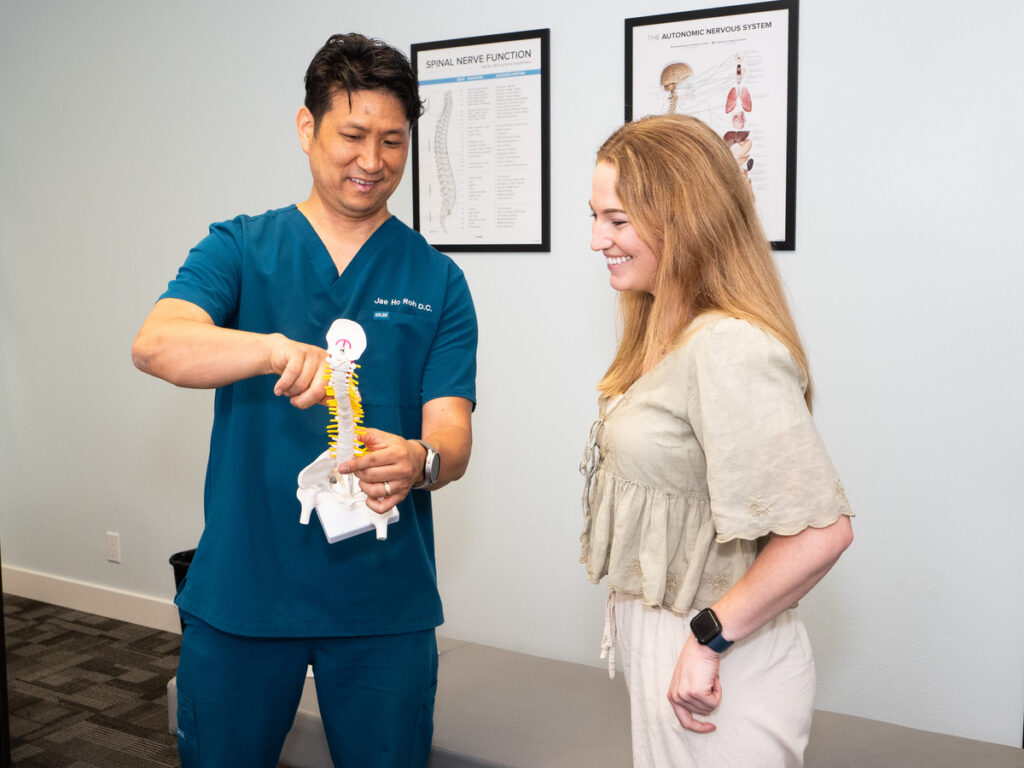
Chiropractic care offers a natural approach to address neck pain and, in turn, may help reduce the frequency and intensity of your migraines. Regular chiropractic adjustments can help restore proper alignment in your spine, alleviate tension in the neck, and improve overall nerve function. This natural healing method empowers you to take proactive steps toward relief and enhances your well-being.
Here are some tips to help manage neck pain and potentially lessen migraine occurrences:
- Maintain Good Posture: Be mindful of your posture while sitting, standing, and sleeping. Use ergonomic furniture when possible.
- Stay Hydrated: Drink plenty of water throughout the day to keep your body hydrated and help prevent headaches.
- Practice Relaxation Techniques: Incorporate stress-relief practices like deep breathing, yoga, or meditation into your routine.
- Stretch Regularly: Gentle neck stretches can help reduce tension. Try tilting your head side to side and forward and backward gently.
- Consider Regular Chiropractic Visits: Regular adjustments can help keep your spine aligned, reduce tension, and promote overall health.
Effective Stretches to Relieve Neck Tension
Neck tension is a common issue that can significantly contribute to migraine discomfort. As a chiropractor, I believe it’s essential to incorporate effective stretches into your daily routine to help alleviate this tension naturally. Here are some simple yet effective stretches you can try.
Start with a gentle neck tilt. While sitting or standing, slowly tilt your head to one side, bringing your ear toward your shoulder. Hold this position for 15-30 seconds and feel the stretch along the opposite side of your neck. This helps to release tight muscles and improve flexibility. Remember to repeat this on the other side for balance.
Next, practice neck rotations. Turn your head slowly to the right, then to the left, ensuring that the movement is smooth and controlled. Aim for 5-10 complete cycles. This motion helps to increase range of motion and reduce stiffness in the neck area.
Shoulder shrugs are another great exercise. Raise your shoulders toward your ears, hold for a brief moment, and then release. This simple movement can help release built-up tension in your upper back and neck, making you feel more relaxed.
Finally, try chin tucks. Gently pull your chin toward your chest without tilting your head down. Hold this position for a few seconds before releasing. This exercise helps to strengthen the muscles that support your neck and improves your posture.
Incorporating these stretches into your daily routine can significantly reduce neck tension, which may, in turn, help decrease the frequency and intensity of your migraines.
Remember, regular chiropractic care can also play a vital role in achieving optimal health and wellness. By addressing the root causes of tension and pain, chiropractic adjustments can enhance your overall quality of life.
Take charge of your health by making these stretches a part of your self-care routine!
The Role of Posture in Migraine Prevention
Good posture is vital in preventing migraines, as it helps alleviate unnecessary strain on your neck and shoulders. When you maintain proper alignment, you reduce the tension that can lead to headaches. To start, keep your head centered over your spine, making sure your ears line up with your shoulders.
It’s important to avoid slouching or leaning forward, particularly when you’re working at a desk or looking at your phone for extended periods.
Creating an ergonomic workspace can greatly enhance your posture and overall comfort. Ensure your chair offers proper support for your lower back, and position your computer screen at eye level. This setup encourages an upright sitting position, which in turn minimizes the risk of neck strain and contributes to your overall well-being.
In addition to maintaining good posture, remember to take regular breaks to stretch and reset your posture throughout the day. Simple neck and shoulder stretches can work wonders in relieving tension. By being conscious of how you sit and stand, you can significantly decrease the likelihood of migraines related to muscle tension and poor posture.
Chiropractic care can play a crucial role in supporting your posture and helping to prevent migraines. Regular chiropractic adjustments can align your spine and improve your overall spinal health, making it easier to maintain good posture naturally.
Therapeutic Treatments for Neck Pain and Migraines
Maintaining proper posture is just one key element in tackling migraines and the neck pain that often accompanies them. If you’re looking for effective solutions, chiropractic care should be at the top of your list. As a chiropractor, I believe that a holistic approach focusing on spinal health is the best way to achieve optimal well-being and pain relief.
Chiropractic adjustments work wonders by realigning your spine, which can relieve pressure on nerves and reduce pain throughout your body, including your neck. These adjustments not only help with immediate discomfort but also promote long-term health by improving the function of your nervous system.
In addition to adjustments, I encourage incorporating physical therapy exercises to strengthen your neck muscles and improve flexibility. A skilled therapist can guide you through exercises that target specific muscle groups, helping to alleviate tension and enhance your overall well-being.
Another natural option is acupuncture, which involves the insertion of fine needles at specific points in your body. This practice can enhance blood flow and reduce pain, complementing the benefits of chiropractic care.
Massage therapy is also a fantastic way to ease muscle tightness and promote relaxation. Regular massages can help keep your muscles loose and tension-free, further supporting your chiropractic treatments.
Don’t forget the power of heat and cold therapy! Applying heat can relax tense muscles, while cold therapy can reduce inflammation. Both can provide immediate relief and should be part of your pain management toolkit.
By combining chiropractic care with these supportive therapies, you can develop a comprehensive strategy for managing neck pain and migraines effectively.
Lifestyle Changes to Reduce Frequency and Intensity of Migraines
While it mightn’t be possible to completely eliminate migraines, you can make lifestyle changes that significantly lessen their frequency and intensity. As a chiropractor, I believe in the power of natural healing and holistic approaches to wellness. One of the first steps is to maintain a consistent sleep schedule. Going to bed and waking up at the same time each day can help regulate your body’s internal clock, which is essential for overall health.
Another crucial aspect is staying hydrated. Dehydration can often trigger migraines, so it’s important to drink plenty of water throughout the day. Keeping your body well-hydrated can also support your spinal health and overall wellness.
When it comes to your diet, it’s helpful to pay attention to potential trigger foods. Common culprits can include aged cheeses, processed meats, and excessive caffeine. By identifying and avoiding these triggers, you may experience fewer migraine episodes.
Regular physical activity is also a key component of a healthier lifestyle. Engaging in activities like walking, swimming, or yoga not only promotes overall well-being but also helps manage stress. A healthy spine contributes to better movement and function, which can alleviate tension that may lead to migraines.
Stress management is vital too. Incorporating stress-reduction techniques such as meditation, deep-breathing exercises, or even chiropractic adjustments can help you manage stress more effectively. Stress is a common trigger for migraines, and chiropractic care can provide relief by addressing spinal misalignments that may contribute to tension in your body.
By adopting these changes, you can create a healthier lifestyle that not only minimizes your migraine attacks but also supports your overall health. Embracing chiropractic care as part of your wellness routine can help you achieve optimal health naturally.
Conclusion
Understanding the connection between neck pain and migraines is essential for finding relief and achieving optimal health. As a chiropractor, I want to share some natural solutions that can help alleviate your discomfort and improve your overall well-being.
Incorporating gentle stretches into your daily routine can significantly reduce tension in your neck, which may help lessen migraine occurrences. Simple neck stretches, like tilting your head side to side or gently rolling your shoulders, can promote flexibility and relaxation.
Maintaining good posture is equally important. Be mindful of your alignment, whether you’re sitting at a desk or using your phone. Proper posture can reduce strain on your neck and spine, ultimately leading to fewer migraines.
Chiropractic care is an excellent option for addressing both neck pain and migraines. By receiving regular adjustments, you can help ensure your spine is properly aligned, which supports your nervous system and overall health. This can lead to reduced pain and fewer headaches over time.
In addition to these practices, adopting a few lifestyle changes can make a significant difference. Staying hydrated is crucial, as dehydration can trigger migraines. Aim to drink plenty of water throughout the day. Moreover, practicing relaxation techniques, such as deep breathing or meditation, can help manage stress, which is often a contributing factor to migraines.
Remember, consistency is key. Make these practices a regular part of your routine, and consider visiting your chiropractor for ongoing support. Together, we can work toward lasting relief and a healthier, more vibrant life!